destination guides
Botswana's Kalahari Core: Daily Life at Camp Kalahari Revealed
Encounters Africa - 6 min read
Updated on 5 May 2026
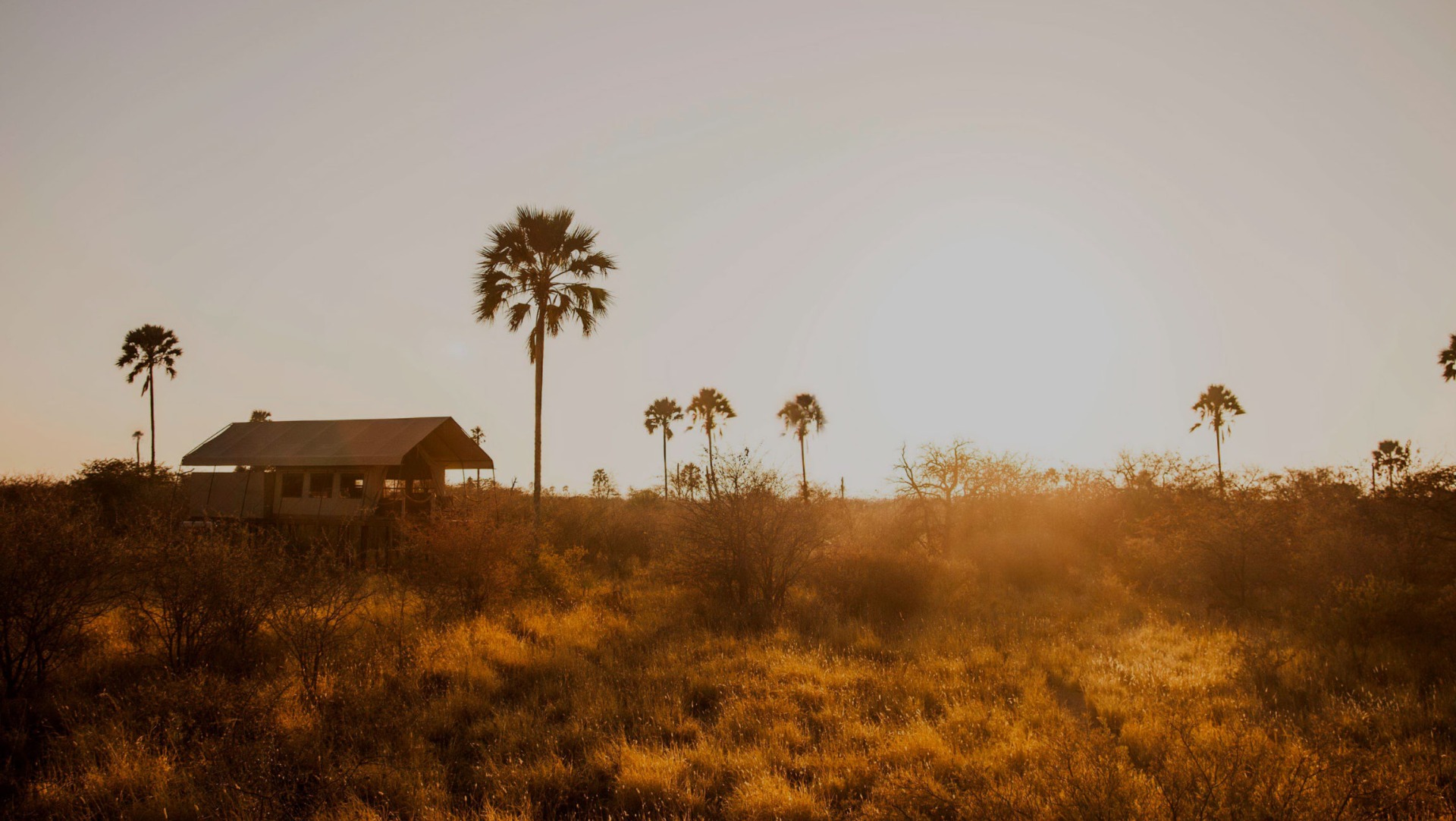
Deep in Botswana's Central Kalahari Game Reserve, Camp Kalahari emerges as a secluded haven where the vast dunes meet untamed wildlife. This intimate camp, with its 10 luxury tents scattered amid fossil riverbeds and red sands, offers travellers an authentic immersion into the Kalahari's rhythms. Daily life here revolves around meerkat dawn watches, cheetah pursuits across open plains, and leopard sightings on guided night drives, especially vivid during the May to September dry season when visibility peaks.
Encounters Africa travellers often describe Camp Kalahari as a portal to the Kalahari's soul, where solar-powered tents blend seamlessly into the landscape. The camp's remote position ensures profound encounters with black-maned lions and habituated meerkat families, all while supporting conservation through low-impact operations. Whether tracking predators or savouring starlit dinners, a stay reveals the desert's hidden vitality.
Arrival and First Impressions at Camp Kalahari
Reaching Camp Kalahari demands a light aircraft hop from Maun, followed by a bone-rattling game drive through shimmering dunes. As tents come into view, their canvas walls ripple in the hot wind, framed by acacia thorns and distant giraffe silhouettes. The air carries a dry, earthy scent, mingled with the faint smoke of a welcoming fire.
Guides greet arrivals with chilled towels and fresh lemonade, ushering guests into spacious tents equipped with en-suite facilities and shaded verandas. Each of the 10 units overlooks a waterhole, where oryx and springbok gather at dusk. This initial orientation sets the tone for unhurried days attuned to the Kalahari's pulse.
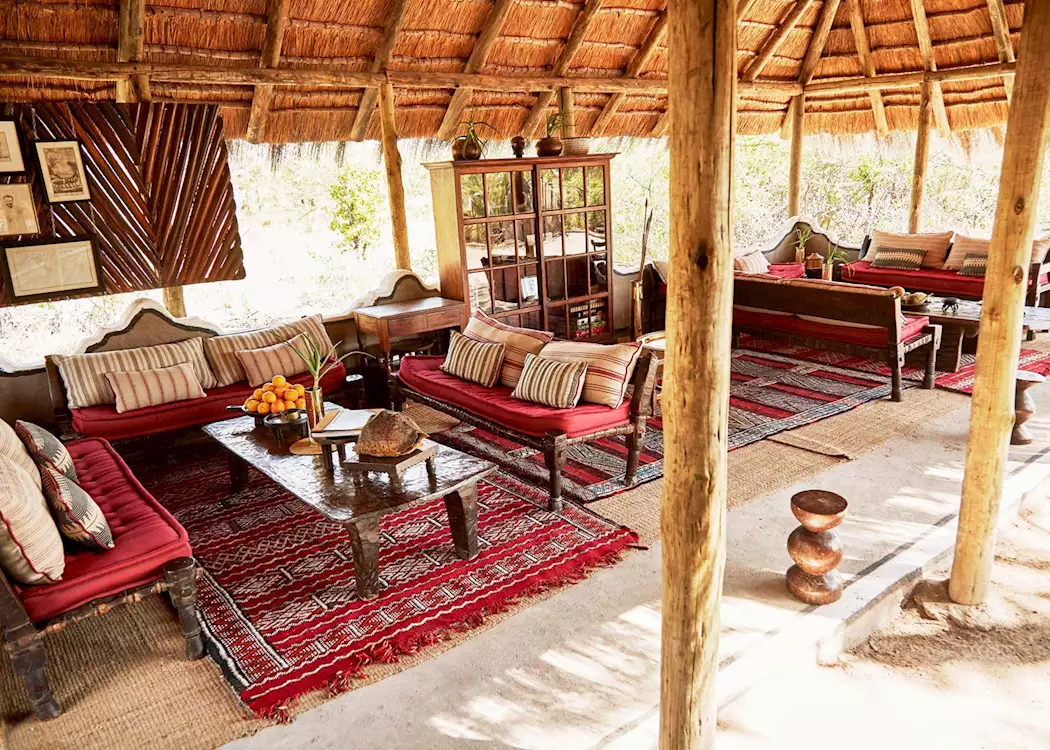
Camp staff, many from local communities, share stories of the landscape's ancient fossil beds during sundowners. These moments foster a sense of belonging, preparing travellers for the adventures ahead.

Camp Kalahari's tents perch like sentinels on dunes, where every dawn whispers promises of meerkat clans and cheetah dashes.
A Day in the Life: Morning Rituals and Meerkat Encounters
Dawn breaks with a soft glow over the Kalahari, rousing guests for early game drives. Coffee brews on the fire as trackers scan for fresh paw prints of cheetahs or lions. Vehicles depart by 5:30 am, navigating fossil riverbeds where aardvarks foraged the night before.
Meerkat Watches: Habitats and Behaviour
Camp Kalahari specialises in meerkat observations, approaching habituated clans on foot. These sentinel families emerge from burrows around 6 am, standing upright to survey for eagles. Travellers crouch nearby, witnessing sentries rotate duties in a display of social precision lasting up to an hour.
Guides explain how these clans, numbering 20-30 individuals, thrive in the arid conditions. May to September offers the clearest views, as sparse vegetation reveals their foraging for scorpions and beetles.
Breakfast Amid the Dunes
Returning by 9 am, breakfast unfolds on the dunes: fresh fruits, artisanal breads, and eggs cooked to order. Tables overlook the camp's waterhole, where bat-eared foxes might dart through.
Game Drives and Predator Tracking in the Kalahari
Midday siestas yield to afternoon drives starting at 4 pm, targeting the Kalahari's elusive predators. Spotlit night excursions, unique to Camp Kalahari, reveal leopards draping from trees and hyenas scavenging under stars. The dry season from May to September concentrates wildlife around scarce water sources, heightening encounters.
Cheetah hunts unfold in open pans, where coalitions sprint after springbok. Black-maned lions, fiercer than their northern kin, patrol territories spanning 400 square kilometres. Guides interpret tracks, predicting movements with uncanny accuracy honed over years.
Cheetah coalitions: Often three males cooperating on dawn hunts, success rates peak at 50% in dry months.
Leopard ambushes: Night drives spot 70% more sightings post-sunset, drawn to illuminated waterholes.
Lion prides: Up to 15 members, vocalising at dusk with roars carrying 8 kilometres.
These drives average 3-4 hours, with stops for gin-and-tonics amid golden light. Encounters Africa curates similar experiences across Okavango Delta safaris for varied desert-river contrasts.
Evening at Camp Kalahari: Bush Dinners and Stargazing
As night falls, the mess tent glows with lantern light, serving Kalahari-inspired cuisine: impala fillets with morogo greens, paired with South African wines. Communal tables encourage tales from the day's sightings, while jackal calls pierce the hush.
Bush dinners relocate to dune clearings, where chefs grill under the Milky Way. Dessert follows stargazing sessions, with guides pointing out southern constellations invisible from northern skies. Temperatures drop to 10°C in winter, making fleece blankets essential.
Retiring to tents, lion roars provide a primal lullaby. Solar lighting dims automatically, preserving the night's theatre.
Best Time to Visit Camp Kalahari: Seasonal Insights
The optimal period to visit Camp Kalahari spans May to September. Dry conditions transform the landscape into a crisp tableau, with animals congregating visibly around waterholes. Daytime highs reach 28°C, cooling to 5-10°C at night—perfect for cosy evenings.
Why May-September Excels for Wildlife
Post-rain greenery fades, exposing tracks and boosting predator success. Meerkats are most active, and migratory birds swell numbers by 40%. Avoid December-March rains, which flood pans and scatter game.
May-Jun: Mild days, first dune blooms.
Jul-Aug: Peak dryness, highest mammal densities.
Sep: Pre-rains, lush grasses return subtly.
This window aligns with Encounters Africa's tailored Botswana safari itineraries, maximising value through prime sightings.
In the Kalahari's dry heart, May to September unveils a predator's paradise, where every track tells a story of survival.
Practicalities: What to Pack and Expect
Layered clothing suits the diurnal swings: light cottons by day, fleeces by night. Binoculars (8x42 magnification ideal), torch with red filter, and neutral-toned gear minimise disturbance. Camp provides laundry, Wi-Fi is absent to enhance immersion.
Activities include optional quad bike safaris over dunes and guided walks tracing San rock art replicas. Health-wise, malaria risk is low; standard prophylactics suffice. Rates encompass all meals, drives, and transfers—typically £800-£1,200 per person nightly.
Conservation at Camp Kalahari
The camp supports anti-poaching via ranger funding and meerkat research. Solar power and water recycling underscore sustainability, with 100% of profits reinvested locally. Travellers contribute indirectly, bolstering habitats for 40,000 elephants traversing the reserve annually.
Why Camp Kalahari Captures the Kalahari Spirit
Camp Kalahari distils the Central Kalahari's essence into intimate, sensory-rich days. From meerkat sentries to leopard shadows, it delivers raw encounters absent in busier reserves. For those seeking solitude amid dunes, this is Botswana's unfiltered wild.
For discerning travellers desiring a private safari beyond set itineraries, contact Encounters Africa directly via our contact page. We specialise in designing exceptional, tailor-made journeys drawing on our network of distinguished camps, crafting seamless experiences around your preferences.
Read our Okavango Delta guide for complementary wetland adventures, or explore wildlife conservation insights in recent posts.
More like this
destination guides
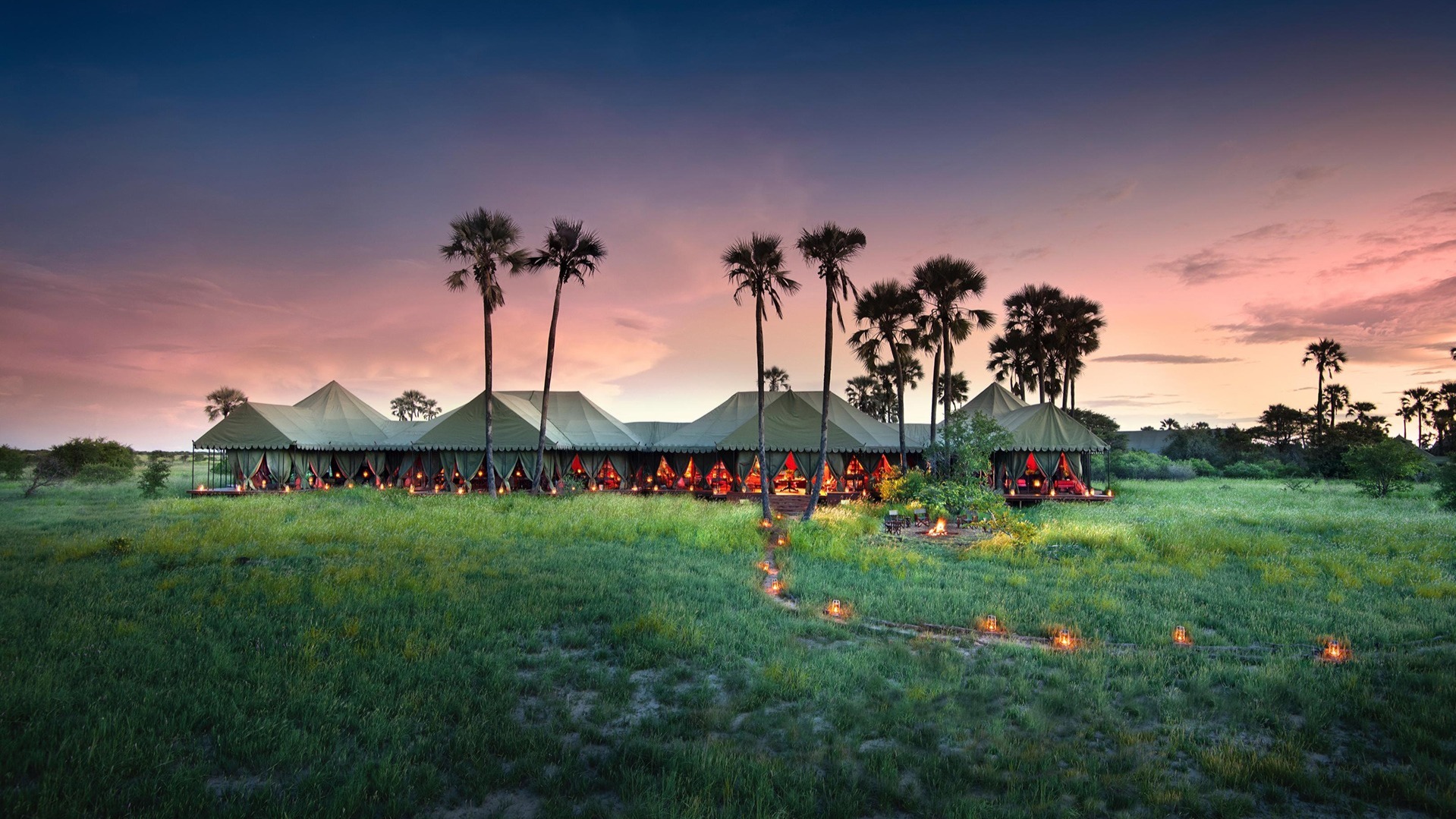
Botswana's Makgadikgadi Oasis: Inside a Week at Jack's Camp
destination guides
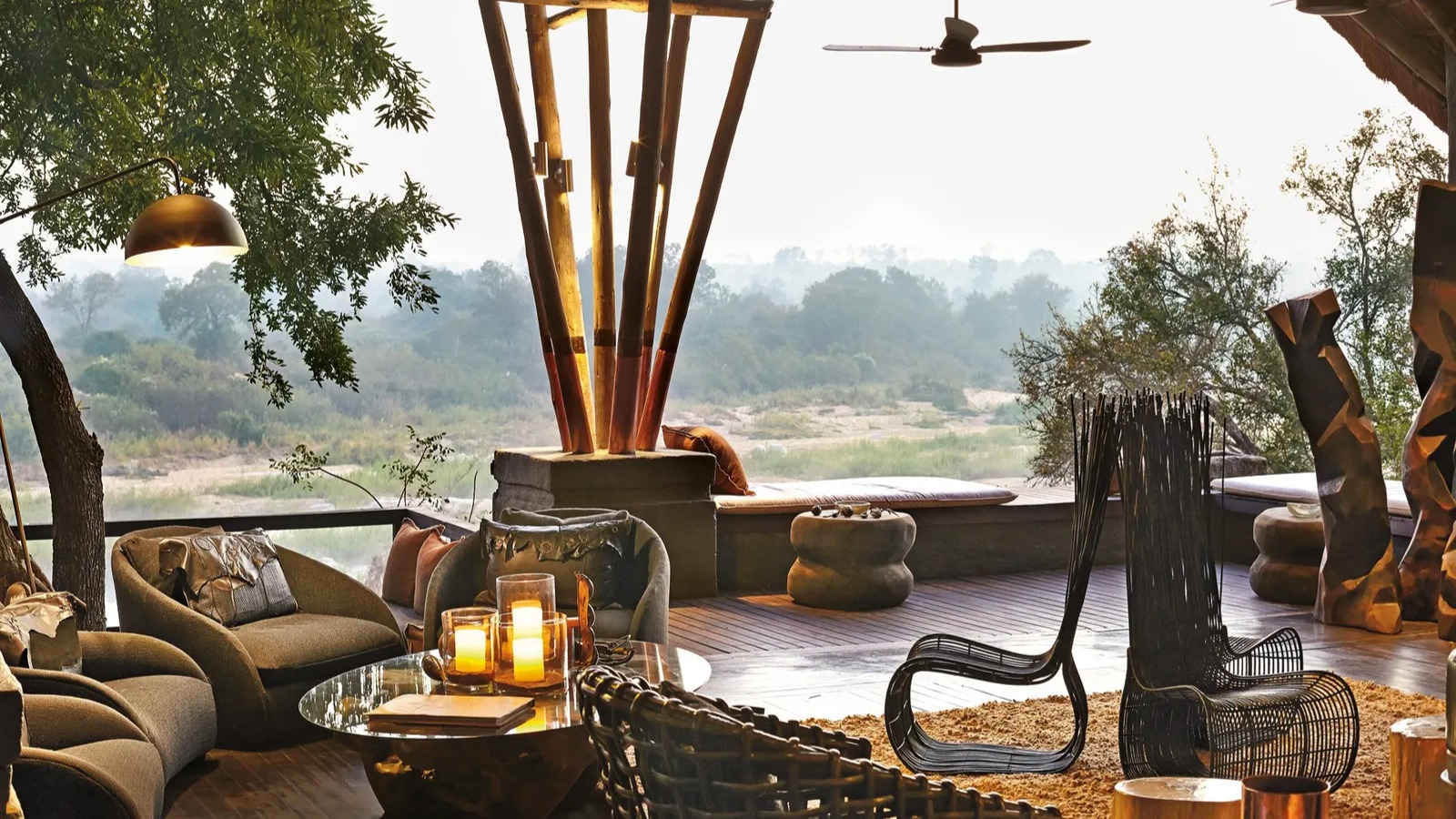
Boulders Lodge Secret: Rock Formations Reshape Predator Encounters
destination guides
Canoeing the Lower Zambezi: How Water Shifts the Pace of a Luxury Safari
destination guides
Canvas Amid the Migration: Inside Days at Singita's Explore Tented Camp
destination guides
Canvas Elegance in the Mara: Inside Encounter Camp's Tented Suites
destination guides