destination guides
Chobe's Dry-Season Elephant Concentrations and Why River Cruises Deliver the Closest Views
Encounters Africa - 7 min read
Updated on 31 August 2026
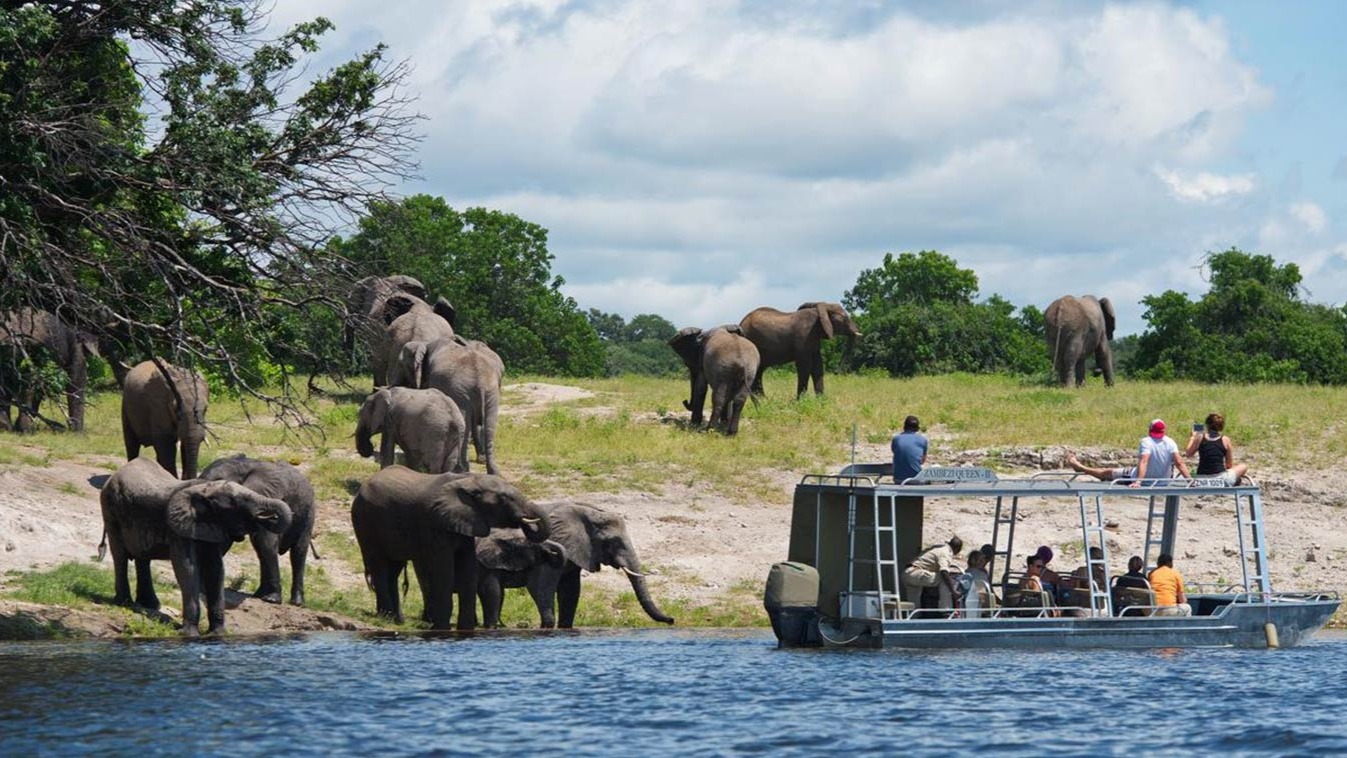
Chobe's dry-season elephant concentrations draw thousands of these intelligent giants to the life-giving waters of the Chobe River each year, creating one of northern Botswana's most memorable wildlife gatherings. From June to October, the riverbanks transform into a stage where family groups merge into herds that stretch along the shoreline, their rumbling calls echoing across the water while they drink, bathe and socialise in plain sight. This reliable spectacle makes the region a cornerstone for many Southern African safaris, especially when paired with the thunderous drama of nearby Victoria Falls.
Encounters Africa is the specialist arm of the Secret Namibia group and the Cape Town-based team for safaris beyond Namibia, covering South Africa, Botswana, Kenya, Tanzania, Rwanda, Uganda, Zambia and Zimbabwe with three decades of combined experience. We book directly with camps and lodges for tailor-made journeys for individuals, couples, families and private groups of up to eight guests across 81 published itineraries that can all be reshaped.
The Ecology Behind Chobe's Elephant Concentrations
As the dry season tightens its grip across northern Botswana, permanent water sources become magnets for wildlife. The Chobe River, fed by upstream rains in Angola, remains one of the few dependable lifelines in an otherwise parched landscape. Elephants, with their remarkable memory for routes and water points, converge here in ever-growing numbers, often exceeding 50,000 individuals in the broader ecosystem during peak months.
These gatherings reveal fascinating social dynamics. Matriarchs lead extended family units that merge into larger clans, allowing young bulls to test boundaries while females nurture their calves in relative safety. The river not only quenches thirst but becomes a vast playground where elephants submerge themselves, spray one another and use their trunks to dust their backs with protective mud.
The sight of several hundred elephants moving together along the Chobe River at sunset creates an almost primordial atmosphere, one that reminds every witness of the sheer scale and intelligence of these remarkable animals.
When is the Best Time to See Elephants in Chobe?
The best time to see elephants in Chobe is from July to October, when the dry season reaches its height and water sources away from the river have largely disappeared. During these months, elephant densities along the Chobe River Front peak, with herds often numbering in the hundreds visible from a single vantage point. Early morning and late afternoon offer the most active periods, as temperatures are cooler and animals move more freely between feeding areas and the water.
June marks the beginning of reliable concentrations, while November usually sees the first significant rains that disperse the herds back into the woodlands. February to April, by contrast, brings challenging conditions with thick vegetation and scattered water pans that make sightings less predictable and concentrated. Travellers should note that exact numbers fluctuate yearly based on regional rainfall patterns further north.
Why River Cruises Offer the Most Intimate Perspectives
Approaching elephants by water provides a perspective that land-based game drives simply cannot match. From the deck of a comfortable cruiser, visitors glide silently past bathing herds at eye level, often coming within metres of trunks scooping water or ears flapping lazily in the breeze. The absence of engine noise and the gentle current allow for remarkably close, calm encounters that feel almost participatory rather than observational.
Skilled skippers know exactly how to position vessels to observe without disturbance, whether watching a matriarch teaching her calf to cross deeper channels or witnessing the tender moments between siblings. Sunset cruises add another dimension, with the golden light transforming the river into a ribbon of reflected colour while hippos surface nearby and fish eagles call from the treetops.
Floating past a family of elephants as they drink creates an unforgettable sense of connection, the gentle lapping of water against the hull the only sound interrupting their contented rumbles.
Pairing Chobe with Victoria Falls: Practical Routing Options
The geographical proximity of Chobe National Park to Victoria Falls makes them natural companions on a multi-country journey. Just 90 minutes by road from Kasane, the falls offer a dramatic counterpoint to the serene riverine landscapes, with their thundering mists visible from both the Zambian and Zimbabwean sides. Many travellers choose to spend three or four nights in each destination, allowing time to experience both the intimate wildlife encounters and the raw power of one of the world's great natural wonders.
Light aircraft transfers between airstrips near the falls and Kasane simplify logistics, keeping journey times short and preserving energy for game viewing. Combining the two creates a rich contrast: the concentrated mammal viewing of the Chobe River Front followed by the geological spectacle and cultural experiences around the falls. For those seeking deeper immersion, private guiding can bridge both destinations seamlessly.
Our sample routing in the 11-day Iconic Zimbabwe Botswana Safari itinerary demonstrates how these experiences flow naturally together, balancing river cruises with walking safaris and sunset drinks overlooking the Zambezi.
Choosing the Right Camps and Experiences
Chobe River Front Lodges
Properties positioned directly on the Chobe River Front enjoy privileged access to the main elephant concentrations. Morning boat departures from these camps often encounter herds before other visitors arrive, while afternoon game drives explore the adjacent woodlands where smaller breeding herds and bachelor groups may be found. The best operators maintain small vehicle numbers to ensure minimal disturbance to the very animals guests have come to observe.
Deeper into Chobe National Park
For those wanting to escape the busier river corridor, camps in Savuti or Nogatsaa offer different but equally compelling experiences. Here, the focus shifts to predator-prey relationships around seasonal pans, with elephant sightings still frequent but in smaller, more dispersed groups. These areas reward travellers with a greater sense of wilderness and the possibility of witnessing interactions that rarely play out near the main tourist routes.
Whether drifting past bathing herds at first light or watching a dust-covered bull emerge from the treeline at dusk, Chobe delivers moments that linger long after the journey ends.
Conservation Context and Responsible Travel
The elephant population in northern Botswana represents one of Africa's largest and healthiest herds, yet it faces complex management challenges as human settlements expand along park boundaries. Revenue from responsible tourism helps fund anti-poaching efforts, community development projects and veterinary programmes that support both wildlife and the people who share this landscape.
Choosing operators who work closely with local communities and maintain high standards of ecological practice ensures that your visit contributes positively. Encounters Africa carefully selects partners who demonstrate genuine commitment to these principles, understanding that true luxury includes the knowledge that one's presence supports long-term conservation.
For deeper insights into luxury Chobe safaris, see our detailed exploration of Chobe National Park safaris.
Planning Your Chobe and Victoria Falls Safari
A thoughtfully designed journey through northern Botswana and the Zambezi region rewards travellers with contrasting experiences that together create a rich understanding of Southern Africa's natural heritage. The dry-season elephant concentrations along the Chobe River remain the centrepiece, enhanced by the perspective that only river cruises can provide, while Victoria Falls adds a powerful natural crescendo that few other combinations can match.
With careful timing and the right guiding, these landscapes reveal their secrets in ways that transform how we see both elephants and the environments they depend upon. The key lies in allowing sufficient time in each area rather than rushing between highlights, ensuring that each sighting and each sunset cruise can be properly absorbed.
For discerning travellers seeking a private safari beyond our set itineraries, we invite you to contact us directly. We specialise in designing exceptional, tailor-made journeys for individuals, couples, families, and private groups of up to eight guests. Drawing on our handpicked network of distinguished camps and lodges, we curate every detail with precision and care, creating a seamless, deeply personal safari experience shaped entirely around your preferences, pace, and budget.
More like this
destination guides
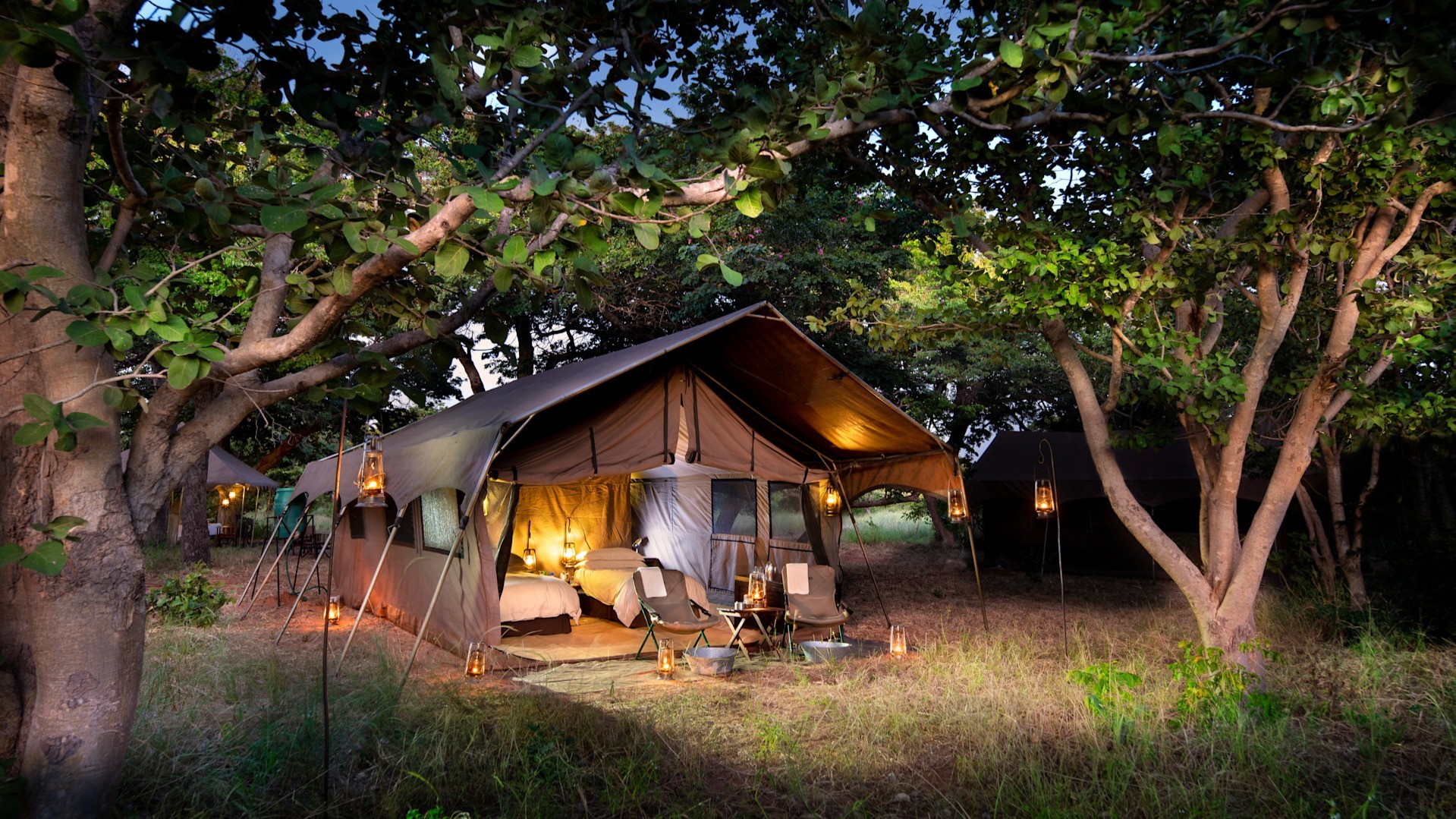
Chobe's Shifting Sands: A Week's Rhythm at Savute Under Canvas
destination guides
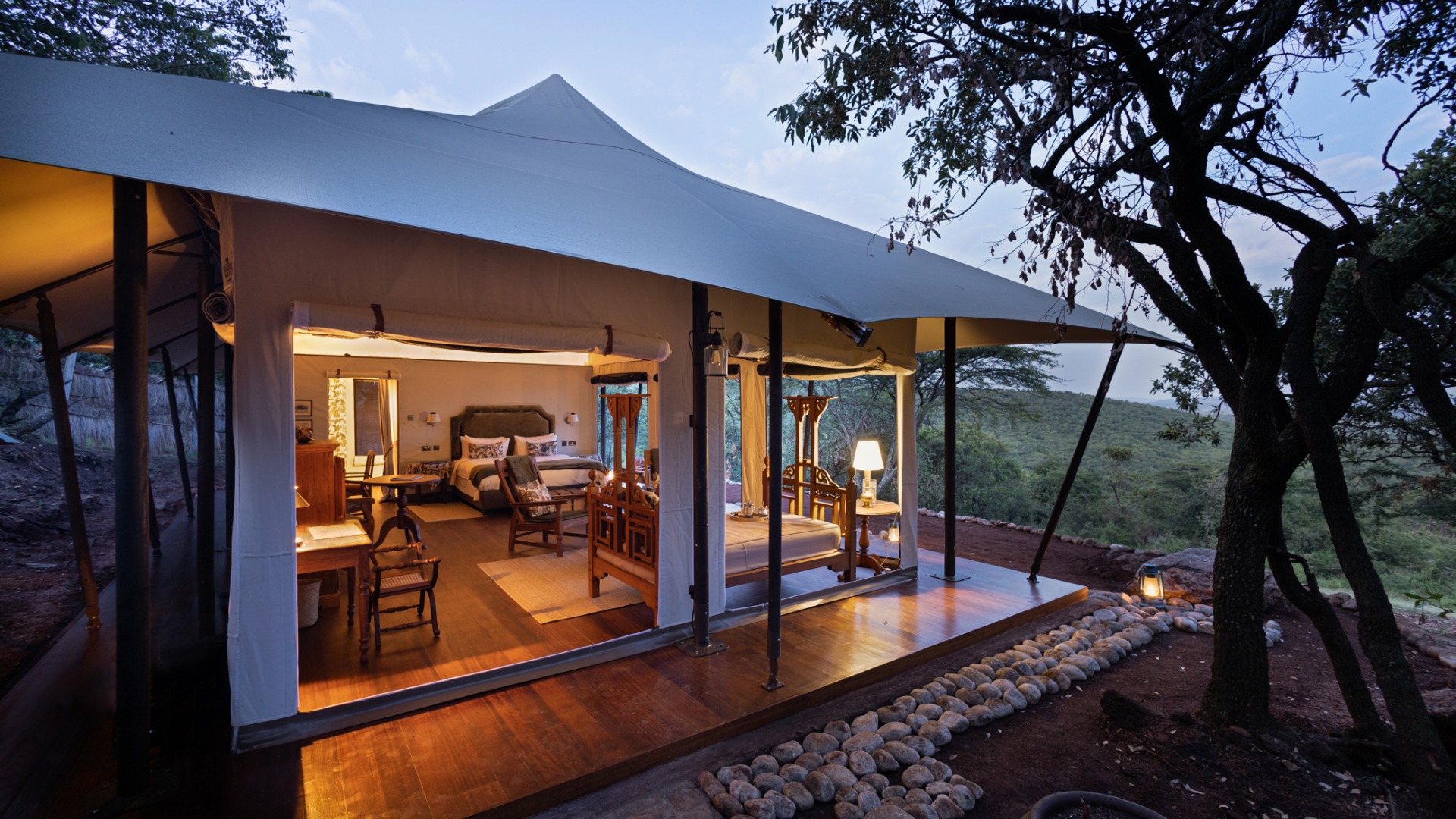
City Skies to Savannah Horizons: Charting Stays from Heathrow to Nairobi
destination guides
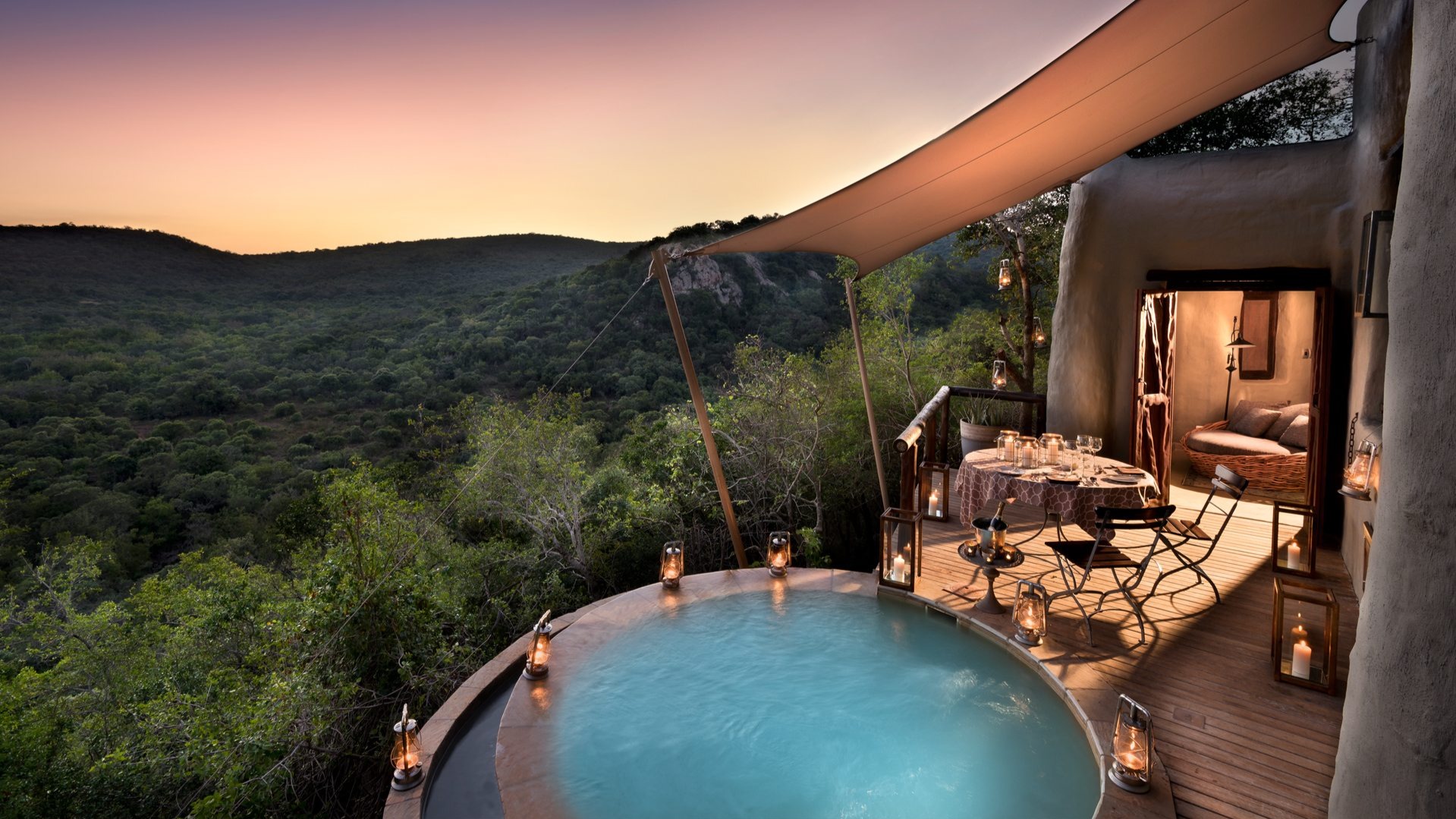
Clifftop Vantage at Phinda Rock Lodge: A South African Safari Chronicle
destination guides
Coastal Calm at Neptune Pwani: Inside the Resort's Beachfront Rooms and Spa
-cropped.jpg)
destination guides
Coastal Quiet at GweGwe Beach Lodge: An On-Site Report
destination guides