destination guides
Echo Base Essentials: Access, Accommodations and Daily Routines
Encounters Africa - 5 min read
Updated on 11 May 2026
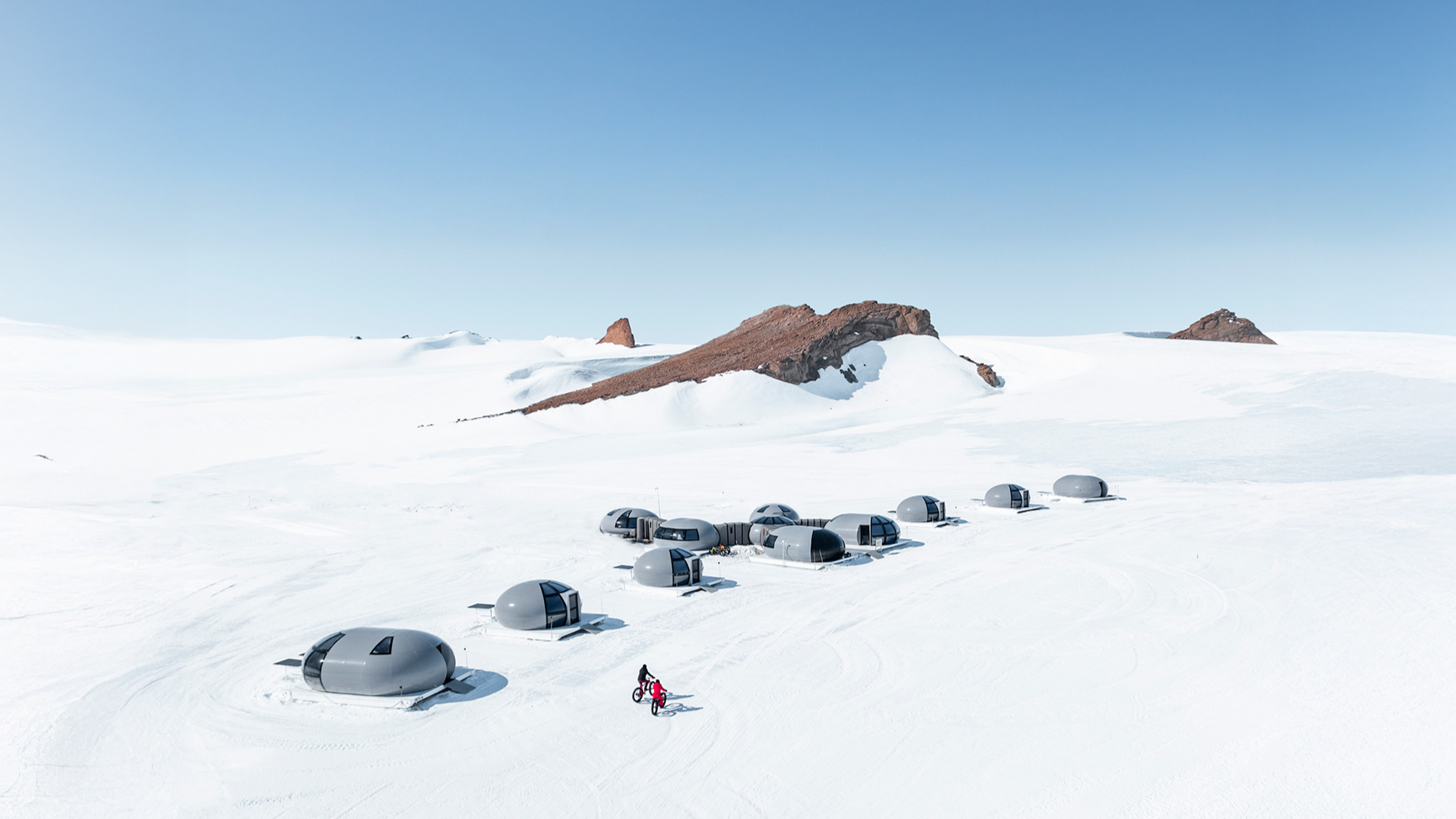
Reaching Echo Base, a cutting-edge research outpost on Antarctica's remote Weddell Sea coast, demands meticulous planning and a sense of adventure. This station serves as a hub for polar science, welcoming select travellers to immerse themselves in its operations amid vast ice fields and perpetual twilight. Fly from Punta Arenas for insulated stays, aurora viewings and emperor penguin tracks, with heated modules ensuring year-round comfort.
Encounters Africa partners with specialist operators to facilitate access to such extraordinary destinations, blending rigorous science with luxurious polar exploration. Guests contribute to data collection while savouring the stark beauty of the White Continent. The best time to visit Echo Base aligns with the austral summer from November to February, when daylight stretches endlessly and wildlife thrives.
Getting to Echo Base: Logistics from the Gateway Cities
Access to Echo Base begins in Punta Arenas, Chile, the primary southern gateway for Antarctic expeditions. Commercial flights from Santiago land at Presidente Carlos Ibáñez del Campo International Airport, followed by a charter flight or ice-strengthened vessel across the Drake Passage. Travel time averages 2-3 days, with Encounters Africa coordinating seamless transfers for a stress-free arrival.
Alternative routes depart from Ushuaia, Argentina, offering zodiac landings or ski-equipped aircraft to the blue-ice runway near the base. Expect thorough medical screenings and gear fittings beforehand—essential for temperatures dipping to -30°C. The South Africa connection via Cape Town provides additional charter options for extended journeys.
Weather remains the ultimate decider; 70% of flights proceed on schedule during peak season. Pack layers of merino wool, Gore-Tex shells, and insulated boots provided on-site.
"From Punta Arenas' windswept airstrip to Echo Base's glowing modules, the journey ignites a profound connection to Earth's frozen frontier."
Accommodations at Echo Base: Comfort in Extreme Conditions
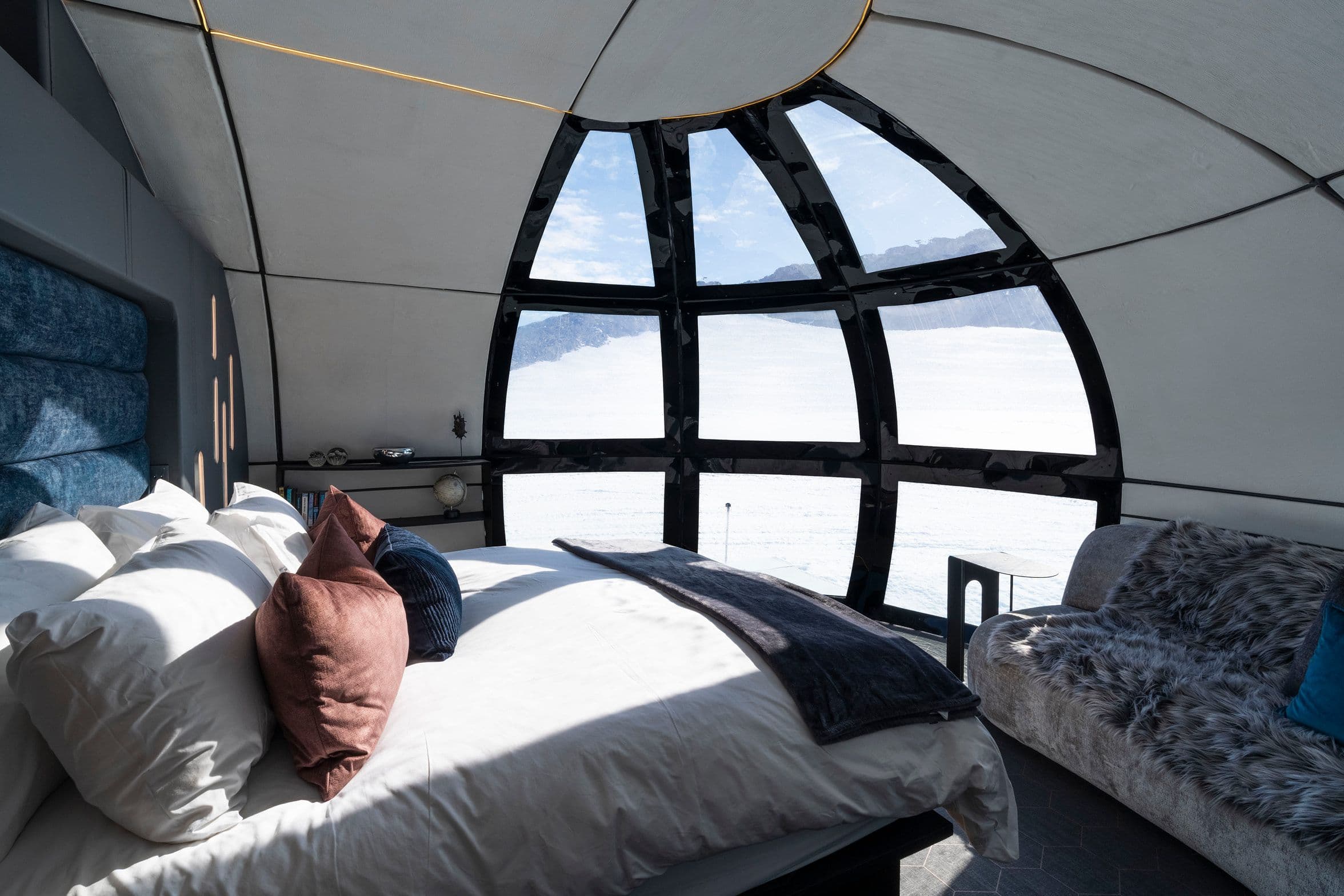
Echo Base features 12 heated guest modules, each accommodating two to four visitors in climate-controlled bunks with memory-foam mattresses and en-suite facilities. Solar-powered underfloor heating maintains 22°C interiors, contrasting the howling gales outside. Private pods offer panoramic windows for aurora borealis displays, turning nights into celestial spectacles.
Communal areas include a geodesic lounge with leather seating, a library stocked with polar histories, and a mess hall serving fresh meals—think king crab bisque, slow-cooked lamb shanks, and hydroponic salads. Wastewater recycling and zero-emission generators underscore the station's sustainability ethos.
Module Types and Amenities
Standard Pods: Twin bunks, shared lounges, ideal for solo travellers or couples seeking immersion.
Family Suites: Quad occupancy with separate sleeping areas, equipped with child-friendly science kits.
Premium Vistas: Floor-to-ceiling glass for emperor penguin observations, private saunas for post-expedition recovery.
Daily housekeeping ensures pristine conditions, with laundry services using eco-friendly detergents. Wi-Fi, though bandwidth-limited, supports journal uploads and video calls home.
Daily Routines: A Day in the Life at Echo Base
Mornings at Echo Base dawn with the station's alarm at 0630, followed by a briefing in the operations dome. Guests join researchers for tasks like snow sampling or drone deployments over ice shelves. Breakfast fuels the day with porridge, fresh berries airlifted from Chile, and strong coffee.
Afternoons split into field excursions—skiing to penguin rookeries or zodiac trips to tabular icebergs—and lab sessions analysing krill populations. Evenings wind down with science talks, stargazing from the observatory deck, and optional yoga in the heated atrium.
Sample Daily Schedule
0700-0900: Morning brief and field prep; spot Adélie penguins en route.
1000-1300: Data collection—seal censuses or ice core extractions.
1400-1600: Lunch and lab analysis; learn meteorology from on-site experts.
1700-2000: Free time for skiing, photography, or aurora vigils.
2100: Debrief dinner and storytelling around the communal fire pit.
Echo Base transforms visitors into citizen scientists, where every footprint contributes to safeguarding Antarctica's fragile ecosystem.
Participating in Research: Hands-On Science Opportunities
What sets Echo Base apart is its citizen science programme, where travellers assist in real-time data gathering. Deploy acoustic buoys to track humpback whale migrations or classify satellite imagery for sea ice extent—tasks that directly inform global climate models. No prior expertise required; researchers provide one-on-one training.
Seasonal highlights include emperor penguin chick counts in December, when 5,000 birds waddle within 2km of the base. Guests log behavioural data via apps, contributing to a dataset spanning 15 years. Encounters Africa ensures these experiences align with extreme environment lodges elsewhere in our portfolio.
Safety protocols are paramount: all outings use Iridium sat-phones, GPS beacons, and polar-rated clothing. Over 95% of participants report profound personal growth from these engagements.
Wildlife and Natural Wonders Around Echo Base
The Weddell Sea teems with life, from Weddell seals hauling out on pressure ridges to orcas patrolling polynyas. Emperor penguin colonies, numbering up to 10,000 individuals, stage dramatic chick-rearing displays against snow-blanketed backdrops. Keep eyes peeled for snow petrels wheeling overhead.
Auroras dance vividly from May to August, with geomagnetic activity peaking under clear skies. Iceberg graveyards, sculpted by millennium-old glaciers, offer mesmerising zodiac cruises. The base's location on the Ronne Ice Shelf provides front-row seats to calving events, rivalled only by Okavango Delta wildlife spectacles in diversity.
Photography enthusiasts thrive here; tripods stabilise against katabatic winds for crisp shots of midnight sunsets.

Practical Tips for Your Echo Base Journey
Best Time to Visit Echo Base: November to February offers 24-hour daylight, milder -10°C averages, and peak wildlife activity. Avoid winter unless chasing auroras, as blizzards ground flights.
Prepare with vaccinations for yellow fever (via South America transit) and comprehensive travel insurance covering evacuation. Budget £25,000-£40,000 for a 10-day stay, all-inclusive. Encounters Africa crafts bespoke itineraries, linking Echo Base to South Africa safaris for a southern hemisphere odyssey.
Essential Gear: Thermals, UV-protective sunglasses, lip balm with SPF 50.
Health: Acclimatise in Punta Arenas; hydrate relentlessly.
Packing Limit: 20kg checked baggage for flights.
Why Choose Echo Base with Encounters Africa
Echo Base stands as a pinnacle of polar travel, merging luxury comforts with meaningful science. From dawn briefings to aurora-lit evenings, every moment deepens appreciation for Antarctica's wild purity. Encounters Africa elevates this with insider access and personalised planning.
For discerning travellers seeking private journeys beyond set itineraries, contact us directly. We specialise in designing exceptional, tailor-made experiences drawing on our network of distinguished polar outposts. Enquire today to craft your Echo Base adventure.
More like this
destination guides
Echoes from Akagera: Life in Wilderness Magashi Camp's Riverside Tents
destination guides
Echoes from Azura Benguerra: A Guest's Island Journal
destination guides
Echoes from the Dunes: Living the Rhythm at The Motse Tswalu
destination guides
Echoes from the Kalahari: Journal of a Night at San Camp
destination guides
Echoes from the Mist: A Stay at Singita Kataza House
destination guides