destination guides
How Water Levels Transform Victoria Falls Across the Seasons
Encounters Africa - 8 min read
Updated on 31 August 2026
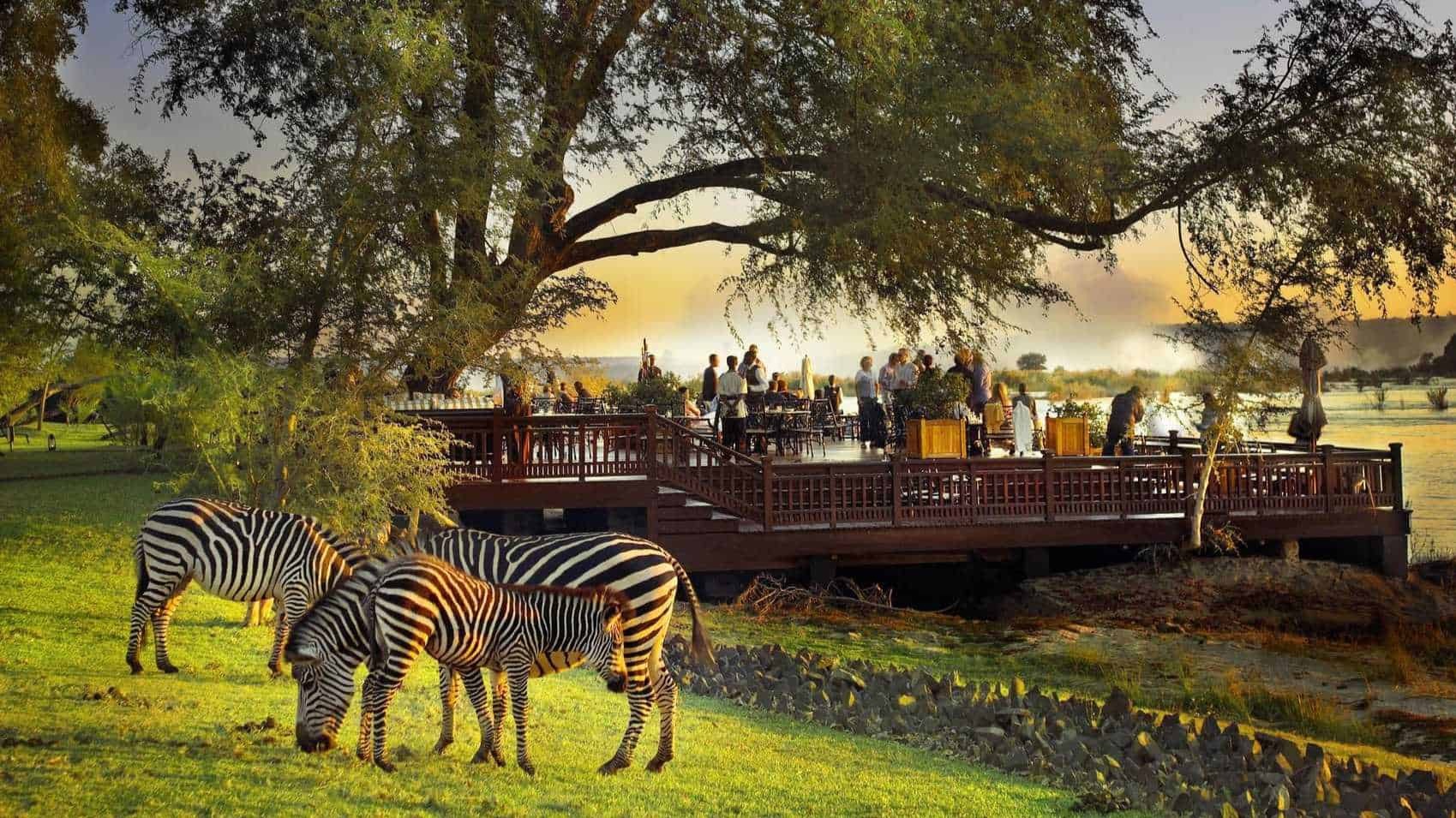
Victoria Falls water levels transform the experience of one of Africa’s most iconic natural wonders throughout the year, shifting from a thunderous curtain of spray in the wet months to dramatic rock formations and calmer flows as the dry season advances. This variation influences not only the visual drama but also the atmosphere on both the Zimbabwean and Zambian sides, while positioning the Falls as a natural gateway to wider Southern African journeys that can incorporate Hwange’s renowned elephant populations and beyond. From thunderous high-water drama to exposed rock formations that reveal ancient geology, Victoria Falls shifts character dramatically through the year.
Encounters Africa is the specialist arm of the Secret Namibia group for safaris across South Africa, Botswana, Kenya, Tanzania, Rwanda, Uganda, Zambia and Zimbabwe; we are Cape Town based with three decades of combined experience, book directly with camps and lodges, and create tailor-made itineraries for individuals, couples, families and private groups of up to eight guests using our library of 81 published routes that can all be reshaped. This comprehensive guide explores how seasonal water fluctuations shape your visit while comparing access and viewpoints on each bank of the Zambezi.
Seasonal Changes in Water Flow at Victoria Falls
The Zambezi River’s annual cycle drives profound transformations at Victoria Falls. Peak floodwaters arrive after the regional rainy season, sending immense volumes crashing into the gorge and creating a misty veil that can obscure the full breadth of the cataract. By contrast, the low-water months expose basalt cliffs and allow closer approaches to individual cascades, revealing the geological story written over millennia.
These shifts affect more than aesthetics. High water generates a constant roar audible from several kilometres away, while the spray creates its own microclimate that sustains lush rainforest vegetation right up to the edge. Travellers who time their visit carefully can witness both faces of this natural spectacle within a single extended journey.
The rhythm of the Zambezi reminds us that Africa’s greatest wonders are never static; each season offers its own distinct conversation with the landscape.
Understanding the Zambezi’s Annual Cycle
Rainfall in the upper catchment areas of Angola and western Zambia feeds the river’s dramatic seasonal pulse. Water takes roughly two months to travel from the catchment to the Falls, creating a predictable yet powerful lag between local rains and peak flood levels downstream. This delay shapes everything from the intensity of the spray to the accessibility of walking paths along the gorge.
When is Victoria Falls at its fullest?
Victoria Falls reaches its fullest between April and July, with peak water volumes typically recorded in May. This period follows the height of the rainy season in the upper Zambezi catchment, when the river can discharge more than 600,000 cubic metres of water per minute over the 1.7-kilometre-wide lip. During these months the Falls become a solid wall of water, the spray often rises over 400 metres, and the iconic Knife Edge Bridge on the Zambian side may be closed due to flooding. By August the levels begin a steady decline, reaching their lowest point around November before the cycle begins again with the onset of new rains.
Comparing the Zimbabwean and Zambian Sides
Both countries offer compelling perspectives on the Falls, yet the experience differs in meaningful ways. The Zimbabwean side provides the broader, more panoramic views across the full width of the cataract, particularly from the iconic viewpoints along the rainforest trail. Here, visitors can walk almost the entire length of the Falls, gaining intimate encounters with individual sections such as the Devil’s Cataract and Rainbow Falls.
The Zambian side, by contrast, allows closer proximity to the eastern sections and the opportunity to stand literally on the edge of the abyss at the Danger Point. When water levels permit, visitors can even swim in the famous Devil’s Pool, a natural rock pool right at the lip of the Falls. Access between the two sides is straightforward via the border bridge, allowing travellers to experience both during a single day or across consecutive nights.
Choosing between the Zimbabwean and Zambian banks is less about better or worse than about selecting complementary experiences that together reveal the Falls’ many moods.
Practical Considerations for Each Side
Entry fees, opening hours and available activities vary slightly between the two countries, with Zimbabwe generally offering more extensive walking trails and interpretive signage. Zambia excels in high-adrenaline options such as gorge swinging and white-water rafting below the Falls when conditions allow. Both sides maintain well-maintained facilities, though visitor numbers can fluctuate according to international travel patterns and regional stability.
Linking Victoria Falls with Hwange National Park
Just a few hours’ drive or a short light-aircraft flight from the Falls lies Hwange, Zimbabwe’s largest national park and one of Southern Africa’s premier elephant destinations. The park’s vast teak woodlands and seasonal pans support one of the continent’s largest elephant populations, with herds often numbering in the hundreds during the dry months when surface water becomes scarce.
This natural pairing creates a seamless transition from the power of falling water to the quieter drama of wildlife concentrated around dwindling water sources. Early morning and late afternoon game drives in Hwange frequently reveal not only elephants but also impressive populations of buffalo, zebra, giraffe and the park’s healthy predator numbers, including lion prides that have adapted to the local terrain.
Combining the two destinations allows travellers to witness both geological forces and living landscapes within a compact timeframe, making efficient use of international flight connections into Livingstone or Victoria Falls airports.
Building a Wider Southern African Safari Route
Victoria Falls functions as an exceptional anchor for more ambitious Southern African journeys. From here, seamless connections lead into Botswana’s Chobe River Front for legendary elephant gatherings or further into the Okavango Delta for wetland explorations. Southward routes can incorporate Hluhluwe-Imfolozi Park or private reserves in South Africa, while northward extensions reach into Zambia’s national parks or even further to primate-rich forests.
Our approach at Encounters Africa draws on direct relationships with carefully selected camps and lodges to craft these multi-country experiences. Whether combining the Falls with a stay at Chobe Game Lodge or extending into Hwange’s private concessions, each itinerary is shaped around individual interests, preferred pace and optimal seasonal timing.
A well-designed Southern African journey treats Victoria Falls not as a standalone destination but as the dramatic opening chapter in a story that unfolds across landscapes and cultures.
Sample Routing Options
Many travellers begin in Cape Town before flying to Victoria Falls, then continue by light aircraft to Hwange or directly into Botswana. A typical two-week itinerary might allocate three nights at the Falls, four nights in Hwange, and the remainder exploring neighbouring wildlife areas. These routes can be tailored further according to specific interests in photography, birding, cultural interaction or simply absorbing the changing African scenery.
Planning Your Visit: Practical Advice
Successful timing depends on what you wish to witness most. High-water visitors should prepare for wet conditions and restricted viewpoints, while low-water months offer better photographic opportunities of the rock face and easier access to the base of the gorge. Packing accordingly with both sun protection and waterproof layers ensures comfort regardless of season.
Health requirements, including malaria prophylaxis for certain months, and visa arrangements between Zimbabwe and Zambia should be confirmed well in advance. Professional guides on both sides enrich the experience by explaining the complex hydrology and the rich cultural history surrounding this natural landmark.
Experiencing Victoria Falls as Part of Your African Journey
Victoria Falls remains one of those rare places where nature’s scale still inspires genuine awe, yet its greatest gift may be the way it opens doors to the remarkable diversity of Southern Africa. Whether you encounter the Falls in full flood or during the quieter months when every contour of the ancient basalt is revealed, the experience resonates long after you depart.
By understanding the seasonal rhythms of the Zambezi and the complementary attractions that lie nearby, travellers can craft journeys that balance spectacle with serenity, water with wildlife, and movement with moments of profound stillness. For discerning travellers seeking a private safari beyond our set itineraries, we invite you to contact us directly. We specialise in designing exceptional, tailor-made journeys for individuals, couples, families, and private groups of up to eight guests. Drawing on our handpicked network of distinguished camps and lodges, we curate every detail with precision and care, creating a seamless, deeply personal safari experience shaped entirely around your preferences, pace, and budget.
Read our related article on a Namibia Victoria Falls safari for further inspiration, or explore a sample 17-day Namibia, Chobe and Vic Falls luxury fly-in safari. To begin shaping your own Southern African adventure, please visit our enquiry form and allow Encounters Africa to design a journey that captures the many moods of this remarkable region.
More like this
destination guides
Inside Hotel No. 5: A Day Unfolds in Urban African Elegance
_quality(80)-cropped.jpg)
destination guides
Inside Ngorongoro Crater: Geology, Rhino and the Right Time to Descend
destination guides
Intimate Encounters: A Stay at Four Gorillas Lodge Recounted
destination guides
Intimate Escapes: A Day-by-Day Look Inside The Retreats at Sayari Camp
destination guides
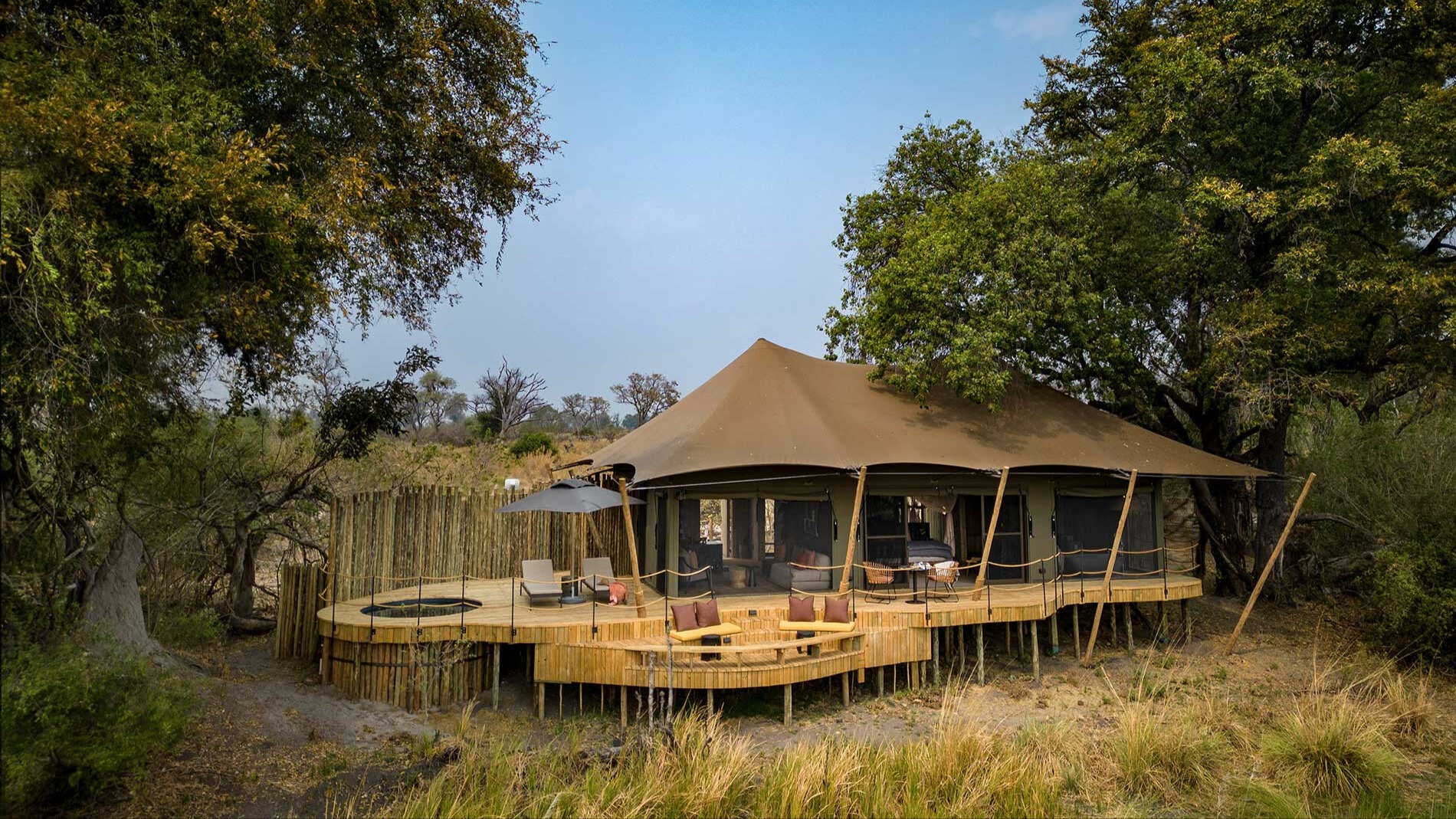
Island Echoes in the Okavango: Life at North Island Camp
destination guides