destination guides
Kenya Private Conservancies or National Reserves: Which Delivers the Experience Repeat Visitors Seek
Encounters Africa - 8 min read
Updated on 31 August 2026
Private conservancies in Kenya give operators tighter control over visitor numbers, allowing night drives, walking safaris and off-road game viewing that national reserves rarely permit. In Laikipia this model creates intimate encounters with species like reticulated giraffe and Grevy’s zebra, often suiting those who have already ticked off the classic parks.
Kenya’s private conservancies versus its national reserves present one of the most important choices facing repeat travellers planning a safari. Where national reserves such as the Masai Mara National Reserve deliver sweeping plains and the drama of large-scale migrations, conservancies emphasise exclusivity, flexibility and deeper connection with the land. This distinction becomes especially pronounced in the Laikipia plateau, where community-owned lands have been transformed into thriving wildlife areas that reward those seeking something beyond the first-time checklist.
The difference is not merely in the landscape, but in the freedom to experience it on foot at dawn, by vehicle after dark, and without the distant drone of twenty other engines.
What is a private conservancy in Kenya?
A private conservancy in Kenya is a protected area formed when landowners, often local communities or private individuals, voluntarily set aside their land for conservation and low-impact tourism. Unlike national reserves managed by the Kenya Wildlife Service, conservancies operate under agreements between local communities, private operators and conservation organisations. This model allows the landowners to generate income from tourism while maintaining control over how many visitors enter their land.
In practice this means strict limits on the number of vehicles allowed in an area at any one time, often as few as two or three vehicles per 5,000 hectares. The conservancy model also permits activities that are heavily restricted or prohibited inside national parks and reserves, including night drives, walking safaris and off-road driving. Revenue from tourism is shared directly with the community, creating a powerful incentive for local people to protect wildlife rather than convert land for agriculture or livestock.
This structure has proven particularly successful across Laikipia, where more than 40 conservancies now cover over 350,000 hectares. The result is a mosaic of habitats that support endangered species rarely seen in such numbers elsewhere in Kenya.
Vehicle Limits and Crowding: A Tale of Two Experiences
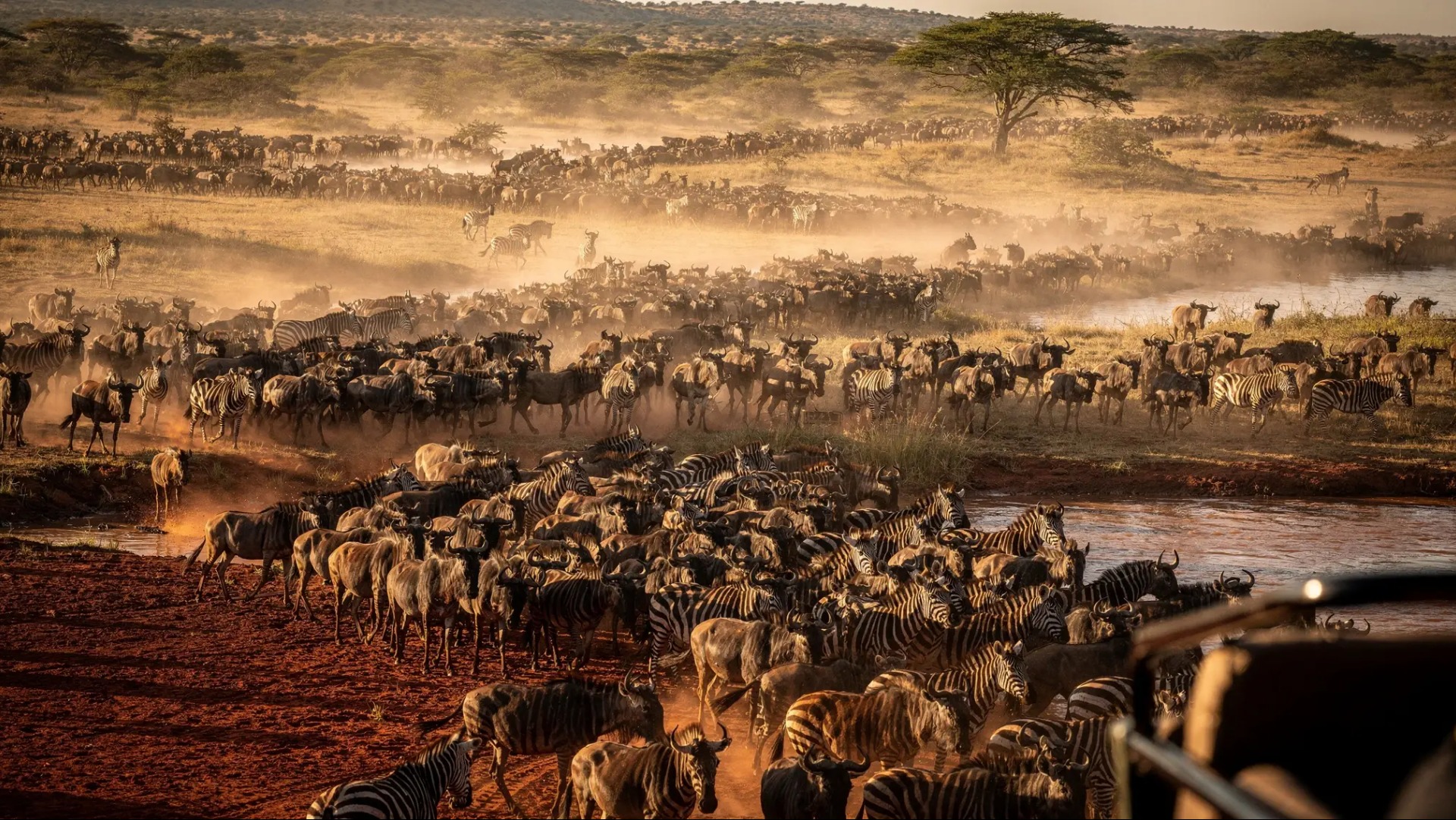
In Kenya’s national reserves, vehicle numbers are regulated but can still reach significant levels during peak season. The Masai Mara National Reserve, for example, may see dozens of vehicles converging on a single sighting, particularly when lions are hunting or cheetahs have made a kill. While this can create an electric atmosphere, it often diminishes the sense of wilderness that many travellers crave on a return visit.
Private conservancies operate on a far more exclusive basis. Most maintain a policy of no more than one vehicle per sighting, with radio silence between guides to preserve the quiet. In Laikipia’s Laikipia conservancies, this translates to vast areas where you might spend an entire morning without seeing another vehicle. The difference in atmosphere is immediate: the sounds of the bush return, and the animals behave with noticeably less caution.
Return visitors frequently remark that the absence of crowds allows them to truly inhabit the landscape rather than simply observe it.
This lower density also means guides can linger at a sighting for as long as it remains interesting, rather than feeling pressure to move on for the next group. For photographers especially, the ability to wait for perfect light without interruption often proves transformative.
Night Drives, Walking Safaris and Off-Road Freedom
One of the clearest advantages of Kenya’s private conservancies lies in the activities they permit after dark and on foot. National reserves typically close their gates at sunset and prohibit night driving, limiting visitors to the well-trodden daylight hours. In contrast, conservancies embrace the nocturnal world, revealing a completely different cast of characters under starlight.
In Laikipia, night drives frequently produce sightings of aardvark, porcupine, and the elusive leopard hunting in the cool hours. The use of spotlights is carefully controlled, yet the experience of watching a family of bushbabies leap between acacias or a serval pouncing on rodents creates memories that daylight hours simply cannot match.
Walking safaris offer another compelling distinction. While national reserves generally restrict walking to specific areas with armed rangers, conservancies integrate foot exploration as a core part of the experience. Skilled guides read the ground with intimate knowledge, pointing out tracks, medicinal plants, and the subtle signs that reveal the day-to-day lives of creatures rarely noticed from a vehicle. In the golden light of early morning, walking among Laikipia’s reticulated giraffe herds feels both humbling and exhilarating.
Off-road driving adds yet another dimension. Where national reserves require vehicles to remain on marked tracks, conservancies allow experienced guides to follow animals across open ground when conditions permit. This flexibility often leads to closer, more intimate encounters and the ability to position vehicles for the best photographic angles without disturbing the wildlife.
Laikipia: Where the Conservancy Model Shines
The Laikipia plateau stands as one of Kenya’s most successful examples of the conservancy approach. Spanning roughly 9,500 square kilometres north of the Aberdares, this elevated landscape of acacia woodland, grassland and rocky kopjes supports extraordinary wildlife densities. Here, private conservancies have created a vital refuge for species that struggle elsewhere.
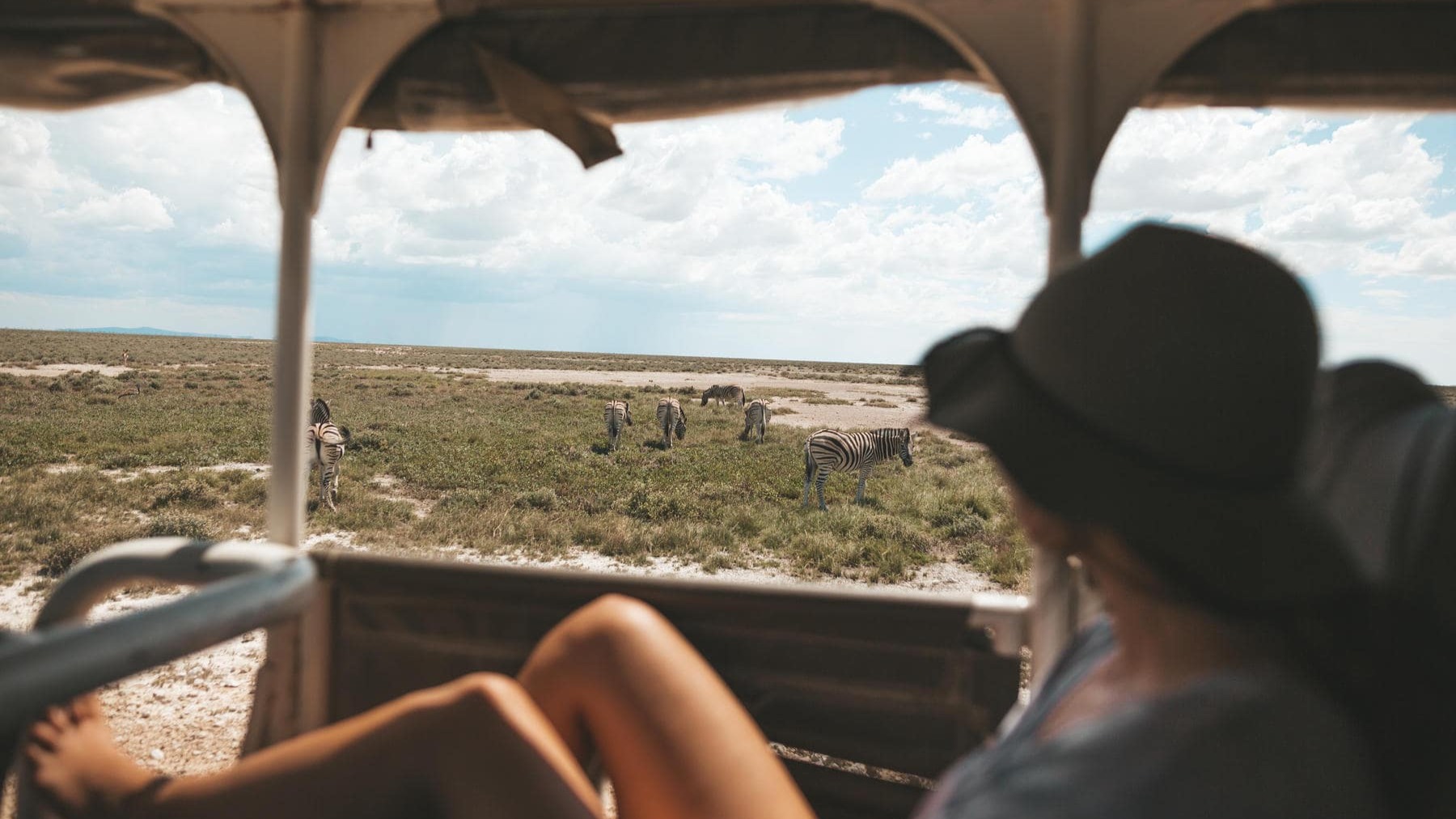
Grevy’s zebra, with their elegant narrow stripes and large rounded ears, find sanctuary across several Laikipia properties. The reticulated giraffe, recognisable by its intricate geometric markings, moves freely between conservancies in numbers that few other regions can match. African wild dogs, among Africa’s most endangered carnivores, have established several successful packs thanks to the connected nature of these lands.
Properties such as those within the Ol Pejeta Conservancy demonstrate how tourism revenue directly funds anti-poaching teams, veterinary care and community development projects. The model has helped Laikipia become a critical corridor for elephants moving between Mount Kenya and the northern rangelands, with more than 6,000 individuals using the plateau seasonally.
Why Repeat Travellers Often Choose Conservancies
Those returning to Kenya after an initial safari in the national reserves frequently seek experiences that build upon their first impressions rather than simply repeating them. Having witnessed the wildebeest migration and spotted the Big Five, many now yearn for intimacy, knowledge and a stronger connection to conservation.
Conservancies deliver precisely this. The reduced vehicle presence allows for genuine interaction with guides, who can share detailed ecological insights without the pressure of multiple vehicles waiting behind. The freedom to explore on foot or after dark creates entirely new dimensions to wildlife observation that first-time visitors often overlook.
Many repeat travellers also appreciate knowing their presence directly benefits local communities. In Laikipia, conservancy fees help fund schools, health clinics and livestock management programmes that reduce conflict between people and wildlife. This tangible link between tourism and conservation resonates strongly with those who have seen the pressures facing African landscapes.
After the initial thrill of seeing lions on a kill, many travellers discover that true satisfaction comes from understanding the delicate web that sustains such moments.
Practical Considerations for Choosing Your Kenyan Safari
Both national reserves and private conservancies have their place in a well-designed Kenyan itinerary. First-time visitors often benefit from the accessibility and guaranteed wildlife concentrations of the Masai Mara National Reserve or Amboseli National Park. Yet for those planning a second or third journey, incorporating time in conservancies, particularly in Laikipia, frequently proves more rewarding.
The best time to visit Laikipia’s conservancies runs from June to October and December to March, when dry conditions concentrate wildlife around water sources. Rainfall patterns vary annually, so flexible planning remains essential. Conservancy accommodation tends toward intimate, high-end camps with no more than twelve tents or rooms, ensuring personalised service that larger lodge operations in national reserves cannot always match.
Combining both models often delivers the richest experience. A few days in the national reserve to witness large-scale wildlife spectacles followed by extended time in a Laikipia conservancy allows travellers to appreciate the contrast while enjoying the advantages of each system.
Planning Your Kenyan Conservancy Safari with Experts
Encounters Africa is part of the Secret Namibia group and is the specialist arm for safaris beyond Namibia, covering South Africa, Botswana, Kenya, Tanzania, Rwanda, Uganda, Zambia and Zimbabwe. Drawing on three decades of combined experience, the Cape Town-based team books directly with camps and lodges rather than through layers of agents. This approach allows for genuine flexibility when shaping journeys around 81 published itineraries that can all be reshaped for individuals, couples, families and private groups of up to eight guests.
Whether you seek the drama of the national reserves or the intimate encounters possible in Laikipia’s conservancies, a thoughtfully designed itinerary makes all the difference. For discerning travellers seeking a private safari beyond our set itineraries, we invite you to contact us directly. We specialise in designing exceptional, tailor-made journeys for individuals, couples, families, and private groups of up to eight guests. Drawing on our handpicked network of distinguished camps and lodges, we curate every detail with precision and care, creating a seamless, deeply personal safari experience shaped entirely around your preferences, pace, and budget.
Explore our luxury safaris to understand how these journeys come together, or read our guide on how to plan a luxury safari that matches your vision. When you are ready to begin shaping your own Kenyan experience, please visit our enquiry form and allow us to create something exceptional for you.
More like this
destination guides
Kidepo Valley National Park: A First-Time Visitor's Guide
destination guides
Kigambira Safari Lodge Essentials: Rooms, Rates and Booking Guide
destination guides
Knysna for First-Time Visitors: A Gem on South Africa's Garden Route
destination guides
Kruger Self-Drive or Private Reserve: A Straightforward Cost and Access Breakdown
destination guides
Kulala's Intimate Retreat: Days Among Namib-NamibKaroo Confluence
destination guides