destination guides
Month-by-Month Safari Calendar for Southern and East Africa
Encounters Africa - 9 min read
Updated on 26 August 2026
The best time for an African safari depends on what draws you most: dramatic predator action around shrinking waterholes, the thunder of Victoria Falls at full flood, or the spectacle of wildebeest crossing the Mara River. Encounters Africa, the specialist arm of the Secret Namibia group, designs tailor-made safaris in South Africa, Botswana, Kenya, Tanzania, Rwanda, Uganda, Zambia and Zimbabwe by booking directly with camps and lodges. This month-by-month reference shows when the Okavango flood peaks, the Great Migration river crossings occur, gorilla trekking conditions improve, and Victoria Falls water levels change, while noting the green-season trade-off of lower prices against thicker vegetation. Wildlife follows no strict timetable, so river crossings cannot be guaranteed to the day.
Our calendar walks through the year chronologically so travellers with fixed leave dates can match their availability to the experiences on offer across Southern and East Africa. Each month brings distinct advantages and trade-offs in game viewing, accessibility, weather and cost. The green season, typically November to April, often delivers lower rates and fewer visitors yet denser foliage that can conceal animals. In contrast, the dry months concentrate wildlife but see higher demand.
Understanding the rhythm of Africa’s seasons transforms a good safari into an unforgettable one, revealing not just animals but the landscape’s own pulse.
January to March: Green Season Abundance and Lower Crowds
In January the rains have usually settled across much of Southern and East Africa. Botswana’s Okavango Delta begins receiving its first floodwaters from the Angolan highlands, although the full inundation is still months away. This is an excellent period for birdwatching as migratory species arrive, and in South Africa the bushveld is lush and green. Game viewing can be more challenging because animals disperse and vegetation thickens, yet the landscapes feel alive and renewed.
February and March continue the pattern of warm, often wet days. In Kenya and Tanzania the wildebeest herds are calving on the southern Serengeti plains, offering tender moments between predator and prey. Gorilla trekking in Rwanda and Uganda benefits from drier trails in these early months before the long rains intensify. Victoria Falls flows at moderate levels, allowing safe access to both Zimbabwean and Zambian sides.
Many camps offer reduced rates during this shoulder period, making it an appealing time for those who value privacy and photographic opportunities in soft, diffused light. The trade-off remains the same: thicker bush can obscure smaller species, although the sheer vitality of the landscape more than compensates for many travellers.
The green season rewards patience with intimate sightings and a profound sense of renewal that the dry months cannot replicate.
April: Transitional Calm Before the Peak
April marks a shift as rains begin to ease in East Africa while Southern Africa starts drying. The herds in the Serengeti start their gradual westward movement toward the Grumeti River. In Botswana the floodwaters from the Okavango are steadily advancing, transforming dry floodplains into shallow lagoons. This month offers a quiet window with fewer visitors and pleasant temperatures before the high-season rush.
Gorilla trekking conditions remain favourable in the Virunga Mountains of Rwanda and Uganda as the forest floor firms up. Victoria Falls begins to build toward its annual crescendo, with increasing spray creating rainbows that arc across the gorge. Photographers particularly appreciate the soft light and dramatic skies of this transitional month.
May to June: Dry Season Begins and Floodwaters Rise
By May the long rains have largely ended across East Africa and the southern dry season is underway. Wildlife starts concentrating around permanent water sources in Kenya, Tanzania, South Africa, Zambia and Zimbabwe. The Okavango Delta’s flood is gaining momentum, reaching the upper reaches of the permanent waterways. This creates some of the most photogenic landscapes of the year as water laps at the bases of palm-fringed islands.
June sees the first wildebeest attempting river crossings along the Mara River as the herds push north from the Serengeti into Kenya’s Masai Mara. These crossings cannot be predicted to the exact day, yet the tension in the air is palpable. In Botswana the flood continues its slow spread across the Delta, reaching areas such as the Moremi Game Reserve and creating a mosaic of water and land that supports exceptional birdlife and predator activity.
Gorilla trekking in Rwanda and Uganda is at its most comfortable during these drier months when trails are less slippery. Victoria Falls is approaching peak flow, with the spray so intense that some viewpoints become inaccessible. For those seeking the classic safari experience of golden grasslands and abundant game, June marks an excellent entry into the prime viewing window.
July to September: Peak Safari Season Across Most Regions
July heralds the heart of the dry season and the best time for an African safari in many respects. In the Okavango Delta the flood is usually at its highest, transforming the landscape into a vast inland sea dotted with game-rich islands. This is when water-based activities such as mokoro excursions and boat safaris come into their own. Read our detailed explanation of the best time to visit the Okavango Delta explained for deeper seasonal insight.
Across Kenya and Tanzania the Great Migration is firmly in the Masai Mara, with almost daily river crossing attempts by wildebeest and zebra. Predators gather in high numbers along the banks, creating some of the most dramatic wildlife encounters possible. In South Africa, Zambia and Zimbabwe the bush is at its thinnest, making game viewing exceptionally reliable around waterholes and rivers.
August and September maintain these superb conditions. The Delta flood remains high while temperatures stay comfortable. In the Masai Mara the river crossings continue, although their exact timing remains unpredictable. Gorilla trekking remains optimal in the drier forest conditions of Rwanda and Uganda. Victoria Falls reaches its zenith in these months, with the full curtain of water creating a thunderous spectacle best viewed from the Zambian side in the early morning.
This period represents the classic high season when camps fill quickly. Booking well in advance is essential, particularly for the most sought-after concessions and private reserves.
In the dry season the land reveals its secrets without apology, drawing every living thing to the remaining water with magnetic inevitability.
October: Last Chance for Dry Season Magic
October brings the final weeks of the dry season before the rains return. Water sources are at their lowest, concentrating game dramatically around remaining pans and rivers. In Botswana this is often the month when predator sightings around the Okavango Delta reach their most intense. The herds in Kenya’s Masai Mara begin drifting south again as the first rains fall on the Serengeti plains.
Victoria Falls starts to recede slightly, although the volume remains impressive. Temperatures can climb during the day, making early morning and late afternoon game drives particularly rewarding. Many travellers appreciate October’s sense of anticipation as the landscape prepares for renewal.
November to December: Rains Return and the Cycle Restarts
November typically sees the arrival of the short rains across East and Southern Africa. The bush begins to green rapidly, and migratory birds return in force. In the Serengeti the wildebeest herds complete their southward journey, calving season approaches once more, and the cycle of life continues. Botswana’s floodwaters, having reached their furthest extent, now begin a slow retreat that will continue through the coming months.
December offers a balance of green landscapes and increasingly reliable game viewing as animals adapt to the new water sources. This period can be excellent value with lower rates at many camps, although afternoon thunderstorms are common. Gorilla trekking may become more challenging as trails turn muddy, yet the lush forest creates its own atmosphere of misty enchantment.
Victoria Falls gradually reduces in volume through these months, revealing more of the rock face and allowing closer access to the base of the falls. For travellers flexible enough to embrace the changing conditions, the green season delivers a different but equally rewarding perspective on Africa’s wild places.
Choosing Your Safari Month: A Practical Summary
The question of when to go on safari ultimately depends on your priorities. If you seek the greatest concentration of wildlife and the famous river crossings, July through September offers the most reliable window across most regions. Those wanting to witness the Okavango at its most flooded should target July to September as well. For gorilla trekking, the drier months from June to September and December to February generally provide firmer trails and more comfortable conditions.
Victoria Falls reaches its spectacular peak between April and July, with the highest water volumes typically in May and June. The green season from November to April brings the advantage of lower prices, fewer vehicles in the bush, and the chance to experience Africa at its most verdant. Many of our travellers combine a peak-season stay in one country with a green-season extension in another to balance cost and experience.
Remember that these patterns are broad guides shaped by decades of observation rather than rigid rules. Local rainfall variations, climate cycles and individual animal behaviour mean that every safari carries an element of delightful unpredictability. Our travel designers draw on three decades of combined experience to match your interests, dates and expectations with the right destinations and camps.
Planning Your Journey with Encounters Africa
Whether your heart is set on witnessing the thunder of Victoria Falls in full flood, tracking mountain gorillas through misty forests, or experiencing the breathtaking scale of the Great Migration river crossings, the timing of your safari shapes every memory. Encounters Africa works as the specialist arm for safaris beyond Namibia within the Secret Namibia group, curating journeys that honour both the calendar and the deeply personal nature of each traveller’s aspirations.
Our approach centres on direct relationships with the finest camps and lodges, allowing us to craft seamless experiences for individuals, couples, families and private groups of up to eight guests. Rather than offering fixed departure dates, we shape every itinerary around your specific interests and available dates, whether that means aligning with peak flood in the Delta or finding the quietest weeks for gorilla trekking in Rwanda.
For discerning travellers seeking a private safari beyond our set itineraries, we invite you to contact us directly. We specialise in designing exceptional, tailor-made journeys for individuals, couples, families, and private groups of up to eight guests. Drawing on our handpicked network of distinguished camps and lodges, we curate every detail with precision and care, creating a seamless, deeply personal safari experience shaped entirely around your preferences, pace, and budget.
Begin the conversation today by visiting our enquiry form or explore further seasonal guidance at best time to visit Botswana explained. Let us help you find the perfect month for your African safari story.
More like this
destination guides
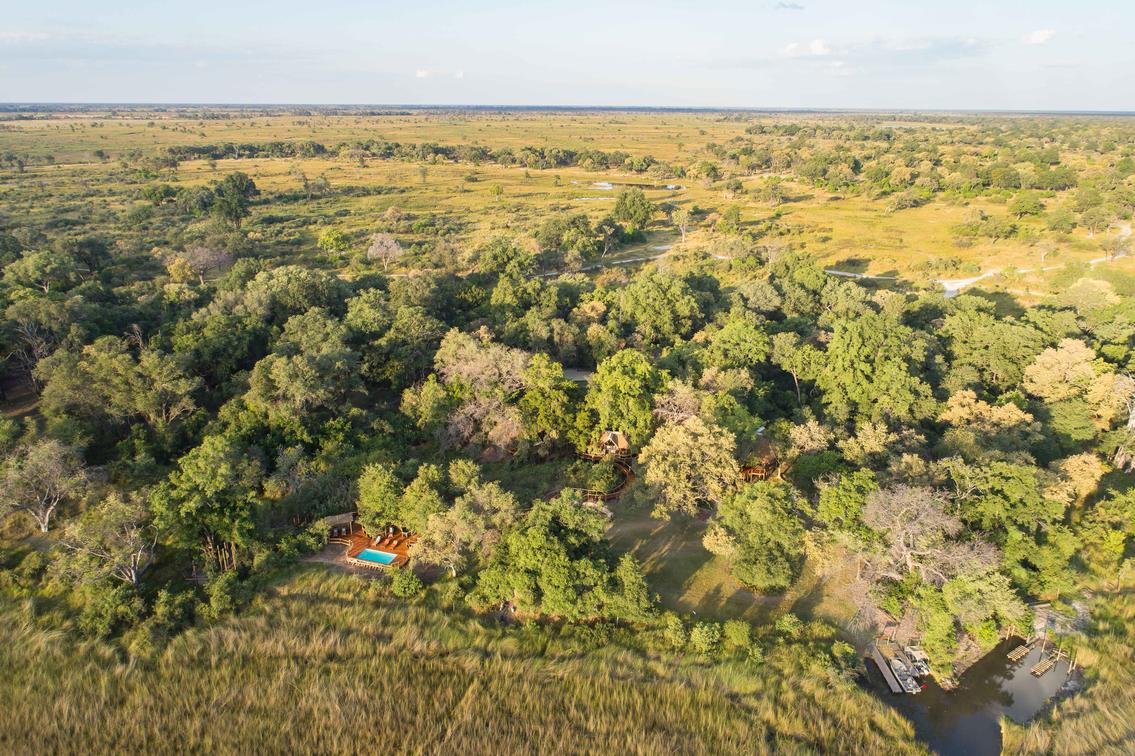
Moremi Game Reserve Safaris: Botswana's Wildlife Jewel Explored
destination guides
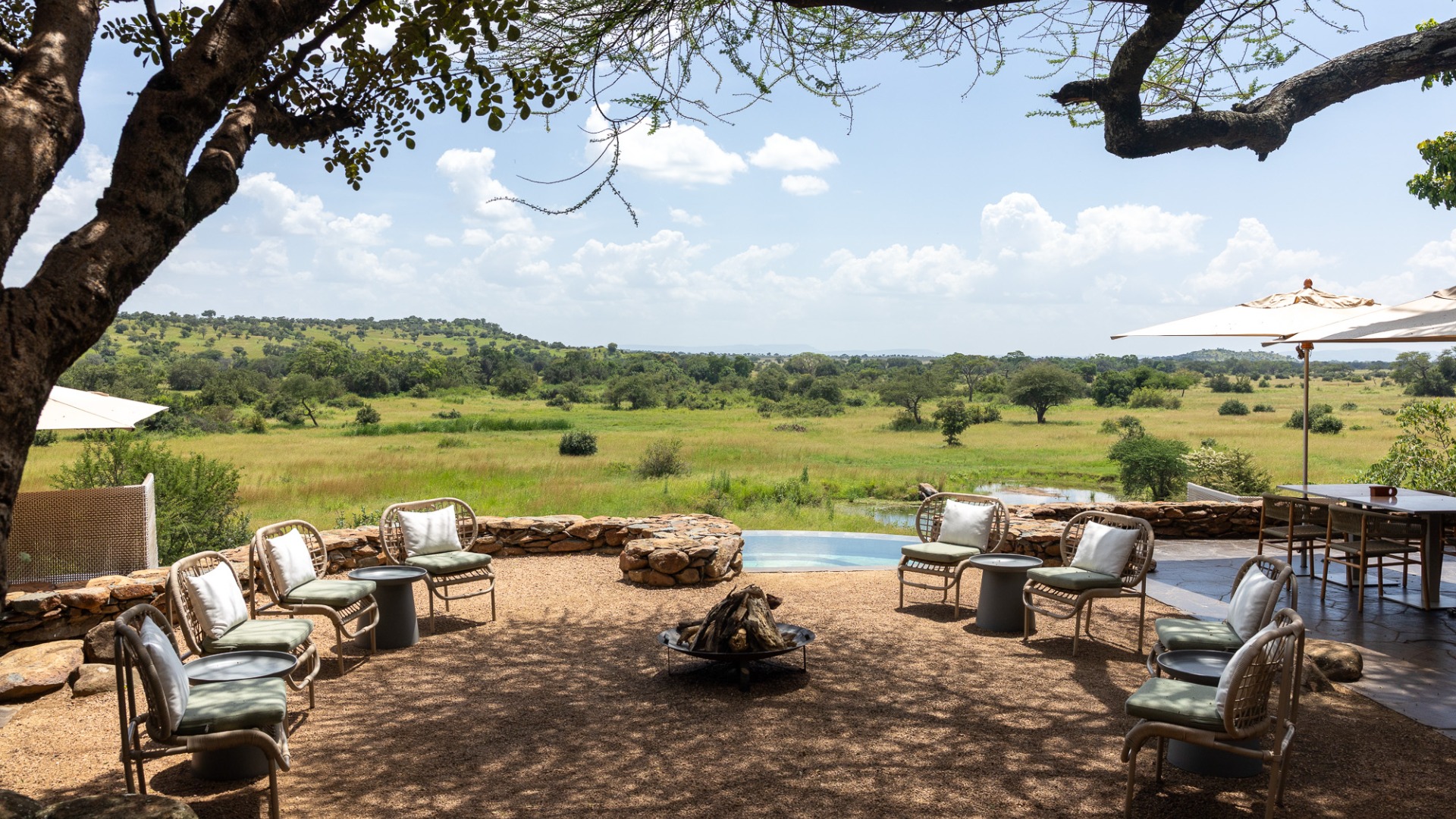
Morning Light Over Faru Faru: A Day Chasing Serengeti Plains Game
destination guides
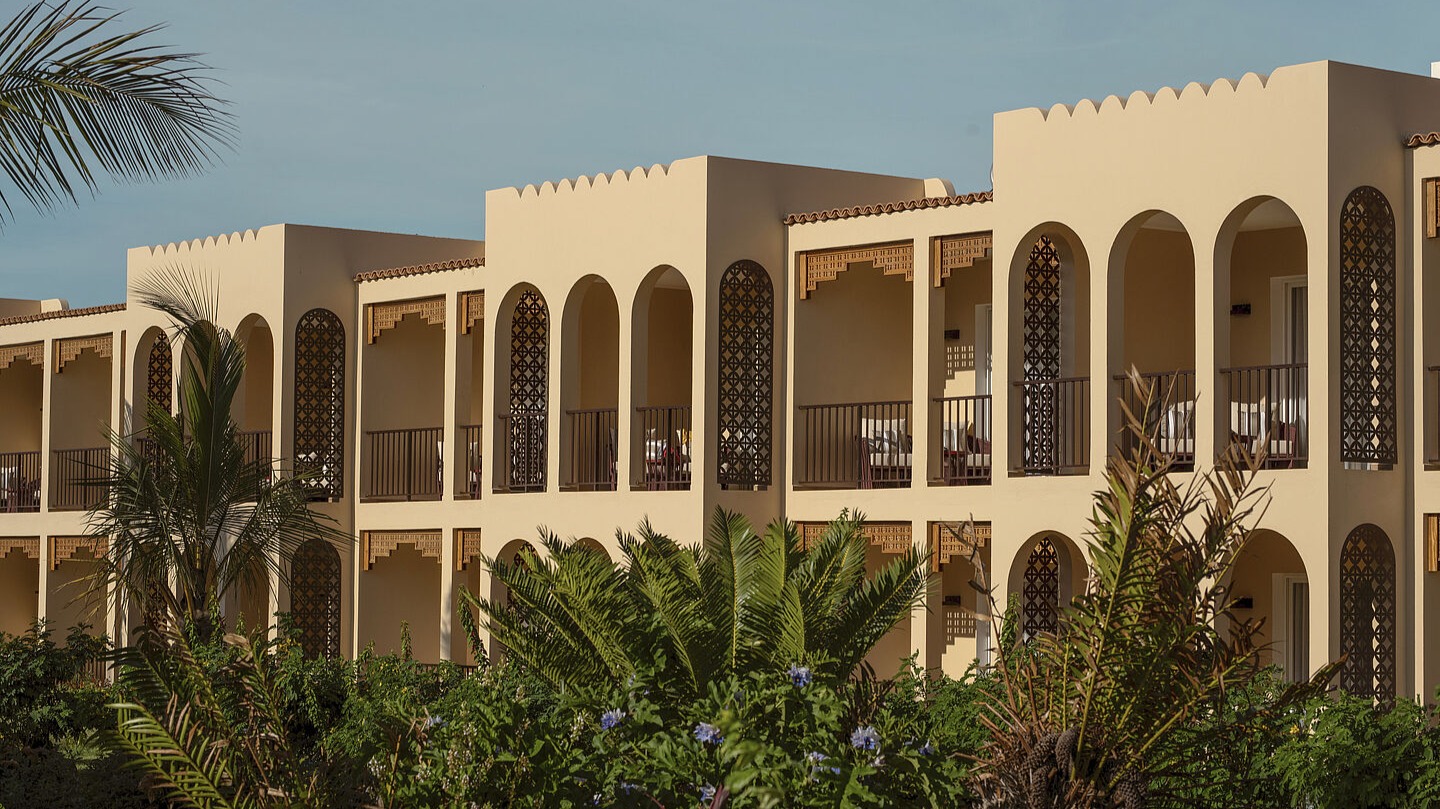
Moroccan Echoes on Zanzibar's Shore: Inside The Mora Resort's Unique Design
destination guides
Ndali Lodge Guide: Rooms, Rates, Activities and Access Details
destination guides
Nestled in Phinda: A Narrative Stay at Zuka Lodge's Exclusive Tents
destination guides