destination guides
Okavango Delta versus Serengeti: Which Landscape Fits Your Safari Style
Encounters Africa - 8 min read
Updated on 27 August 2026
The Okavango Delta versus Serengeti question often arises when travellers begin planning their first luxury safari in Africa. One offers the hushed glide of a mokoro through narrow, lily-strewn channels where hippos surface like dark boulders; the other delivers the thunder of a million wildebeest pouring across golden grasslands under an immense sky. These are not competing versions of the same experience but two distinct African landscapes that shape entirely different journeys. Encounters Africa, the specialist arm of the Secret Namibia group for safaris beyond Namibia, is Cape Town-based with three decades of combined experience. We book directly with camps and lodges to create tailor-made journeys for individuals, couples, families and private groups of up to eight using our 81 published itineraries, all reshapeable.
Choosing between the Okavango Delta and the Serengeti means deciding whether your heart quickens at the prospect of water-borne discovery or at the sight of vast migratory herds moving like living rivers across the plains. Both deliver profound wildlife encounters, yet the rhythm, the sensory palette, and the very pace of each day differ profoundly.
The Allure of the Okavango Delta: Water Defines Every Moment
In the heart of Botswana, the Okavango Delta fans out as one of the world’s largest inland deltas. Seasonal floodwaters from Angola transform the Kalahari sands into a labyrinth of channels, lagoons and palm-fringed islands. The air carries the sweet, vegetal scent of papyrus and the distant grunts of hippos. Game viewing here often unfolds at eye level with the water, creating an intimacy rarely found on traditional drives.
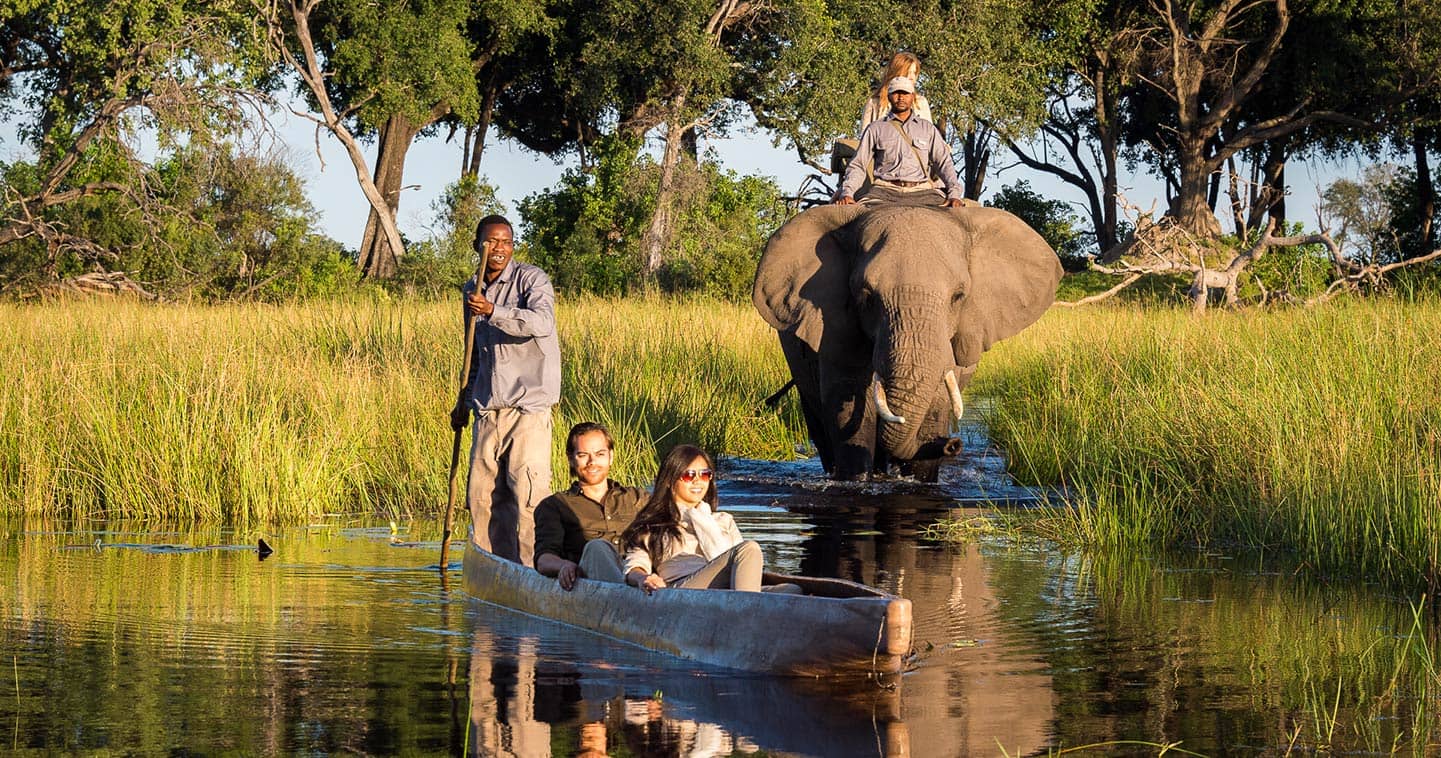
Gliding silently in a traditional mokoro, you become part of the Delta rather than an observer passing through it.
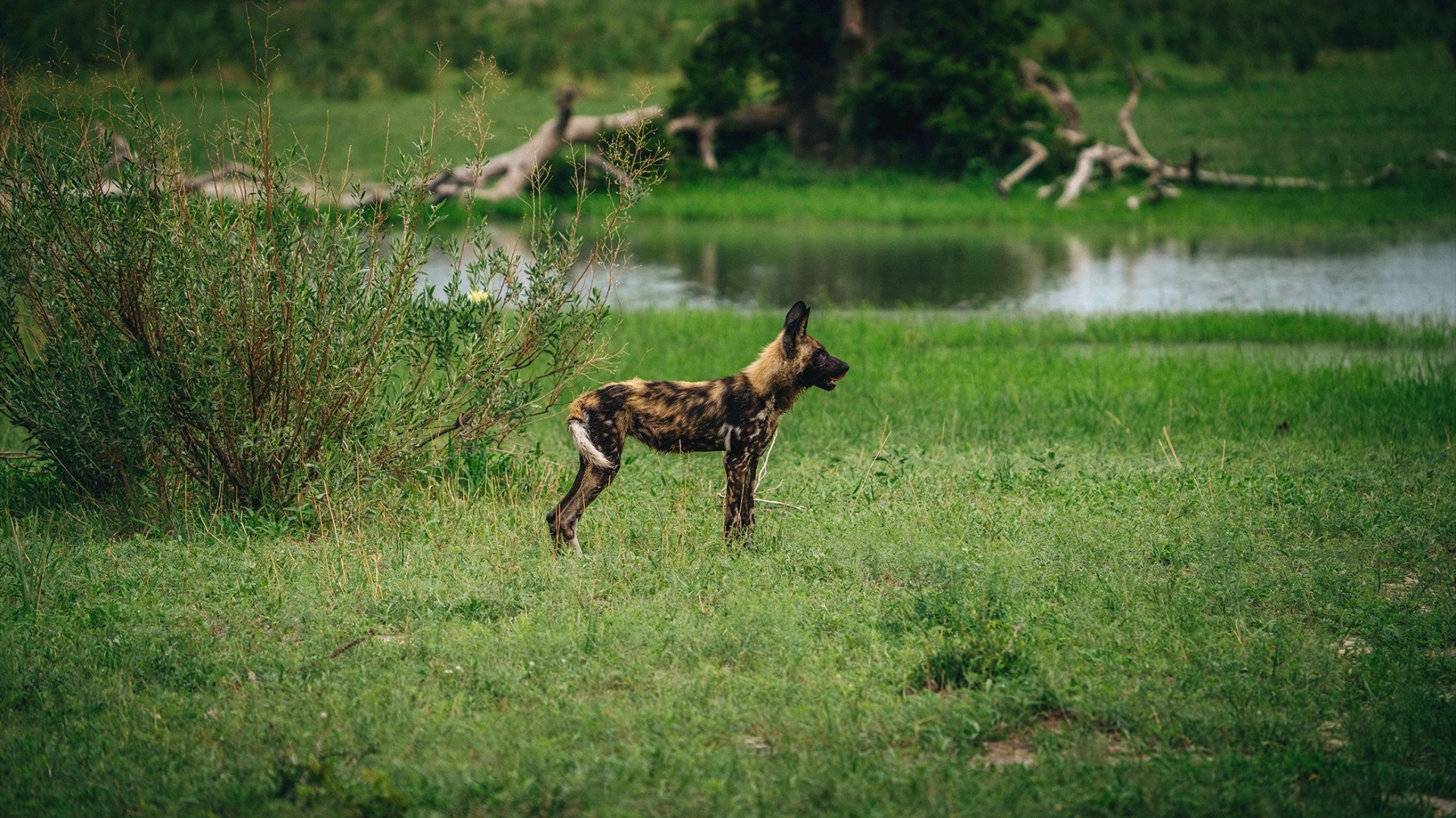
Private concessions such as the Duba Plains Private Reserve and Selinda Reserve allow vehicles to leave the tracks, following lion prides or wild dog packs across flooded grasslands. Birdlife explodes in the wet season, with over 400 species recorded, from the vivid malachite kingfisher to the ponderous saddle-billed stork. Nights bring the rhythmic calls of frogs and the occasional splash of a crocodile sliding into the shallows.
Activities That Set the Delta Apart
Beyond game drives, travellers can explore by mekoro, the traditional dugout canoes poled by skilled local guides who read every ripple. Fishing for tiger fish on remote lagoons, walking on palm islands where elephants have carved wide paths through the undergrowth, or drifting at sunset while listening to the Delta breathe all become signature moments. The best time to visit the Okavango Delta, as explored in our sister brand’s detailed guide, aligns with the flood’s arrival between May and October when water levels transform the landscape most dramatically.
The Serengeti: Where the Horizon Never Ends
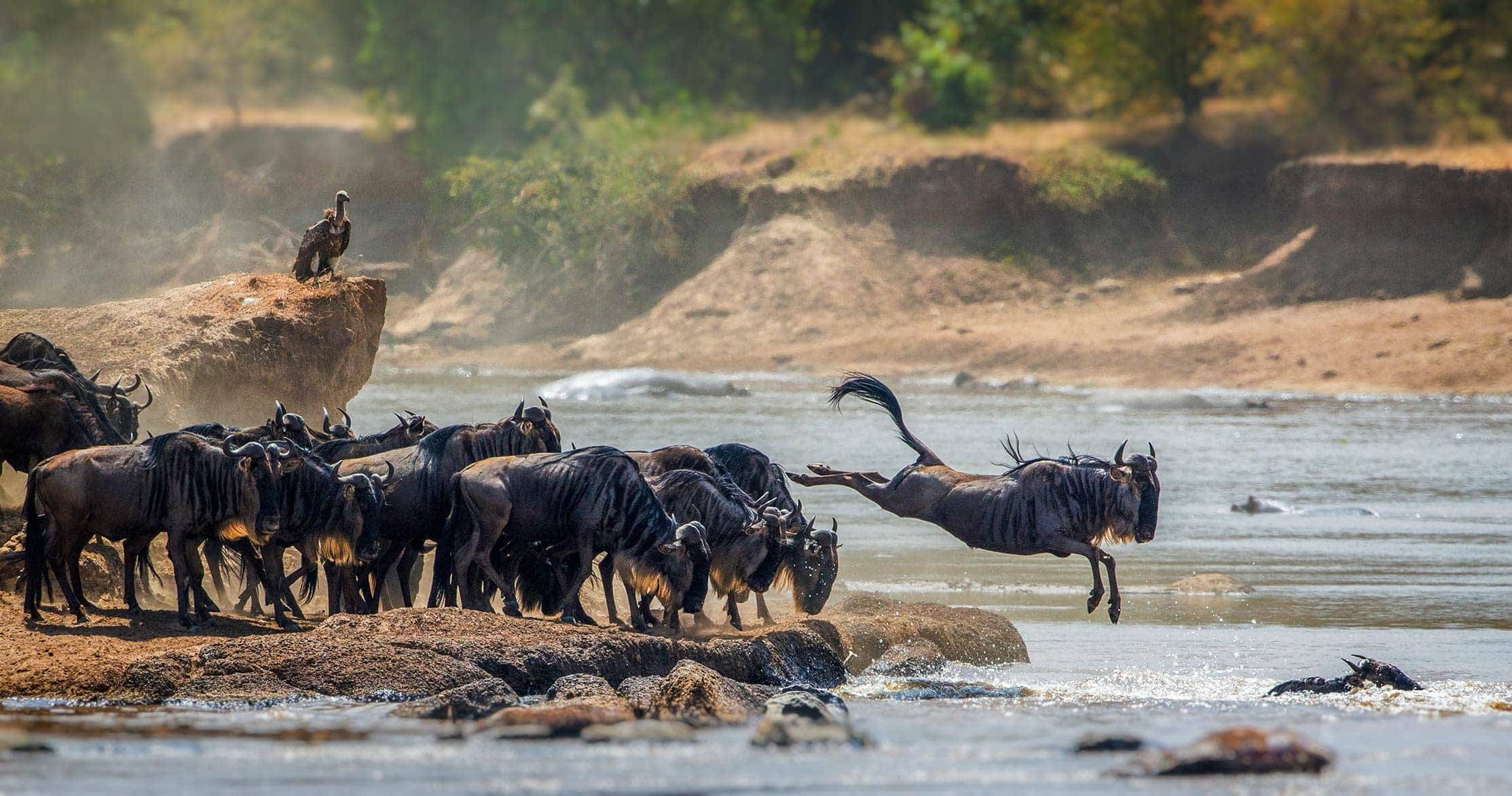
Further north in Tanzania, the Serengeti stretches across nearly 15,000 square kilometres of open savannah, acacia-dotted plains and granite kopjes. Here the drama is horizontal. From June to October, the great migration sees roughly 1.5 million wildebeest and 200,000 zebra surge north in search of fresh grazing, pursued by predators that capitalise on the chaos. The sheer scale can be overwhelming; one moment the plains appear empty, the next they ripple with life as far as the eye can see.
In the Serengeti, the sheer volume of movement creates a living tapestry that changes daily with the herds’ relentless progress.
Hot-air balloon flights at dawn reveal patterns invisible from the ground: long columns of animals winding toward distant waterholes, the dust plumes of stampeding zebra, and the patient silhouettes of lions waiting in the long grass. The dry season concentrates game around remaining water sources, while the short rains in November bring fresh green growth and the herds’ return south.
Signature Experiences on the Open Plains
Game drives here tend to cover greater distances, following the migration’s pulse. Cheetahs hunt in the open where their speed becomes an advantage, while leopards melt into the scattered woodland along river courses. Cultural encounters with the Maasai communities living on the periphery add another dimension, offering insight into lives shaped by the same rhythms as the wildlife.
Should You Choose the Okavango Delta or the Serengeti?
The Okavango Delta suits those who crave stillness, variety of activity, and close-quarters encounters with smaller groups of animals in an ever-changing aquatic environment. It appeals particularly to travellers seeking a slower, more contemplative pace where each day might include a mokoro excursion, a nature walk, or a boat journey rather than repeated vehicle-based game drives. The Serengeti, by contrast, rewards those drawn to spectacle, vast landscapes, and the drama of large-scale migration where the numbers themselves become the story. It offers a more traditional safari rhythm built around morning and afternoon drives, often with the possibility of balloon flights or night drives in certain concessions.
Neither is objectively superior; they simply deliver different emotional textures. Families with younger children may find the variety of activities in the Delta more engaging, while keen photographers often prefer the golden light and sweeping vistas of the Serengeti. The decision frequently comes down to whether you wish to be immersed in water or surrounded by open space.
These two destinations represent complementary rather than competing safari experiences; many of our travellers ultimately choose to combine both in a single, carefully paced journey.
Practical Considerations When Comparing the Two
Access differs markedly. Reaching the Okavango usually involves a flight from Maun or Kasane into remote airstrips, followed by a short transfer by boat or vehicle. The Serengeti is served by several airstrips, with flights commonly routed via Arusha or directly from Nairobi. Both require light aircraft transfers that add to the sense of adventure and remoteness.
Accommodation styles overlap yet reflect their environments. In the Delta, expect tented camps built on raised decks above floodwaters or solid lodges with plunge pools overlooking lagoons. On the Serengeti’s plains, mobile migration camps move with the herds while permanent lodges take advantage of rocky outcrops for elevated views. Both regions support exceptional guiding standards, though Botswana’s emphasis on walking and water activities requires a slightly different skill set from the Serengeti’s focus on tracking across open terrain.
Wildlife Sightings: Quality Versus Quantity
In the Okavango, sightings tend to be more intimate: a leopard draped along a fallen log beside a channel, a pack of wild dogs resting in the shade of a termite mound, or a herd of elephants crossing a shallow lagoon. The Serengeti offers volume: multiple predator sightings in a single morning during the migration, or the spectacle of thousands of wildebeest attempting a river crossing amid crocodiles. Both deliver memorable big cat encounters, but the context transforms the emotion of each sighting.
Conservation Stories That Connect Both Landscapes
Both the Okavango Delta and Serengeti face pressures from surrounding human populations and climate variability. In Botswana, community concessions return significant portions of tourism revenue directly to local villages, creating tangible incentives for conservation. Tanzania’s Serengeti benefits from one of Africa’s oldest and most studied protected area systems, though challenges remain around the park’s boundaries where agricultural expansion threatens migration corridors.
Responsible operators work closely with local organisations to support anti-poaching, habitat restoration, and community development projects. Choosing a reputable safari specialist ensures your journey contributes meaningfully to these efforts rather than simply consuming the wilderness.
Crafting Your Perfect Safari Combination
Rather than viewing the Okavango Delta and Serengeti as alternatives, many discerning travellers now combine both in one seamless itinerary. A classic routing might begin with the drama of the Serengeti’s migration before flying south to experience the contrasting intimacy of the Delta’s waterways. Such journeys allow the landscapes to complement rather than compete with one another, creating a richer understanding of Africa’s varied ecosystems.
Our sample 7-day Kruger Okavango Delta luxury fly-in safari demonstrates how effectively these water-based experiences can be paired with other iconic destinations. The key lies in allowing sufficient time in each area, typically four to five nights minimum, to absorb the distinct character of each landscape.
Let Encounters Africa Shape Your African Safari
Whether your spirit calls to the gentle lap of water against a mokoro or the distant rumble of migrating herds across endless plains, the choice between Okavango Delta and Serengeti represents an opportunity to define the texture of your safari experience. These are two genuinely different holidays, each offering profound connection with wild Africa in its own distinctive voice.
For discerning travellers seeking a private safari beyond our set itineraries, we invite you to contact us directly. We specialise in designing exceptional, tailor-made journeys for individuals, couples, families, and private groups of up to eight guests. Drawing on our handpicked network of distinguished camps and lodges, we curate every detail with precision and care, creating a seamless, deeply personal safari experience shaped entirely around your preferences, pace, and budget.
Speak with our team about combining the Okavango Delta and Serengeti, or discover more in our guide to the best time to visit the Okavango Delta. Let us help you choose the landscape that will resonate most deeply with your vision of an African safari.
More like this
destination guides
Orangeraie Evenings: Chronicles from Mahé's Lush Coastal Haven
destination guides
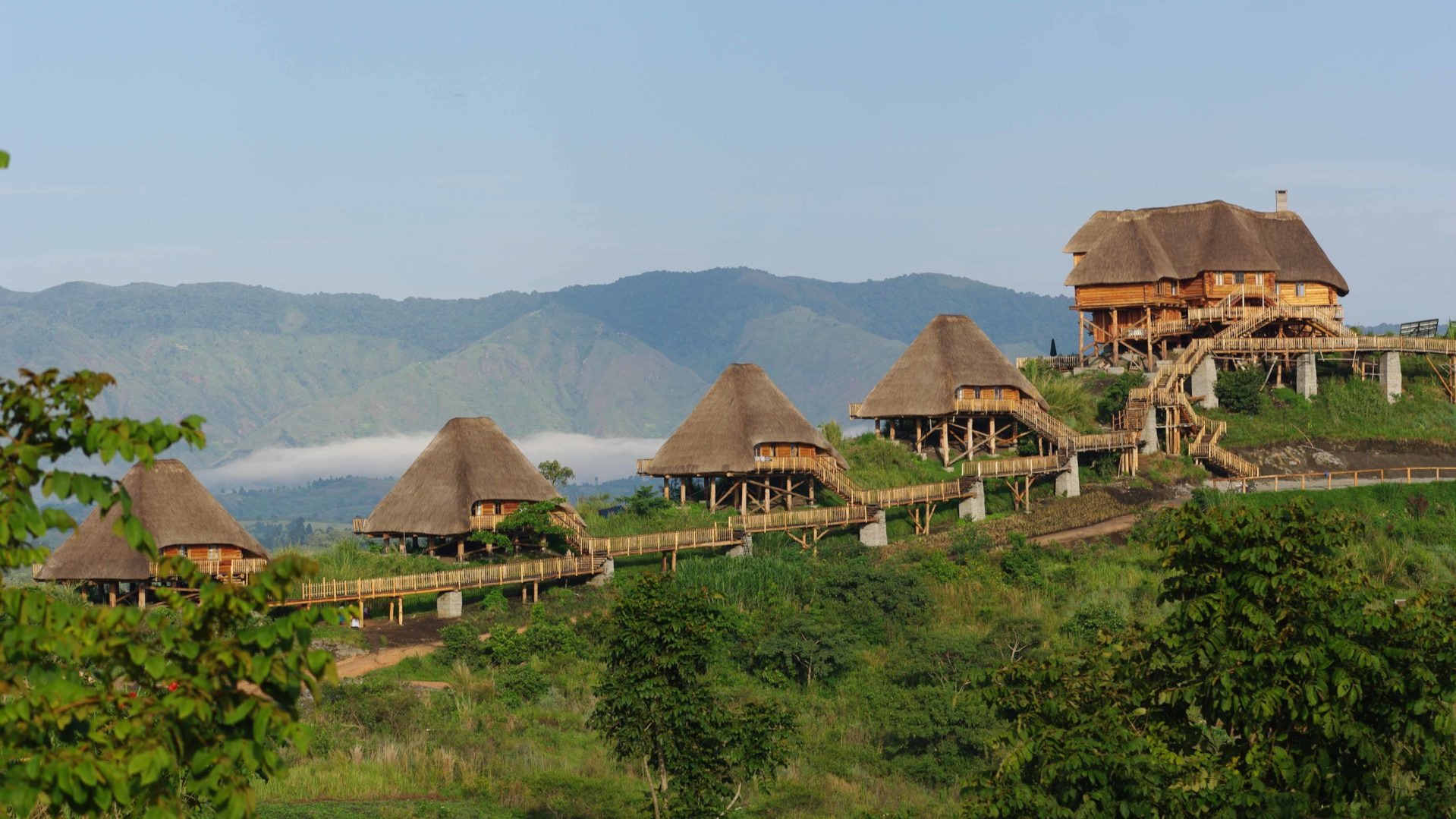
Overlooking Queen Elizabeth's Craters: A Portrait of Kyaninga Lodge
destination guides
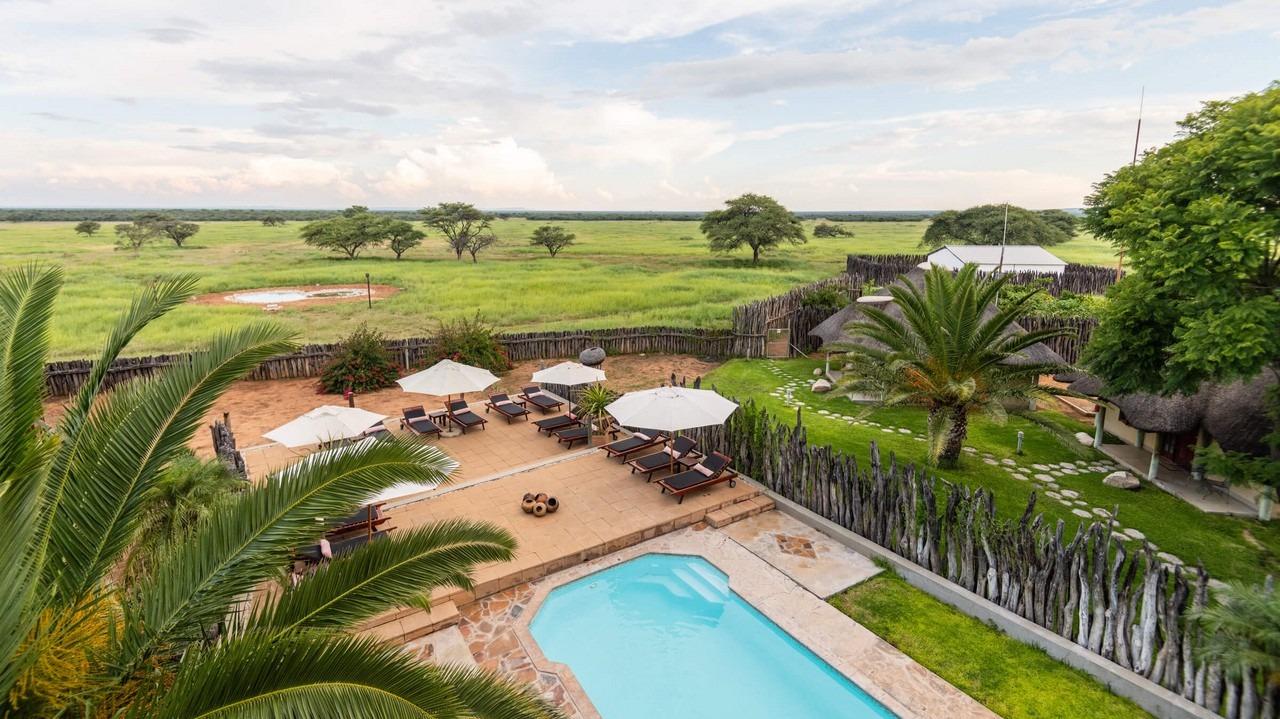
Owner's Vision Shapes Frans Indongo Lodge: Etosha's Quiet Luxury
destination guides
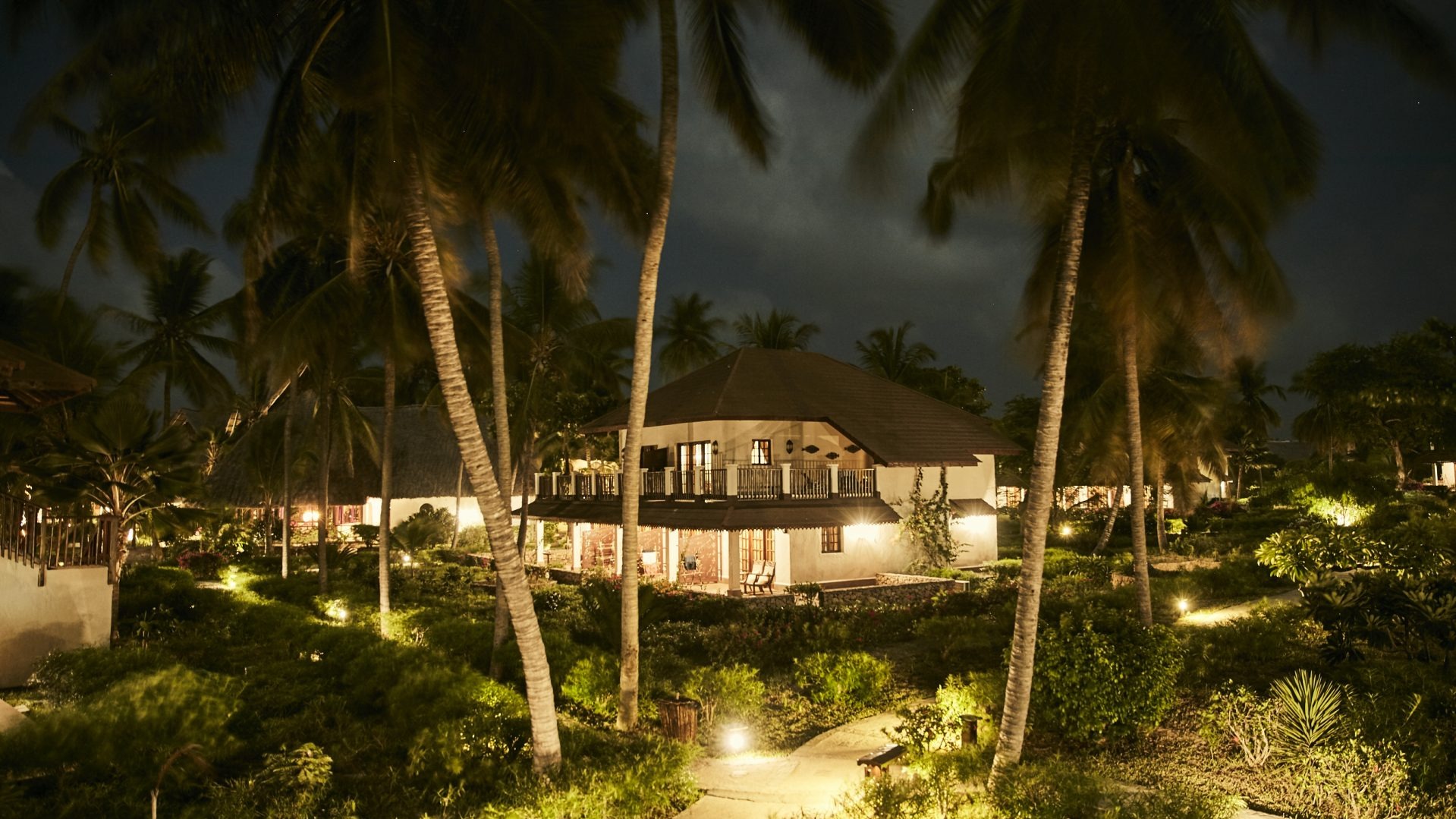
Palm Fronds Frame the Sea: A Guest's Day at Breezes Beach Club Zanzibar
destination guides
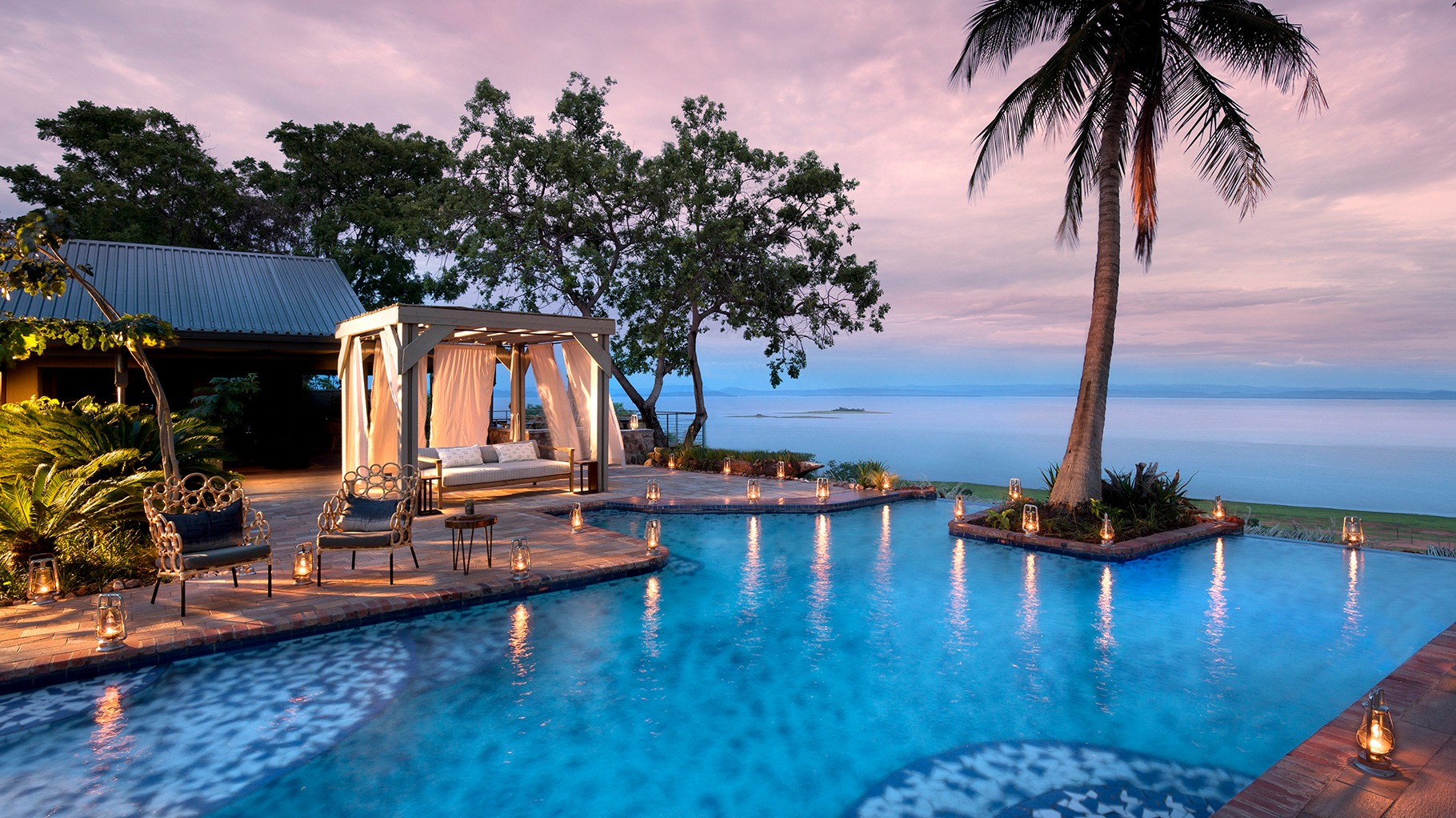
Perched Above Lake Kariba: Chronicles from Bumi Hills Safari Lodge
destination guides