destination guides
Quad Biking Across Makgadikgadi’s Salt Pans and Tracking Zebra on Foot
Encounters Africa - 9 min read
Updated on 31 August 2026
The salt pans of Makgadikgadi stretch like a frozen sea beneath an immense African sky, their cracked white surface whispering of ancient lakes long vanished. Here, in the heart of Botswana, travellers discover an otherworldly landscape that rewards those willing to venture beyond the classic wetland circuits of the Okavango. Quad biking across these pans, tracking habituated meerkats at sunrise, following the seasonal zebra migration on foot, and sleeping beneath some of the darkest skies in Southern Africa create a multifaceted experience that lingers long after departure.
Cape Town-based Encounters Africa is the specialist arm for safaris beyond Namibia, covering South Africa, Botswana, Kenya, Tanzania, Rwanda, Uganda, Zambia and Zimbabwe. The team draws on three decades of combined experience to book directly with camps and lodges, tailoring journeys for individuals, couples, families and private groups of up to eight guests from their library of 81 published itineraries that can all be reshaped. This corner of Botswana offers a compelling contrast to riverine lodges further north, blending exhilarating adventure with intimate wildlife encounters and profound nocturnal stillness.
Understanding the Makgadikgadi Landscape
The Makgadikgadi Salt Pans form one of the largest salt flats on earth, remnants of a prehistoric lake that once covered much of southern Africa. During the dry season from May to October, these pans transform into a shimmering, otherworldly expanse where the horizon seems to curve away endlessly. After the rains arrive, shallow waters flood sections of the system, drawing vast herds of game and creating one of the continent’s most remarkable seasonal spectacles.
The surrounding grasslands and acacia scrub support an array of species adapted to this harsh yet beautiful environment. Baobabs stand sentinel on the fringes, their ancient forms etched against fiery sunsets. The area’s relative remoteness means visitor numbers remain low, preserving a sense of genuine wilderness that many seasoned travellers seek. Local communities play an active role in conservation here, ensuring that tourism benefits those who call this region home.
The silence on the pans at night is so complete you can hear your own heartbeat - a rare commodity in our noisy modern world.
Quad Biking Across the Salt Pans
Few activities capture the sheer scale of Makgadikgadi quite like racing across its hard-baked surface on a quad bike. The experience begins with a thorough safety briefing at camps such as Camp Okavango Sleep-Out Deck, where professional guides ensure every participant feels confident before opening the throttle. The sensation of acceleration across this vast, empty canvas delivers an almost childlike thrill, the white dust rising in delicate plumes behind each wheel.
Guides often lead riders towards baobab islands that rise like green fortresses from the pan’s surface. These ancient trees, some estimated to be over a thousand years old, provide striking photographic subjects against the stark backdrop. The rides typically last between two and three hours, allowing ample time to absorb the landscape’s immensity while stopping for refreshments at carefully chosen viewpoints. As the sun begins its descent, the pans take on hues of rose and gold that seem almost too perfect to be real.
Quad biking here isn’t merely about speed. It represents a unique way to comprehend the geography that defines this part of Botswana. The pans’ flatness allows the eye to travel for dozens of kilometres, revealing subtle variations in terrain and the occasional distant dust cloud of migrating animals. For those preferring a gentler pace, guided walks across sections of the pans offer equally memorable perspectives, particularly when combined with knowledgeable interpretation from local trackers.
What is there to do on the Makgadikgadi salt pans?
Quad biking delivers an exhilarating traverse of the white expanse while guided walks reveal meerkat colonies, zebra herds in seasonal migration, and the chance to sleep out under pristine star-filled skies. The area’s primary activities focus on experiencing its unique geology and the wildlife that has adapted to its challenging conditions. Visitors can expect professionally guided excursions that balance adventure with conservation awareness, typically including morning and afternoon activities tailored to light and temperature conditions.
Meeting the Meerkats at First Light
As dawn paints the eastern horizon in delicate pastels, habituated meerkat colonies begin their daily routines. These charismatic mongooses have become accustomed to human presence through years of careful, responsible habituation, allowing visitors to sit quietly amongst them as they warm themselves in the early sunlight. Their sentinel behaviour, with individuals standing ramrod straight to scan for predators, provides some of the most engaging wildlife viewing in Southern Africa.
Following the meerkats as they forage across the pans’ fringes reveals intricate social dynamics and remarkable survival strategies. Their constant chatter creates a lively soundtrack to the morning, while the surrounding birdlife adds flashes of colour and movement. Professional guides share fascinating insights into meerkat society, from their sophisticated alarm calls to their cooperative breeding system. The experience feels remarkably intimate, particularly when a curious individual decides to use a visitor’s shoulder as a temporary lookout post.
These small creatures demonstrate that courage comes in many sizes - their vigilance and teamwork offer powerful lessons in survival.
Following the Great Zebra Migration
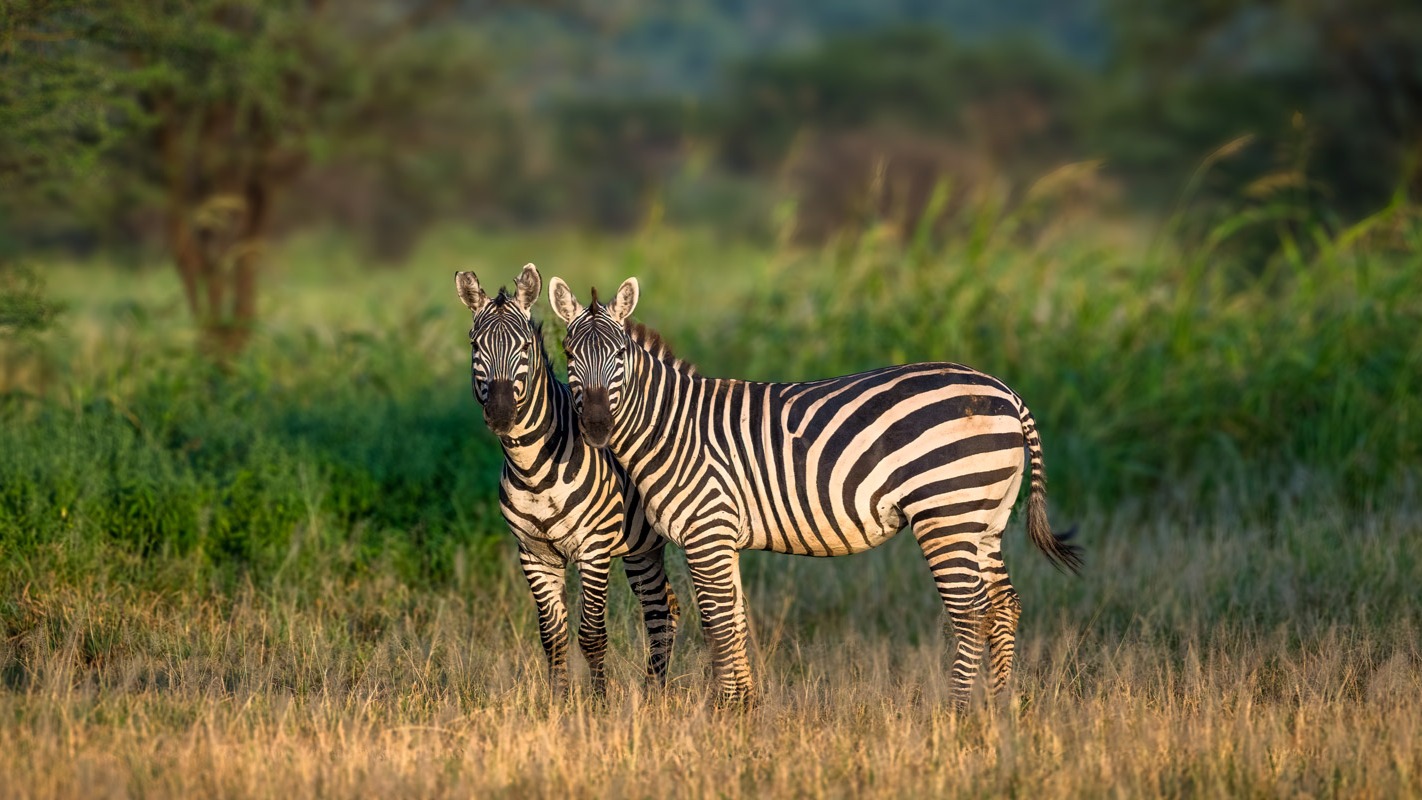
Each year, thousands of zebra undertake an extraordinary journey between the Makgadikgadi region and the Okavango Delta, driven by the search for fresh grazing and water. This migration, though less famous than its East African counterpart, represents one of Africa’s most significant large-mammal movements. Tracking these striped nomads on foot with experienced guides offers an entirely different perspective from vehicle-based viewing.
The sight of several thousand zebra moving across the landscape creates a mesmerising pattern of black and white against the golden grasslands. Their distinctive calls carry across the pans, a constant soundtrack to the migration’s progress. Guides read the subtle signs of the herds’ direction and mood, ensuring respectful distances that allow natural behaviour to continue uninterrupted. For those who have witnessed the Serengeti migration, this Botswana version provides a refreshing contrast in both scale and intimacy.
Walking in the wake of these migrating herds reveals the interconnectedness of this ecosystem. The zebra’s movement creates pathways that benefit other species, while their grazing stimulates new grass growth for the following season. This experience connects visitors directly to the rhythms that have shaped these landscapes for millennia, fostering a deeper appreciation for the delicate balance that sustains such abundance.
Sleeping Beneath Southern Africa’s Darkest Skies
As daylight fades and the first stars appear, the true magic of Makgadikgadi reveals itself. Far from any significant light pollution, the night sky here ranks among the clearest and darkest in the region. Sleep-out experiences on raised platforms or specially prepared sites on the pans’ edge allow travellers to fall asleep beneath a celestial display of breathtaking clarity.
The Milky Way arches overhead like a river of stars, while the occasional meteor streaks across the darkness. Guides point out constellations and share stories from local San cosmology, connecting visitors to ancient ways of understanding the heavens. The profound silence is broken only by the distant calls of jackals or the occasional snort of a nearby zebra, creating an atmosphere of complete immersion in the natural world.
These nights under the stars often become the most memorable element of a Makgadikgadi journey. The combination of vast open space, minimal ambient light, and the knowledge that few humans have slept in that exact spot creates a powerful sense of connection to something greater. Professional camps ensure comfort with comfortable bedding, mosquito protection where needed, and the reassuring presence of a guide throughout the night.
Under these skies, the concept of wilderness takes on new meaning - one measured not in distance from civilisation but in proximity to something timeless and immense.
Practical Considerations for Visiting Makgadikgadi
The best time to experience the full range of activities in Makgadikgadi depends on specific interests. The dry season from May to October offers ideal conditions for quad biking and meerkat viewing, with clear skies enhancing the sleep-out experience. The green season brings the zebra migration and dramatic thunderstorms, though some activities may be weather dependent.
Access typically involves light aircraft transfers from Maun or Kasane, with journey times varying according to final camp location. Most properties in the region maintain high standards of guiding and hospitality despite their remote setting. Travellers should pack layers for significant temperature drops after sunset and sturdy footwear suitable for both quad biking and walking activities.
Responsible operators work closely with local communities, ensuring that tourism revenue supports conservation initiatives and community development projects. This approach helps protect the fragile ecosystem while providing sustainable livelihoods for those living alongside the pans.
Planning Your Makgadikgadi Adventure with Encounters Africa
Encounters Africa curates these distinctive experiences by drawing on deep regional knowledge and long-established relationships with the finest camps in the Makgadikgadi area. Whether combining the pans with the lush waterways of the Okavango or creating a focused exploration of this unique salt pan ecosystem, the team ensures every detail aligns with individual preferences and expectations.
The region’s remoteness and the specialised nature of its activities make professional planning particularly valuable. From arranging seamless light aircraft connections to selecting the optimal camps for specific seasonal phenomena, expert guidance transforms what could be a complex journey into a seamless and deeply rewarding experience. For discerning travellers seeking a private safari beyond our set itineraries, we invite you to contact us directly. We specialise in designing exceptional, tailor-made journeys for individuals, couples, families, and private groups of up to eight guests. Drawing on our handpicked network of distinguished camps and lodges, we curate every detail with precision and care, creating a seamless, deeply personal safari experience shaped entirely around your preferences, pace, and budget.
Discover how the Makgadikgadi can be thoughtfully woven into a broader Southern African journey by exploring our 14-day Namibia Botswana fly-in safari. For further inspiration on immersive wildlife experiences across the region, visit our collection of all-inclusive safaris.
More like this
destination guides
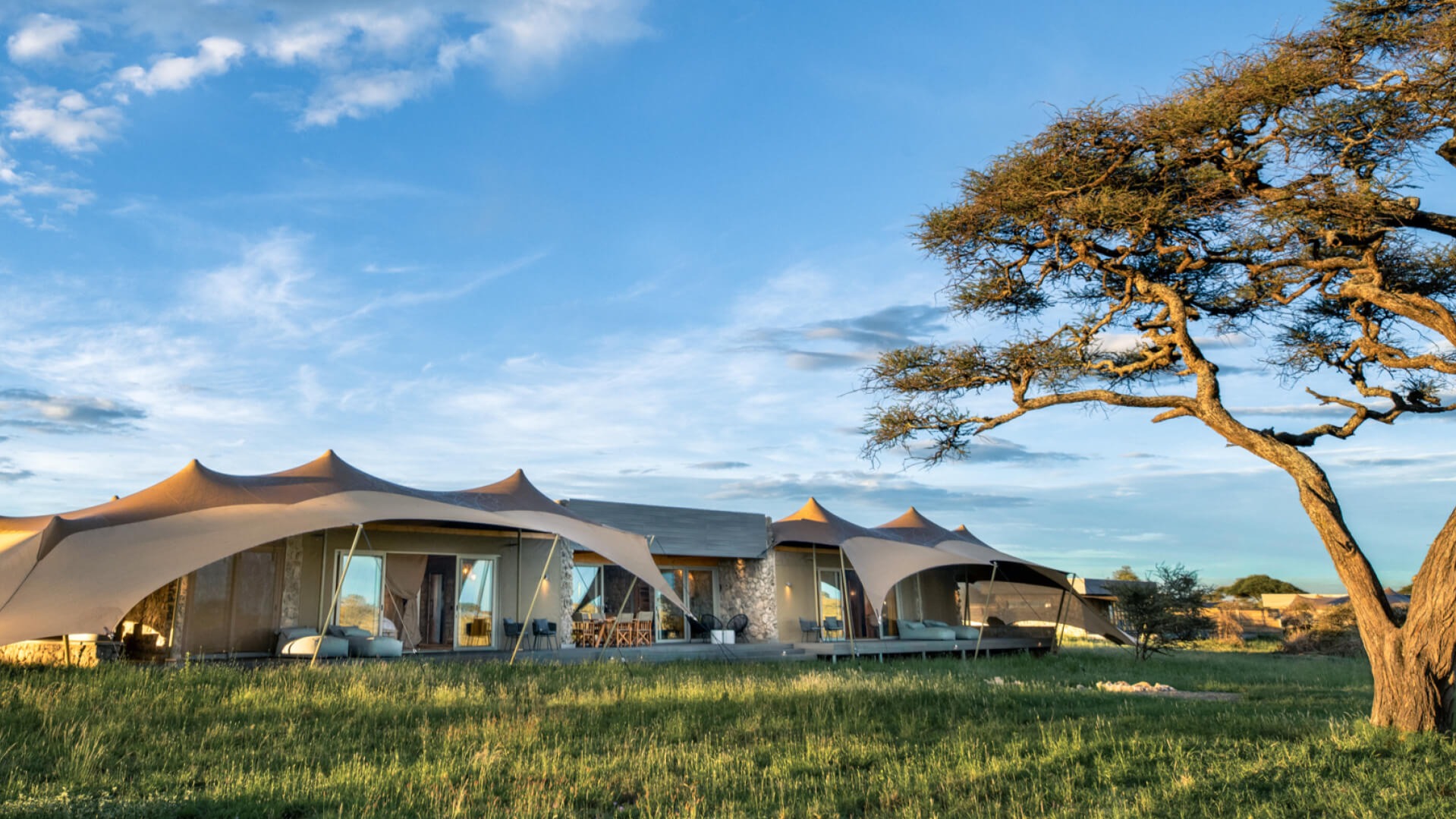
Quiet Mornings in The Retreats: Notes from Namiri Plains Tented Suites
destination guides
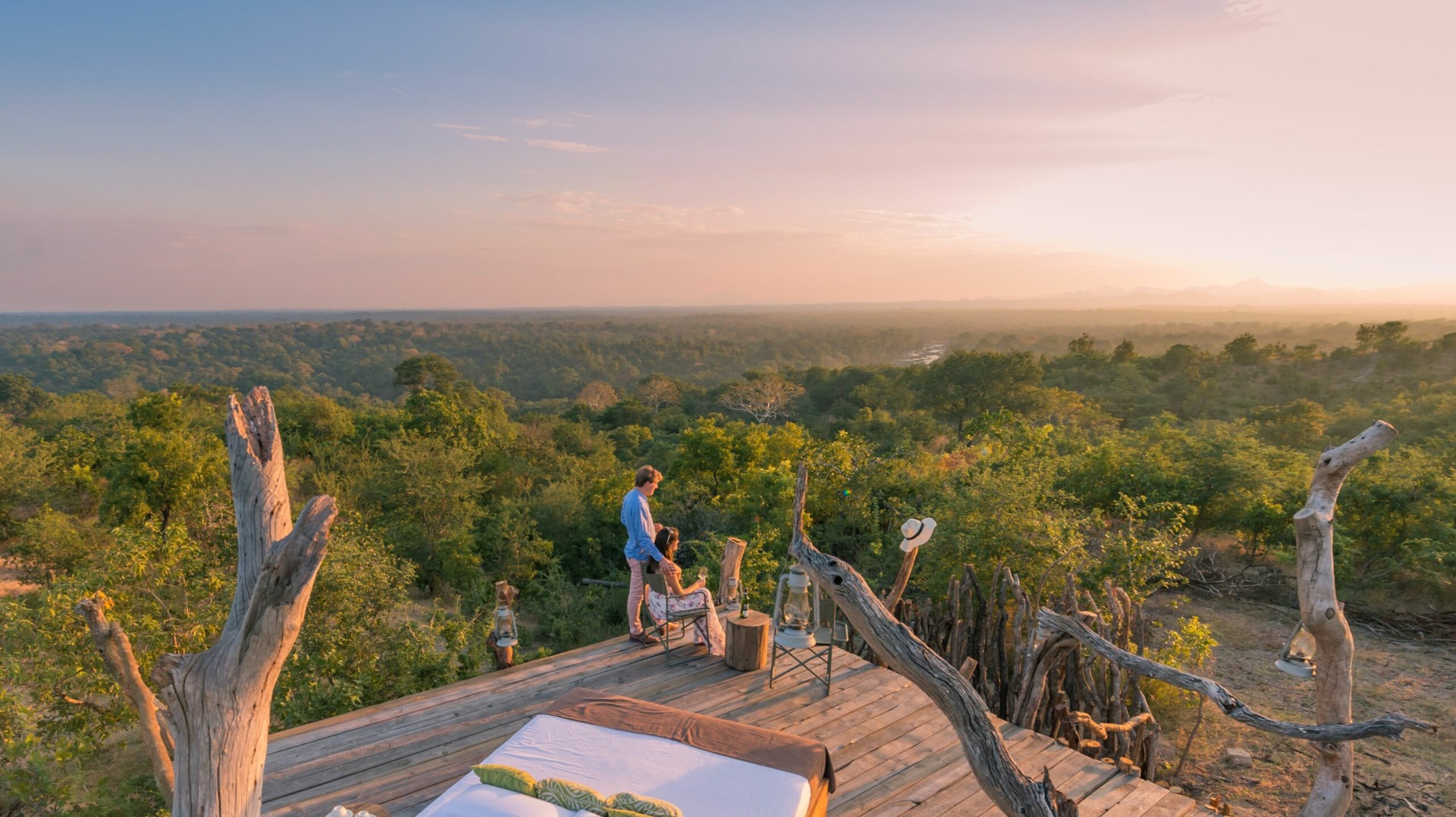
Quiet Rivers, Bold Tracks: Dispatches from Mkulumadzi Lodge
destination guides
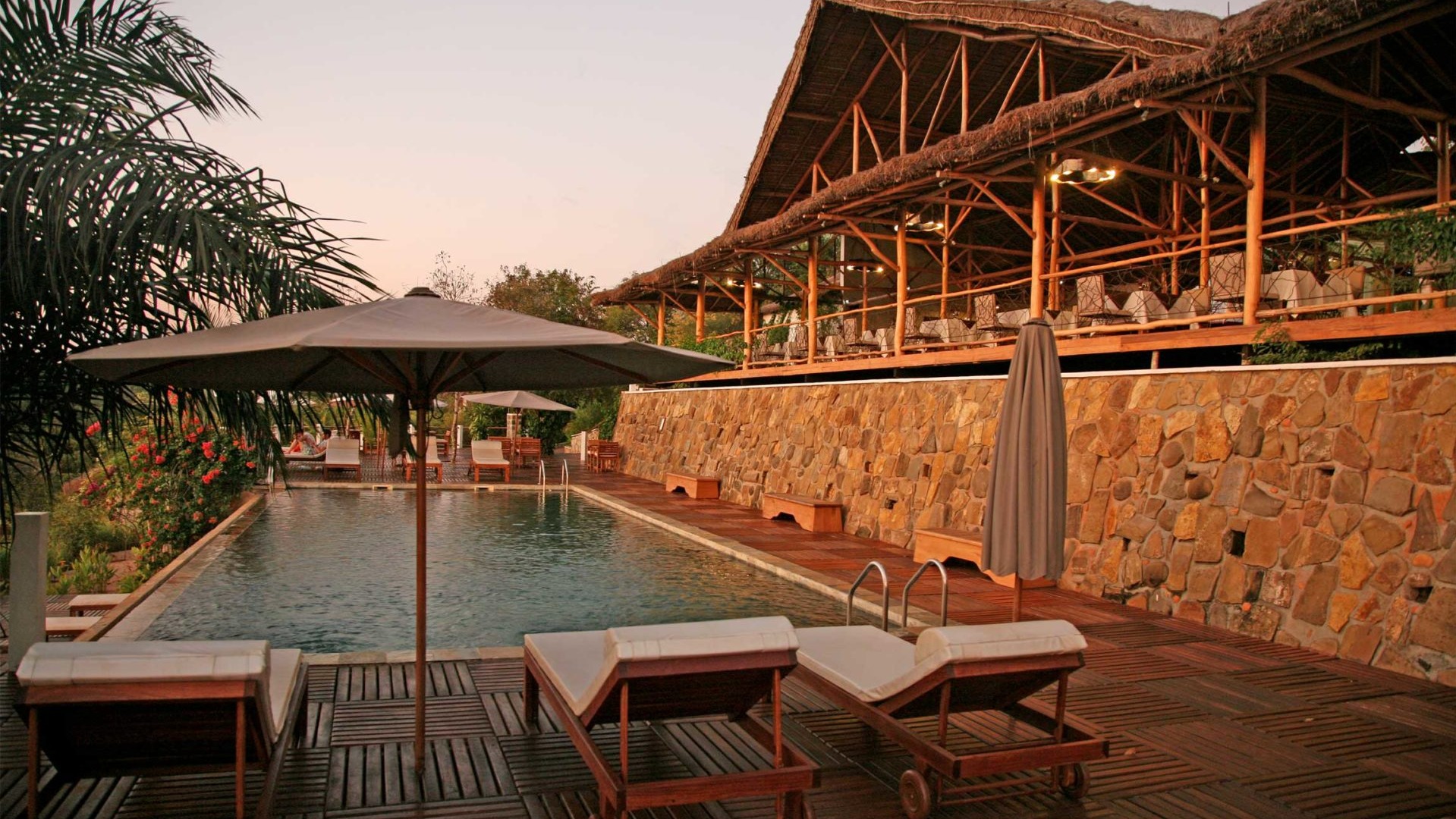
Razor Stone Horizons: Life at Le Soleil des Tsingy Lodge
destination guides
Rekero's Edge: How Riverside Tents Shift Kenya Safari Perspectives
destination guides
Restored Villa Life: How Maison Gallieni Revives a Governor's Past
destination guides