destination guides
Tanzania and Zimbabwe Safari Comparison: Top Parks and Lodges
Encounters Africa - 5 min read
Updated on 1 May 2026
Embark on a safari adventure across Tanzania and Zimbabwe, two African powerhouses renowned for their dramatic landscapes and abundant wildlife. This Tanzania and Zimbabwe safari comparison dives into the iconic Serengeti National Park in Tanzania, famed for the Great Migration, versus Hwange National Park in Zimbabwe, celebrated for its massive elephant populations. Whether you crave the thunder of wildebeest herds or intimate encounters with pachyderms, these destinations offer unparalleled wildlife spectacles.
Both countries deliver luxury safaris tailored for discerning travellers, blending raw natural beauty with sophisticated lodges. Tanzania excels in vast open plains teeming with predators, while Zimbabwe provides secluded bush experiences amid ancient baobabs. Encounters Africa curates journeys here, matching your pace to these rhythms of the wild.
Iconic National Parks: Serengeti vs Hwange
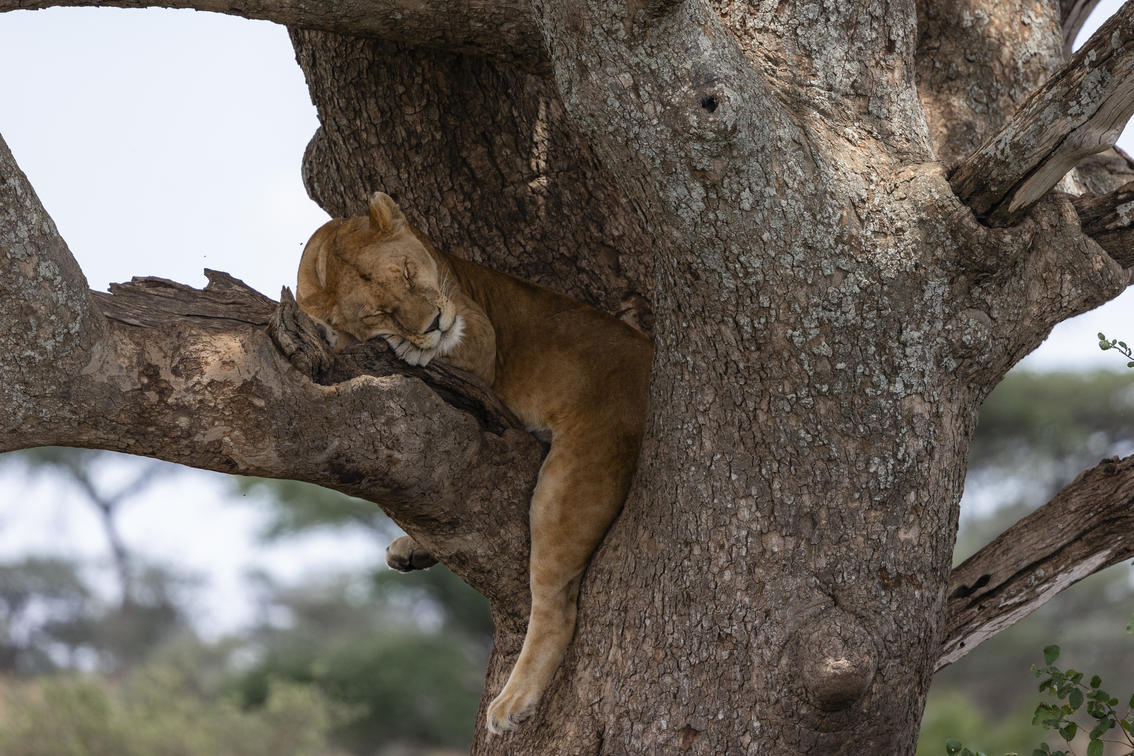
The Serengeti spans 14,763 square kilometres of endless grasslands in northern Tanzania, where over 1.5 million wildebeest and 200,000 zebras enact the Great Migration annually. This phenomenon sees herds crossing rivers fraught with crocodiles, drawing lions, leopards, and cheetahs in pursuit. Expect golden savannahs shimmering under vast skies, alive with the dust clouds of thundering hooves.
In contrast, Hwange National Park in western Zimbabwe covers 14,650 square kilometres of mopane woodlands and granite outcrops. Home to over 40,000 elephants—the largest concentration in the world—these gentle giants gather at waterholes during the dry season, offering mesmerising sightings. Hyenas, wild dogs, and buffalo roam beneath towering baobabs, creating a more intimate safari rhythm.
"Serengeti's migrations pulse with raw energy, while Hwange whispers secrets through its elephant herds."
Both parks promise Big Five encounters, but Serengeti delivers scale, with up to 3 million animals during peak migration, versus Hwange's density of 100+ elephants per waterhole.
Best Time to Visit Tanzania and Zimbabwe Parks
Serengeti Migration Calendar
The optimal window for Serengeti safaris aligns with the Great Migration's drama. From January to March, southern plains host calving season, birthing 500,000 wildebeest and attracting predators. June to October sees the herds in the north and west, culminating in perilous Mara River crossings—peak season with dry weather and excellent game viewing.
Green season (November to December) brings lush landscapes, fewer crowds, and birdlife explosions, with migratory species swelling numbers to 500+ varieties. Avoid April to May's heavy rains unless seeking budget-friendly solitude.
Hwange's Seasonal Highlights
Zimbabwe's Hwange shines from June to October, the dry season when animals converge on pumps and pans, yielding sightings of lion prides ambushing at dusk. Elephant herds peak here, with up to 200 gathering daily. Shoulder months like May and November offer milder temperatures and emerging foliage.
Wet season (December to April) transforms Hwange into a verdant paradise for birdwatchers—over 400 species, including rare ground hornbills—but roads can turn muddy. The best time to visit Hwange for elephants is July to September, when water scarcity concentrates wildlife.
Serengeti peak: July-October (migration crossings)
Hwange peak: June-October (elephant concentrations)
Combined itinerary tip: Transition from Serengeti in October to Hwange for seamless dry-season viewing
Luxury Lodges: Where to Stay in Tanzania and Zimbabwe
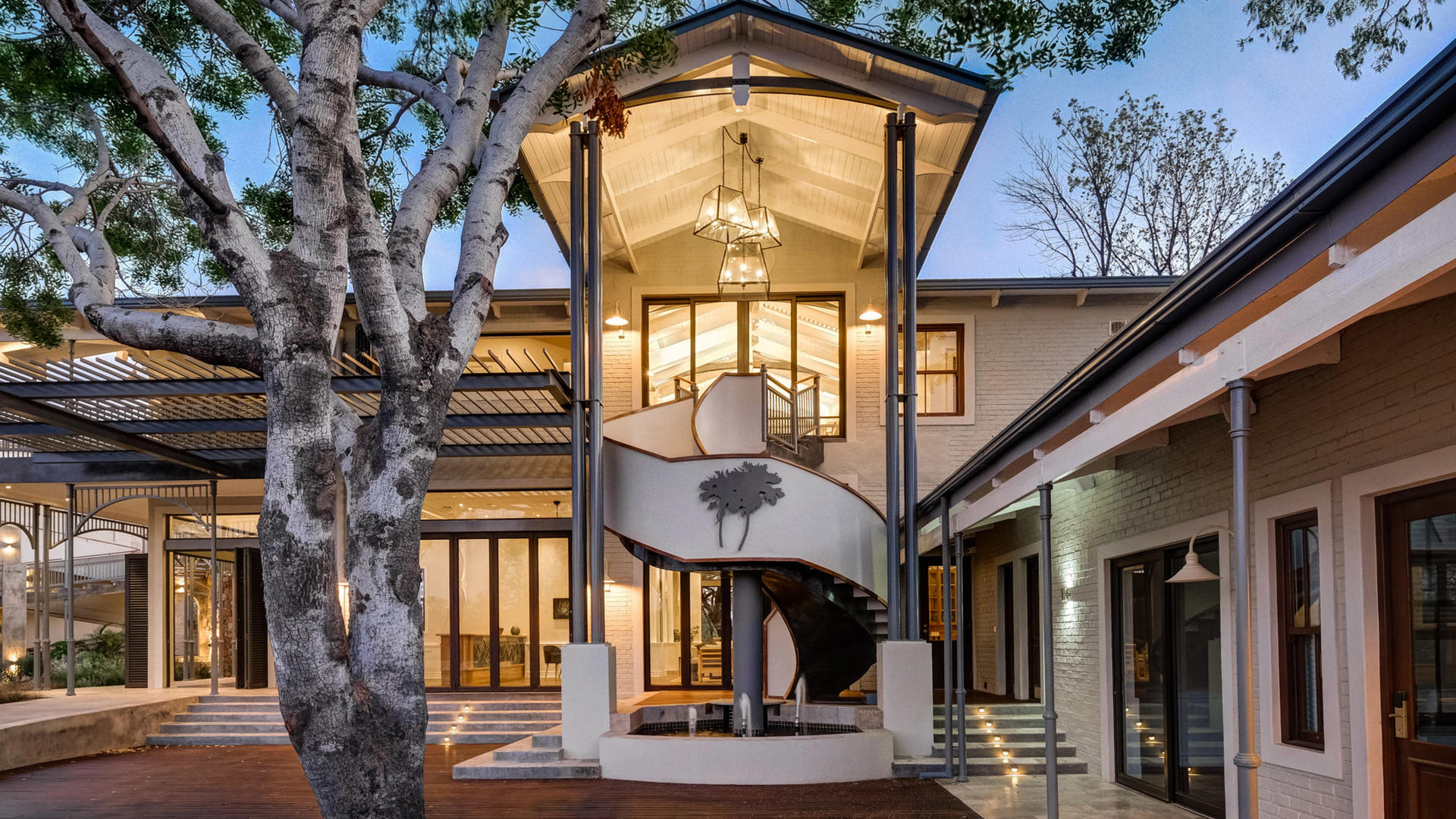
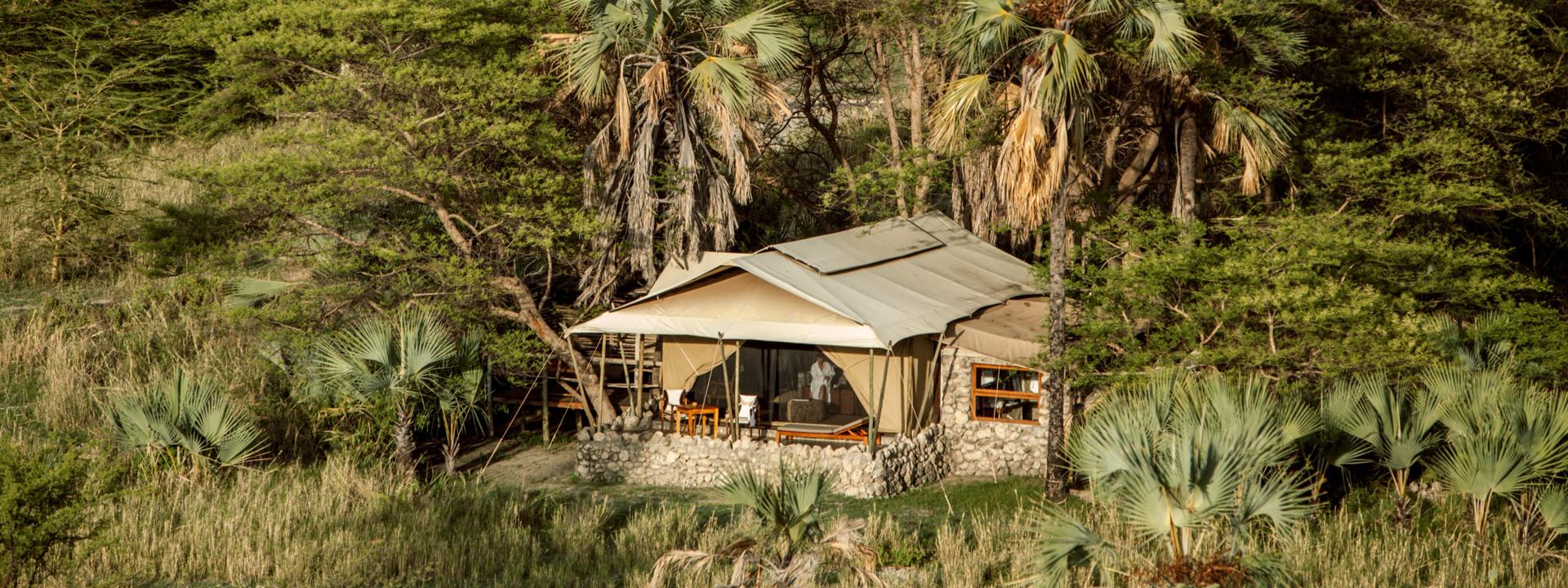
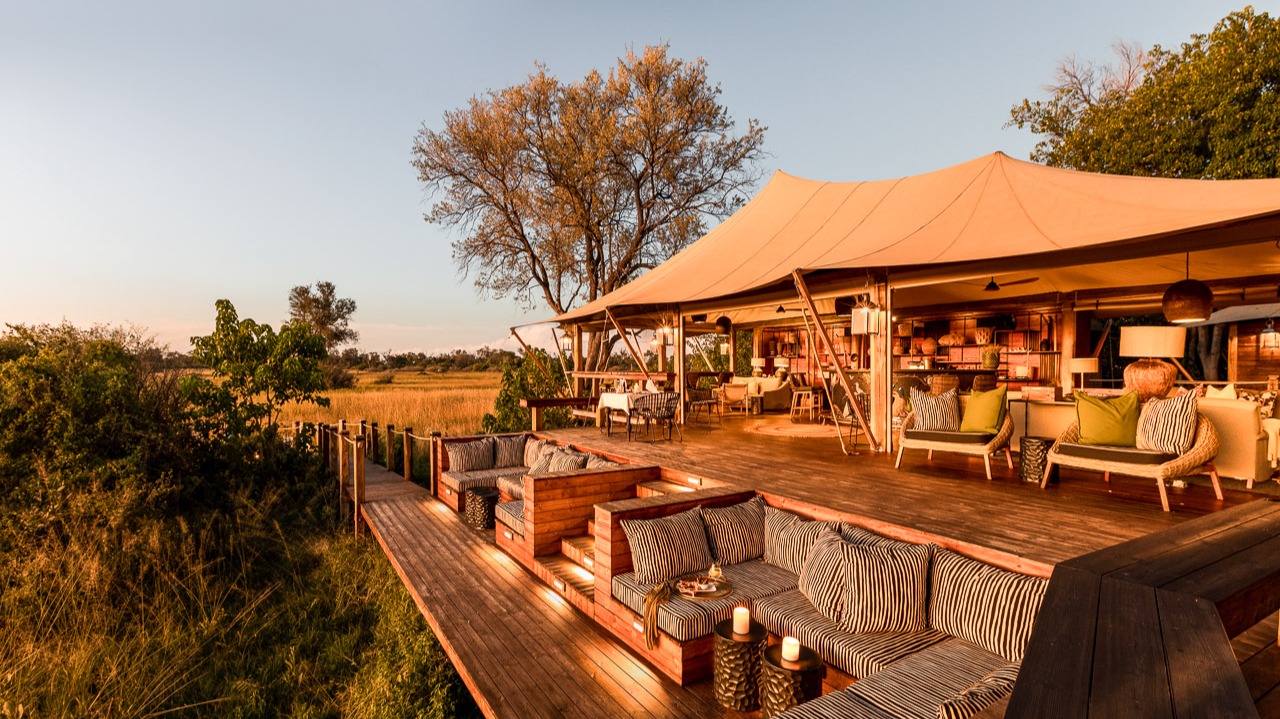
Tanzania's Serengeti boasts world-class camps like those in the Tanzania northern circuit, offering canvas suites with private plunge pools overlooking migration routes. These intimate properties, capping at 12 tents, ensure personalised game drives led by expert guides who track elusive leopards at dawn.
Zimbabwe elevates luxury in Hwange with lodges nestled amid rocky kopjes, featuring star-bed experiences under milky skies. Eco-conscious designs incorporate solar power and anti-poaching tech, blending opulence with conservation. Encounters Africa partners with select properties for seamless, high-end stays.
Top picks include Singita's remote camps in Serengeti for panoramic views and &Beyond's Hwange outposts for waterhole vigils from deck chairs. Budget for all-inclusive rates covering twice-daily drives, gourmet bush meals, and cultural village visits.
Serengeti: Lamai Serengeti or Four Seasons Safari Lodge (migration-frontier luxury)
Hwange: Somalico or Davison's Camp (elephant-centric seclusion)
Wildlife and Activities: Comparing Experiences
Serengeti safaris revolve around the migration's choreography—hot-air balloon rides capture 360-degree vistas of serpentine herds, while night drives reveal nocturnal hunters. Walking safaris in the Moru Kopjes uncover ancient rock art alongside rhino reintroduction successes, with populations rebounding to 50+ individuals since 2020.
Hwange counters with hide photography at night-lit waterholes, where wild dogs den nearby. Canoeing on nearby Zambezi or horseback trails through mopane scrub add variety. Zimbabwe's lower tourist density means more exclusive encounters, with guides sharing folklore of spirit mediums tied to the land.
Key difference: Serengeti's predictability versus Hwange's serendipity—elephants might trumpet mere metres from your vehicle.
Planning a Combined Tanzania-Zimbabwe Safari
Link these destinations via flights from Serengeti's airstrips to Victoria Falls, then Hwange—total journey time under 4 hours. A 10-day itinerary might allocate 4 days Serengeti (migration), 3 Hwange (elephants), and 3 at Victoria Falls for adrenaline pursuits like sunset cruises amid hippo pods.
Visa logistics favour Zimbabwe's single-entry for the region, plus Tanzania's e-visa. Pack layers for Serengeti's 5-30°C swings and Hwange's crisp dry nights. Encounters Africa designs these multi-country odysseys, incorporating Zimbabwe safaris with seamless transfers.
Costs range £8,000-£15,000 per person for 10 days, all-inclusive, reflecting lodge exclusivity and private guiding.
Why Choose a Tanzania or Zimbabwe Safari with Encounters Africa
This comparison reveals Tanzania's Serengeti as the migration epicentre, ideal for spectacle seekers, while Zimbabwe's Hwange suits elephant aficionados craving intimacy. Both promise transformative encounters, from predator chases to baobab silhouettes at dusk.
For discerning travellers seeking private safaris beyond set itineraries, contact Encounters Africa directly at /enquiry-form.html. We specialise in tailor-made journeys across Zimbabwe and Tanzania, crafting seamless experiences through our network of premier camps.
Whether mesmerised by wildebeest rivers or elephant matriarchs, these safaris redefine wilderness immersion. Reach out to curate your perfect adventure today.
More like this
destination guides
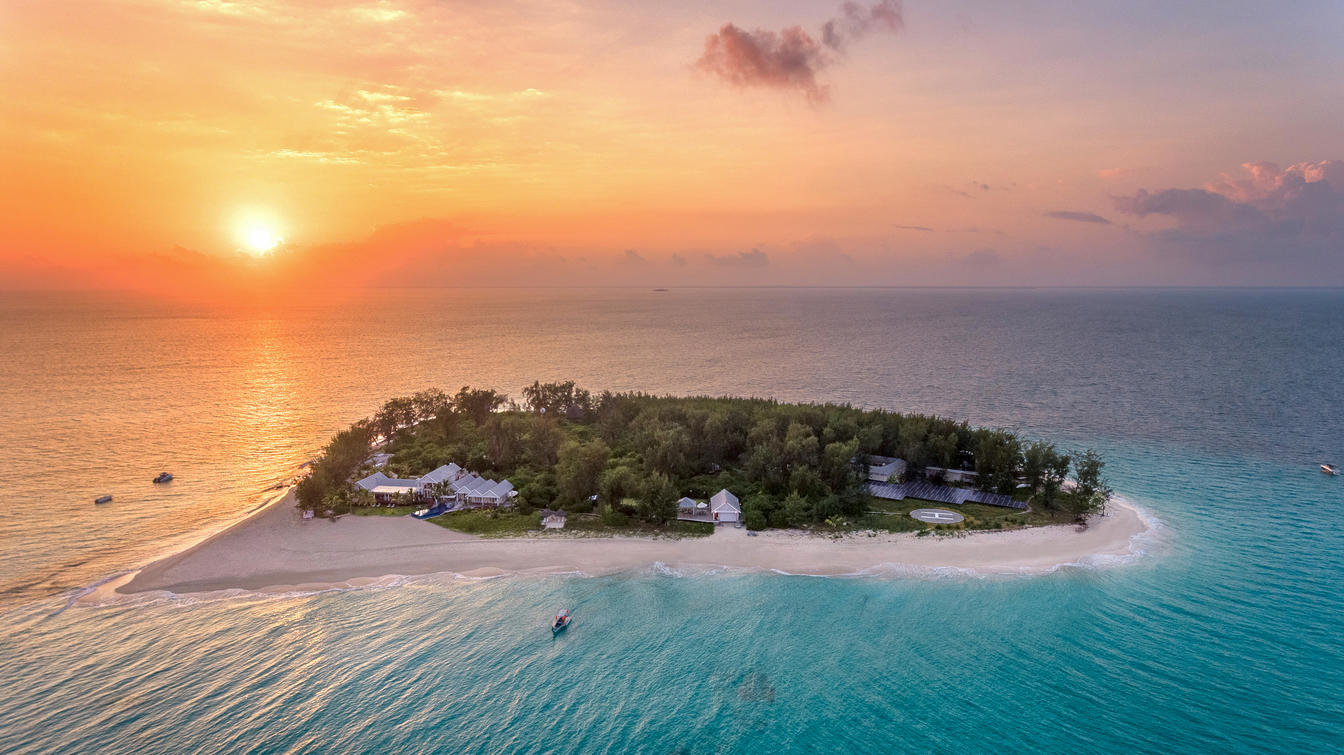
Thanda Island: Tanzania's Exclusive Private Island Sanctuary
destination guides
Top 5 Safaris Spanning Zimbabwe and Zambia
destination guides
Tracing a Tuscan Escape to Cape Winelands: Italy-South Africa Lodging Paths
destination guides
Tracking the Wildebeest at Olakira: A Guest's Chronicle from Migration Camp Tents
destination guides
Tree Camp Reverie: Living Among Sabi Sand's Leopard Clans
destination guides