tips and advice
Why Standard Travel Insurance Leaves Safari Guests Exposed in Remote Wilderness
Encounters Africa - 8 min read
Updated on 27 August 2026
Standard travel insurance often leaves safari guests exposed in remote wilderness areas because ordinary policies rarely include the specialised medical evacuation cover essential when an incident occurs hours from the nearest hospital. In vast landscapes across Kenya, Tanzania, Botswana and Zambia, the distance between a luxury tented camp and adequate medical facilities can exceed several hundred kilometres. This article explores precisely why conventional cover falls short, what dedicated evacuation membership schemes actually provide, and the practical steps travellers should take before departure.
Encounters Africa is the specialist arm for safaris beyond Namibia, covering South Africa, Botswana, Kenya, Tanzania, Rwanda, Uganda, Zambia and Zimbabwe. Cape Town-based with three decades of combined experience, we book directly with camps and lodges, tailoring journeys for individuals, couples, families and private groups of up to eight using our 81 published itineraries that can all be reshaped. (Learn about our safaris beyond Namibia) (Discover more about our approach)
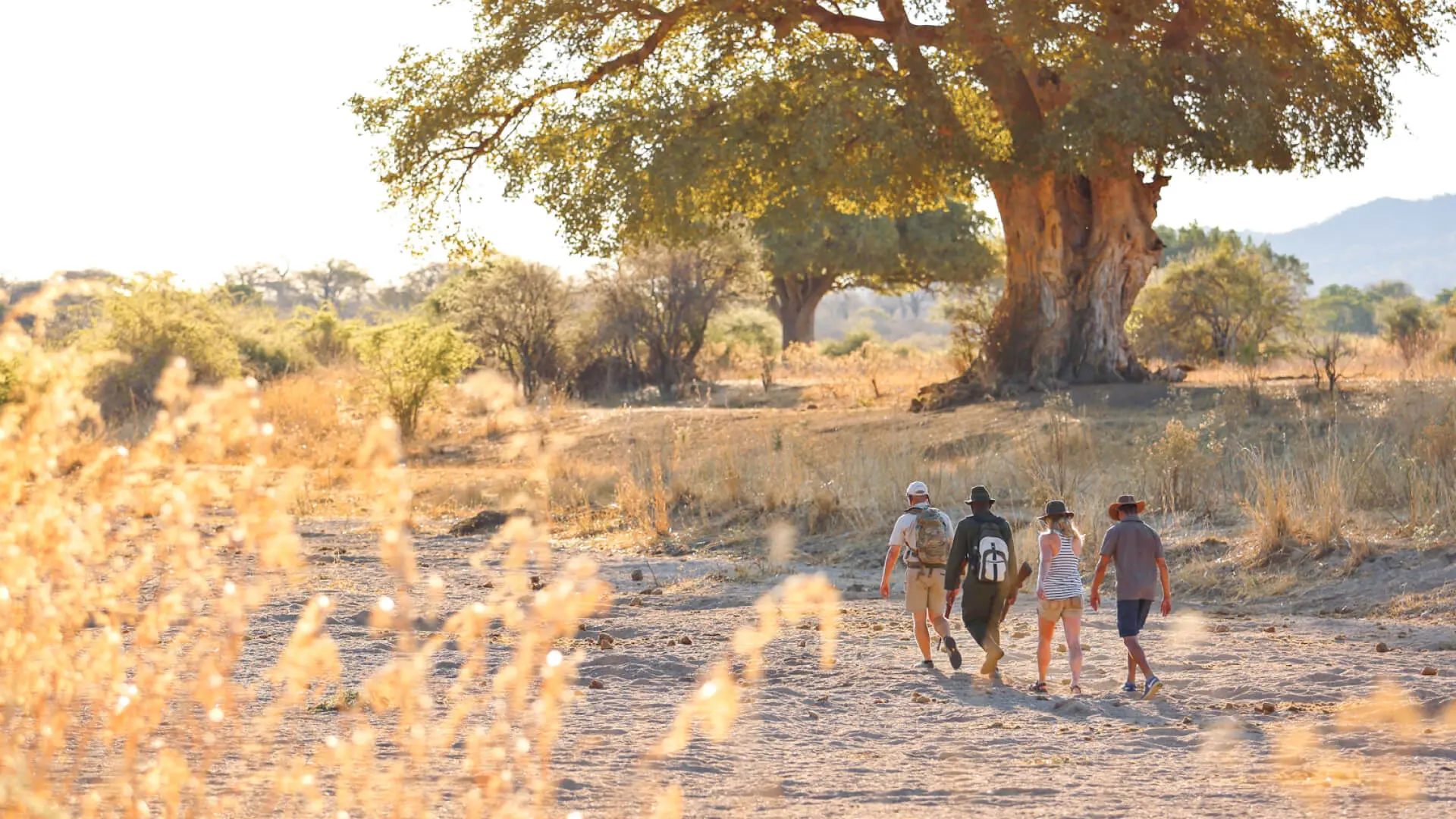
The African bush delivers profound beauty, yet its very remoteness demands travellers secure protection that matches the environment they are entering.
Why Conventional Travel Insurance Often Proves Inadequate for Safari Journeys
Most standard travel insurance policies are designed for urban holidays or beach resorts where emergency services arrive within minutes. On safari, the reality differs sharply. A vehicle accident on a dirt track, a severe allergic reaction, or an unexpected cardiac event may require urgent transfer by light aircraft or helicopter to a major hospital in Johannesburg, Nairobi or Lusaka. These evacuations routinely cost between $25,000 and $150,000 depending on distance, aircraft type and medical team required.
Standard policies frequently exclude or severely limit coverage for activities considered high-risk, including game drives after dark, walking safaris with armed rangers, or travel in areas without paved roads. Many also impose strict time limits on medical repatriation or require travellers to use specific providers that simply do not operate in Southern or East Africa. The result leaves guests facing substantial out-of-pocket expenses at the very moment they are most vulnerable.
Distance is the defining challenge: what seems like a straightforward medical matter in Europe can become a complex logistical operation when the nearest suitable facility lies across national borders and several hours of flying time away.
Understanding Medical Evacuation in Remote African Wilderness
Medical evacuation, often shortened to medevac, involves the organised removal of an injured or seriously ill person from a remote location to appropriate care. In safari regions this frequently means an urgent air transfer from a bush airstrip accessible only by four-wheel-drive vehicle. The process demands coordination between camp staff, specialist medical teams on standby, aviation operators and receiving hospitals. Every hour counts, particularly in cases of trauma, severe dehydration or tropical illnesses.
Private safari operators maintain close relationships with established evacuation organisations precisely because they understand these risks. When a guest requires assistance, the camp manager activates a pre-arranged protocol that bypasses the delays common with ad-hoc insurance claims. This seamless activation often makes the difference between rapid recovery and far more serious outcomes.
Realistic Risks Encountered on Safari
While dramatic wildlife encounters make headlines, the majority of medical incidents on safari involve more mundane but still serious conditions: road traffic accidents on corrugated tracks, tick-borne diseases, food sensitivities in remote kitchens, or pre-existing conditions aggravated by altitude or heat. Malaria remains a consideration in many areas despite rigorous prevention measures, and its complications can escalate quickly.
These incidents rarely make the news, yet they occur with enough frequency that professional safari companies treat evacuation membership as non-negotiable for every guest.
Do You Need Medical Evacuation Cover for a Safari?
Yes, dedicated medical evacuation cover is strongly recommended for any safari that ventures into remote wilderness areas. Standard travel insurance frequently excludes or caps the high-cost air evacuations required when incidents occur far from major medical centres. Professional evacuation schemes provide immediate response, cover costs up to $150,000 or more per incident, and work directly with safari operators to ensure rapid activation without the need for upfront payment from the traveller. For journeys to destinations such as the Okavango Delta, remote conservancies in Kenya, or walking areas in South Luangwa, this specialised protection offers essential peace of mind. Always confirm that your chosen policy or membership explicitly lists air ambulance transfers from bush locations and has no geographic exclusions for the countries you plan to visit.
What Dedicated Evacuation Membership Schemes Actually Cover
Specialist membership organisations such as Global Rescue, AMREF Flying Doctors and the African Medical & Research Foundation operate dedicated networks across the continent. Their services typically include 24-hour emergency coordination centres staffed by physicians familiar with African conditions, access to both fixed-wing aircraft and helicopters where available, and ground support teams that can reach remote camps within hours of a call.
Coverage usually extends to medical evacuation, repatriation of mortal remains, and sometimes emergency medical expenses that standard insurance might decline. Many schemes also offer security extraction in the unlikely event of political instability or natural disaster. Unlike traditional insurance, these memberships often guarantee payment directly to the service providers, removing the financial burden from guests at the time of crisis.
Membership fees vary by level of cover and duration, with annual options proving particularly cost-effective for frequent travellers to Africa. Some premium safari camps include basic membership as part of the booking, yet independent confirmation remains wise to ensure the level of protection matches individual health profiles and travel plans.
These organisations do not replace comprehensive travel insurance; rather they complement it by addressing the specific evacuation risks that ordinary policies routinely exclude.
When and How to Arrange Proper Protection Before Departure
The ideal moment to secure both standard travel insurance and specialist evacuation cover is immediately after confirming your safari booking. Many policies require purchase within a set number of days of paying your deposit to activate cancellation protection. For evacuation membership, joining at least two weeks before travel allows time for documentation to reach the relevant organisations and for any medical screening they may require.
Review policy wording carefully for safari-specific activities. Walking safaris, mokoro excursions in the Okavango Delta, and hot-air balloon flights all carry particular classifications. Disclose any pre-existing medical conditions fully; failure to do so can invalidate cover precisely when it is needed most. Keep digital and printed copies of membership cards, emergency contact numbers and policy details easily accessible on your phone and in your travel wallet.
Questions to Ask Your Safari Specialist
When discussing arrangements with a trusted operator such as Encounters Africa, enquire which evacuation providers the camps work with most frequently. Ask whether the chosen lodges maintain their own membership or expect guests to arrange individual cover. Clarify what happens in the event of a medical emergency during a light-aircraft transfer between camps, as this transitional period can sometimes fall into grey areas between policies.
Experienced safari designers can also advise on camps with resident doctors or those located closer to reliable medical facilities for travellers with specific health considerations.
Complementary Insurance Considerations for African Safaris
Beyond evacuation, comprehensive cover should address trip cancellation due to illness, lost or delayed luggage containing essential medication, and personal liability in the rare event of an incident involving wildlife. Baggage policies should accommodate the soft-sided duffel bags required by many light-aircraft operators rather than rigid suitcases.
Consider adding adventure-sports extensions if your itinerary includes activities such as canoeing on the Zambezi or horseback riding through private concessions. For families travelling with children, verify that paediatric evacuation and accompanying parent cover are included at appropriate levels.
Peace of Mind Enhances Every Safari Experience
Knowing that robust protection sits quietly in the background allows travellers to embrace the African wilderness with open hearts. The pre-dawn silence broken only by distant lion calls, the thrill of tracking fresh elephant spoor on foot, and the profound connection forged around a campfire under starlit skies become even richer when practical concerns have been properly addressed.
Encounters Africa draws on deep regional knowledge to ensure every element of a journey receives careful attention, including the sometimes overlooked but vital matter of appropriate insurance. By partnering with specialist providers and experienced camps, we help travellers focus entirely on the extraordinary landscapes and wildlife encounters that make these journeys unforgettable.

Secure the Right Protection for Your Safari Journey
Travel insurance and medical evacuation cover represent essential components of responsible safari planning rather than optional extras. Standard policies frequently fall short precisely where the African wilderness demands the most, making dedicated membership schemes an important consideration for any journey into remote areas.
For discerning travellers seeking a private safari beyond our set itineraries, we invite you to contact us directly. We specialise in designing exceptional, tailor-made journeys for individuals, couples, families, and private groups of up to eight guests. Drawing on our handpicked network of distinguished camps and lodges, we curate every detail with precision and care, creating a seamless, deeply personal safari experience shaped entirely around your preferences, pace, and budget. Please visit our enquiry form to begin the conversation about your next African adventure.
More like this

tips and advice
Why Your Duffel Bag Could Cancel Your Luxury African Safari Flight
tips and advice
Your Essential Guide to Exploring the Waterberg Biosphere
tips and advice
Your First Journey to Bulawayo, Zimbabwe: Essential Tips
tips and advice
Your Guide to a Luxury Lower Zambezi Safari Adventure
tips and advice
Your Important Guide to Travelling to Mozambique: Tips and Advice
tips and advice