destination guides
Why Your Third Safari Should Skip the Big Five Checklist
Encounters Africa - 8 min read
Updated on 27 August 2026
Seasoned travellers often discover that moving past a species tally list opens richer experiences in less-visited corners of Botswana's Okavango, Zambia's Luangwa Valley and Tanzania's remote southern parks. On your third safari the landscape itself begins to speak more clearly, the rhythms of a place settle into memory, and the quiet thrill of recognition replaces the rush of first discovery.
Encounters Africa is part of the Secret Namibia group and is the specialist arm for safaris beyond Namibia, covering South Africa, Botswana, Kenya, Tanzania, Rwanda, Uganda, Zambia and Zimbabwe. Cape Town-based with three decades of combined experience, we book directly with camps and lodges, tailoring journeys for individuals, couples, families and private groups of up to eight using our 81 published itineraries that can all be reshaped.
The Shift That Happens After Two Safaris
Most first-time visitors chase the iconic checklist: lion, leopard, elephant, buffalo, rhino. The second journey often refines that list, adding particular behaviours or photographic goals. By the third, many travellers find the checklist itself has lost its hold. What emerges instead is a desire to linger, to watch one troop of baboons navigate their territory for an entire morning, or to follow the seasonal pulse of a floodplain as it breathes with the rains.
This evolution changes how we plan each day. Instead of racing between sightings, the focus turns to ecosystem stories, the interplay of predator and prey, the small dramas that unfold when vehicles are few and time feels abundant. The air carries different weight in these quieter corners; dust after a distant herd, the mineral scent of floodwater, woodsmoke drifting from a campfire at dusk.

The third safari is less about collecting species and more about understanding the intricate web that sustains them.
Why the Classic Circuits Begin to Feel Crowded
The great migration plains of the Masai Mara and the bustling waterways of the Chobe River Front deliver unforgettable theatre on a first visit. Yet on subsequent journeys the volume of vehicles can dilute the sense of wilderness. Guides work hard to create space, but the very popularity that makes these areas accessible also changes their tempo.
Repeat travellers often seek regions where private concessions or community-managed lands limit daily vehicle numbers to single digits. Here the same charismatic species appear, yet their behaviour feels less rehearsed. A leopard may hunt in full view rather than melting into shadow at the approach of the third vehicle. The difference is subtle until you experience it.
Where Should You Go on a Repeat African Safari?
Savanna woodlands and wetland systems that reward patient observation over rapid ticking, such as Zambia's South Luangwa or Botswana's northern concessions, where the focus shifts from sightings volume to intimate behaviour and ecosystem rhythm. Explore an example at this iconic Zimbabwe Botswana safari and contrast with fly-in wilderness at this Namibia explorer luxury fly-in safari.
Botswana’s Remote Northern Concessions
In the Selinda Reserve and neighbouring private areas, the emphasis moves from volume to depth. The Okavango Delta remains a highlight, yet instead of the well-trodden central zones, consider the drier woodlands further north where wild dog packs hunt across vast territories.
Days here might begin with a gentle mokoro glide through narrow channels, the pole dipping silently into clear water while malachite kingfishers flash past. Later, a walking guide might show you the difference between a fresh hyena track and one made hours earlier. These experiences build on previous safaris, layering knowledge that turns each sighting into a richer conversation with the landscape.
In the quiet concessions of northern Botswana, the absence of competing vehicles allows animals to behave as though you simply aren’t there.
The Magic of Night Drives
Many of these private areas permit after-dark exploration, revealing the parallel universe that awakens when the sun sets. Aardvarks, porcupines, and genets emerge under spotlight, their eyes reflecting like scattered stars. The experience adds an entirely new chapter to any traveller’s understanding of African ecosystems.
Zambia’s South Luangwa National Park
The Luangwa Valley offers one of the continent’s finest walking safari experiences. Here the miombo woodland meets the river in a landscape that feels intimate even when you stand on an open plain. The sheer density of game is impressive, yet what lingers is the quality of observation possible when your guide can stop for as long as the moment demands.
Walking with armed scouts and expert naturalists, you learn to read the bush in fine detail: the alarm call that signals a nearby leopard, the particular dust cloud raised by running impala. These skills transform every subsequent game drive, making you a more attuned observer long after you return home.
Seasonal Transformations
The valley changes dramatically with the rains. Between November and April the floodplains burst into life, drawing thousands of waterbirds. By the dry season the river shrinks to isolated pools where crocodiles and hippos concentrate. Each period offers its own rewards for those who have moved beyond simply ticking boxes.
Tanzania’s Southern Circuit
While the northern parks draw the majority of visitors, the south remains comparatively untouched. Tanzania’s Selous Game Reserve (now Nyerere National Park) and Ruaha offer vast spaces where a single vehicle might travel for hours without seeing another. The landscapes vary from riverine thickets to open baobab-studded plains.
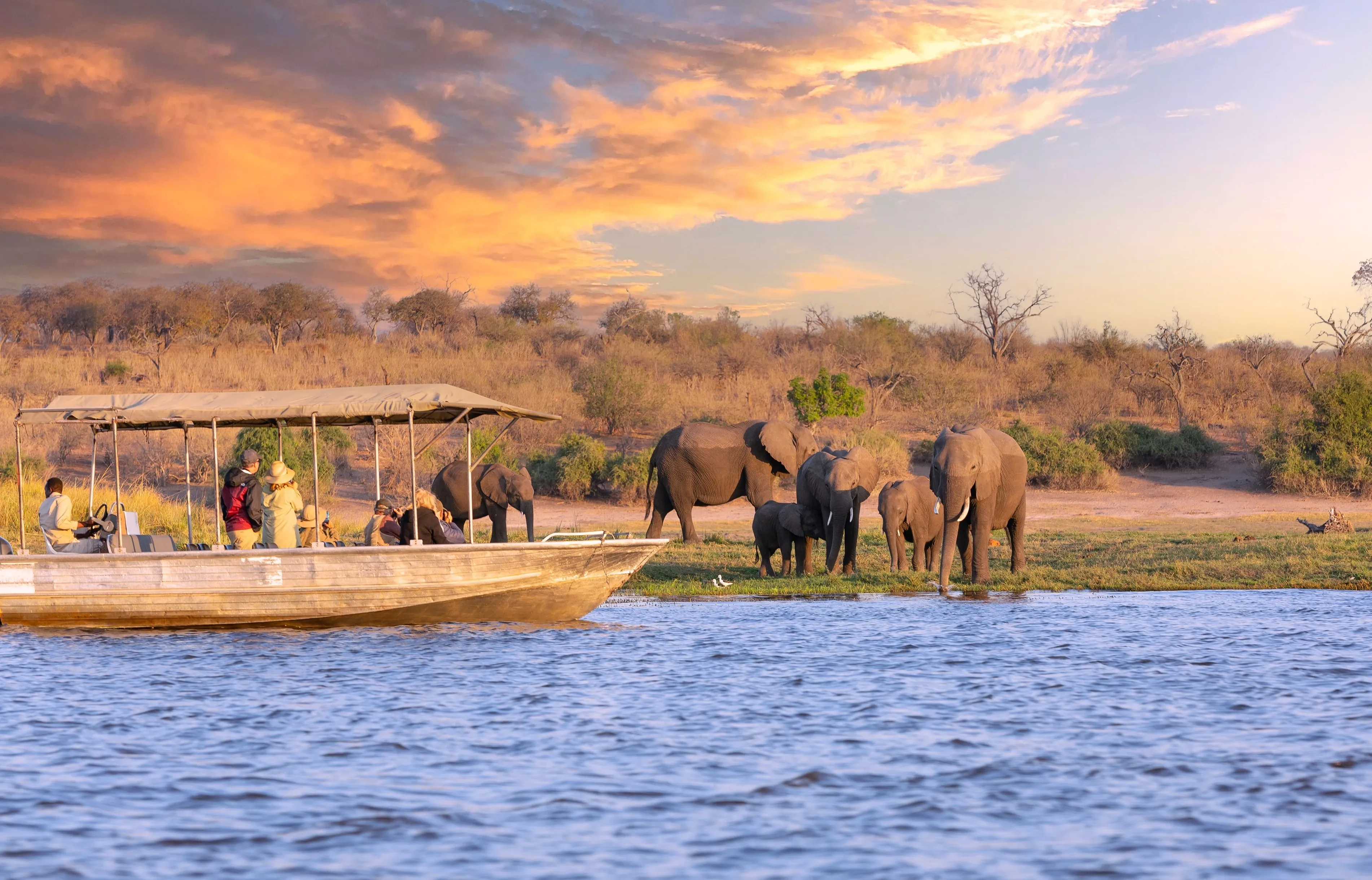
Boat safaris along the Rufiji River provide an entirely different perspective, gliding past pods of hippos and watching elephants cross the water with their trunks raised like periscopes. These experiences complement earlier visits to East Africa’s more famous parks, adding layers rather than repeating familiar scenes.
The southern parks of Tanzania invite you to slow down and notice details that racing between migration sightings often misses.
What Actually Changes in Your Safari Experience
Without the pressure of a mental checklist, conversations with guides become more nuanced. Questions shift from “Where are the lions?” to “Why has this pride chosen this particular territory?” The guides, sensing your genuine curiosity, share deeper knowledge about behavioural ecology, conservation challenges, and the delicate balance that maintains these wild places.
Evenings around the campfire stretch longer. Stories emerge not just of dramatic kills but of the quiet moments: a dung beetle rolling its prize across the sand, the intricate social dynamics within a troop of mongooses. These are the memories that remain years later.
Photography Without Pressure
Photographers often find their most compelling images on repeat visits when they can wait for the perfect light or watch a single subject until its behaviour reveals something unexpected. The golden light of late afternoon feels more precious when you have the luxury of time.
Practical Considerations for Repeat Visitors
Choosing the right season becomes even more important on subsequent journeys. The shoulder months often provide the best balance of wildlife concentrations and fewer fellow travellers. In many regions, the shoulder periods also bring dramatic skies and beautiful light for photography.
Accommodation choices shift too. Instead of large lodges with multiple vehicles per sighting, intimate bush camps with six or fewer tents allow for truly personalised experiences. The relationship with your guide often becomes closer in these settings, creating continuity across multiple days and activities.
Conservation and Community Connections
Many of these quieter areas are supported by tourism revenue that directly funds conservation and community development. Understanding these connections adds another dimension to the experience. When you know that your visit helps maintain wildlife corridors or supports local education programmes, each sighting carries additional meaning.
Experienced travellers frequently seek opportunities to contribute through carefully selected operators who maintain transparent relationships with the communities living alongside these wilderness areas. The knowledge that your journey supports long-term protection of these landscapes deepens the satisfaction of each day in the bush.
Planning Your Next Chapter
Your third safari represents an opportunity to explore Africa with new eyes. The animals remain magnificent, yet now they exist within a broader context of ecology, history, and conservation. The quieter regions reward this more contemplative approach with experiences that resonate long after the dust has settled on your boots.
For discerning travellers seeking a private safari beyond our set itineraries, we invite you to contact us directly. We specialise in designing exceptional, tailor-made journeys for individuals, couples, families, and private groups of up to eight guests. Drawing on our handpicked network of distinguished camps and lodges, we curate every detail with precision and care, creating a seamless, deeply personal safari experience shaped entirely around your preferences, pace, and budget.
Discover how a return journey to Africa’s less-travelled wilderness can refresh your connection with the continent. Visit our enquiry form to begin shaping an experience that builds meaningfully on your previous safaris. Whether you choose the winding rivers of the Luangwa, the hidden channels of the Okavango, or the rugged beauty of Tanzania’s south, your next chapter awaits.
More like this
destination guides
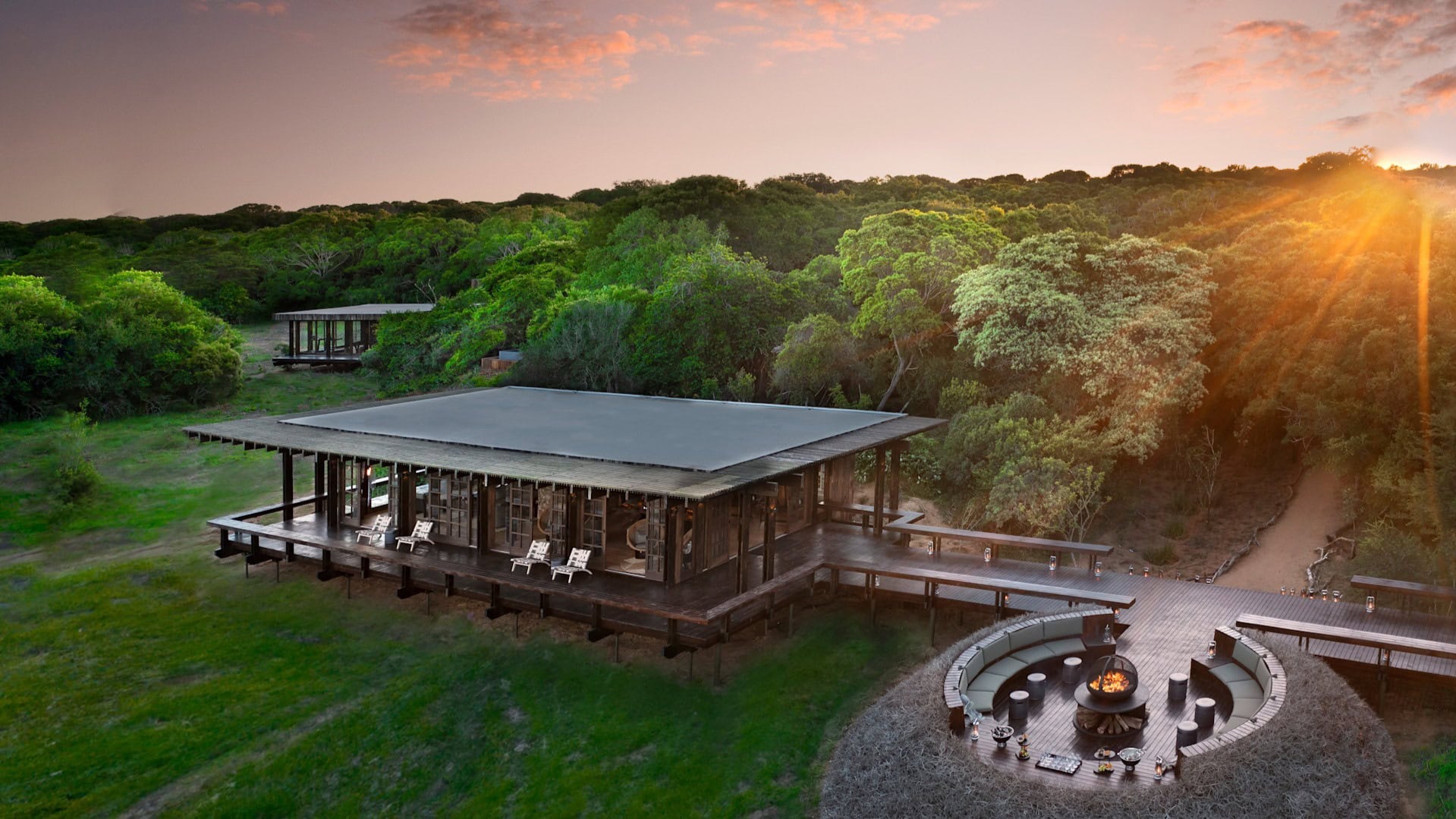
Woodland Whispers: Settling into Phinda Forest Lodge's Treehouse Rooms
destination guides
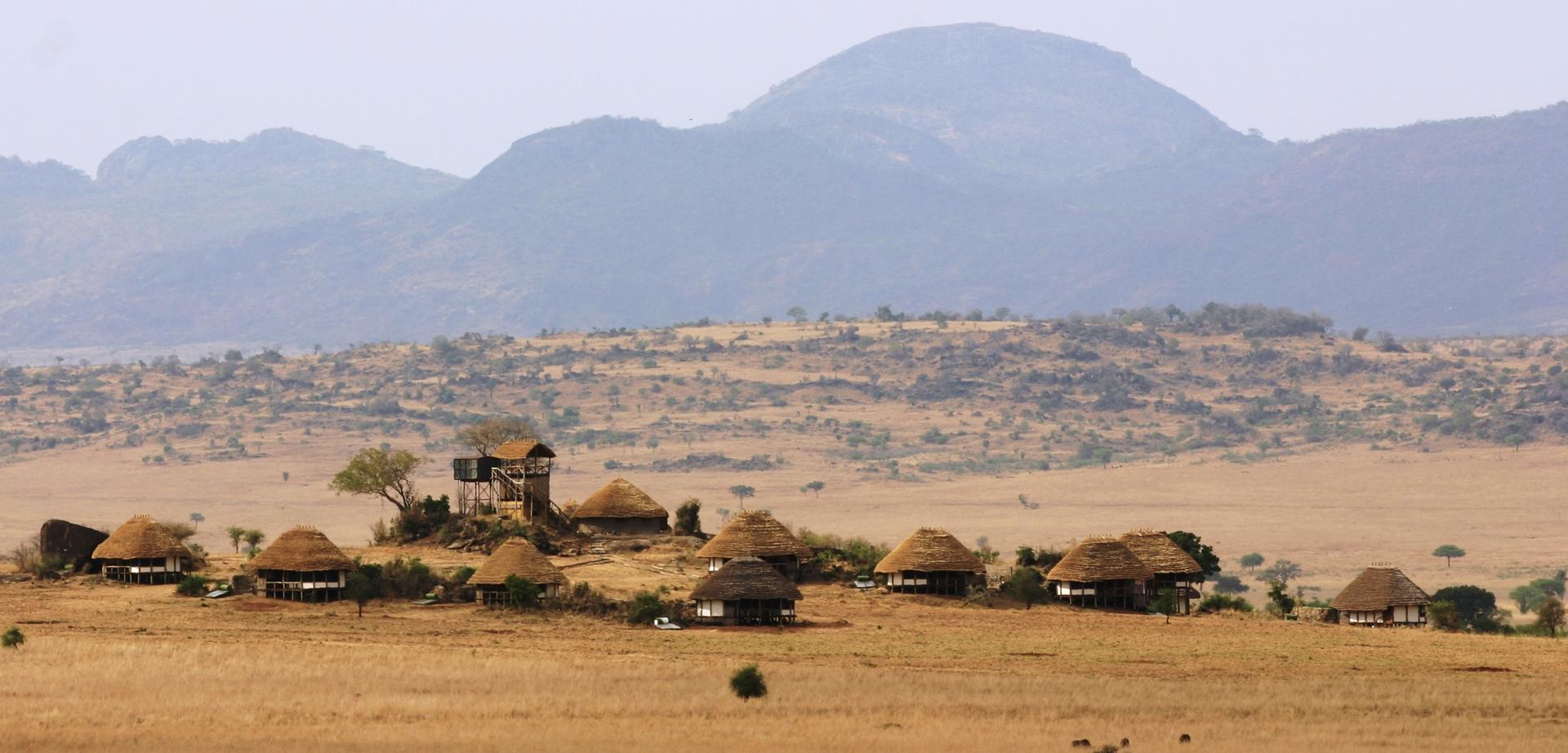
Your Definitive Guide to Uganda's Luxury Safari Packages
destination guides
Your Essential Guide to Addo Elephant National Park, South Africa
Destination Guides
Your Guide to the Best Time to Visit Africa
destination guides
Your Ultimate First-Time Journey to Namibia's Fish River Canyon
destination guides