Tanzania - Fly-in safari
10-Day Tanzania & Zanzibar Safari
The journey
Updated on 18 September 2026
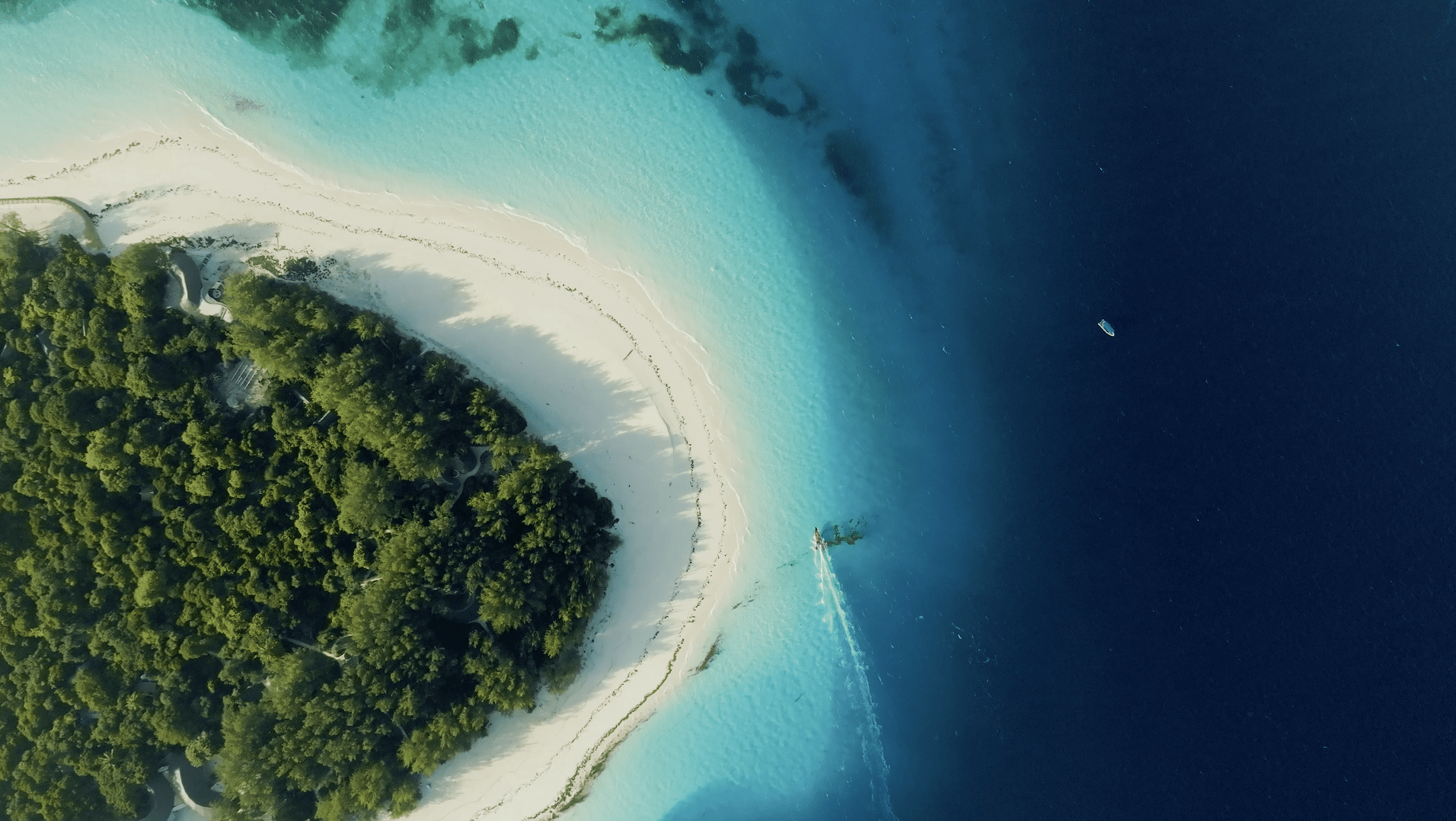
Tanzania is one of the few countries where the safari and the beach sit inside the same border, and where a single scheduled light aircraft links them. This programme runs the northern circuit first and the coast second, which is the right order. You reach the island with the early starts behind you rather than ahead of you, and you fly home out of Zanzibar rather than doubling back to Kilimanjaro. Six nights cover the Ngorongoro Crater and two contrasting parts of the Serengeti. You sleep on the crater rim at Lemala so the descent happens at first light, ahead of the day vehicles from Karatu. You then move to One Nature Nyaruswiga in the central Serengeti for the Seronera Valley leopards, and north to Nomad's Lamai Serengeti above the Mara River. Three nights on Mnemba Island close it out: twelve bandas inside a marine conservation area, with the reef a few metres off the sand. July to October puts the herds in the north and the ocean at its calmest. January to March swaps the northern leg for the Ndutu calving grounds and gives you the warmest, clearest water of the year. From mid-March to the end of May the camps on this routing close for the long rains, so those dates run on a different combination.Your camps, day by day
Stay 1
Arrival in the Coffee Country
Stay 2
Up to the Crater Rim
Stay 3
Down into the Crater
Stay 4
Seronera Valley Leopards
Stay 5
North to the Mara River
Stay 6
Waiting on the Bank
Stay 7
Serengeti to the Indian Ocean
Stay 8
Reef and Green Turtles
Stay 9
A Day on the Atoll
Stay 10
Departure from Zanzibar
Safari highlights
- Six nights on the northern circuit, three on the Indian Ocean
- Dawn descent into the Ngorongoro Crater from a rim camp
- Central Serengeti leopards, then the Mara River in the far north
- One scheduled flight from the Serengeti straight to Zanzibar
- Three nights on Mnemba, twelve bandas on a private island
- Every Serengeti and Ngorongoro fee costed, crater service fee included
What is included
Included
- 9 nights accommodation, per person sharing
- Light aircraft Seronera to Kogatende, and the scheduled Kogatende to Zanzibar sector, both at their published single-class fares
- Road transfer Kilimanjaro International to Arusha, and the road and dhow transfer between Zanzibar airport and Mnemba Island in both directions
- Private extended-body 4x4 Land Cruiser with a driver-guide for the Arusha to Ngorongoro to Serengeti leg, fuel included
- Serengeti National Park entry at USD 70.80 to 83 per person per 24 hours, plus the concession fee of USD 71 per person per night, for all four nights inside the park
- Ngorongoro Conservation Area entry at USD 70.80 per person per 24 hours, the concession fee of USD 59, and the crater service fee of USD 295 per vehicle plus 18 percent VAT for one descent
- All meals, house drinks and laundry at Lemala Ngorongoro, One Nature Nyaruswiga and Lamai Serengeti, twice-daily game drives at One Nature and Lamai, the crater game drive by your private vehicle, and dinner, bed and breakfast at Legendary Lodge
- All meals, house drinks, snorkelling and non-motorised watersports on Mnemba Island, which is fully inclusive, so unlike most Zanzibar hotels no meals fall outside the price
- Mnemba marine conservation area levy, the Tanzania tourism development levy and AMREF Flying Doctors evacuation cover
Not included
- International flights to and from Africa
- Tanzania visa, currently USD 50 for most nationalities and USD 100 for United States passport holders
- Travel and medical insurance, including emergency evacuation cover, which is compulsory on this programme
- Zanzibar infrastructure tax of USD 4 per room per night, payable in cash at the property
- Champagne, premium wines and imported spirits
- Certified scuba dives and courses on Mnemba, from about USD 130 per dive, and spa treatments
- Gratuities for guides, pilots, boat crew and camp staff, and items of a personal nature
Frequently asked questions
How much does a 10-day Tanzania and Zanzibar safari cost?
This programme starts at USD 24,880 per person sharing in shoulder season and reaches about USD 29,280 at peak. That covers nine nights at Legendary Lodge, Lemala Ngorongoro, One Nature Nyaruswiga, Lamai Serengeti and Mnemba Island, the private vehicle on the crater leg, both internal flights, all meals throughout, and every Serengeti and Ngorongoro fee including the crater service fee.
Are international flights included in a Tanzania and Zanzibar safari?
No. International flights to and from Africa are excluded. You book your own arrival into Kilimanjaro International and your departure out of Zanzibar, usually routing via Doha, Istanbul, Amsterdam, Addis Ababa or Nairobi. Every flight inside the itinerary is included: the light aircraft from Seronera to Kogatende, and the scheduled sector from Kogatende across the country to Zanzibar.
Can you fly directly from the Serengeti to Zanzibar?
Yes. Scheduled light aircraft run daily from the Serengeti airstrips to Zanzibar, just under five hours from Kogatende in the far north with two stops, or roughly two and a half hours from Seronera. It is a single-class sector, so there is no business fare to average against and no premium to pay. Baggage is capped at 15 kilogrammes per person in a soft bag.
How many nights do I need in Zanzibar after a safari?
Three is the working minimum. Most of one day goes to the flight and the transfer, so two nights leaves you a single clear day on the sand. Three gives you two full days, enough to dive or snorkel the Mnemba atoll properly and still spend a day doing nothing. Five or six suits travellers who also want two nights in Stone Town.
How much are Serengeti and Ngorongoro park fees in 2026?
Serengeti National Park entry is USD 70.80 per non-resident adult per 24 hours in low season and USD 83 in peak, VAT included, plus a concession fee of about USD 71 per person per night for camps inside the park. Ngorongoro Conservation Area entry is USD 70.80 per person per 24 hours, and the crater service fee is USD 295 per vehicle plus 18 percent VAT per descent. All of these are included here.
When is the best time to combine a Tanzania safari with Zanzibar?
July to October is the strongest pairing. The herds are on the Mara River in the northern Serengeti, the bush is dry and open, and the Indian Ocean is calm. January to March is the other window: the wildebeest calve at Ndutu, roughly 8,000 born a day in February, and Zanzibar has its warmest, clearest water. This routing cannot run from mid-March to the end of May, when Lamai Serengeti and Mnemba Island close for the long rains; we re-route those dates onto camps that stay open.
Do I need malaria tablets for Zanzibar?
Zanzibar is a low-risk malaria area rather than a malaria-free one, and the mainland Serengeti is a genuine risk area, so prophylaxis is advised for the whole trip. A yellow fever certificate is required only if you arrive from or transit more than twelve hours through a country with risk of transmission, which includes Kenya, Uganda and Ethiopia. Speak to your doctor eight weeks ahead.