South Africa - Fly-in safari
7-Day Phinda Private Reserve Safari
The journey
Updated on 18 September 2026
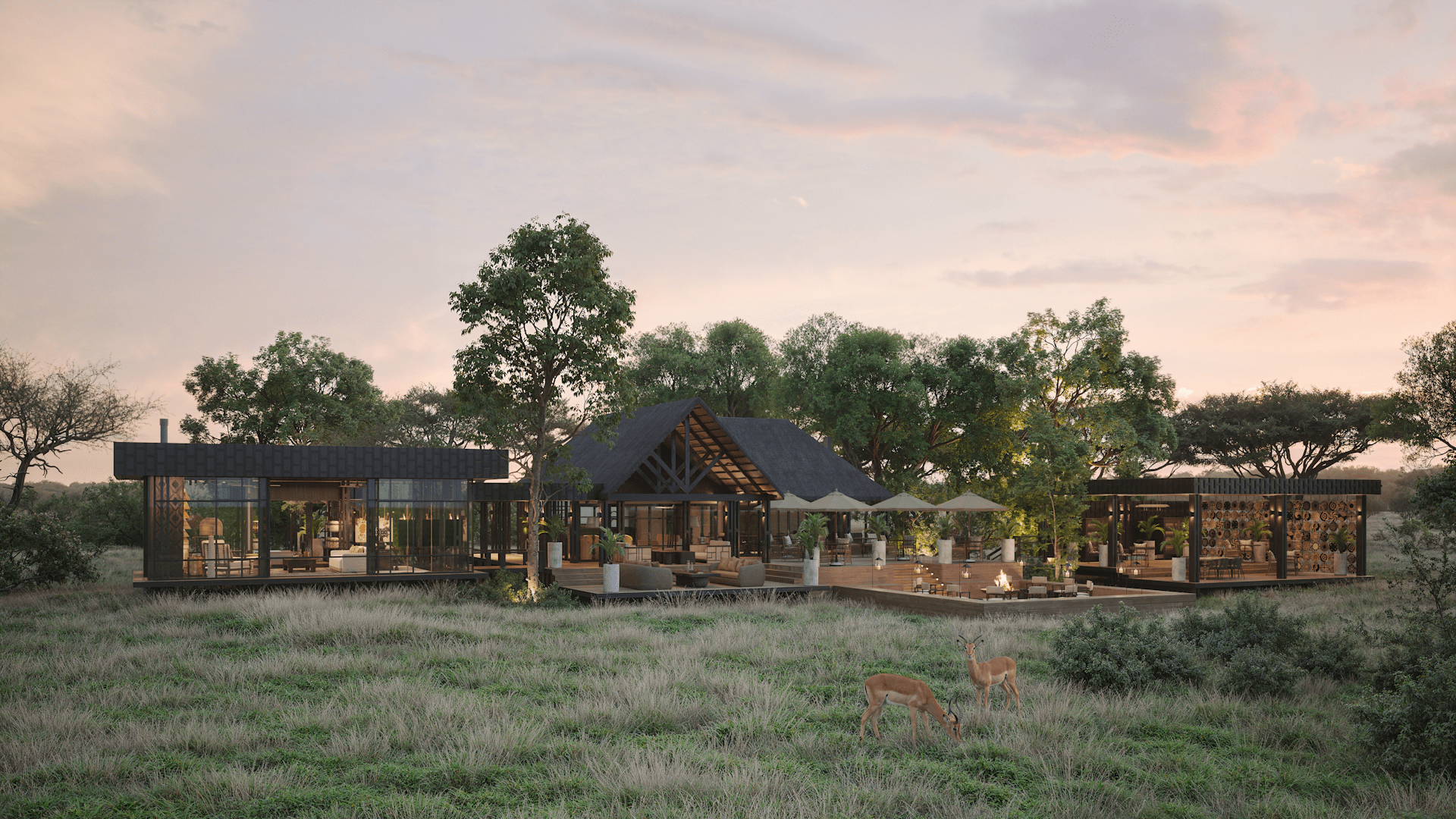
Phinda is andBeyond's flagship conservation story, 30,000 hectares of northern KwaZulu-Natal restored from farmland into a private Big Five reserve, and it does something the famous lowveld reserves cannot: variety. Seven distinct habitats fold into one traverse, from Africa's rarest woodland, the dry sand forest, through open marsh and palmveld to mountain bush, and each keeps its own cast. Cheetah hunt the grasslands in daylight, black rhino browse the thickets, and the sand forest hides red duiker and suni antelope found almost nowhere else. Vlei Lodge is the smallest and finest of Phinda's camps: six thatched suites with plunge pools on the sand forest's edge, looking over a marshy clearing where nyala and warthog graze between lion patrols. Six nights allows the full Phinda repertoire, twice-daily drives, rhino tracking on foot, river cruising on the Mzinene, and the reserve's signature black rhino conservation experiences. The Maputaland coast is close enough that a beach-and-turtle day trip to Sodwana Bay is a real option in season.Your camps, day by day
Stay 1
Johannesburg to the Sand Forest
Stay 2
Cheetah on the Marsh
Stay 3
Black Rhino Thickets
Stay 4
The Mzinene by Boat
Stay 5
Lions of the North
Stay 6
Seven Habitats in a Day
Stay 7
Phinda to Johannesburg
Safari highlights
- Six nights at Phinda Vlei Lodge, six suites only
- Seven habitats including Africa's rare sand forest
- Daylight cheetah hunts on the open grasslands
- Black rhino tracking in the thickets
- Plunge-pool suites on the forest edge
- Big Five viewing at honest prices
What is included
Included
- 6 nights accommodation, per person sharing
- Return scheduled flights Johannesburg-Phinda airstrip
- Road transfers between the airstrip and Vlei Lodge
- All meals, house wines, local spirits, beers and soft drinks
- Twice-daily game drives and guided bush walks
- A Mzinene River boat cruise, water levels permitting
- Phinda conservation levies, government taxes and VAT
- Laundry and emergency medical evacuation cover
Not included
- International flights to and from Africa
- Visas and entry permits
- Comprehensive travel and medical insurance
- Premium spirits, champagne and imported wines
- Specialist conservation experiences such as rhino notching
- Gratuities for guides, trackers and lodge staff
- Items of a personal nature, curios and telephone calls
Frequently asked questions
How much does a 7-day Phinda safari cost?
From USD 9,280 per person sharing, rising to about USD 9,880 in peak season, which makes Phinda one of the best-value private Big Five reserves in Africa. The price covers six nights at Vlei Lodge, all meals and house drinks, twice-daily game drives, walks, a river cruise and the return Johannesburg-Phinda flights. International flights to Africa are excluded and quoted separately.
What is the sand forest and why does it matter?
Dry sand forest is one of Africa's rarest habitats, an ancient dune woodland that survives in scattered patches of northern KwaZulu-Natal and southern Mozambique and almost nowhere else on earth. Phinda protects some of the best remaining stands. Walking it feels like entering a cathedral of torchwood and false tamboti, and it shelters specials like suni, red duiker and Neergaard's sunbird that no lowveld reserve can show you.
How good is the cheetah viewing at Phinda?
Among the best in southern Africa. Phinda reintroduced cheetah in 1992 and its open marsh and palmveld suit their hunting style perfectly; because the reserve's lion density is managed, the cheetah hunt confidently in daylight. Guides regularly position guests for full hunts from stalk to sprint, something even the famous Sabi Sand rarely offers.
How do you get to Phinda?
By scheduled Federal Airlines flight from Johannesburg direct to Phinda's own airstrip, about 1 hour 40 minutes, included in the price along with the short transfer to the lodge. Luggage is limited to 20 kg per person in soft bags. Road access from Durban, about 3 hours 30 minutes, works for self-drivers and can be quoted as an alternative.
When is the best time to visit Phinda?
May to September is the dry season: cooler, thinner bush and animals concentrated at water, with black rhino easier to find in the open. November to March is hot and green, with newborn antelope, superb birding and loggerhead and leatherback turtles nesting on the nearby Maputaland beaches, a genuine reason to choose summer here. April and October split the difference.
Is Phinda a malaria area?
Phinda sits in a low-risk malaria zone. Most clinics advise prophylaxis for the warm, wet months of November to April and simple precautions for the rest of the year. The suites are screened and the lodge provides repellent. No yellow fever certificate is required unless arriving from a country with transmission risk.