South Africa - Fly-in safari
7-Day Sabi Sand Big Five Safari
The journey
Updated on 18 September 2026
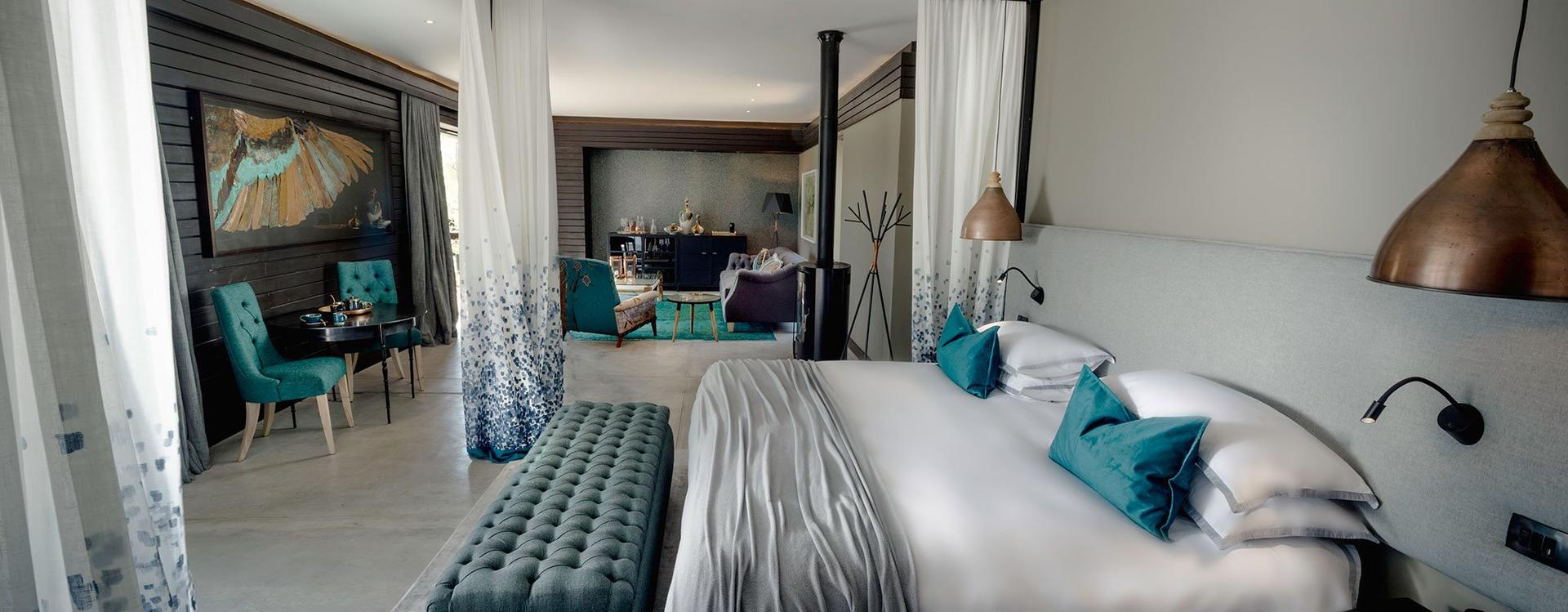
The Sabi Sand is a private reserve on the western boundary of Kruger National Park, unfenced, and it is where leopards learned to ignore vehicles. Londolozi rangers first sat with the Mother Leopard in 1979 and have kept records on seven generations of her descendants since. That is a longer continuous leopard record than anywhere else in Africa, and it is the reason the animals here behave the way they do. Six nights split across two camps gives you two traverses rather than one. Three nights at Londolozi Founders Camp on the Sand River, in the reserve's western sector, in the family's centenary year: the land was bought in 1926 and restored from worn-out cattle ground. Then ninety minutes north by road to Silvan Safari on the Manyeleti River, six suites in leadwood and jackalberry forest, where the country opens up and the lion prides move across the crests. Come between May and September for thin bush and animals pinned to the rivers, or between October and April for green grass, newborn impala and migrant birds. Sabi Sand rates hold steady year round, so the season is a question of what you want to see, not what you pay.Your camps, day by day
Stay 1
Into the Sand River
Stay 2
Seven Generations of Leopard
Stay 3
Tracks, Prints and Light
Stay 4
North to the Manyeleti
Stay 5
Lion Country in the North
Stay 6
The Full Sabi Sand Day
Stay 7
Last Light, Then Home
Safari highlights
- Seven recorded generations of Londolozi leopards, since 1979
- Two camps: Sand River classic and Manyeleti forest contemporary
- A ranger and Shangaan tracker on every game drive
- Londolozi's centenary year, 1926 to 2026
- Six suites only at Silvan Safari, Relais & Chateaux
- One-hour Airlink flight from Johannesburg to Skukuza
What is included
Included
- 6 nights accommodation, per person sharing
- Return Airlink flights Johannesburg (OR Tambo) to Skukuza, economy class
- Road transfer Skukuza Airport to Londolozi Founders Camp
- Inter-camp road transfer Londolozi Founders Camp to Silvan Safari
- Road transfer Silvan Safari to Skukuza Airport
- All meals and selected drinks at both camps
- Two open-vehicle game drives daily with a ranger and tracker, plus guided bush walks
- Sabi Sand Guest Conservation Contribution and reserve gate fees
- Laundry at both camps and use of the photographic studios
Not included
- International flights to and from Africa
- Visas and any visa fees
- Comprehensive travel insurance, including medical evacuation cover
- Premium drinks, champagne and rare vintages from the cellars
- Spa treatments at the Ansellia Orchid Spa
- Gratuities for rangers, trackers and camp staff
- Items of a personal nature, curio purchases and telephone charges
Frequently asked questions
How much does a 7-day Sabi Sand safari cost?
This programme starts at USD 20,580 per person sharing and runs to USD 21,180 over the festive peak. That covers six nights at Londolozi Founders Camp and Silvan Safari, all meals, selected drinks, two game drives a day, return Airlink flights between Johannesburg and Skukuza, every road transfer, and the Sabi Sand conservation contribution and gate fees.
Are international flights included in a Sabi Sand safari package?
No. International flights to and from Africa are excluded and booked separately. The price does include the regional leg: return Airlink economy flights between Johannesburg OR Tambo and Skukuza, roughly one hour each way, plus all road transfers inside the reserve. Most travellers arrive on an overnight flight into Johannesburg and connect to Skukuza the same morning.
Is the Sabi Sand the best place in Africa to see leopard?
It has the strongest claim. Londolozi rangers habituated the Mother Leopard in 1979 and have tracked seven generations of her descendants since, close to fifty years of continuous records on named individuals. Leopards here ignore vehicles rather than merely tolerate them, so sightings tend to be close, unhurried and repeated. Most guests see leopard on more than one drive.
When is the best time to visit the Sabi Sand?
May to September is the dry winter: thin bush, cold dark mornings, animals concentrated on the Sand and Manyeleti rivers. October to April is green, hot and better for birds and newborn impala. Sabi Sand rack rates barely move between seasons, so the gap between our low and peak price is about USD 500, not thousands.
Is the Sabi Sand a malaria area?
Yes. The Sabi Sand sits in a low-risk malaria zone on the Kruger boundary, and risk is lowest in the dry months from June to September. Speak to a travel clinic about prophylaxis before you travel, use repellent at dusk, and cover arms and ankles on evening drives. Both camps supply repellent and the suites are screened.
How many nights do I need in the Sabi Sand?
Six is the sweet spot, and splitting them gives you two different traverses. Three nights at Londolozi on the Sand River in the west, then three at Silvan on the Manyeleti River in the northern sector. Six nights means twelve game drives, which is normally enough to see all of the Big Five and to find leopard several times.
Do I need a visa for South Africa?
Most British, EU, US, Canadian and Australian passport holders are granted a 90-day visitor's entry on arrival at no cost. Your passport needs two blank facing pages and at least 30 days' validity beyond your departure date. Visa fees, where they apply, are not included in the price. Check the requirements for your nationality before booking, as rules change.