tips and advice
How Local Knowledge Transforms Your Shots of Uganda’s Wildlife
Encounters Africa - 10 min read
Updated on 21 July 2026
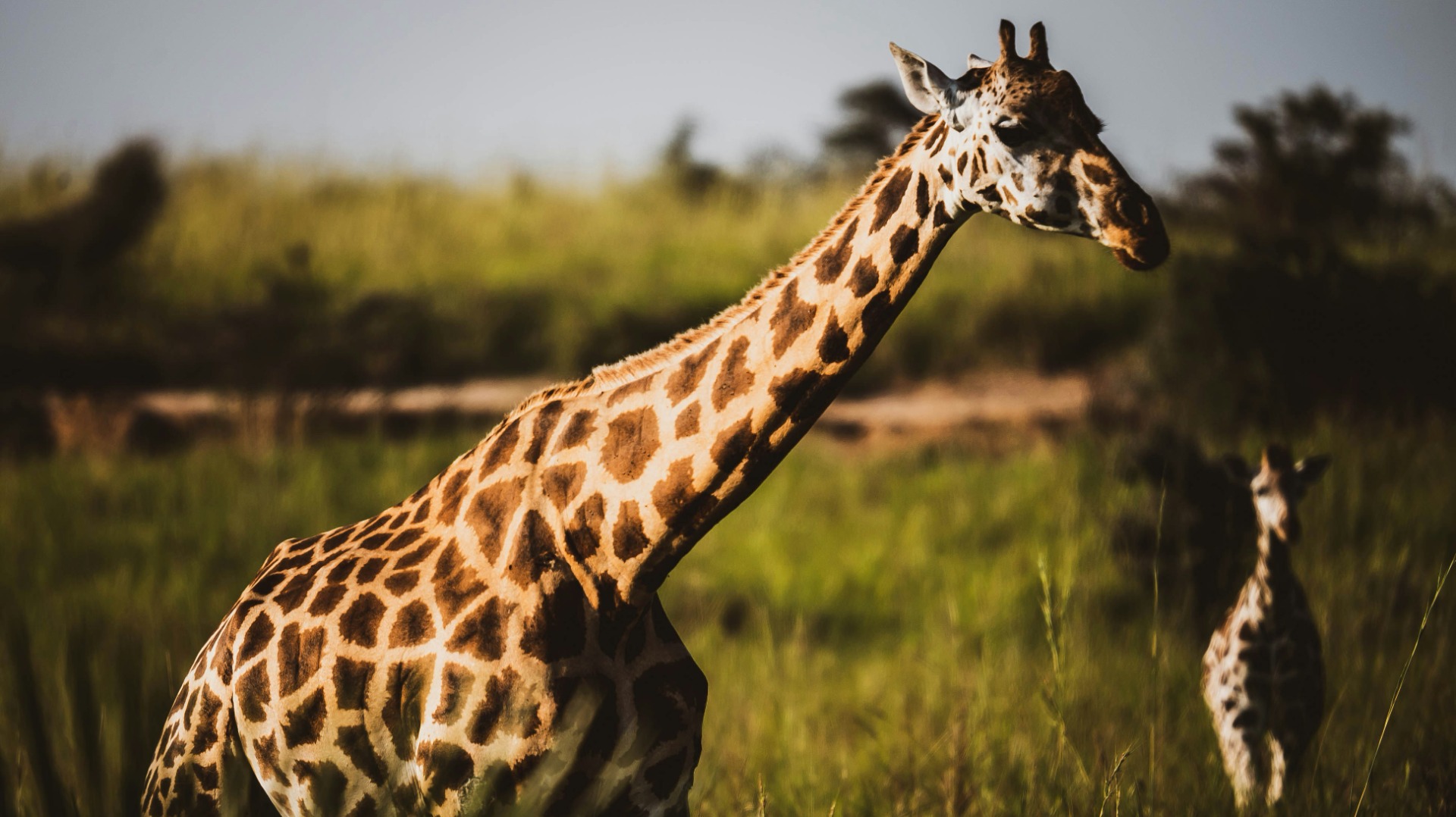
Ugandan photography tips and advice can elevate a simple safari into a collection of images that resonate long after the journey ends. Local rangers and experienced guides hold the key to framing Uganda’s wildlife with authenticity and impact, transforming standard shots into compelling visual stories. This article draws on their hard-won insights to help travellers capture the essence of Uganda’s diverse habitats, from misty montane forests to sun-baked savannas.
The best time to visit for photography is during the two dry seasons, from December to February and June to September, when clearer skies and concentrated wildlife around water sources reward patient observers. Expect dramatic contrasts in light, from soft dawn mists in Bwindi to harsh midday glare in Kidepo Valley. With the right preparation and mindset, your lens can document not only animals but the intricate relationships between species, landscapes, and the communities that protect them.
Why Local Knowledge Matters More Than Expensive Gear
Many travellers arrive in Uganda armed with the latest cameras yet miss the subtle cues that turn good photographs into unforgettable ones. Ugandan guides, who spend years tracking the same gorilla families or monitoring lion prides, understand animal behaviour in ways no guidebook can convey. Their knowledge helps you anticipate movements, choose the perfect vantage point, and respect the ethical boundaries that keep both wildlife and communities safe.
Positioning is everything. A ranger might quietly suggest moving just ten metres to the left so your shot of a silverback includes the play of dappled light through bamboo without disturbing the group. Such adjustments often make the difference between a flat portrait and an image that captures personality and context. Local insight also prevents common mistakes, such as approaching too closely during sensitive feeding times or ignoring wind direction that carries your scent toward wary creatures.
Understanding the land through the eyes of those who call it home changes how you see everything through the viewfinder.
Reading Animal Behaviour Before You Press the Shutter
Seasoned trackers can predict when a troop of chimpanzees will descend from the canopy or when a leopard is about to pounce. They teach travellers to watch for ear twitches, tail flicks, and the sudden silence that precedes a dramatic moment. This awareness allows you to set up your composition in advance rather than reacting too late.
In Volcanoes National Park, guides know which gorilla groups tolerate photographic presence better than others. They also understand the hierarchy within each family, helping you focus on interactions that reveal character rather than simply ticking off a species list. Such nuanced observation turns wildlife photography into a dialogue rather than a conquest.
Ugandan Photography Tips and Advice for Different Habitats
Uganda’s varied terrain demands specific approaches. In the dense undergrowth of Bwindi Impenetrable Forest, low perspectives and fast shutter speeds become essential. The soft, filtered light requires opening the aperture wider while maintaining enough depth of field to keep both subject and surrounding vegetation sharp.
On the open plains of Queen Elizabeth National Park, the challenge shifts to managing harsh sunlight and finding foreground interest. Local knowledge helps identify natural frames such as termite mounds or acacia branches that add depth without distracting from the main subject. In the remote north, Kidepo Valley’s dramatic light and vast skies reward those who rise before dawn to capture the first warm rays touching chestnut-hued kob antelope.
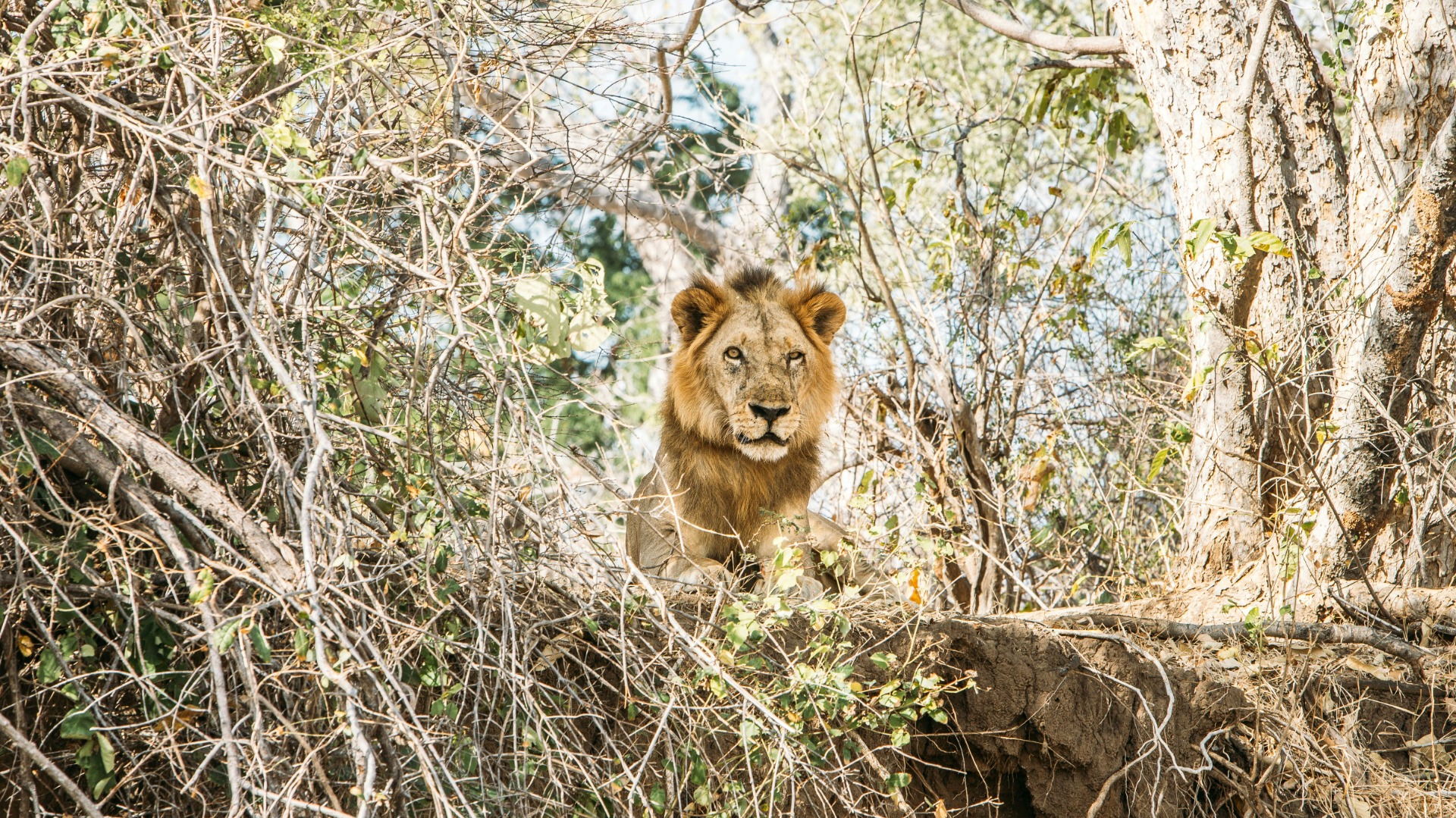
Tree-climbing lions in Ishasha require a different technique altogether. Guides know which fig trees the lions favour and at what time of day they are most likely to descend. This allows photographers to set up at a respectful distance with telephoto lenses ready, capturing intimate moments of these rare arboreal predators against a backdrop of savanna and woodland.
The difference between a tourist snapshot and a meaningful wildlife image often comes down to the quiet advice whispered by someone who truly knows the land.
Equipment Recommendations Tailored to Ugandan Conditions
While top-of-the-range gear helps, many accomplished images from Uganda have been taken with relatively modest equipment used skilfully. A 100-400mm zoom offers versatility for both close gorilla encounters and distant birds. Pair this with a 70-200mm for more intimate portraits and a wide-angle lens for environmental context shots that show animals within their habitats.
Weather protection is non-negotiable. Sudden downpours can occur even during dry seasons, so invest in weather-sealed bodies and lenses along with a good rain cover. A sturdy tripod or bean bag becomes invaluable during long gorilla treks where you may need to remain still for extended periods. Memory cards and spare batteries should be carried in generous quantities as charging opportunities can be limited in remote areas.

Tips and Advice for Photographing Wildlife Ethically
Respecting wildlife and local communities forms the foundation of responsible photography in Uganda. Never use flash or call out to animals to gain their attention. Maintain the minimum recommended distances set by park authorities, typically seven metres for gorillas and twenty-five metres for most other species.
Guides emphasise the importance of silent observation. Loud shutters or sudden movements can stress animals and ruin opportunities for everyone. Learning basic tracking skills and understanding signs of animal discomfort allows you to back away before causing disturbance. This considerate approach often leads to more natural behaviour and therefore more authentic images.
Cultural sensitivity extends to human subjects as well. When photographing communities near parks, always ask permission first. Many villages benefit from tourism revenue and are proud to share their traditions, but treating people as props rather than partners creates resentment. Local guides can facilitate genuine interactions that lead to collaborative portraiture rather than extractive photography.
Mastering Light Across Uganda’s Dramatic Seasons
Uganda’s equatorial position creates consistent day length but dramatic variations in weather patterns. The short rains from March to May and October to November bring lush vegetation and dramatic skies, though they can make forest paths slippery and reduce visibility. Dry seasons offer better tracking conditions and more predictable light.
Golden hour in Uganda feels particularly magical. In Murchison Falls National Park, the rising sun turns the Nile’s spray into liquid gold, while in Mgahinga Gorilla National Park, early light catches the Virunga volcanoes in soft pink hues. Learning to work with rather than against the intense midday light by seeking shade or using it creatively for silhouettes separates accomplished photographers from the rest.
Light in Uganda does not just illuminate wildlife; it reveals the stories written in every landscape and every creature that calls it home.
Common Mistakes to Avoid in Ugandan Wildlife Photography
Over-reliance on automatic settings often leads to disappointing results in Uganda’s challenging conditions. Learn to shoot in manual or aperture priority mode to maintain control over depth of field and motion blur. Many beginners also forget to adjust white balance when moving between forest shade and open savanna, resulting in colour casts that are difficult to correct later.
Another frequent error involves filling the frame with the subject while ignoring the environment. Some of the most powerful images show an elephant against the vastness of the savanna or a chimpanzee framed by ancient forest giants. Local guides encourage thinking about the story behind each photograph rather than simply collecting close-ups.
Impatience costs many travellers their best opportunities. Sitting quietly with a group of gorillas for the full permitted hour often yields the most rewarding images in the final fifteen minutes when the animals have fully relaxed. The same principle applies to big cats resting in the heat of the day; those who wait are rewarded when they stir as the light softens.
Post-Processing Considerations for African Wildlife Images
While getting the shot right in camera should be the priority, thoughtful post-processing can enhance rather than fabricate. Ugandan light often creates high contrast scenes that benefit from careful exposure blending. Preserve the natural colours of the landscape rather than pushing saturation to unnatural levels that misrepresent the experience.
Many professional wildlife photographers who regularly visit Uganda maintain consistent processing styles that reflect the authenticity of their encounters. This includes keeping backgrounds slightly soft but recognisable rather than completely blurred, allowing viewers to understand the context of each image.
Planning Your Photographic Safari in Uganda
Choosing the right camps and timing makes an enormous difference to photographic success. Properties with knowledgeable guides and flexible schedules allow you to maximise opportunities. Bwindi Lodge offers exceptional access to habituated gorilla groups while maintaining high conservation standards that benefit both wildlife and local communities.
For those seeking variety, combining forest and savanna experiences creates a rich portfolio. A few days tracking chimpanzees in Kibale National Park followed by time on the plains of Queen Elizabeth National Park provides contrasting subjects and lighting conditions. Consider specialised photographic safaris that include dedicated vehicles with bean bags and extra space for equipment.
Small group sizes prove particularly valuable for photography. With fewer people, guides can position vehicles more precisely and spend longer at each sighting. This intimate approach aligns perfectly with Encounters Africa’s philosophy of creating personalised journeys that respect both the land and its people.

What Makes Uganda Special for Wildlife Photographers
Uganda offers an extraordinary density of primates alongside the classic African megafauna. Few places on earth allow you to photograph mountain gorillas one day and tree-climbing lions the next. The country’s relatively compact size means you can experience multiple distinct ecosystems within a single well-planned itinerary.
The human element adds another dimension. Uganda’s communities have deep connections to the wildlife that surrounds them, and many conservation successes stem from genuine partnerships rather than top-down protection. Capturing these relationships through sensitive photography tells a more complete story than wildlife portraits alone.
Local knowledge does not simply improve your technical skills; it deepens your connection to the landscape and its inhabitants in ways that resonate through every frame you create.
Transform Your Understanding of Ugandan Wildlife Photography
The most rewarding images emerge when technical skill meets deep understanding of place and culture. Ugandan rangers and guides offer far more than navigation; they provide context, respect, and the accumulated wisdom of generations spent observing the natural world. Their insights help travellers move beyond collecting images to creating meaningful visual narratives that honour both the subjects and the landscapes they inhabit.
Whether you are drawn to the quiet dignity of gorillas in the mist or the explosive energy of a lioness hunting on the savanna, success depends on preparation, patience, and partnership with those who know the land intimately. By approaching wildlife photography as a collaborative and respectful practice, you not only capture better images but contribute to the conservation story that makes Uganda’s natural heritage possible.
For discerning travellers seeking a private safari beyond our set itineraries, we invite you to contact us directly. We specialise in designing exceptional, tailor-made journeys for individuals, couples, families, and private groups of up to eight guests. Drawing on our handpicked network of distinguished camps and lodges, we curate every detail with precision and care, creating a seamless, deeply personal safari experience shaped entirely around your preferences, pace, and budget.
Discover more about responsible wildlife encounters in our guide to ethical wildlife photography across Africa, or explore how different seasons affect sightings in our article on seasonal wildlife patterns in East Africa. To begin planning your own photographic adventure in Uganda, please visit our enquiry form and let Encounters Africa craft an experience that will transform how you see and capture the natural world.
More like this
tips and advice
How Much Cash Should You Hand Your Safari Guide at Trip's End
tips and advice
How Much Should You Tip on an African Safari?
tips and advice
How Safari Camps Balance Signal Strength and Intentional Silence Across Africa
tips and advice
How to Shape a Private Safari Honeymoon Around Sleep-Outs and Secluded Villas
tips and advice
How Women Can Travel Solo Across Africa With Confidence and Ease
tips and advice