destination guides
How to Plan a Cross-Border Safari from Namibia's Kalahari to Botswana's Okavango Delta
Encounters Africa - 10 min read
Updated on 26 August 2026
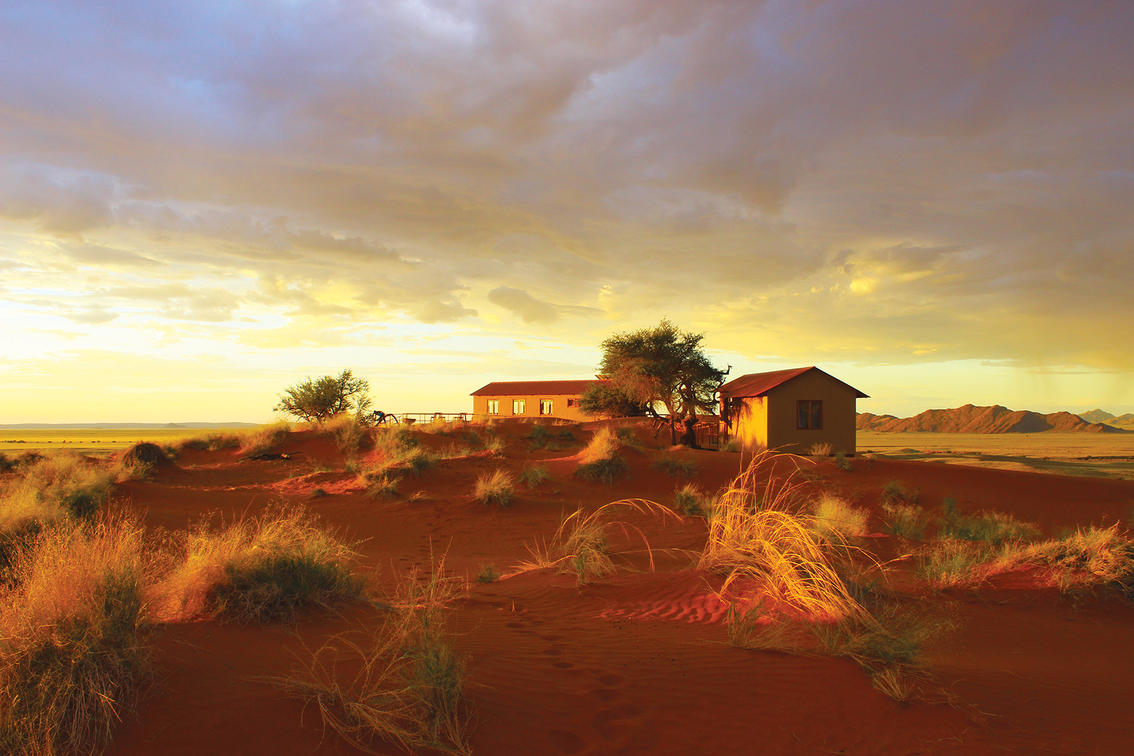
Planning a botswana safari that flows seamlessly into the red dunes of the Kalahari creates one of southern Africa's most rewarding multi-country experiences. A well-designed Namibia and Botswana safari moves travellers from arid landscapes where oryx trace ancient trails to the vast, life-giving waters of the Okavango Delta and the wildlife-rich Chobe floodplains. This cross-border safari rewards careful timing because the two regions operate on almost opposite seasonal rhythms.
The best combined itineraries typically span 12 to 16 days, allowing enough time to absorb the dramatic contrast between Namibia's bone-dry wilderness and Botswana's seasonal inundation. Encounters Africa, the specialist arm for safaris beyond Namibia within the Secret Namibia group, designs these journeys for individuals, couples, families and private groups of up to eight guests by booking directly with each chosen camp and lodge. Drawing on three decades of combined experience, their travel designers shape every detail around your interests and pace.
The shift from Kalahari silence to the splash of a leaping tiger fish captures the essence of a cross-border safari: two utterly different worlds connected by a single, thoughtfully planned journey.
Why Combine Namibia and Botswana in One Safari?
Travellers often seek the complete spectrum of southern African landscapes in a single trip. Namibia delivers endless horizons, towering dunes and the stark beauty of the Kalahari, while Botswana offers water-based game viewing, dense elephant herds and the labyrinth of channels that define the Okavango Delta. A cross-border safari stitches these contrasting environments together without forcing you to choose between them.
The routing logic is straightforward once you understand the geography. Most journeys begin in the south or central regions of Namibia before crossing into northern Botswana. This progression allows guests to experience the dry-season concentration of game around waterholes in the Kalahari first, then witness the floodwaters transforming the Delta into a mosaic of islands and lagoons. The transition feels natural rather than rushed.
Because the two countries require different specialist knowledge, working with experts who understand each side of the border makes a measurable difference. Navigation across the border involves specific visa requirements, transfer logistics and camp selection that only seasoned operators can streamline. The result is a journey that feels cohesive rather than stitched together at the last minute.
Crossing from the Kalahari's red sands into the Okavango's emerald waterways reminds every traveller why Africa continues to surprise even the most experienced safari-goers.
Routing Logic: From Kalahari Dunes to Okavango Waters
A typical Namibia and Botswana safari might start with three or four nights in the southern Kalahari, where vast private concessions allow for relaxed game drives and walking safaris. From there, travellers usually fly north to the heart of the Okavango Delta for four or five nights of mokoro excursions and boat-based game viewing. The final segment often includes the Chobe River Front or Savuti, where enormous elephant populations gather along permanent water sources.
The practical route avoids unnecessary backtracking. After exploring the arid interior, an internal flight carries guests across the border into Maun or directly into the Delta. This airborne transition compresses what would be a long road journey into a scenic one-hour hop. From the Delta, another short flight or road transfer reaches the Chobe system, completing the water-focused portion before the return international departure from Kasane or Maun.
Each segment builds on the last. The Kalahari hones tracking skills and heightens appreciation for sparse beauty, making the sudden abundance of the Delta even more astonishing. By the time travellers reach Chobe, they have experienced three distinct ecosystems within one coherent journey.
Key Stops in a Classic Cross-Border Itinerary
Experienced designers often suggest beginning in the Central Kalahari or a private reserve bordering the Kgalagadi before moving to the Okavango Panhandle or a classic Delta camp. The final days might be spent at a Chobe River property where sunset boat cruises become the highlight. This progression follows both wildlife movements and logistical efficiency.
Private concessions in both countries allow for off-road driving and night drives in many areas, activities that add depth to the experience. The flexibility of a tailor-made journey means these elements can be adjusted based on whether your group prefers photography, birdwatching or simply immersive wilderness time.
When is the best time for a combined Namibia and Botswana safari?
The optimal window for a combined Namibia and Botswana safari falls between May and October. During these months Namibia's dry season concentrates game around scarce water sources in the Kalahari, while the Okavango Delta receives its annual floodwaters that peak around August. This alignment creates superb game viewing in both countries simultaneously: thirsty animals drawn to waterholes in the desert and flooded grasslands supporting abundant birdlife and predators in Botswana.
November to April brings the rains that transform the Kalahari into a green carpet but can make some Botswana tracks impassable and reduce visibility in the Delta. For travellers who specifically want to see the famous flood in the Okavango, June through September offers the highest water levels and most dramatic water-based activities. December to March remains viable for those who accept occasional afternoon showers in exchange for fewer visitors and lush landscapes.
Because the flood arrives from distant Angolan highlands, its timing varies by only a few weeks each year. Serious planners consult current flood data when finalising dates. The dry months from May to October consistently deliver the most reliable wildlife sightings across both destinations according to long-term safari records.
Aligning Namibia's dry season with the arrival of the Okavango flood creates a rare moment when both landscapes reveal their most dramatic faces at once.
The Distinct Expertise Required on Each Side of the Border
Namibia's arid environments demand a different guiding approach than Botswana's wetland systems. In the Kalahari, success comes from understanding animal behaviour in water-scarce conditions, reading subtle spoor and knowing which pans hold water longest. Botswana safari specialists focus instead on navigating shifting channels, interpreting hippo paths through papyrus and predicting where predators will hunt along the floodplains.
This is why Encounters Africa exists as the specialist arm for safaris beyond Namibia. Their travel designers focus exclusively on Botswana, South Africa, Kenya, Tanzania, Rwanda, Uganda, Zambia and Zimbabwe, while Secret Namibia handles all Namibian arrangements. The two brands collaborate closely so guests experience one seamless journey with consistent standards and a single point of contact.
Direct relationships with individual camps and lodges allow for precise matching of properties to each traveller's pace and interests. A family with young children might need properties with family suites and shallow swimming areas, while a couple celebrating an anniversary may prefer romantic tented camps with private plunge pools overlooking the Delta.
What Changes When You Cross the Border
The shift is immediate and sensory. The dry air of the Kalahari gives way to humidity rising from the Delta's waters. Vehicle types change from open 4x4s suited to sandy tracks to boats and mokoro canoes. Even the pace of days alters: morning game drives in the desert become lazy afternoons poling through narrow channels listening to the call of fish eagles.
Immigration formalities are handled smoothly when the journey is pre-arranged. Most cross-border safaris use air transfers that include all necessary permits, removing the complexity that solo travellers often face. The currency changes from Namibian dollars to Botswana pula, though US dollars are widely accepted in safari camps on both sides.
Seasonality: Aligning the Delta Flood with Namibian Dry Months
The annual flood in the Okavango Delta originates from rainfall in the Angolan highlands that takes months to reach Botswana. Peak flood levels usually occur between July and September, precisely when Namibia experiences its driest and coolest period. This fortunate timing allows a cross-border safari to capture both landscapes at their most characteristic.
In the Kalahari, the dry season from May to October forces large mammals to gather at remaining water sources, creating excellent predator-prey viewing opportunities. Meanwhile, the rising waters in the Delta disperse game across a wider area but concentrate it around the permanent channels and islands, offering exceptional birdwatching and the chance to glide silently past basking crocodiles.
Should you wish to understand Botswana's seasonal patterns in greater depth, the detailed explanation of best time to visit Botswana explained provides valuable additional context for planning your dates.
Wildlife Highlights Across Both Regions
In the Kalahari expect to encounter black-maned lions, springbok, eland and the fascinating social dynamics of meerkat colonies. Once in Botswana, the focus shifts to massive elephant herds, red lechwe leaping through shallows, and the possibility of spotting elusive sitatunga in the papyrus beds. The Chobe River Front often delivers some of Africa's largest buffalo herds alongside the famous elephant populations that regularly cross between the two countries.
Birdlife changes dramatically too. Namibia's dry country specials give way to colourful wetland species including carmine bee-eaters, African skimmers and the iconic malachite kingfisher. The transition adds another rewarding layer to the cross-border safari experience.
Practical Considerations for a Seamless Cross-Border Safari
Health requirements remain similar across both countries, though malaria prophylaxis is strongly recommended for the northern Botswana portion. Packing lists should account for both desert heat during the day and surprisingly cool nights, as well as the need for quick-dry clothing suitable for boat activities.
Photography enthusiasts will want different lenses for each section: telephoto glass for the open Kalahari plains and wider angles to capture the expansive skies and reflections of the Delta. A good guide will advise on the best equipment for each camp's specific environment.
Travel designers at both Secret Namibia and Encounters Africa maintain close relationships with individual properties, allowing them to secure the right camp for each segment of your journey. This direct booking approach ensures transparency and flexibility that layered agent systems cannot match.
Creating Your Own Namibia and Botswana Safari
A thoughtfully planned cross-border safari offers far more than simply ticking two countries off a list. It creates a profound understanding of how water, or the lack of it, shapes every aspect of southern African ecology. From the Kalahari's resilient wildlife to the Delta's seasonal explosion of life and the Chobe's mighty elephant populations, each segment tells part of a larger story.
For discerning travellers seeking a private safari beyond our set itineraries, we invite you to contact us directly. We specialise in designing exceptional, tailor-made journeys for individuals, couples, families, and private groups of up to eight guests. Drawing on our handpicked network of distinguished camps and lodges, we curate every detail with precision and care, creating a seamless, deeply personal safari experience shaped entirely around your preferences, pace, and budget.
Whether you dream of tracking lions across red dunes before drifting through the Okavango by mokoro, or prefer to focus on photography, cultural encounters or family adventure, the right cross-border safari can be created for you. Explore our range of multi-country journeys or visit the 14-day Namibia Botswana fly-in safari for inspiration. Then let us design the perfect version for your group.
Reach out to Encounters Africa today via our enquiry form and begin planning the southern African journey you will remember for a lifetime.
More like this
destination guides
How Water Levels Transform Victoria Falls Across the Seasons
destination guides
Inside Hotel No. 5: A Day Unfolds in Urban African Elegance
_quality(80)-cropped.jpg)
destination guides
Inside Ngorongoro Crater: Geology, Rhino and the Right Time to Descend
destination guides
Intimate Encounters: A Stay at Four Gorillas Lodge Recounted
destination guides
Intimate Escapes: A Day-by-Day Look Inside The Retreats at Sayari Camp
destination guides