tips and advice
Inside the Routing Logic of a Multi-Country Fly-In Safari Across Southern and East Africa
Encounters Africa - 9 min read
Updated on 26 August 2026
When planning a fly-in safari Africa that spans two or three countries, the mechanics behind the scenes often remain invisible to the traveller. Yet these details determine whether your journey flows seamlessly or becomes fragmented by long road transfers and mismatched timings. At Encounters Africa, part of the Secret Namibia group and its specialist arm for safaris beyond Namibia, travel designers solve these complexities daily by sequencing camps around light aircraft safari transfers between remote airstrips. This approach preserves precious days that would otherwise vanish on dusty tracks between distant landscapes.
The company arranges safaris across South Africa, Botswana, Kenya, Tanzania, Rwanda, Uganda, Zambia and Zimbabwe, always booking directly with camps and lodges rather than through layers of agents. For discerning travellers seeking a private safari beyond our set itineraries, we invite you to contact us directly. We specialise in designing exceptional, tailor-made journeys for individuals, couples, families, and private groups of up to eight guests. Drawing on our handpicked network of distinguished camps and lodges, we curate every detail with precision and care, creating a seamless, deeply personal safari experience shaped entirely around your preferences, pace, and budget.
The elegance of a multi-country fly-in safari lies not in the aircraft themselves, but in the invisible logic that stitches remote wilderness areas into one harmonious journey.
The Hidden Art of Multi-Country Safari Routing
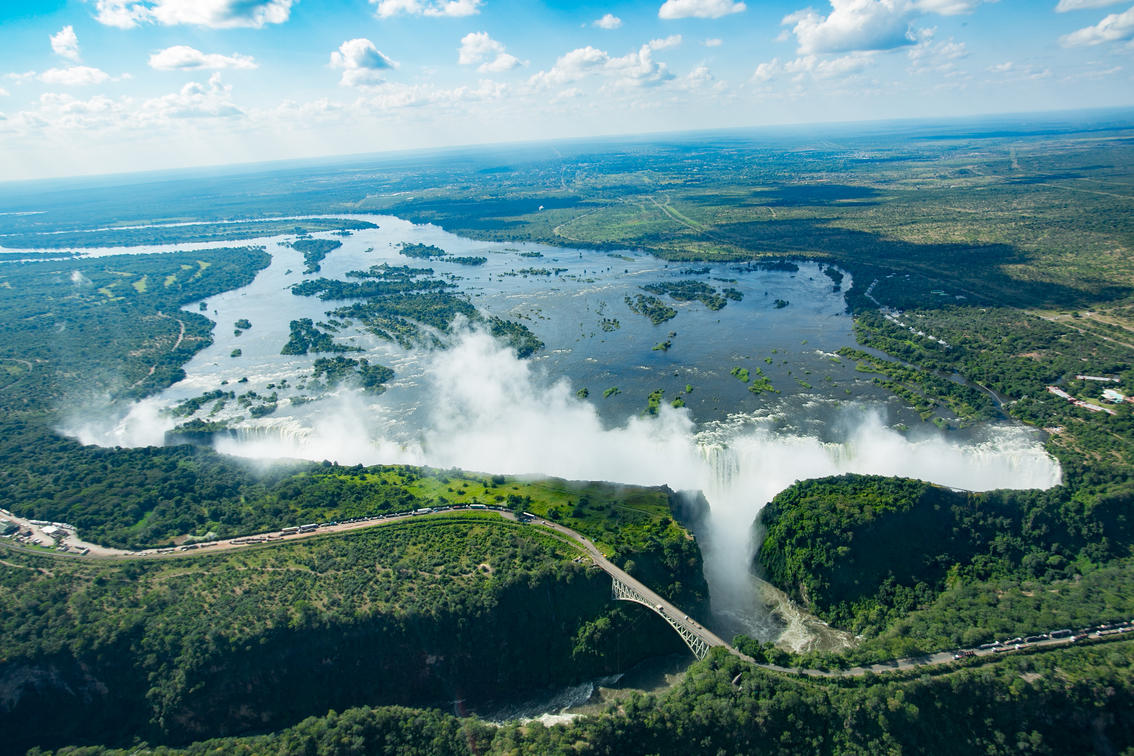
Creating an effective multi-country safari routing begins long before any flight is booked. Travel designers must balance wildlife seasons, water levels, road conditions, and the operational schedules of remote airstrips. A typical routing might start in the Kruger lowveld of South Africa, move north into Botswana’s Okavango Delta, and finish at the thunderous spectacle of Victoria Falls in Zambia. Each segment is chosen because light aircraft can connect them in hours rather than days.
The sequence is rarely arbitrary. Camps are ordered so that the prevailing winds and daily flight windows align with transfer times. Morning game drives end with a swift departure from one airstrip and arrival in time for afternoon activities at the next. This choreography prevents the fatigue that long road journeys inevitably bring, allowing travellers to wake each day in a new ecosystem without sacrificing the immersive pace that defines a luxury safari.
Practical realities also shape the map. Certain border crossings are more efficient by air than by road, with immigration formalities handled swiftly at designated airstrips. Designers factor in visa requirements, yellow-fever certificates, and the need for multiple-entry visas when crossing between Botswana, South Africa, and Zambia. The goal is always to minimise bureaucracy so the focus remains on the landscape and its inhabitants.
How Light Aircraft Safari Transfers Connect Remote Wilderness
Light aircraft safari transfers form the backbone of any cross-border itinerary. These nimble planes, typically six- to twelve-seater Cessnas or similar, operate from gravel airstrips carved into the bush. In the Okavango Delta alone, more than twenty such airstrips serve private concessions and national park camps. A flight from the Khwai Community Area to a camp deep in the northern Delta might last forty minutes, skimming above papyrus beds and palm-fringed channels that would take an entire day to reach by vehicle.
From Kruger National Park’s eastern airstrips, aircraft can reach northern Botswana in under two hours. Similarly, the Livingstone airstrip near Victoria Falls serves as a natural gateway between Zimbabwean and Zambian experiences. These hops eliminate the need for exhausting eight- or ten-hour road transfers that would otherwise eat into game-viewing time. The aircraft themselves become part of the adventure, offering aerial perspectives of migrating herds or the sinuous curves of the Chobe River that no ground vehicle can match.
Flying low over the Okavango’s floodplains reveals patterns invisible from the ground: the sudden glint of a crocodile in a shrinking pool, the dust plume of a bachelor herd of buffalo, the emerald thread of a hidden channel.
What Is the Luggage Limit on a Fly-In Safari?
The luggage limit on a fly-in safari varies by operator and aircraft type, but nearly all impose strict soft-bag restrictions to ensure safe loading and balance. Most light aircraft accept between 12kg and 20kg per person, with many Okavango and Kruger operators specifying a 15kg maximum including hand luggage. Luggage must be packed in soft, squashable bags rather than hard-sided suitcases, as these fit more easily into the limited cargo holds and can be rearranged quickly during multi-leg journeys.
Travel designers at Encounters Africa advise clients on these limits from the outset, helping them curate a wardrobe that balances comfort with the realities of small-plane travel. Excess luggage can usually be stored securely at the departure lodge or transferred by road to meet guests at their final destination. Understanding these constraints early prevents disappointment and ensures the journey runs smoothly across multiple countries.
Why Driving Between Distant Camps Costs Days That Flying Saves
A road transfer from a camp in central Kruger to the Okavango Panhandle would consume at least two full days, including border formalities at the South Africa-Botswana frontier. The same journey by light aircraft takes roughly ninety minutes. Those saved hours translate into additional game drives, a relaxed lunch under acacia trees, or simply time to absorb the transition from dry savannah to wetland paradise.
Long drives also increase fatigue. After several days of early-morning safaris, travellers benefit from the brevity of a flight that deposits them refreshed at their next camp. Moreover, many roads become impassable during the green season, when rains transform tracks into quagmires. Light aircraft operate year-round, provided visibility allows, offering consistency that road travel cannot guarantee.
In multi-country itineraries, the cumulative time saved by flying can add up to nearly a week. This allows designers to include an extra camp or extend stays in prime locations without lengthening the overall holiday. The result is a richer, less rushed experience that captures the essence of each destination.
Border Crossings and Visas in Multi-Country Itineraries
Crossing from South Africa into Botswana or from Botswana into Zambia requires careful documentation. Encounters Africa’s travel designers ensure that all necessary visas and permits are arranged well in advance. Many travellers opt for the KAZA Univisa, which covers Zambia and Zimbabwe and simplifies movement around Victoria Falls. For Botswana and South Africa, separate visas or visa-free entry (depending on nationality) must be confirmed.
Immigration desks at certain bush airstrips allow travellers to clear customs without visiting crowded urban border posts. A flight from a Kruger camp to an Okavango airstrip might include a brief stop at Kasane for formalities before continuing to a remote Delta strip. These procedures are handled with the same discretion as the safari itself, allowing guests to focus on the changing scenery rather than paperwork.
Health requirements add another layer. Proof of yellow-fever vaccination is mandatory when arriving in many southern African countries from infected zones. Designers provide clear guidance on these regulations, ensuring compliance without disrupting the flow of the journey.
Sequencing Camps for Optimal Wildlife Encounters
The order of camps is dictated by seasonal wildlife movements. In the Okavango Delta, water levels peak between June and October, concentrating game around permanent channels. A routing that begins in the dry south and moves north follows the retreating floodwaters, maximising sightings at each stop. Similarly, a journey that includes both the Masai Mara and the Serengeti times the crossing to coincide with the wildebeest migration’s northward progress.
Victoria Falls serves as a dramatic punctuation mark. Many multi-country fly-in safari Africa itineraries end here, allowing travellers to experience the Zambezi’s power after days spent observing subtler wildlife dramas. The contrast between the intimate encounters of a Delta mokoro and the raw force of the falls creates a memorable narrative arc.
Designers also consider the capabilities of each camp. A property known for its expert trackers might be placed early in the itinerary when travellers are most alert. Photographic hides or specialist guiding experiences are slotted where they add most value. Every decision serves the larger story the journey aims to tell.
A well-crafted routing does not simply move you from place to place; it orchestrates a progression of experiences that deepens with each flight and each new horizon.
Bringing the Journey to Life
Behind every successful multi-country itinerary lies hundreds of hours of planning. Flight schedules, fuel availability at remote strips, pilot rosters, and camp occupancy must all align. When a sudden storm closes one airstrip, designers activate contingency plans developed through three decades of combined experience. This expertise ensures that even the unexpected rarely disrupts the traveller’s enjoyment.
Read more about how these journeys unfold in our detailed guide to fly-in safaris across Southern and East Africa. Or explore a sample routing that combines Kruger and the Okavango in this seven-day luxury fly-in safari. For those dreaming of a more intimate celebration, our eleven-day Botswana honeymoon fly-in safari illustrates how romance and wilderness combine effortlessly.
Ultimately, the beauty of these journeys lies in their invisible precision. While you glide above floodplains or watch a leopard melt into the grass at dusk, the complex machinery of routing, permits, and logistics hums quietly in the background, orchestrated by specialists who understand every nuance of the African bush.
For those looking for a private safari beyond our set itineraries, we would be delighted to hear from you directly. We specialise in creating beautifully tailored journeys for solo travellers, couples, families, and private groups of up to eight guests. Through our trusted network of carefully selected camps and lodges, we craft each safari around your individual interests, preferred pace, and budget, ensuring a seamless and deeply personal experience from beginning to end. Please visit our enquiry form to begin the conversation about your own multi-country fly-in safari Africa.
More like this
tips and advice
Kigali: Essential Tips and Advice for First-Time Visitors
tips and advice
Kruger National Park: Your Ultimate Guide to a Luxury Safari Experience
tips and advice
Madagascar First-Timer's Guide: Your Ultimate Journey to the Red Island
tips and advice
Mastering Amboseli: Expert Tips for an Unforgettable Safari
tips and advice
Muzimu Lodge Practical Guide: Booking, Packing and Safety Protocols
tips and advice