tips and advice
Madagascar First-Timer's Guide: Your Ultimate Journey to the Red Island
Encounters Africa - 9 min read
Updated on 1 May 2026
Madagascar, the world's fourth-largest island, is a realm of unparalleled biodiversity, dramatic landscapes, and a vibrant culture unlike anywhere else on Earth. For first-time visitors, the prospect of exploring this unique destination can be both exhilarating and a little daunting. Known as the 'Red Island' due to its distinctive laterite soils, Madagascar offers an extraordinary journey into a world where 80% of its wildlife is found nowhere else, from curious lemurs to ancient baobab trees.
Preparing for your inaugural visit to Madagascar requires careful planning to ensure a seamless and enriching experience. This guide from Encounters Africa provides comprehensive tips and advice, covering everything from the best time to travel to navigating local customs, ensuring your adventure is as magical as the island itself. Madagascar promises an authentic and unforgettable African experience, brimming with natural wonders and cultural encounters.
Planning Your Madagascar Adventure: Essential First Steps
Embarking on a journey to Madagascar demands thoughtful preparation. Understanding the island's unique characteristics and logistical considerations well in advance will significantly enhance your experience. From visa requirements to health precautions, laying the groundwork early ensures a smooth and enjoyable exploration of this incredible destination.
Visa and Entry Requirements
For most international travellers, a visa is required to enter Madagascar. It's advisable to obtain your visa in advance from a Malagasy embassy or consulate in your home country. Alternatively, tourist visas can often be purchased upon arrival at Ivato International Airport (Antananarivo) for stays up to 90 days. Always check the latest requirements with your embassy or Encounters Africa well before your departure date, as regulations can change.
Health and Safety Precautions
Health is paramount when travelling to Madagascar. Consult your doctor about necessary vaccinations, which typically include Yellow Fever (if arriving from an endemic country), Hepatitis A and B, Typhoid, and Tetanus. Malaria is prevalent in many areas, so prophylactic medication is highly recommended. Pack a comprehensive first-aid kit, insect repellent with DEET, and stay hydrated with bottled water. Safety-wise, be aware of your surroundings, especially in urban areas, and avoid walking alone at night.
Madagascar is a living laboratory, a testament to evolution's boundless creativity, offering a journey into a world found nowhere else.
When to Visit Madagascar: Climate and Wildlife Seasons
Choosing the right time to visit Madagascar significantly impacts your experience, particularly concerning wildlife sightings and accessibility. The island experiences two main seasons: a hot, rainy season and a cooler, dry season. Each offers distinct advantages for different types of travellers and activities.
Dry Season (May to October)
The dry season, running from May to October, is generally considered the best time for a visit. During these months, rainfall is minimal, temperatures are moderate, and humidity is lower. This period is ideal for wildlife viewing, especially lemurs, as they are more active and easier to spot in the sparser foliage. Roads are also more accessible, making travel between national parks and reserves smoother. July and August are peak tourist months, so booking Nosy Tsarabanjina and other popular accommodations well in advance is crucial.
Wet Season (November to April)
The wet season, from November to April, brings higher temperatures and significant rainfall, particularly from January to March when cyclones can occur. While some roads may become impassable, this season offers unique advantages. It's prime time for birdwatching, as migratory birds arrive, and many plants are in bloom, creating lush, vibrant landscapes. Chameleon and frog sightings are also more frequent. If you're seeking a quieter experience and don't mind the rain, the wet season can be rewarding, especially for photography enthusiasts.
Luxurious Accommodation in Madagascar: Comfort in the Wild
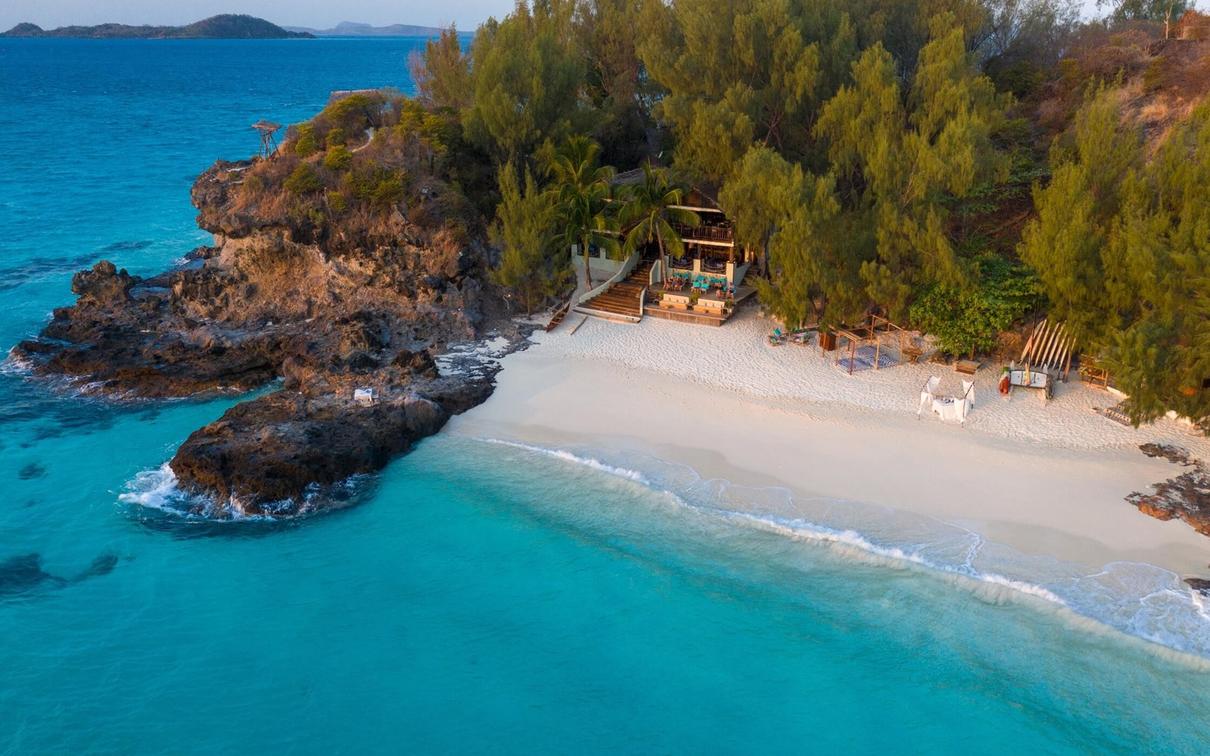
Madagascar's tourism infrastructure has evolved, now offering a range of exquisite, luxurious accommodation options that blend seamlessly with the natural environment. These lodges and hotels provide comfort and indulgence after a day of exploration, ensuring your stay is as memorable as your adventures. From eco-lodges nestled in rainforests to beachfront resorts, there's something for every discerning traveller.
Top Luxury Lodges and Resorts
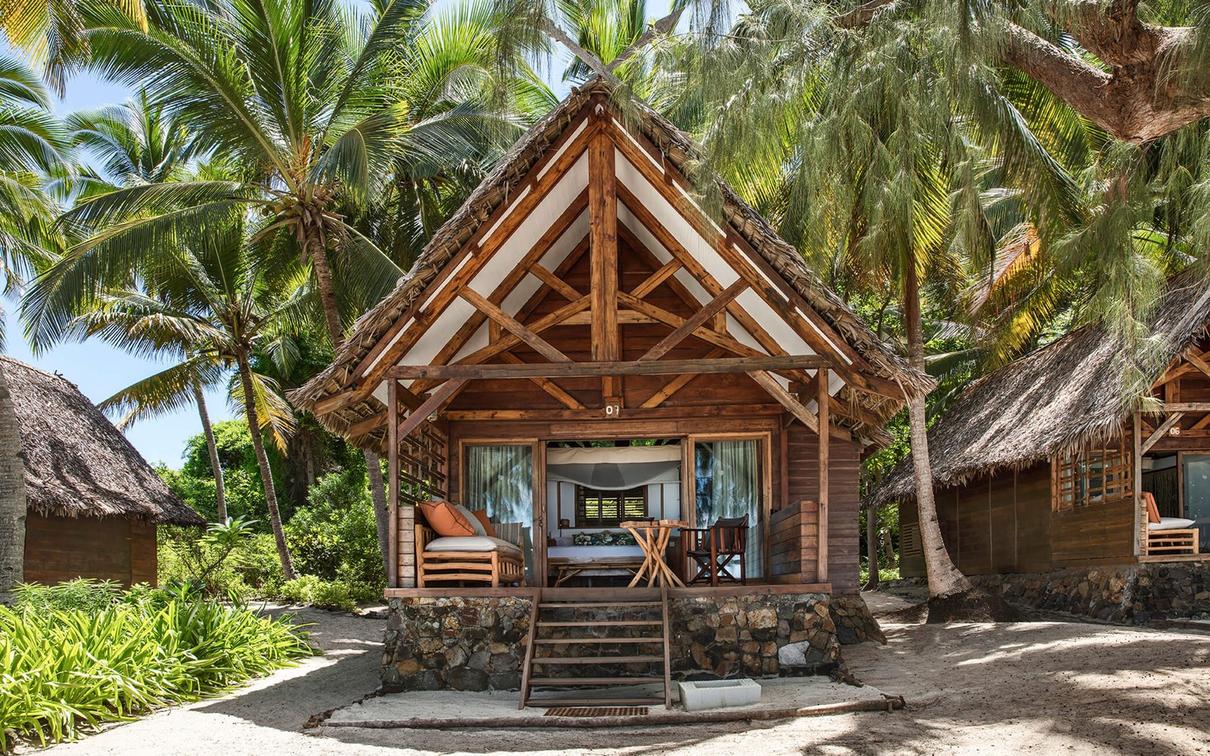
For those seeking unparalleled comfort, Madagascar boasts several high-end establishments. These often feature private bungalows, gourmet dining, and exceptional service, focusing on sustainable practices and local community engagement. Many offer unique experiences like private guided tours, spa treatments, and exclusive access to remote areas. Consider properties that offer stunning views, whether of the ocean, a rainforest canopy, or a dramatic mountain range.
Andasibe-Mantadia National Park: Lodges here often provide comfortable bases for lemur trekking, with amenities like swimming pools and fine dining.
Nosy Be: This island paradise off the northwest coast is home to several luxurious beachfront resorts, perfect for relaxation and marine activities.
Isalo National Park: Boutique hotels near Isalo offer a blend of comfort and adventure, with opportunities for hiking and exploring the park's unique sandstone formations.
Eco-Luxury and Sustainable Stays
Many of Madagascar's luxury accommodations are committed to eco-tourism, offering a chance to enjoy opulent surroundings while supporting conservation efforts and local communities. These establishments often use renewable energy, source local produce, and employ staff from nearby villages. Choosing an eco-luxury lodge allows you to contribute positively to the island's future while enjoying a premium travel experience.
Family-Friendly Living: Adventures for All Ages
Madagascar is an incredible destination for families, offering educational and exciting experiences that cater to all ages. The island's unique wildlife and diverse activities provide endless opportunities for children and adults to connect with nature and culture. Planning a family safari or adventure requires considering specific needs to ensure everyone has a fantastic time.
Activities for Children
Children will be captivated by Madagascar's lemurs, chameleons, and other endemic creatures. Many national parks offer guided walks suitable for younger children, focusing on spotting smaller animals and insects. Boat trips along rivers or coastlines can be a thrilling way to see wildlife and enjoy the scenery. Educational centres and local village visits provide insights into Malagasy culture and conservation efforts.
Lemur Spotting: Parks like Andasibe-Mantadia National Park are excellent for close encounters with various lemur species.
Beach Fun: The pristine beaches of Nosy Be or Anakao offer safe swimming, snorkelling, and sandcastle building.
Nature Walks: Shorter, less strenuous trails in reserves like Anja Community Reserve are perfect for little legs.
Choosing Family-Friendly Accommodations
When travelling with family, look for accommodations that offer amenities like family rooms, interconnected suites, or bungalows. Some lodges provide dedicated children's programmes, babysitting services, or activities tailored for younger guests. Proximity to attractions and easy access to dining options are also important considerations. Many luxury lodges are adept at catering to families, providing a comfortable and engaging environment for everyone.
Sightseeing in Madagascar: Iconic Landmarks and Hidden Gems
Madagascar's landscape is a tapestry of diverse ecosystems, from dense rainforests and arid spiny forests to pristine beaches and dramatic limestone karsts. Its sightseeing opportunities are as varied as its wildlife, promising breathtaking vistas and unforgettable cultural encounters. For first-time visitors, certain iconic sites are must-sees, alongside opportunities to discover lesser-known treasures.
Must-See National Parks and Reserves
Madagascar's national parks are the crown jewels of its natural heritage, each offering a distinct experience.
Andasibe-Mantadia National Park: Famous for its Indri lemurs, the largest living lemur species, known for their haunting calls. The park also hosts a rich array of other lemurs, birds, and chameleons.
Isalo National Park: A dramatic landscape of sandstone massifs, deep canyons, and oases. It's ideal for hiking, with natural swimming pools and unique flora.
Ranomafana National Park: A UNESCO World Heritage site, this dense rainforest is crucial for biodiversity, protecting several endangered lemur species, including the golden bamboo lemur.
Avenue of the Baobabs: Near Morondava, this iconic dirt road lined with ancient, towering baobab trees offers one of Madagascar's most photographed and magical sunsets.
Coastal Wonders and Marine Life
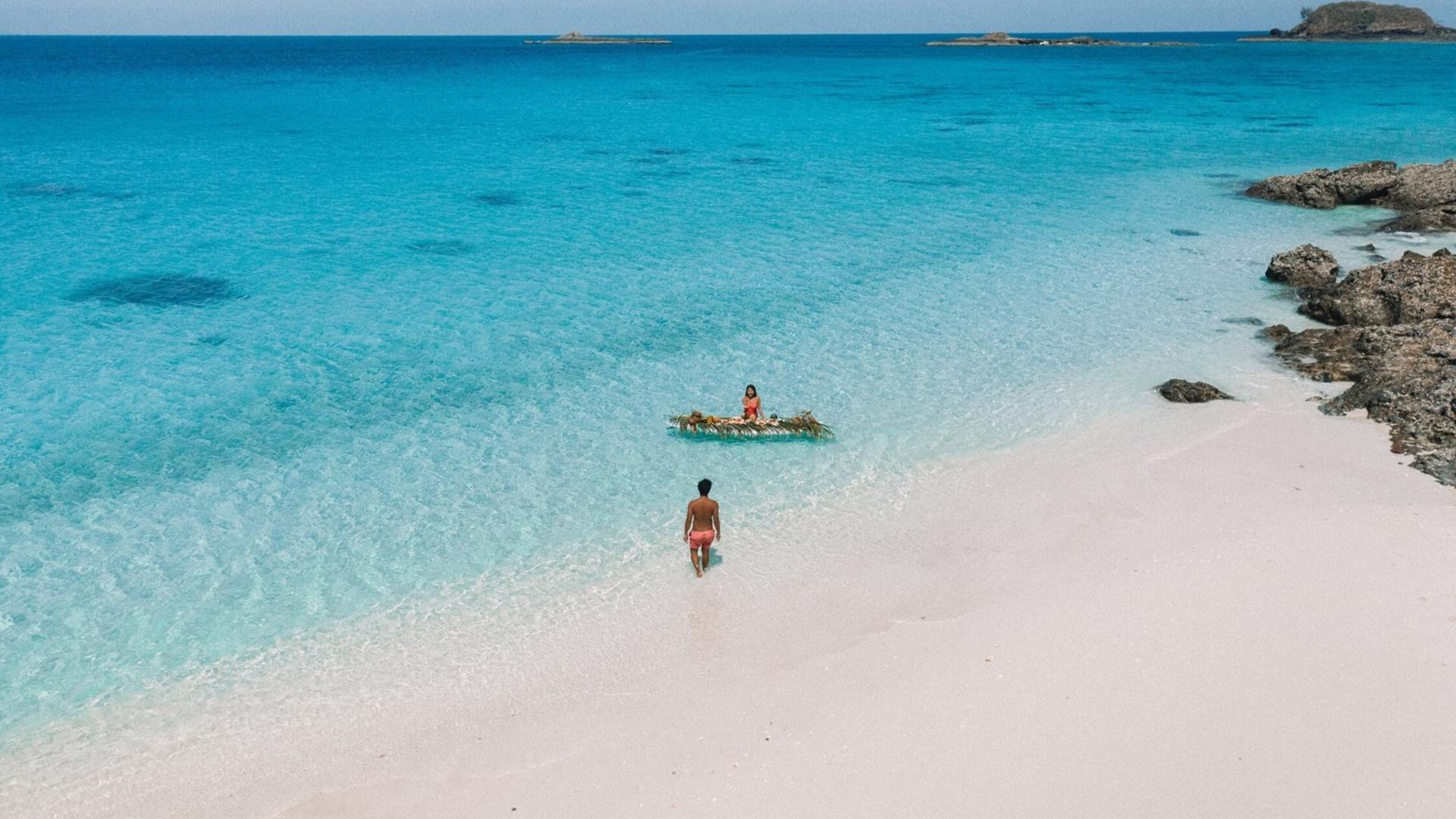
Beyond its terrestrial marvels, Madagascar boasts stunning coastlines and vibrant marine ecosystems. The island of Nosy Be, off the northwest coast, is renowned for its beautiful beaches, clear waters, and excellent diving and snorkelling opportunities. Here, you can encounter colourful coral reefs, sea turtles, and various fish species. Whale watching, particularly humpback whales from July to September, is a spectacular experience along the eastern coast, especially around Île Sainte-Marie.
Navigating Local Culture and Etiquette
Understanding and respecting Malagasy culture is key to a meaningful and harmonious journey. The Malagasy people are known for their warmth and hospitality, but adhering to local customs, or fady (taboos), is essential. These traditions vary by region and community, so observing and asking your guide for advice is always a good practice.
Fady and Cultural Sensitivity
Fady can range from prohibitions on eating certain foods to restrictions on visiting specific sites or touching particular objects. While not always obvious to outsiders, respecting these customs shows deference to local beliefs. For example, pointing with your finger is often considered rude; instead, use an open hand or gesture with your chin. Always ask permission before taking photos of people, especially in rural areas.
Language and Communication
The official languages are Malagasy and French. While French is widely spoken in urban areas and by those in the tourism industry, learning a few basic Malagasy phrases will be greatly appreciated. Simple greetings like 'Salama' (hello) and 'Misaotra' (thank you) can go a long way in fostering positive interactions. English is less common, so having a guide or translator is highly recommended for deeper cultural immersion.
Madagascar's spirit lies in its people and their enduring traditions; embrace their fady, and you embrace the heart of the island.
Conclusion: Your Unforgettable Malagasy Journey Awaits
Madagascar is a destination that truly defies expectation, offering an extraordinary blend of unique wildlife, diverse landscapes, and a rich cultural tapestry. For first-time visitors, the journey promises not just a holiday, but an immersive experience into a world apart. By planning carefully, respecting local customs, and embracing the spirit of adventure, you are set for an unforgettable exploration of this magnificent island.
Encounters Africa is dedicated to crafting bespoke luxury safaris and travel experiences that delve deep into the heart of Madagascar. Our expert team will guide you through every step, from selecting the perfect Madagascar safari itinerary to arranging luxurious accommodation and ensuring every detail is meticulously handled. Allow us to transform your dream of discovering the Red Island into a breathtaking reality. Contact us today to begin planning your bespoke Malagasy adventure.
More like this
tips and advice
Mastering Amboseli: Expert Tips for an Unforgettable Safari
tips and advice
Muzimu Lodge Practical Guide: Booking, Packing and Safety Protocols
tips and advice
Mvuu Lodge Essentials: Timing Walks, Meals and River Safaris
tips and advice
Novotel Convention & Spa: 7 Tips for Seamless Event Planning and Delegate Comfort
tips and advice
Okahirongo Elephant Lodge Tips: Booking Flights, Packing Layers and Waterhole Vigil Schedules
tips and advice