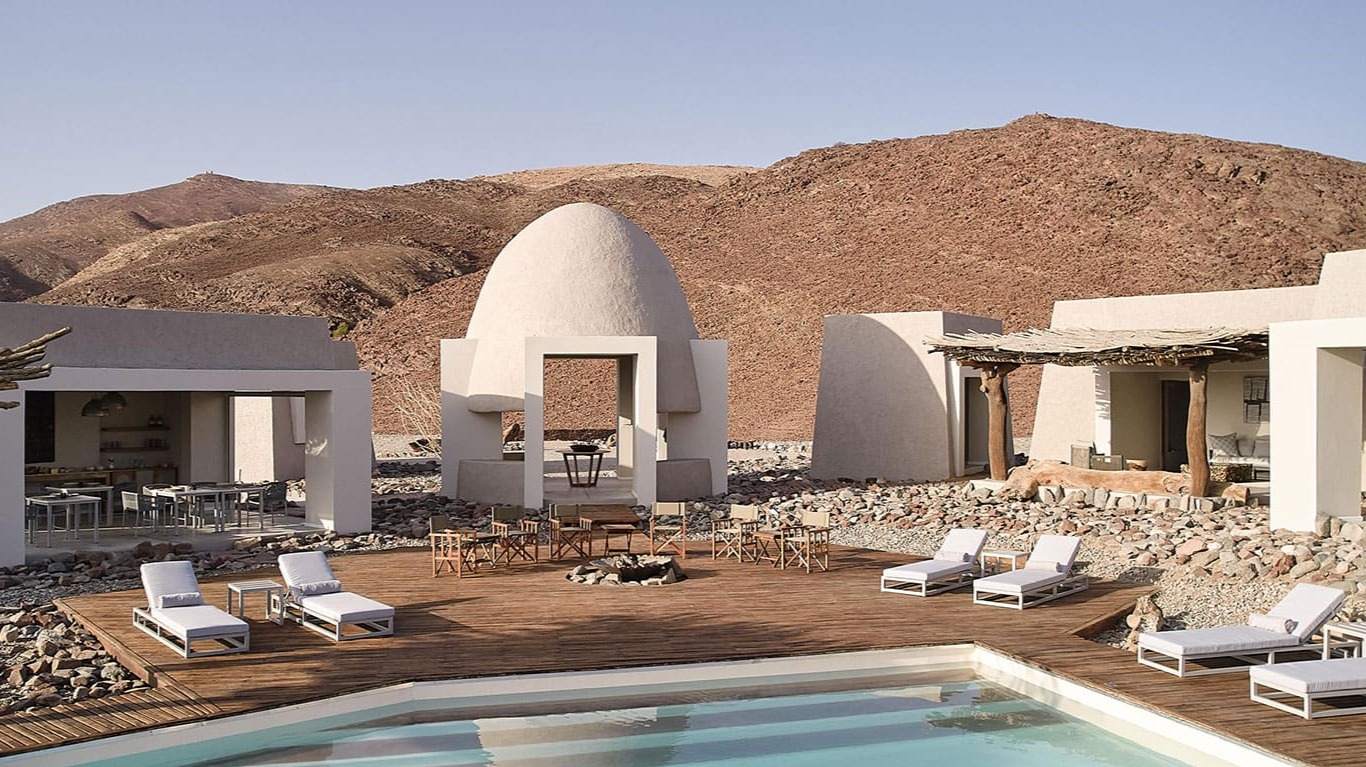
tips and advice
Okahirongo Elephant Lodge Tips: Booking Flights, Packing Layers and Waterhole Vigil Schedules
Encounters Africa - 5 min read
Updated on 11 May 2026
Arriving at Okahirongo Elephant Lodge, an A&K Sanctuary, means stepping into Namibia's remote northwest, where desert-adapted elephants roam ancient dunes under starlit skies. This exclusive retreat in the Palmwag Concession offers intimate wildlife encounters amid stark, beautiful landscapes. Practical planning elevates your stay, from flight logistics to packing for dramatic temperature shifts and syncing with waterhole spectacles.
Secure Okahirongo Elephant Lodge spots via A&K 9 months early for May-July peaks. Layered khakis combat 20°C swings; time hides for 4pm elephant processions at waterholes. Encounters Africa shares insider tips to craft seamless journeys here.

Mastering Flights to Okahirongo Elephant Lodge
Reaching Okahirongo Elephant Lodge, an A&K Sanctuary, starts with smart aviation choices. Most guests fly into Windhoek's Hosea Kutako International Airport, then connect via light aircraft to the lodge's private airstrip. Charter flights from Eros Airport in Windhoek shave hours, landing you amid the Skeleton Coast expanses by midday.
Book domestic legs 9-12 months ahead for peak dry season (May to October), when elephant sightings peak. Airlines like Air Namibia or FlySafair handle the Windhoek hop reliably, but private charters through operators such as Wilderness Air ensure flexibility. Expect a 1.5-hour scenic flight over red dunes and dry riverbeds, touching down on a gravel strip where lodge vehicles await.
Pro tip: Coordinate your international arrival with lodge transfers. Flights from Johannesburg to Windhoek depart frequently, with SAA and Airlink offering daily options. For seamless connections, aim for morning arrivals to align with afternoon charters.
"Charter flights over Namibia's dunes deliver you to Okahirongo's heart, where the first elephant trumpet greets your landing."
Essential Packing for Desert Swings at the Lodge
Okahirongo Elephant Lodge, an A&K Sanctuary, sits in a zone of extreme climate shifts—scorching days yielding to chilly nights. Daytime highs hit 30°C in summer, dropping to 10°C after sunset in winter. Layered clothing in earth tones forms your base: lightweight khaki shirts, long-sleeve button-ups, and convertible trousers for variable conditions.
Pack a fleece or lightweight down jacket for evenings, plus a wide-brimmed hat and high-UV sunglasses to shield against relentless sun. Footwear demands sturdy, low-profile hiking boots with good ankle support for dune walks, paired with gaiters to block sand. Binoculars (8x42 magnification ideal) and a 300-400mm lens camera capture distant waterhole action without disturbance.
Neutral khaki layers: 3-4 shirts, 2 trousers, 1 fleece for 20°C swings
Sun protection: SPF 50+ reef-safe cream, lip balm, neck gaiter
Personal items: Ion-treated water bottle, malaria prophylaxis, personal meds
Wildlife gear: Compact binoculars, dry bag for hides
Laundry services at the lodge run daily, so pack light—five days' worth suffices for a week-long stay.
Decoding Waterhole Vigil Schedules
Timing Your Hide Sessions for Peak Elephant Activity
Waterholes at Okahirongo Elephant Lodge, an A&K Sanctuary, draw desert elephants in predictable waves, especially from 4pm to 7pm during dry months. These massive herbivores, adapted to arid life, process to springs in family herds, silhouetted against fading light. Guides share daily intel on active sites like the lodge's private hides, positioned just metres from the action.
Book morning vigils (6am-9am) for black rhino and oryx, quieter hours yielding intimate views. Afternoons suit elephant parades, with herds of 20-30 arriving as shadows lengthen. Request hide access via your ranger at breakfast; priority goes to photography enthusiasts or families.
Hide Etiquette and What to Expect
Enter hides silently 30 minutes before peak times, settling into shaded, elevated blinds with cushioned seats. Sessions last 1-2 hours; remain still as elephants drink, dust-bathe, and interact—bulls often spar playfully. Guides radio updates on approaching herds, enhancing anticipation.
Expect oryx, giraffe, and springbok too, with black rhino emerging post-elephant visits. Night vigils under floodlights reveal nocturnal dramas, but book these separately for 8pm starts.

"At 4pm sharp, the desert falls silent—then elephants emerge, turning waterholes into living cathedrals of survival."
Daily Routines and Activity Planning
Days at Okahirongo Elephant Lodge unfold with purposeful rhythm, blending guided pursuits and downtime. Wake to coffee on your deck as dawn paints dunes gold, fueling a 5:30am game drive targeting desert lions or cheetah. Return for bush breakfasts featuring fresh Namibian rooibos and Amarula-spiked porridge.
Midday offers siestas by solar-heated plunge pools or spa treatments with indigenous oils. Afternoons pivot to guided walks (2km loops) interpreting dune ecology, or optional dune picnics. Evenings culminate in starlit dinners around a boma fire, with rangers recounting elephant tracking tales.
5:30am: Game drive for predators
9am: Breakfast and waterhole briefing
3pm: Walks or hides
7pm: Sundowners and dinner
Booking Strategies for Okahirongo Elephant Lodge
Spots at Okahirongo Elephant Lodge, an A&K Sanctuary, fill fast—only 12 suites mean high demand. Reserve 9 months ahead for May-July, prime for elephant concentrations and mild 25°C days. Encounters Africa advises bundling with Chobe Game Lodge circuits for multi-destination value.
Contact A&K directly for exclusivity, or leverage Encounters Africa's network for tailored itineraries. Shoulder seasons (April, November) offer 20% availability boosts and fewer crowds, with similar wildlife density. Minimum stays: 3 nights; fly-in safaris suit 5-7 day journeys.
Customise with private guides or family suites, accommodating up to four. Budget for charter flights (US$500-800 pp) and all-inclusive rates covering activities.
Health, Safety and Conservation Insights
Namibia's northwest poses low malaria risk, but pack prophylaxis and DEET repellent regardless. Stay hydrated—aim for 4 litres daily amid dry heat. Lodge water is purified; refill ion bottles at stations. Safety protocols include no solo walks and vehicle briefings for game drives.
Okahirongo supports desert elephant research via collaring programs—join ranger talks on anti-poaching efforts. Photography guidelines: No flash at hides; drones prohibited to avoid stressing wildlife.
Hydration: 4L water daily, electrolyte tabs
Health: Malaria pills, sunscreen, altitude kit (minimal risk)
Conservation: Support via optional donations at checkout
Conclusion: Crafting Your Okahirongo Journey
Okahirongo Elephant Lodge, an A&K Sanctuary, rewards prepared travellers with unparalleled desert intimacy. From flight precision to vigil timing, these tips ensure every moment resonates. Encounters Africa designs bespoke safaris here, drawing on decades of expertise.
For discerning travellers seeking private journeys beyond set itineraries, contact us directly. We specialise in tailor-made experiences for individuals, couples, families, and groups up to eight, curating details around your preferences via our network of lodges like this one. Enquire now to start planning your Namibia adventure.
"In Okahirongo's embrace, layers shield the body while vigilance feeds the soul—desert elephants await."
More like this
tips and advice
Pack These Five Medical Items Before Your Next African Safari
tips and advice
Palissandre Cote Ouest Resort & Spa: Booking Windows, Packing Essentials and Spa Session Timing
tips and advice
Paradis Beachcomber Golf Resort & Spa: 5 On-Site Rules for Optimal Course Scores
tips and advice
Passport Rules and Visa Strategies for Crossing East African Safari Borders
tips and advice
Plan Your Stay at Mumbo Island Camp: Access, Packing and Daily Routines
tips and advice