Photography
Teaching Light in Kenya: Field-Proven Camera Settings for Safari
Encounters Africa - 9 min read
Updated on 4 August 2026
Kenya's intense equatorial light and fast-moving wildlife require specific metering techniques and burst settings. This practical guide shares exact camera adjustments that deliver crisp images of lions at dawn and elephants against dramatic skies. For photographers joining a safari in Kenya, understanding how to harness the harsh midday sun and fleeting golden hours transforms ordinary snapshots into gallery-worthy frames.
From the sweeping plains of the Masai Mara to the dusty red tracks of Tsavo East National Park, light conditions shift dramatically throughout the day. The equatorial sun rises and sets quickly, often producing only 30 minutes of truly magical illumination. Professional guides at Encounters Africa have refined these camera techniques over hundreds of safaris, ensuring their guests return home with images that capture both the drama and the intimacy of East African wildlife.
Why Kenya's Light Demands a Different Approach
The country's position on the equator creates unique photographic challenges. Sunlight strikes from almost directly overhead for much of the day, producing high contrast that can fool even sophisticated metering systems. Dawn often brings soft, diffused light ideal for portraits of big cats, while late afternoon delivers that rich, warm glow that makes acacia trees appear to glow from within.
During the dry season from July to October, dust in the air adds a natural diffusion filter, softening harsh shadows. The short rains in November and long rains from March to May bring dramatic cloud formations that create opportunities for striking silhouette photography against brooding skies. These seasonal variations mean photographers must adapt their settings daily, sometimes hourly.

The light in Kenya does not wait for perfection. It demands that you anticipate, prepare, and react with precision.
Essential Camera Gear for Kenyan Safaris
Successful wildlife photography in Kenya begins with the right equipment. A 400mm or 500mm prime lens paired with a 1.4x teleconverter allows you to maintain distance while filling the frame with subjects. Many experienced travellers also carry a versatile 70-200mm zoom for tighter environmental portraits and vehicle-based shooting.
Consider bringing two camera bodies to avoid changing lenses in dusty conditions. A weather-sealed professional DSLR or mirrorless system proves invaluable when sudden downpours arrive without warning. Memory cards with fast write speeds become crucial when shooting extended burst sequences of running wildebeest or hunting cheetahs.
Protective filters, lens hoods, and a sturdy bean bag for resting your camera on the vehicle edge complete the essential kit. At lodges like Angama Mara, the raised viewing platforms offer stable platforms for heavier telephoto setups.
Understanding Your Camera's Metering Modes in Bright African Light
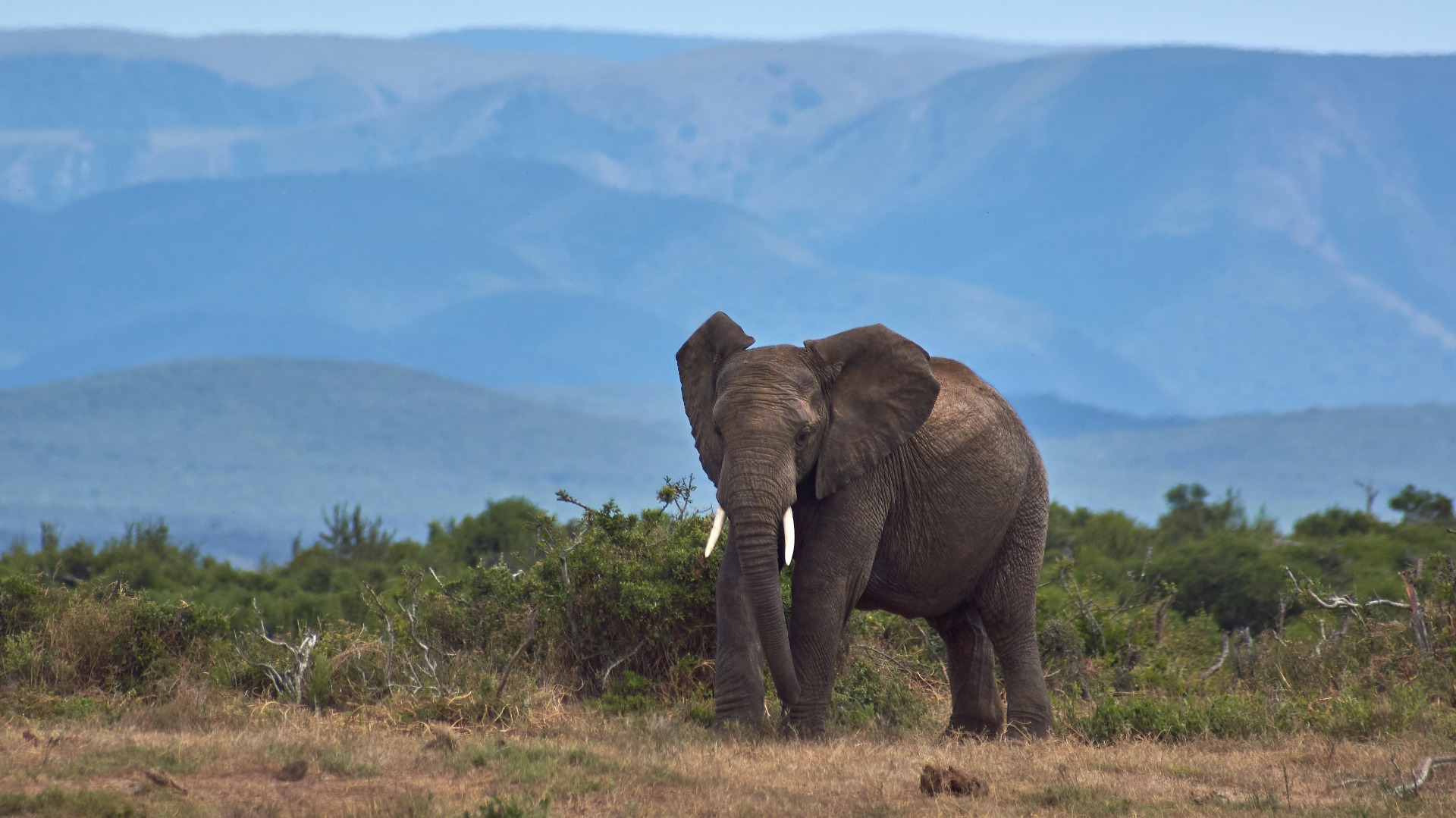
Kenya's intense sunlight often tricks matrix metering into underexposing dramatic scenes. Switching to spot metering allows you to measure light precisely from your subject's face or the brightest part of the sky. This technique proves particularly effective when photographing elephants against dramatic storm clouds in Tsavo.
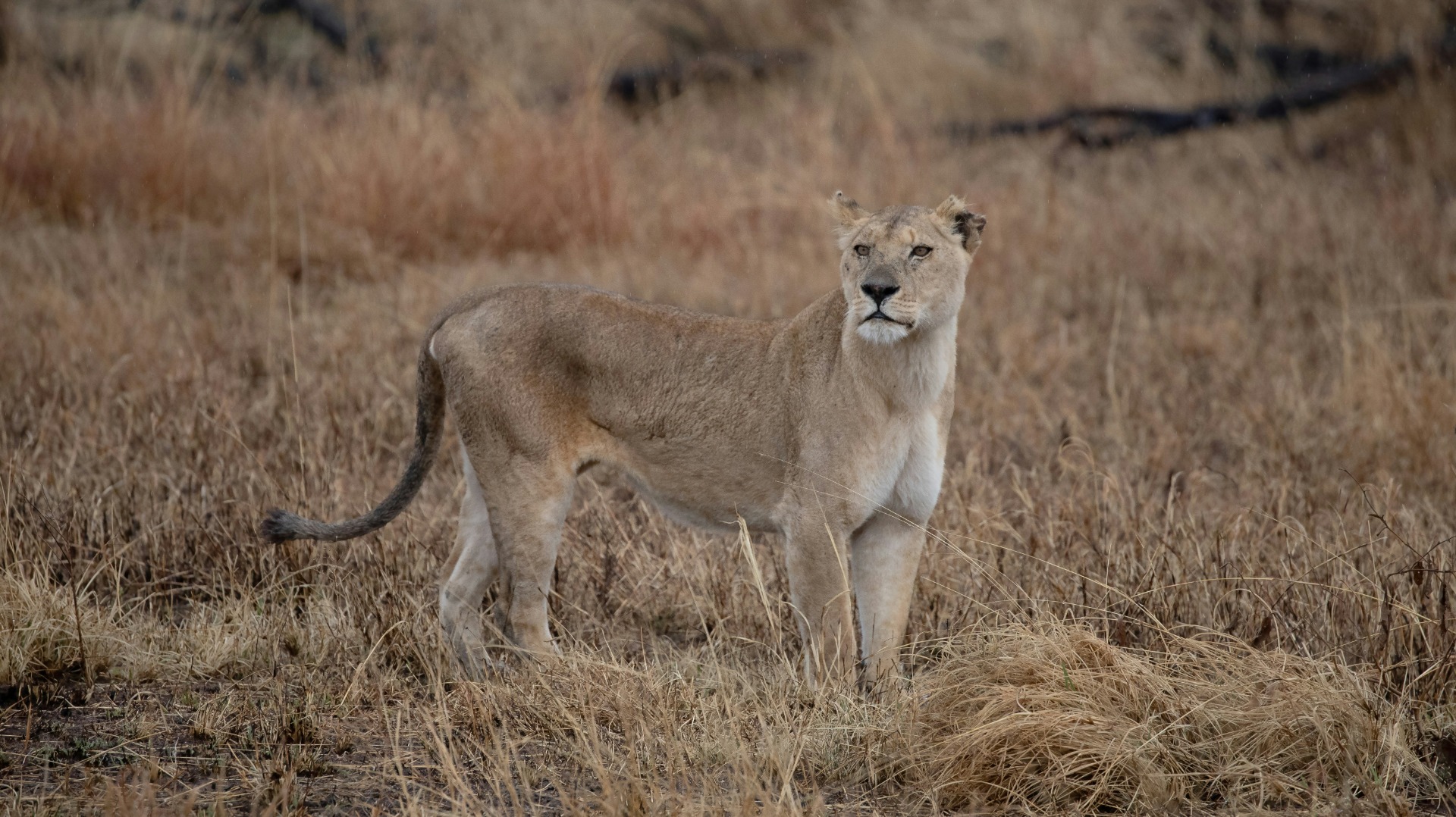
Many photographers find centre-weighted metering strikes the perfect balance for safari work. It reads the central portion of the frame while still considering surrounding light values. During early morning game drives in the Masai Mara, this setting helps capture the warm tones on a lion's mane without blowing out the highlights in the sky.
Field-Proven Camera Settings for Different Kenyan Conditions
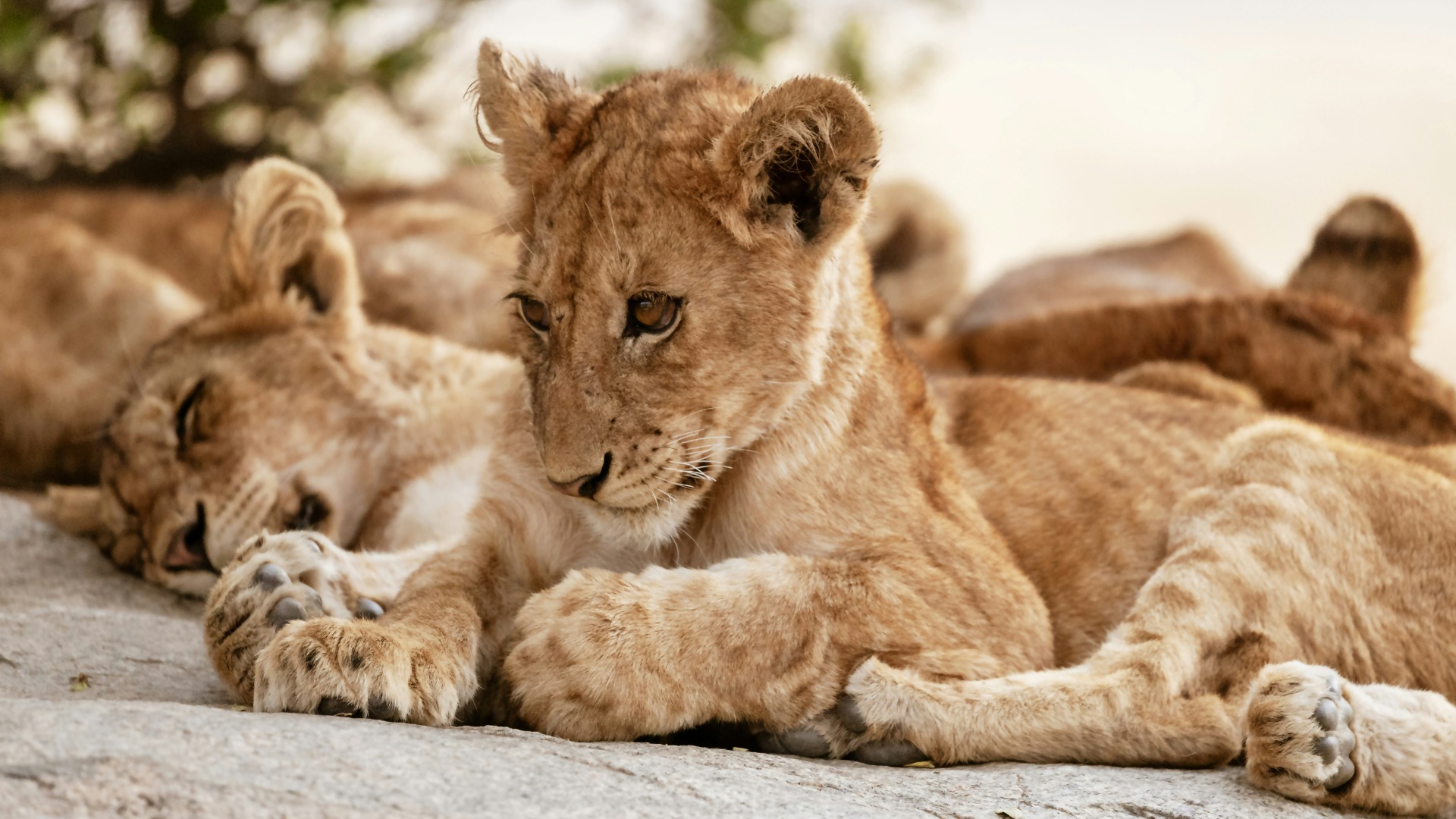
Mastering light in Kenya requires understanding how to adapt settings to specific scenarios. For dawn lion photography, set your camera to aperture priority with f/5.6, ISO 400, and enable continuous autofocus. This combination freezes subtle movements while creating pleasing background separation in the soft morning light.
When capturing elephants at midday in open plains, switch to manual mode with settings around 1/1000th second shutter speed, f/8, and ISO 200. These values combat the harsh overhead sun while maintaining detail in both highlights and shadows. Always check your histogram to ensure you're not clipping important details.
For fast action like cheetahs in pursuit, burst mode becomes essential. Set your camera to capture at least 8 frames per second with a shutter speed of 1/2000th or faster. The dry season from July through October offers the clearest visibility for these high-speed sequences across the open grasslands.
Settings that work in soft European light fail dramatically under Kenya's equatorial sun. Learning to read the specific quality of African light marks the difference between good and exceptional wildlife photography.
Golden Hour Techniques That Capture Kenya's Magic
The 45 minutes after sunrise and before sunset produce Kenya's most memorable images. During these periods, increase your ISO to 800 if needed to maintain shutter speeds above 1/500th second. The warm light enhances the rich colours of the savannah and brings out the texture in animal coats.
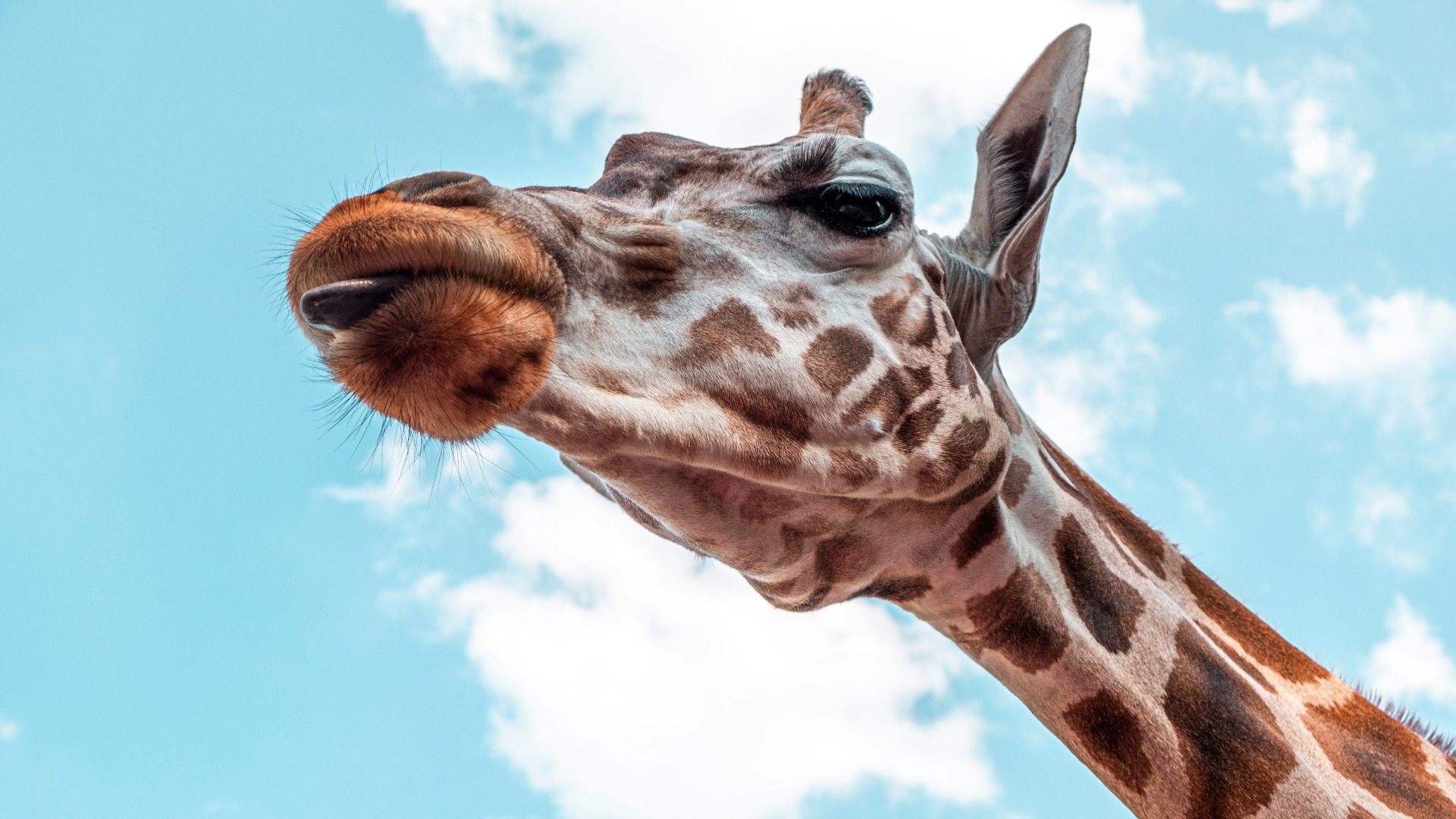
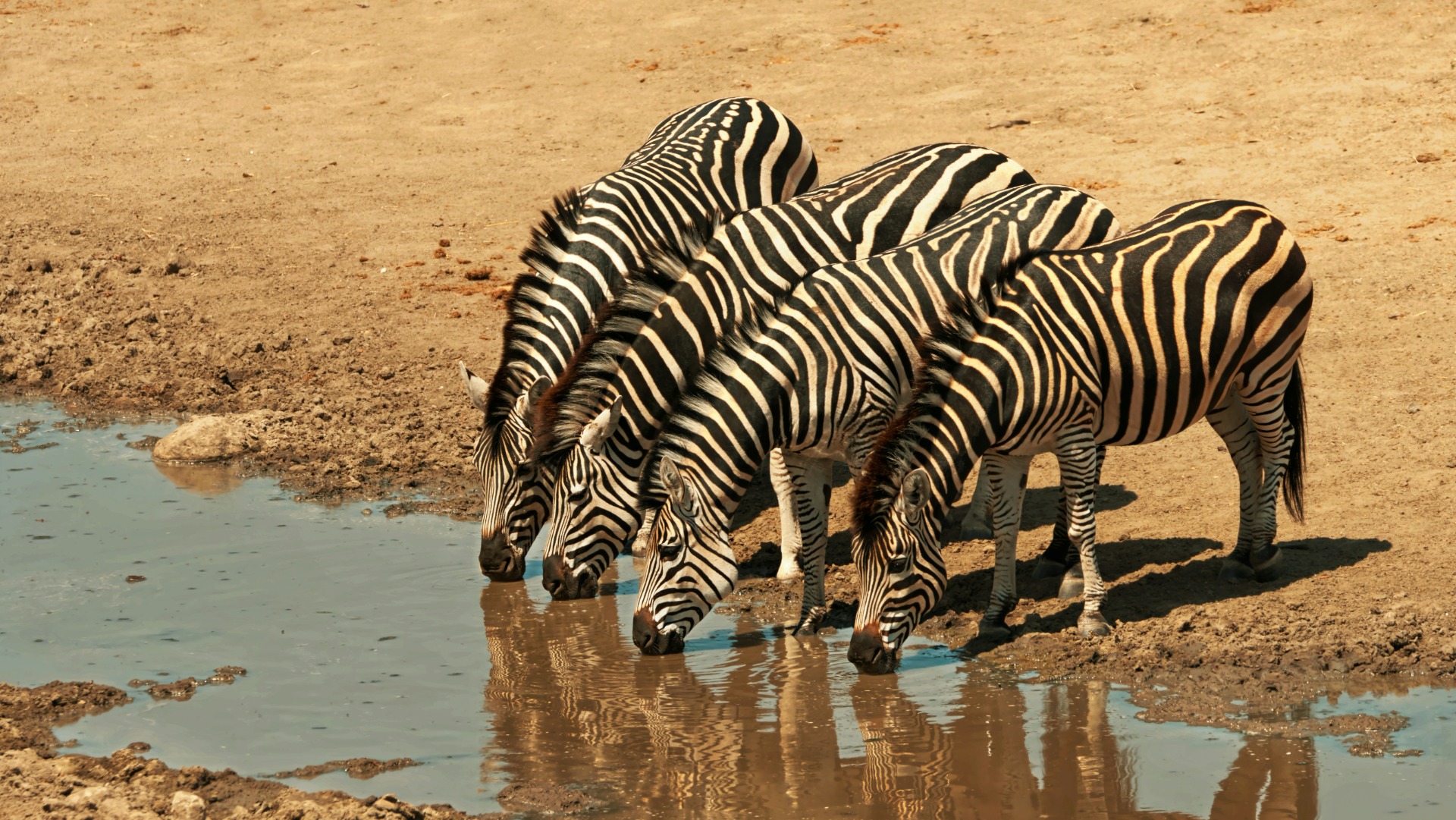
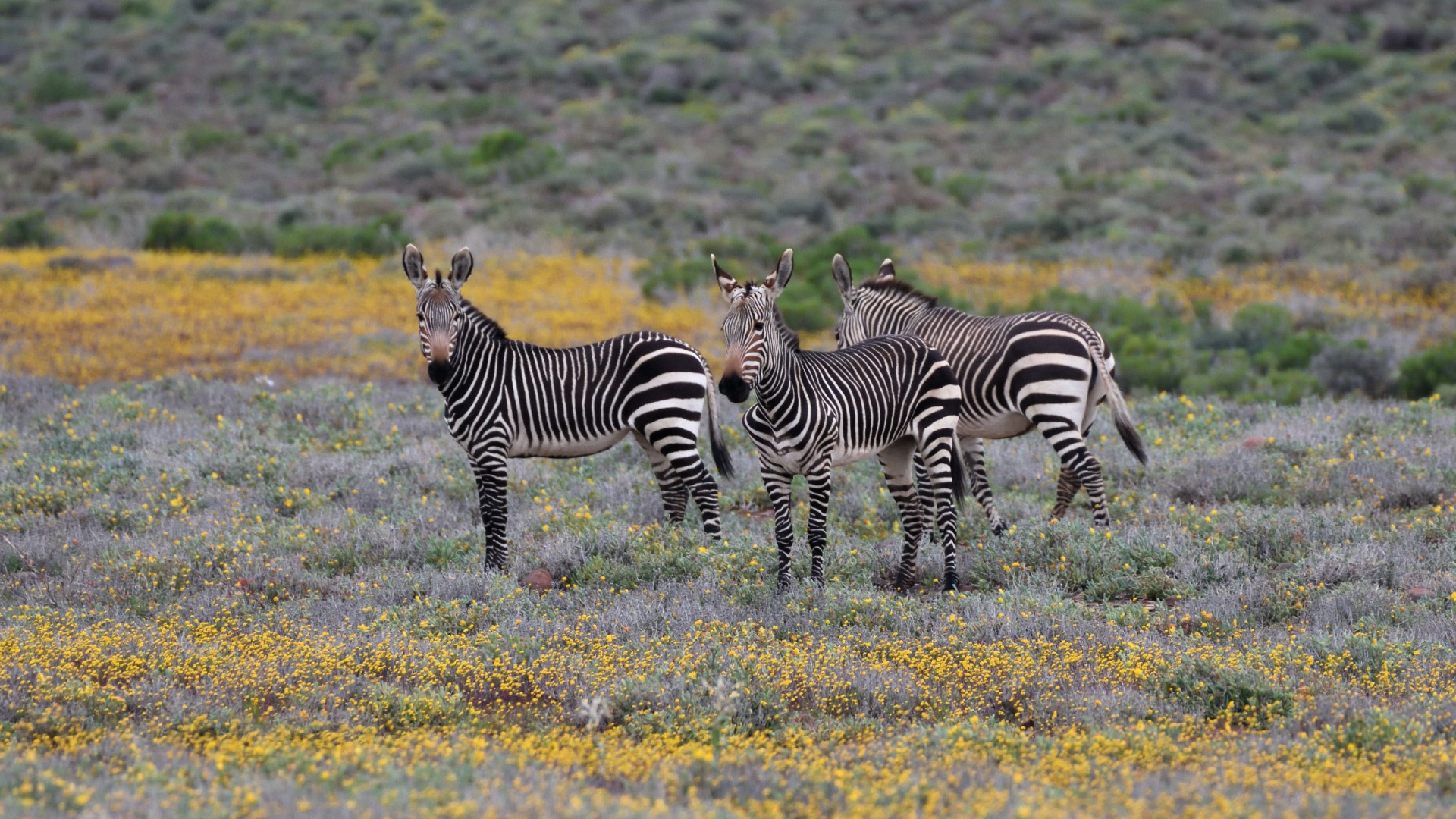
Position your vehicle so the sun falls at a 45-degree angle to your subject. This sidelighting creates beautiful rim light around zebras and giraffes. In the Masai Mara during the great migration between July and October, this technique transforms thousands of wildebeest into a sea of golden movement.
Advanced Techniques for Challenging Kenyan Wildlife Scenarios
Photographing leopards in dappled forest light requires patience and precise exposure compensation. Dial in +0.7 to +1.0 EV to prevent the camera from underexposing these secretive cats against dark branches. The forests around Lake Nakuru provide excellent opportunities to practise this technique.
When shooting birds in flight over water, use back button focus combined with continuous servo mode. A shutter speed of at least 1/1600th second freezes wing movement while a burst rate of 10 frames per second increases your chances of capturing the perfect moment. Flamingos at Lake Nakuru number in the hundreds of thousands during peak season, creating spectacular photographic opportunities.
For landscape shots incorporating wildlife, use a smaller aperture like f/11 to maintain sharpness throughout the scene. The dramatic skies above Amboseli often feature Mount Kilimanjaro in the distance, making these wider compositions particularly rewarding between December and March when elephant herds gather around the swamps.
Dealing with Kenya's Dust and Heat
The fine volcanic dust in many Kenyan parks can quickly degrade image quality. Change lenses only inside your vehicle with the windows closed, and use lens cleaning solution sparingly as excessive moisture attracts more dust. Many professional guides recommend keeping a blower brush readily accessible.
Heat haze becomes a significant issue after 10am in open areas like the Laikipia plateau. Shooting earlier in the day or using a longer focal length to compress the scene helps minimise this atmospheric distortion. The experienced team at Encounters Africa often plans game drives to maximise these optimal photography windows.
What Camera Settings Should You Use for Safari Photography in Kenya?
This question comes up frequently from travellers preparing for their first Kenyan safari. The answer depends on the specific conditions, but certain baseline settings serve as reliable starting points across most scenarios.
For general wildlife photography during morning and evening game drives, begin with these settings: aperture f/6.3 to f/8, shutter speed 1/1000th second, and ISO adjusted automatically between 200-800. Enable continuous autofocus with a single point or small cluster of focus points, and shoot in RAW to allow for exposure adjustments during post-processing.
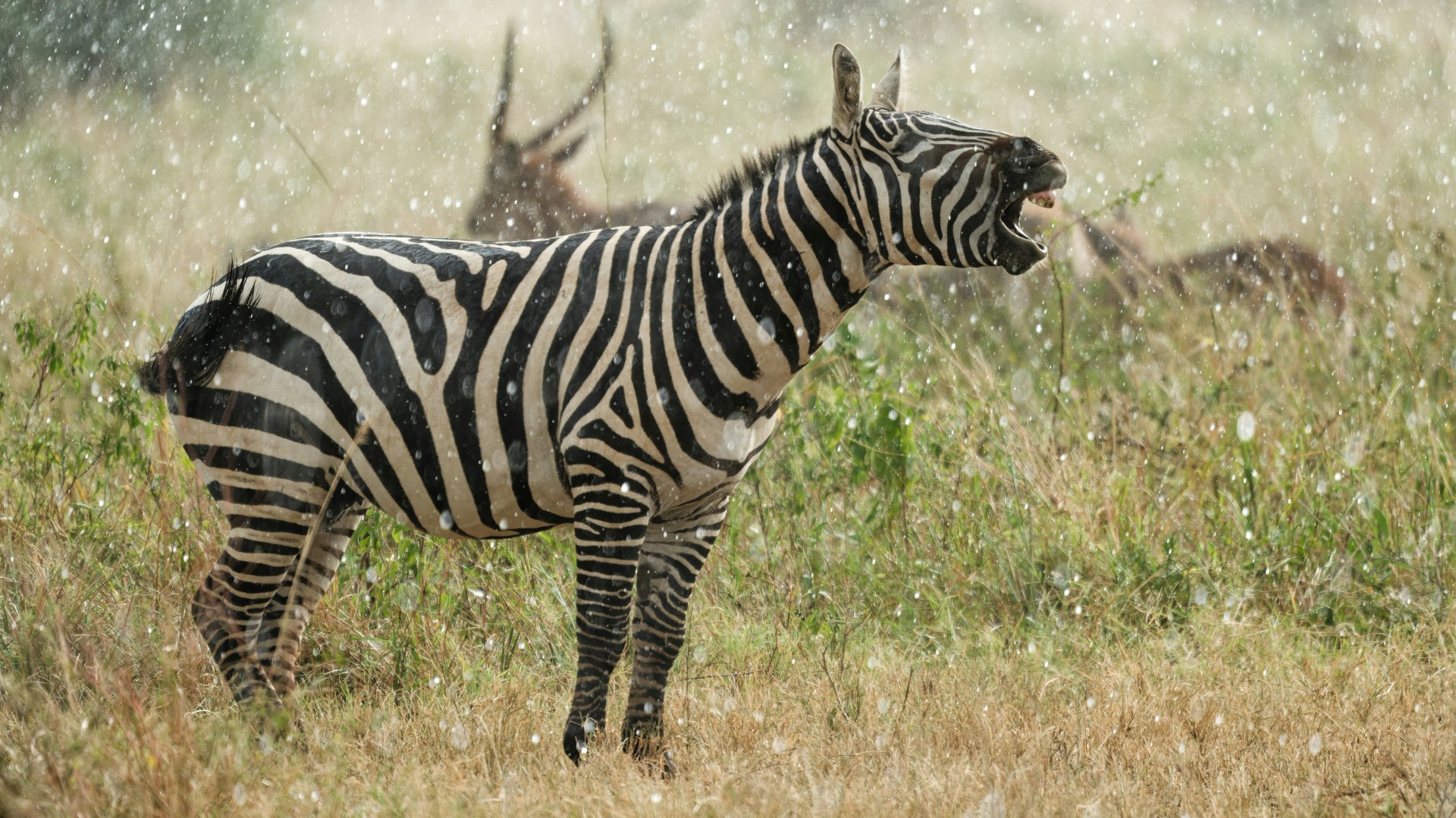
When the light changes dramatically, as it often does during Kenya's dramatic afternoon thunderstorms, switch to manual mode and bracket your exposures. This technique ensures you capture the full dynamic range of these powerful natural displays while keeping your main wildlife subject properly exposed.
Remember that these settings represent starting points rather than rigid rules. The key lies in understanding your camera's capabilities and adapting quickly to the ever-changing African light.

Post-Processing Tips Specific to Kenyan Safari Images
Kenyan wildlife photography benefits from subtle rather than dramatic post-processing. The natural colours of the landscape already possess remarkable saturation, particularly during the golden hours. Focus on recovering highlight details in skies and bringing out shadow information in animals' dark coats.
Many photographers find that a slight increase in clarity helps define the texture of elephant skin or the individual hairs in a lion's mane. Selective dodging and burning can enhance the three-dimensional quality of your subjects without creating an artificial appearance.
Consider creating a preset in your editing software based on your most successful Kenyan images. This workflow speeds up processing when you return with thousands of frames from an intensive safari through multiple conservancies and national parks.
Great safari photography captures not just the animals but the spirit of the place itself. The dust, the light, the vastness; these elements deserve as much attention as the wildlife.
Bringing Kenya's Wildlife Home Through Your Lens
Mastering the complex interplay of light, wildlife behaviour, and technical settings transforms a Kenyan safari from memorable journey into lasting artistic achievement. The techniques shared here represent decades of collective experience from professional guides and photographers who have spent countless hours in the field across Kenya's diverse ecosystems.
Whether you're capturing the intimate family interactions of elephants in Amboseli National Park or the explosive energy of predators on the hunt in the Masai Mara, these field-proven approaches will elevate your photography. The key remains patience, preparation, and a willingness to adapt as conditions change throughout each day.
For discerning travellers seeking a private safari beyond our set itineraries, we invite you to contact us directly. We specialise in designing exceptional, tailor-made journeys for individuals, couples, families, and private groups of up to eight guests. Drawing on our handpicked network of distinguished camps and lodges, we curate every detail with precision and care, creating a seamless, deeply personal safari experience shaped entirely around your preferences, pace, and budget.
Ready to put these techniques into practice on your own Kenyan photographic adventure? Visit our enquiry form to begin planning your personalised safari with Encounters Africa. Our team of specialists will ensure your journey aligns perfectly with your photographic goals while supporting the conservation efforts that protect these precious landscapes for future generations.
More like this
photography
Mastering Star Trails Over the Savanna: Essential Camera Settings and Timing
photography
Mastering the Great Migration: Practical Camera Settings for Capturing Movement and Scale
photography
Experiencing Zimbabwe's Golden Light for Striking Wildlife Frames
Photography
Navigating Drone Regulations Across African Skies: Permitted Zones and Strict No-Fly Areas
photography
Practical Camera Protection Tactics for Dusty African Safaris
Photography