photography
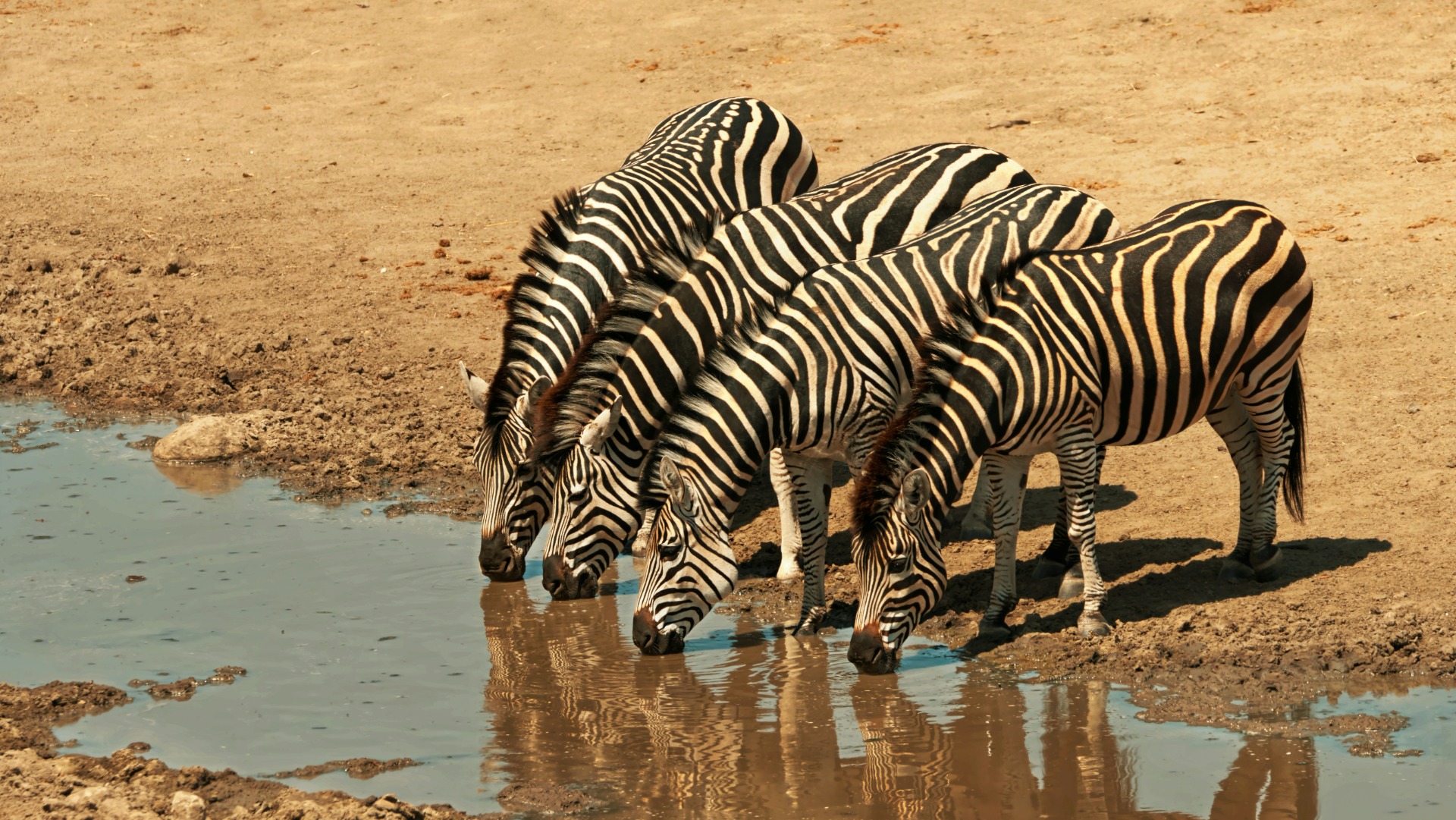
Experiencing Zimbabwe's Golden Light for Striking Wildlife Frames
Encounters Africa - 8 min read
Updated on 21 July 2026
Zimbabwean photography thrives on understanding how the country's distinctive light interacts with vast landscapes and abundant wildlife. From the floodplains of Mana Pools to the open woodlands of Hwange, shifting sunlight and dust-filled air create unique conditions that reward thoughtful technique. Zimbabwe's golden light offers both dramatic scale and intimate detail when harnessed correctly, transforming standard wildlife frames into compelling visual stories.
The best time to visit for photography is between May and October when dry conditions heighten dust in the air, producing rich golden tones at dawn and dusk. Midday haze, often dismissed by visitors, can be used creatively with specific white balance adjustments and exposure compensation of +0.3 to +0.7 stops. Local photographers consistently achieve striking results by working with these conditions rather than against them across key reserves.
Understanding Zimbabwe's Unique Light Conditions
Zimbabwe sits at a latitude that delivers particularly pure sunlight, yet the dry season introduces fine particles that scatter light in beautiful ways. This atmospheric dust softens harsh midday rays while adding warmth and depth during the golden hours. Recognising these patterns allows photographers to anticipate moments when light reveals texture in elephant skin or catches the curve of an impala horn with remarkable clarity.
In Mana Pools, the Zambezi River's influence creates additional moisture that interacts with dust to produce ethereal backlighting. Hwange's vast open spaces amplify the effect, with termite mounds and acacia trees casting long shadows that add dimension to compositions. These elements combine to offer opportunities unavailable in many other African destinations.
The golden dust that rises from thousands of hooves at sunset doesn't just add atmosphere; it tells the story of movement, scale and survival in one frame.
Seasonal Variations Worth Planning For
From June to August, cooler temperatures keep animals active longer into the morning, extending the prime shooting window. September and October bring intense dry heat that concentrates wildlife around water sources, creating natural gathering points perfect for patient observation. November's first rains transform the landscape with fresh green growth that contrasts beautifully against lingering golden tones.
Understanding these cycles helps photographers pack appropriate gear and set realistic expectations. A Zimbabwe safari planned with light conditions in mind yields far more satisfying results than one arranged purely around dates.

Zimbabwean Photography Tips for Golden Hour Mastery
Arrive at least 45 minutes before sunrise to set up and observe how light gradually reveals the landscape. Use a sturdy tripod for slower shutter speeds that capture subtle movement in grasses or water. Early light often carries a pinkish hue that requires careful white balance adjustment, typically setting custom kelvin between 4500K and 5200K depending on dust density.
During evening golden hour, focus on backlit subjects to create striking rim lighting around silhouettes. Elephants at Mana Pools against the setting sun offer particularly powerful opportunities. Increase exposure compensation by up to one full stop to prevent the subject from becoming too dark while preserving the warm glow in the sky.
Camera Settings That Deliver Results
For wildlife action, maintain a minimum shutter speed of 1/1000th second with apertures between f/5.6 and f/8. ISO should remain as low as possible, rarely exceeding 800 even in lower light. Spot metering on the subject rather than evaluative metering prevents the bright sky from fooling the camera's light meter.
Raw shooting is essential in Zimbabwe's variable conditions. The extra data allows recovery of highlights in dramatic skies and shadow detail in animals partially obscured by vegetation. Many experienced photographers also bracket exposures by 1/3 stop increments to ensure perfect captures when light changes rapidly.
Patience behind the lens in Zimbabwe teaches that the perfect moment rarely arrives on schedule, but when it does, the light makes every wait worthwhile.
Working with Midday Haze Creatively
Rather than avoiding the harsh hours between 10am and 4pm, skilled Zimbabwean photographers use this time for atmospheric portraits and environmental studies. The haze diffuses light beautifully, reducing contrast and creating softer tones ideal for intimate behavioural shots. A slight underexposure of 1/3 stop helps retain detail in bright areas while adding mood to the frame.
Convert some midday images to black and white during post-processing to emphasise form and texture over colour. The strong shapes of baobab trees against hazy skies or elephants moving through heat shimmer translate powerfully in monochrome. This approach reveals another dimension of Zimbabwe's photographic potential.
Equipment Recommendations for Zimbabwe Conditions
A 100-400mm or 200-500mm zoom lens offers versatility across different scenarios, from distant herds to closer encounters. Pair this with a 24-70mm for landscape context shots that show animals within their environment. A polarising filter helps cut through haze while enhancing colour saturation in vegetation and sky.
Protect equipment from the fine dust that characterises Zimbabwe's dry season. Use lens hoods constantly, carry microfibre cloths for frequent cleaning, and consider weather-sealed camera bodies. Many photographers also pack UV filters not for their optical effect but as sacrificial protection for expensive front elements.
Ethical Approaches to Wildlife Photography in Zimbabwe
Respecting wildlife and local regulations forms the foundation of responsible image-making. Maintain minimum distances recommended by guides, typically 25 metres for most species and 50 metres for predators. Never call or make sounds to attract attention, as this disturbs natural behaviour and creates false moments.
Supporting community-based conservation through your photography adds deeper meaning to the experience. Many lodges work directly with local photographic guides whose knowledge of light patterns and animal movements proves invaluable. Their insights often lead to more authentic and compelling images.
True mastery in Zimbabwean photography comes not from technical perfection alone, but from images that honour the wild spaces and communities that make them possible.
Learning from Local Photographers
Zimbabwe has produced several internationally recognised wildlife photographers whose work demonstrates deep understanding of local conditions. Their preference for shooting during the shoulder hours of the day, when most visitors have returned to camp, reveals how different light angles transform familiar subjects. Spending time with these practitioners during a tailored safari offers insights difficult to gain independently.
For discerning travellers seeking a private safari beyond our set itineraries, we invite you to contact us directly. We specialise in designing exceptional, tailor-made journeys for individuals, couples, families, and private groups of up to eight guests. Drawing on our handpicked network of distinguished camps and lodges, we curate every detail with precision and care, creating a seamless, deeply personal safari experience shaped entirely around your preferences, pace, and budget.

Post-Processing Techniques for Zimbabwe Images
Subtle adjustments often prove most effective when working with files captured in Zimbabwe's distinctive light. Selective colour temperature tweaks can enhance the golden quality without making images appear artificial. Careful use of clarity and dehaze tools brings out texture in dust-laden atmospheres while preserving natural appearance.
Pay particular attention to highlight recovery in skies that frequently contain delicate gradients. Masking tools in modern editing software allow targeted adjustments that maintain the integrity of both subject and environment. Many photographers create preset profiles specifically calibrated for Zimbabwe's warm colour palette and atmospheric conditions.
Building a Cohesive Portfolio
Consider creating series that explore different aspects of Zimbabwean light across various locations. A collection showing the same species under different lighting conditions demonstrates both technical skill and environmental awareness. Including contextual images alongside tight wildlife portraits tells a more complete story of these remarkable ecosystems.
Reviewing images in the field, when possible, helps identify what works in local conditions and what needs adjustment for the following day's shoot. This iterative approach, combined with notes about time, weather and settings, accelerates learning and improves results significantly over the course of a safari.
Planning Your Zimbabwe Photographic Journey
Selecting the right camps and timing makes an enormous difference to photographic success. Properties like Chobe Game Lodge on the Zimbabwe side of the Chobe River offer exceptional access to water-based photography opportunities. Further south, camps in Hwange provide direct views over productive waterholes where golden light creates magical conditions throughout the day.
Consider combining Mana Pools with Hwange for contrasting experiences within a single journey. The riverine environment of the former pairs beautifully with the open savanna and woodland of the latter. A well-planned 10 to 14 day itinerary allows sufficient time to master the light in each location without feeling rushed.
Those looking for a private safari beyond our set itineraries would be delighted to hear from you directly. We specialise in creating beautifully tailored journeys for solo travellers, couples, families, and private groups of up to eight guests. Through our trusted network of carefully selected camps and lodges, we craft each safari around your individual interests, preferred pace, and budget, ensuring a seamless and deeply personal experience from beginning to end.
Whether documenting the intimate behaviour of a lion pride at first light or capturing the vast scale of elephant herds moving through golden dust, Zimbabwe rewards those who approach its light with respect and preparation. The resulting images carry both technical excellence and emotional resonance that reflect the true character of these wild places.
Ready to capture your own striking frames under Zimbabwe's golden skies? Contact Encounters Africa today to begin planning a photography-focused safari shaped around your vision and creative goals. Our team of specialists understands the nuances of light across Zimbabwe's premier wildlife areas and can connect you with the perfect combination of locations, timing and expert guidance.
More like this
Photography
Navigating Drone Regulations Across African Skies: Permitted Zones and Strict No-Fly Areas
photography
Practical Camera Protection Tactics for Dusty African Safaris
Photography
Practical Camera Settings for Capturing Zambia's Dramatic Landscapes at First Light
Photography
Practical Camera Settings for Documenting Uganda’s Protected Wildlife
Photography
Practical Camera Techniques for Capturing African Wildlife in Shifting Light
Photography