destination guides
Matobo National Park: A First-Time Visitor's Essential Guide
Encounters Africa - 7 min read
Updated on 1 May 2026
Nestled in the heart of Zimbabwe, Matobo National Park is a UNESCO World Heritage site that offers a truly unique African experience. For first-time visitors, this ancient landscape, characterised by its distinctive granite formations known as 'balancing rocks', presents a captivating blend of natural beauty, profound history, and remarkable wildlife. It's a place where the echoes of ancient civilisations meet the vibrant pulse of contemporary conservation efforts, making it an essential destination for anyone seeking an authentic encounter with Africa's soul.
Matobo National Park is renowned for its significant cultural heritage, including thousands of San rock art sites, and its vital role in rhino conservation. It is also the resting place of Cecil John Rhodes. This guide is designed to equip first-time visitors with all the necessary information to explore Matobo, ensuring a memorable and enriching journey into this extraordinary corner of Zimbabwe.
Exploring the Unique Landscape of Matobo National Park
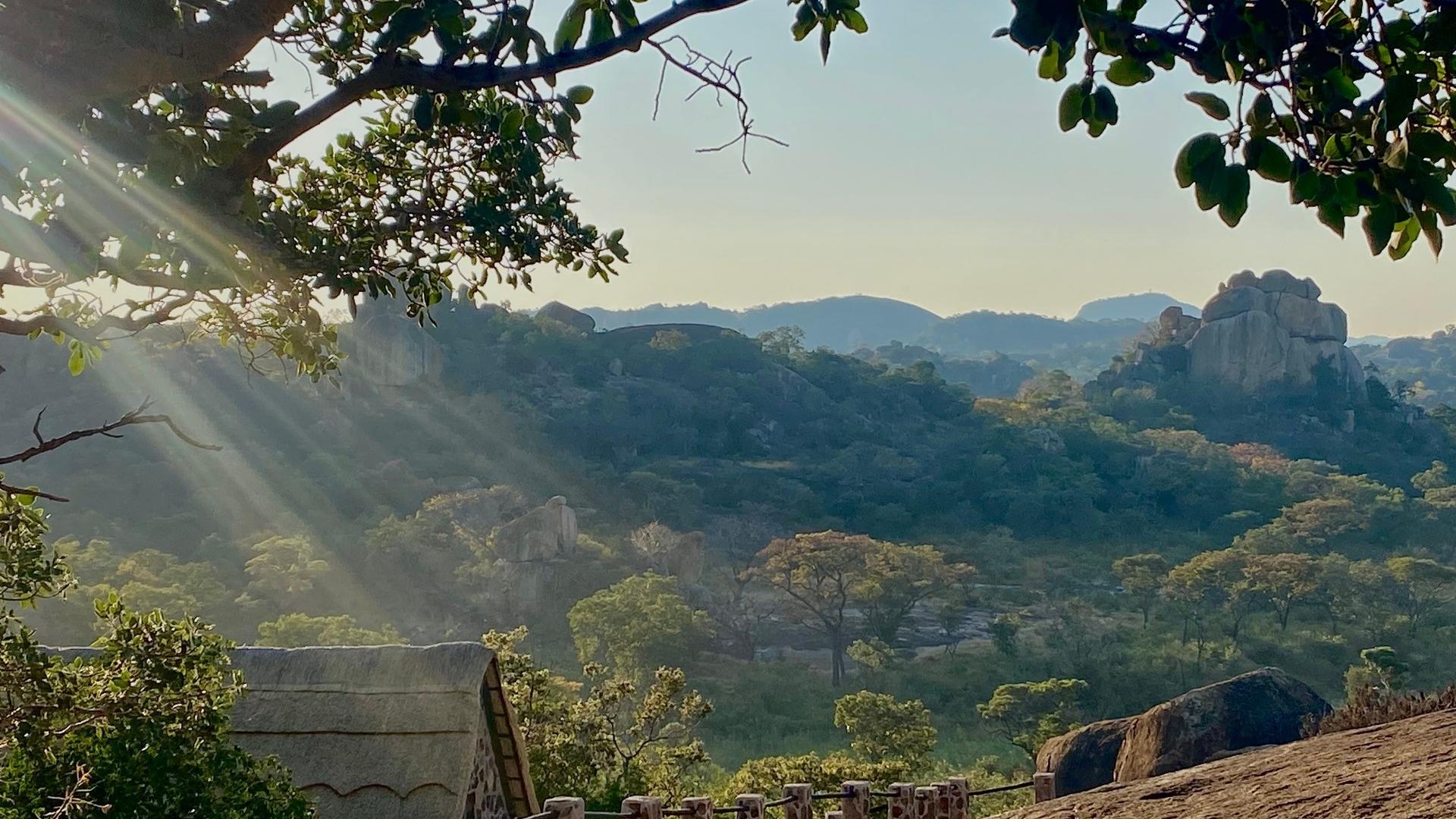
The landscape of Matobo National Park is undeniably its most striking feature. Formed over millions of years, the granite kopjes and balancing rocks create a surreal, almost otherworldly environment. These geological wonders are not merely scenic; they have shaped the history and culture of the region, providing shelter for early humans and inspiring countless myths and legends.
The park covers an area of approximately 3,100 square kilometres, with the national park section being 424 square kilometres. The unique geology supports a surprising diversity of flora, including several endemic species adapted to the rocky terrain. Exploring these formations, whether by vehicle or on foot, offers breathtaking vistas and a profound sense of ancient time.
The Iconic Balancing Rocks and Kopjes
The balancing rocks are perhaps the most famous geological feature of Matobo. These gravity-defying formations are a result of millions of years of erosion, creating sculptures of immense natural artistry. They are scattered throughout the park, providing stunning backdrops for photography and a sense of wonder for all who witness them.
Beyond their aesthetic appeal, these kopjes (small hills) are integral to the ecosystem, providing microclimates and habitats for a variety of plants and animals. Many also hold spiritual significance for the local Ndebele people, serving as sacred sites for rituals and ceremonies.
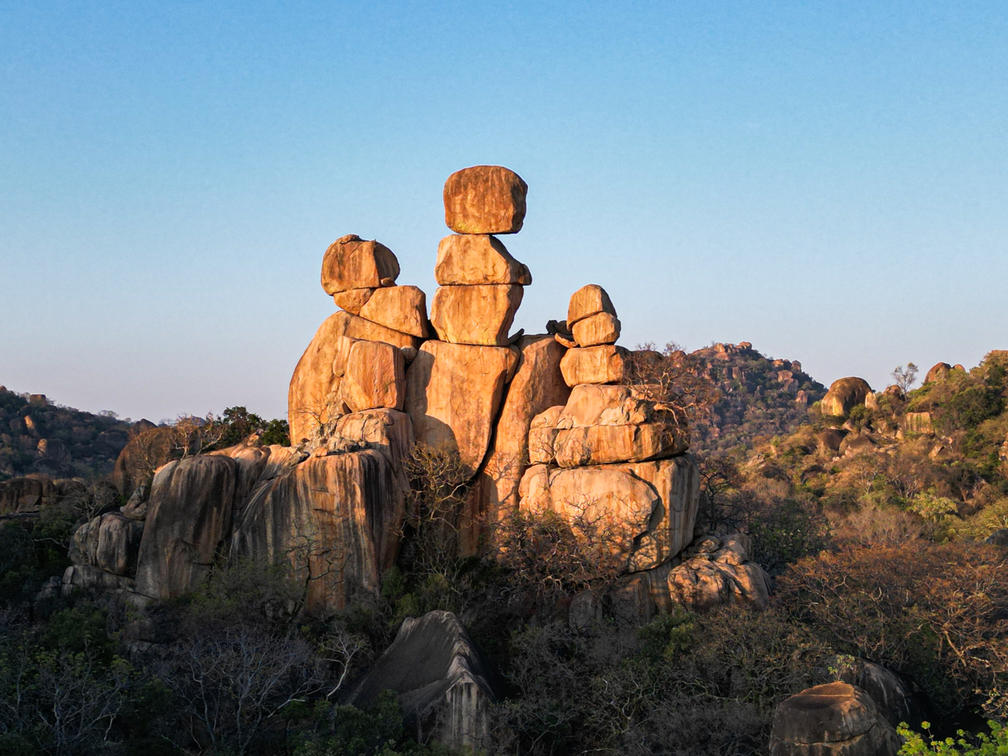
“Matobo’s granite landscape is a living canvas, etched by millennia of wind and water, telling stories of Earth’s ancient artistry and humanity’s enduring spirit.”
Wildlife Encounters in Matobo: A Conservation Success Story
While the landscapes are spectacular, Matobo National Park is also a critical sanctuary for wildlife, particularly its rhino population. The park is one of Zimbabwe's most successful conservation areas for both black and white rhino, offering visitors a rare opportunity to see these magnificent creatures in their natural habitat.
Beyond rhinos, the park is home to a diverse array of animals, including leopard, hyena, zebra, giraffe, wildebeest, and various antelope species. The rocky outcrops and dense vegetation also make it an excellent destination for birdwatching, with over 200 species recorded, including the majestic Verreaux's eagle.
Rhino Tracking: An Unforgettable Experience
One of the most profound wildlife experiences in Matobo is rhino tracking on foot. Accompanied by experienced park rangers, visitors have the chance to approach these gentle giants, learning about their behaviour and the challenges they face. This intimate encounter is a powerful reminder of the importance of conservation.
Encounters Africa strongly advocates for responsible tourism that supports these vital conservation efforts. Participating in activities like rhino tracking directly contributes to the protection of these endangered species, ensuring their survival for future generations.
Cultural and Historical Significance
Matobo National Park is not just a natural wonder; it is a repository of human history, holding archaeological treasures that span tens of thousands of years. The park's caves and rock shelters contain one of the highest concentrations of San (Bushman) rock art in Southern Africa, offering an unparalleled glimpse into the spiritual and daily lives of early inhabitants.
The park also holds significant historical importance from more recent times, notably as the burial place of Cecil John Rhodes, whose grave atop Malindidzimu, the 'Hill of Spirits', offers panoramic views of the surrounding landscape.
Ancient San Rock Art Sites
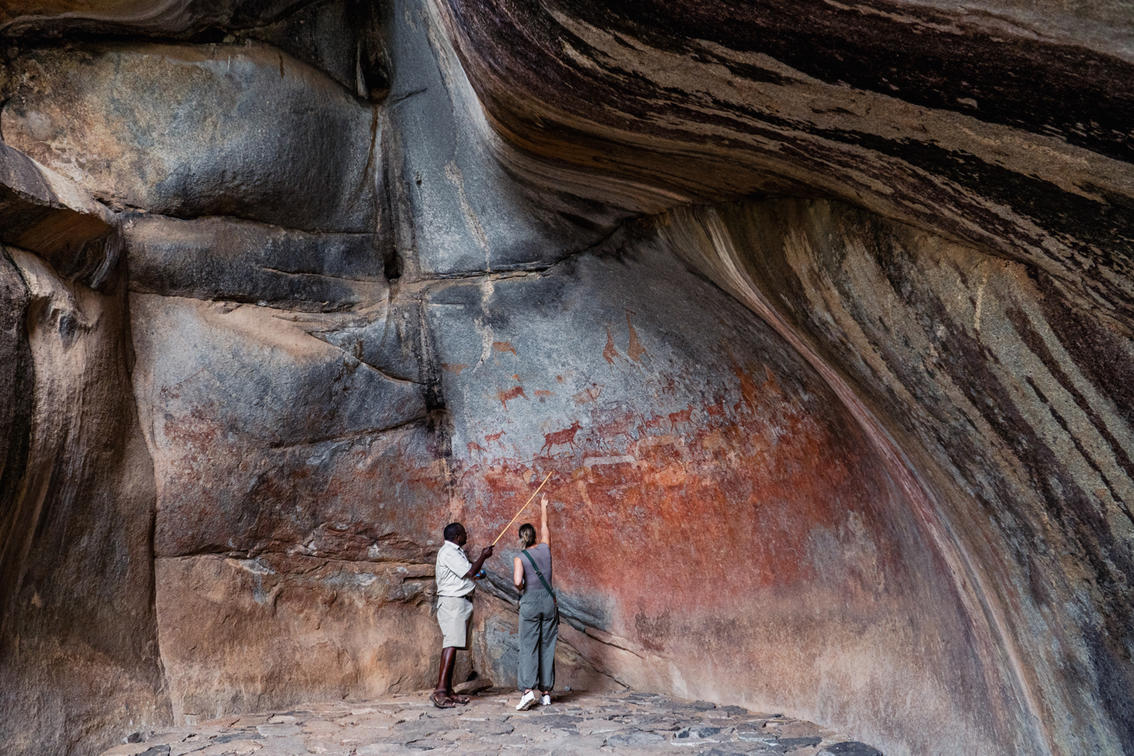
The rock art at sites like Nswatugi Cave and Bambata Cave is remarkably preserved, showcasing intricate depictions of animals, human figures, and abstract symbols. These paintings, some dating back over 13,000 years, are not merely art; they are historical records, spiritual narratives, and a testament to the rich cultural heritage of the San people.
Guided tours to these sites provide invaluable context, helping visitors to understand the profound meaning and artistic skill behind these ancient masterpieces. It's a journey back in time, connecting you to the earliest human stories on the continent.
Cecil John Rhodes' Grave and World's View
Cecil John Rhodes, the British imperialist, chose Malindidzimu, also known as 'World's View', as his final resting place. The site offers a spectacular 360-degree panorama of the Matobo Hills, a view he reportedly described as 'a view of the world'. His grave is carved into the solid granite, a controversial yet historically significant landmark within the park.
Visiting this site offers a moment for reflection on the complex history of the region and the enduring power of the landscape. The views alone are worth the visit, especially at sunrise or sunset.
Planning Your First Visit to Matobo National Park
For first-time visitors, careful planning ensures a smooth and enjoyable experience. Matobo is accessible, yet its unique terrain means some considerations are important, from the best time to visit to accommodation options and activities.
Encounters Africa can assist with bespoke itineraries that perfectly blend your interests with the park's offerings, ensuring a seamless journey from arrival to departure. Consider combining Matobo with other Zimbabwe highlights, such as Victoria Falls or Hwange National Park, for a comprehensive safari adventure.
Best Time to Visit Matobo
The best time to visit Matobo National Park is generally during the dry season, from May to October. During these months, rainfall is minimal, temperatures are pleasant, and wildlife is easier to spot as animals congregate around water sources. The vegetation is also less dense, improving visibility for game drives and rhino tracking.
May to August: Cooler, dry weather, excellent for hiking and wildlife viewing.
September to October: Hotter and drier, prime time for wildlife around waterholes.
November to April: Wet season, lush landscapes, birdwatching is exceptional, but some roads may be challenging.
Accommodation Options
Matobo offers a range of accommodation, from rustic campsites to comfortable lodges, catering to different preferences and budgets. Many lodges are beautifully integrated into the granite landscape, offering stunning views and a tranquil atmosphere.
Some popular choices include Big Cave Camp, known for its unique rock-hewn architecture, and Camp Amalinda, which blends luxury with the natural environment. For those seeking a more immersive experience, several self-catering options and campsites are available within the park and its periphery.
Activities and Experiences
Matobo National Park provides a rich array of activities for first-time visitors:
Rhino Tracking on Foot: A signature experience, offering close encounters with black and white rhinos.
Game Drives: Explore the park's diverse ecosystems and spot various wildlife species.
Rock Art Tours: Discover ancient San paintings with expert guides.
Hiking and Walking Safaris: Trek through the granite hills, enjoying panoramic views and unique flora.
Birdwatching: Matobo is a designated Important Bird Area, home to several raptor species.
Cultural Village Visits: Learn about the local Ndebele culture and traditions.
Each activity provides a different perspective on the park's natural and cultural treasures, ensuring a varied and engaging itinerary.
Conclusion: Your Unforgettable Matobo Journey Awaits
Matobo National Park is more than just a destination; it's an experience that resonates deeply with the spirit of Africa. Its ancient landscapes, profound history, and crucial role in wildlife conservation make it an incredibly rewarding place for first-time visitors. From tracking rhinos on foot to marvelling at ancient rock art and soaking in the panoramic views from World's View, Matobo offers a journey of discovery and connection.
Encounters Africa invites you to embark on this extraordinary adventure. Our expert team is ready to craft a tailor-made safari that captures the essence of Matobo and seamlessly integrates it into your wider Southern African itinerary. Contact us today to begin planning your unforgettable Matobo National Park experience.
More like this

destination guides
Mauritius: Your Ultimate Luxury Island & Wildlife Escape
destination guides
Mbali Mbali Mahale Lodge Guide: Room Types, Rates and Booking Essentials in Tanzania
destination guides
Mbamba's Riverside Retreat: Dispatches from a Savanna Camp
destination guides
Meno a Kwena Botswana Accommodation: Key Booking Details and Rates
destination guides
Mokolwane Botswana Accommodation: Rates, Layouts, and Seasonal Access
destination guides