tips and advice
Planning a Three-Generation Safari That Works for Everyone
Encounters Africa - 7 min read
Updated on 27 August 2026
Multigenerational safaris demand thoughtful orchestration when grandparents and small children share the same African journey. Encounters Africa crafts these experiences around exclusive-use villas and private camps that grant families complete control over daily rhythms, ensuring no one feels rushed or overlooked. Private vehicles become the quiet hero of such trips, allowing unscheduled stops for bathroom breaks, impromptu picnics or simply watching a lion cub tumble in the grass while the youngest traveller naps.
Cape Town-based with three decades of combined experience, Encounters Africa is the specialist arm of the Secret Namibia group for safaris beyond Namibia, covering South Africa, Botswana, Kenya, Tanzania, Rwanda, Uganda, Zambia and Zimbabwe. The team books directly with camps and lodges, reshaping any of its 81 published itineraries for private groups of up to eight guests. This approach proves especially valuable when three generations travel together, balancing early-morning energy with afternoon rest and creating memories that span lifetimes.
The Appeal of Multigenerational Safaris in Africa
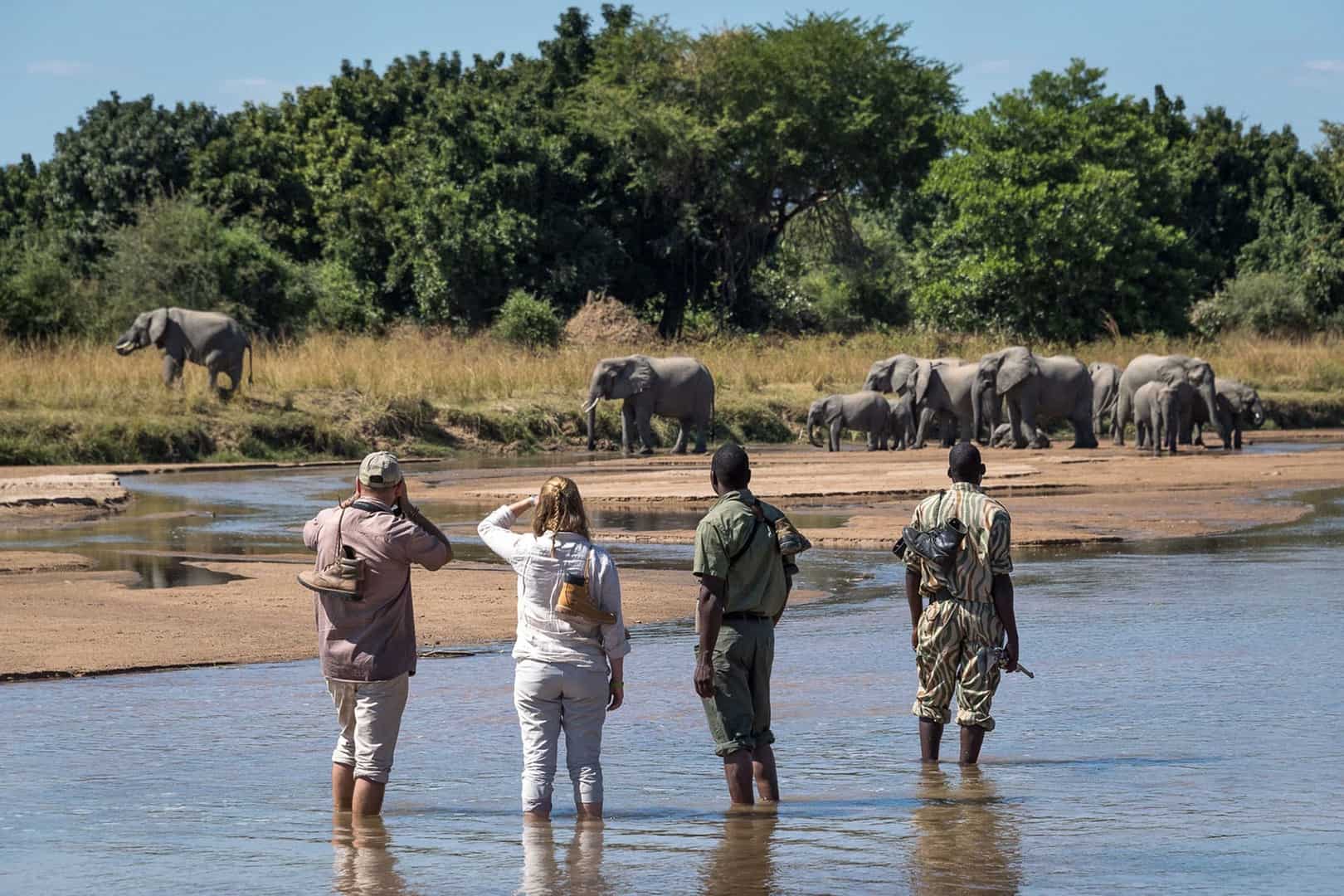
Watching a grandfather point out a distant elephant to his wide-eyed grandchild creates a powerful bridge across decades. These journeys allow families to share the thrill of a leopard draped along a branch or the thunder of a distant herd without the constraints of group schedules. The sensory immersion of dust rising at dawn, the scent of wild sage after rain, and the chorus of birds at first light becomes a shared language that strengthens family bonds.
Yet success hinges on understanding different needs. Grandparents may seek comfort after long flights, while toddlers require flexibility around nap times and meals. Private camps eliminate the pressure of shared dining rooms or fixed departure times, letting each generation move at its own pace. The result is a journey where everyone returns home enriched rather than exhausted.
The true measure of a successful multigenerational safari lies not in the number of big cats seen, but in the quiet moments when a child’s laughter mingles with a grandparent’s story under an acacia tree.
Why Exclusive-Use Villas and Private Camps Make the Difference
Exclusive-use villas offer self-contained spaces with multiple bedrooms, private plunge pools and generous living areas where families can gather without disturbing others. Staff attend only to your group, adjusting meal times to suit both early risers and those who prefer a leisurely breakfast. This privacy proves invaluable when managing varying energy levels across generations.
Private camps take this concept further by reserving an entire property for your family alone. Rangers, trackers and camp managers focus exclusively on your interests, whether that means shorter game drives for little legs or extended sundowner stops where grandparents can relax with a gin and tonic while children chase butterflies nearby. Properties such as Duba Plains Camp and Chief's Camp, an A&K Sanctuary excel at creating these bespoke environments.
In Botswana, several operators allow entire camps to be booked for family groups, ensuring children can make noise without concern and grandparents can retire early after fulfilling days. The same principle applies in South Africa’s private reserves where villas with dedicated chefs and child-friendly facilities remove everyday stresses.
The Critical Role of Private Vehicles
Private vehicles transform multigenerational safaris by removing the rigid timetables that define shared transfers. Your guide can extend a morning drive when excitement builds around a cheetah hunt or cut it short when a small child grows restless. No one needs to wait for other guests or feel pressured to continue when fatigue sets in.
This flexibility extends to practical matters. A quick stop for snacks, a bathroom break in the bush with proper facilities, or simply pulling over to watch dung beetles at work becomes possible. For grandparents with mobility considerations, vehicles can be equipped with step stools or adapted seating, while children benefit from elevated viewing platforms that keep everyone engaged.
Experienced guides quickly read family dynamics, suggesting age-appropriate activities such as tracking insects for toddlers or discussing conservation challenges with teenagers. The vehicle becomes a mobile classroom, storytelling corner and observation deck all in one.
Private vehicles don’t just improve wildlife sightings; they protect the delicate balance of different generations’ needs, turning potential friction points into opportunities for connection.
How do you plan a safari for three generations travelling together?
Planning begins with an honest conversation about everyone’s expectations, physical abilities and interests. Start by selecting destinations that offer malaria-free options where possible, such as certain reserves in South Africa or well-managed areas in Kenya, always consulting medical professionals for personalised advice. Next, choose properties with family villas or exclusive-use camps that provide separate spaces for quiet time and communal areas for shared experiences.
Build the itinerary around shorter, flexible activities rather than long transfers. Incorporate private vehicles for all game drives to allow customised pacing, with morning drives for active members and afternoon options for those preferring rest. Factor in downtime at camp with swimming pools, nature walks close to accommodation, or cultural visits tailored to different attention spans. Work with a specialist who books directly with camps to secure the necessary privacy and can reshape published routes to match your family’s specific rhythm. Finally, communicate dietary requirements, mobility needs and any medical considerations early so every element supports rather than challenges the group dynamic.
Balancing Paces Across Generations
Successful three-generation safaris respect natural rhythms. Early mornings suit keen wildlife observers, yet forcing young children or grandparents out before they’re ready creates unnecessary tension. Instead, camps can arrange staggered starts where some family members enjoy a lie-in while others head out with the guide.
Afternoons often become the heartbeat of these trips. While the youngest nap, grandparents might relax on a shaded deck watching monkeys in the trees or enjoy a massage. Later, everyone reunites for gentle activities such as boat rides on the Chobe River or visits to local communities where children can learn traditional dances and elders share stories.
Evening gatherings around the fire, with hot chocolate for little ones and fine wine for adults, create the most lasting memories. These moments of reflection, where the day’s sightings are relived and questions answered, bind the generations in ways no photograph can capture.
Choosing the Right African Destinations for Multigenerational Travel
Not every safari destination suits three generations equally. South Africa offers excellent malaria-free reserves with comfortable infrastructure, making it ideal for families including very young children or those with health considerations. The Masai Mara delivers dramatic wildlife viewing with relatively short transfer times between camps, though careful selection of private conservancies ensures the space needed for relaxed pacing.
Botswana shines for families seeking water-based activities that captivate all ages, from mokoro rides in the Okavango Delta to gentle river cruises where elephants come to drink. The country’s emphasis on low-impact tourism naturally lends itself to exclusive experiences where families feel they have the landscape to themselves.
For those drawn to primate encounters, carefully planned journeys to Rwanda can work when gorilla trekking is positioned as an optional activity for older children and fit grandparents. The key lies in building sufficient recovery time and maintaining private vehicles throughout.

Three generations gathered around a breakfast table discussing the day’s plans, with input welcomed from the youngest to the eldest, captures the spirit of what these safaris truly offer.
Creating Lasting Family Memories Through Thoughtful Design
The most rewarding multigenerational safaris blend adventure with comfort, structure with spontaneity, and shared excitement with individual space. By choosing exclusive-use villas, embracing the freedom that private vehicles provide, and allowing the natural pace of each generation to shape the days, families return not just with photographs but with stories that will be told for decades.
Encounters Africa draws on deep regional knowledge to shape these journeys, understanding that the difference between a good safari and a transformative family experience often lies in the small adjustments made along the way. Whether watching the sun set over the Makgadikgadi Salt Pans or listening to lions roar across the Kenyan plains, these carefully paced adventures create connections that transcend age.
For discerning travellers seeking a private safari beyond our set itineraries, we invite you to contact us directly. We specialise in designing exceptional, tailor-made journeys for individuals, couples, families, and private groups of up to eight guests. Drawing on our handpicked network of distinguished camps and lodges, we curate every detail with precision and care, creating a seamless, deeply personal safari experience shaped entirely around your preferences, pace, and budget.
More like this
tips and advice
Polar Days at Whichaway Camp: Shaping Expeditions Around Ice Flows and Midnight Light
tips and advice
Practical Connectivity Guide: African Safari Spots With Reliable High-Speed Internet
tips and advice
Practical Family Safari Planning: Ages, Vehicles and Malaria-Free Reserves
tips and advice
Practical Skills for Safely Crossing Namibia's Coastal Dunes by 4x4
tips and advice
Practical Steps for Staying Safe on an African Safari
tips and advice