tips and advice
Practical Family Safari Planning: Ages, Vehicles and Malaria-Free Reserves
Encounters Africa - 8 min read
Updated on 31 August 2026
Practical family safari planning begins with understanding that children of almost any age can join a safari when the right camp, vehicle and reserve are chosen. From private vehicles that let you stop for bathroom breaks to malaria-free reserves and age-appropriate activities, this guide equips parents with everything needed for a smooth family safari. Encounters Africa, the specialist arm of the Secret Namibia group, draws on three decades of combined experience to shape tailor-made journeys across South Africa, Botswana, Kenya, Tanzania, Rwanda, Uganda, Zambia and Zimbabwe by booking directly with camps and lodges.
The question of suitability for younger travellers often surfaces early in the planning conversation. Many parents picture restless legs and endless game drives, yet with thoughtful preparation the African bush can spark lasting curiosity in children. Our approach focuses on creating seamless, deeply personal experiences shaped entirely around your preferences, pace, and budget.
What is the minimum age for a safari?
The minimum age for a safari varies by destination, camp policy and activity type, but many family-friendly lodges welcome children from three years old while some private reserves accept babies as young as six months with parental discretion. In South Africa several malaria-free private reserves such as the Madikwe Game Reserve and parts of the Eastern Cape accept children from infancy, provided parents accept responsibility for supervision during drives and at camp.
In contrast, certain national parks in Botswana and Kenya set a stricter six-year minimum because of malaria risk, predator density and the physical demands of walking activities. Always confirm exact age policies when booking because they can shift with seasonal conditions and individual lodge guidelines.
A well-planned family safari transforms children from passengers into engaged young naturalists who remember the smell of rain on acacia leaves and the silhouette of a giraffe against an orange sky long after the journey ends.
Choosing Malaria-Free Reserves for Peace of Mind
Malaria-free options remove one major concern for parents travelling with younger children. Several premier reserves in South Africa offer this advantage while delivering exceptional wildlife sightings. The Madikwe Game Reserve, Waterberg region and parts of the Eastern Cape around Addo Elephant National Park allow families to focus entirely on the excitement of the bush without prophylactic medication.
These areas support healthy populations of the Big Five yet operate under strict conservation protocols that keep visitor numbers low. Game drives here often feel more intimate, and the absence of malaria tablets means children avoid potential side effects that sometimes dampen enthusiasm. When combined with lodges that provide child-sized binoculars and insect-repellent clothing, these destinations create genuinely relaxing safaris for all ages.
Further north, the Laikipia plateau in Kenya and selected concessions in Tanzania also offer lower-risk malaria windows during the dry season. Timing your journey between June and September typically reduces mosquito presence significantly across these regions.
Private Vehicles: Freedom and Flexibility on Game Drives
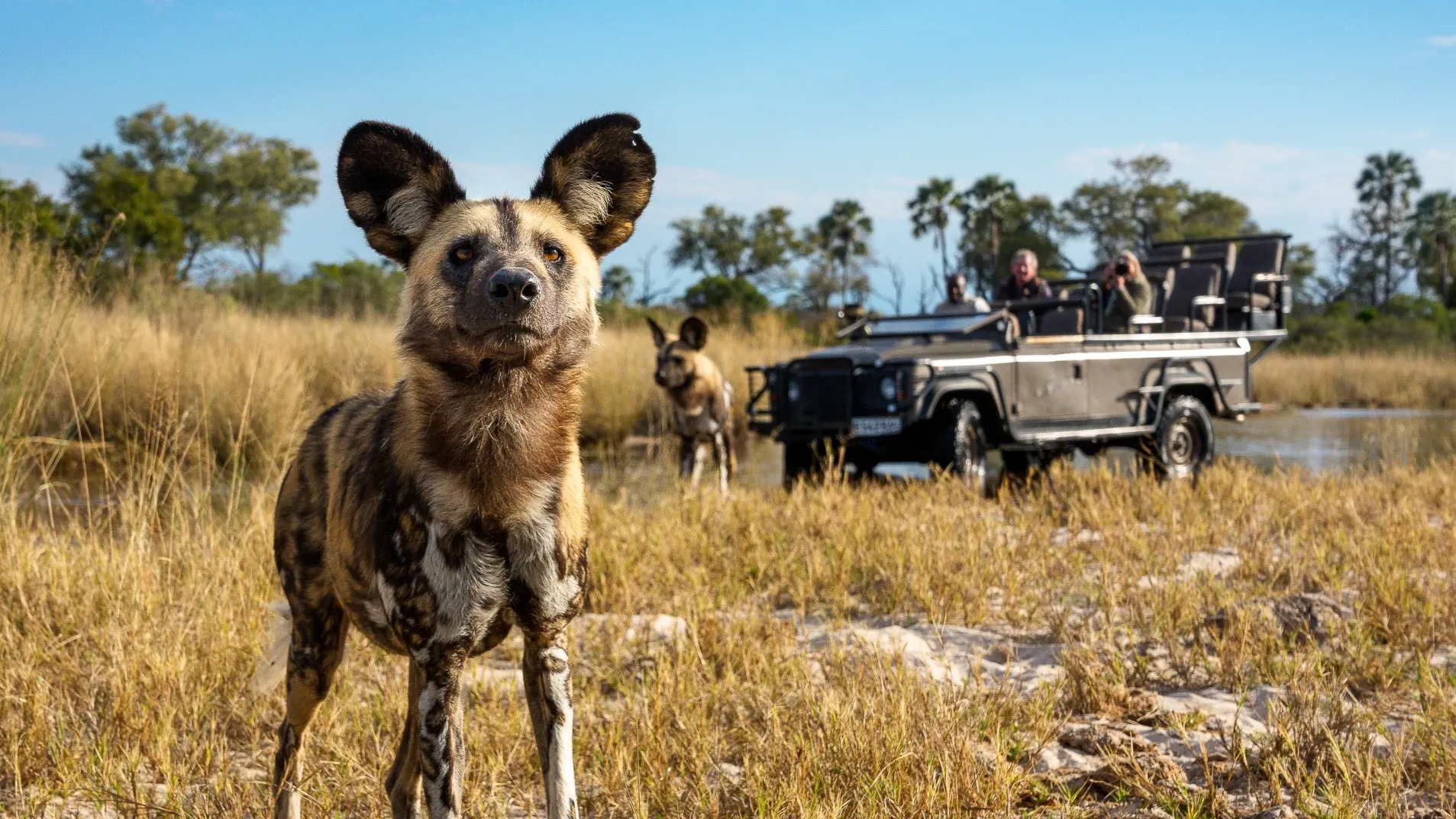
Private vehicles transform family game drives from rigid schedules into responsive adventures. With your own guide and vehicle you can pause whenever a child needs the bathroom, stretch their legs or simply absorb a sighting without pressure from other guests. This flexibility proves especially valuable during the golden hours when animals are most active yet children’s attention spans may waver.
Experienced guides quickly learn how to read young passengers and adjust the pace accordingly. They might linger near a playful lion cub or stop beneath a tree where weaver birds construct intricate nests. Many vehicles now include child seats, spotter seats for older children, and even small coolers stocked with familiar snacks that keep energy levels steady.
The magic happens when a child’s whispered question about a dung beetle leads the entire vehicle into an impromptu lesson on the intricate web of life that supports Africa’s largest mammals.
How to Keep Younger Children Engaged on Long Game Drives
Long game drives need not become tedious for small children when guides and parents prepare thoughtfully. Many lodges provide activity packs containing illustrated wildlife checklists, colouring pages of local species, and simple tracking guides that turn each drive into an interactive quest. Spotting ten different birds or identifying three types of antelope earns small rewards back at camp, creating healthy competition that sustains interest.
Guides often invite children to help operate the spotlight during night drives or demonstrate how to read fresh spoor in the sand. These small responsibilities foster ownership of the experience. Packing a few familiar storybooks about African animals or downloading nature sound recordings can also bridge quieter moments between sightings.
Parents should remember that children absorb the bush through all their senses. The scent of wild sage after rain, the distant roar of a lion at dusk, or the texture of elephant dung pressed between curious fingers often leave stronger impressions than distant silhouettes through binoculars. Encouraging these multi-sensory encounters helps younger travellers remain present and fascinated.
Family Suites and Child-Friendly Camp Design
Family suites have evolved considerably in recent years. Many luxury camps now offer interconnecting tents or private villas with separate children’s bedrooms, en-suite bathrooms and shaded decks where families can gather without disturbing other guests. These spaces often include thoughtful touches such as child-height hangers, secure plug covers and small desks for drawing the day’s sightings.
At select properties in the Sabi Sand and Mara North Conservancy, family villas come with private plunge pools and dedicated nannies trained in both childcare and basic bush safety. This allows parents occasional adult time while knowing their children remain safely entertained with age-appropriate nature activities.
Communal areas at family-friendly camps frequently feature dedicated children’s activity zones with microscopes for examining insects, books on local ecology and even junior ranger certification programmes. These facilities help children socialise with others their age while learning about conservation from an early age.
Selecting the Right Safari Style for Different Ages
Children under six generally thrive in malaria-free private reserves where driving is the primary activity and walking is limited or optional. Properties with fenced camps or elevated decks provide safe spaces for little ones to explore without constant supervision. In these environments, morning drives can be shortened and afternoon activities replaced with swimming or craft sessions when energy levels drop.
From roughly age seven, children become ready for more immersive experiences including gentle walking safaris with armed rangers and even junior tracking courses. By age ten many youngsters handle full-day excursions and night drives with genuine enthusiasm. Teenagers often appreciate the scientific aspects of conservation projects and may participate in citizen-science initiatives such as camera-trap monitoring or bird ringing.
The key lies in matching the itinerary to developmental stages rather than forcing every family member into identical activities. A thoughtfully designed itinerary might combine a relaxed three-night stay in a malaria-free reserve with a more adventurous segment later in the journey once children have found their bush legs.
Family safaris succeed when parents accept that the experience will differ from a couples’ journey, yet the shared wonder of watching a herd of elephants cross a river at sunset creates memories no theme park could rival.
Practical Packing and Preparation Tips
Successful family safaris begin weeks before departure with careful packing and gentle preparation. Neutral-coloured clothing in khaki, olive and beige helps children blend into the vehicle and reduces insect attraction. Long-sleeved shirts and trousers for evening drives protect against mosquitoes while comfortable closed shoes are essential for any walking activities around camp.
Binoculars sized for small hands, a good field guide with large photographs, and a notebook for recording daily sightings all enhance engagement. Do not forget favourite snacks for long drives, a travel first-aid kit with child-appropriate remedies, and plenty of high-factor sunscreen and insect repellent.
Discussing expectations beforehand helps children understand that wildlife sightings require patience. Sharing age-appropriate books or short videos about the destinations builds excitement and gives context for what they might encounter. Many families find that involving children in the planning process, perhaps by letting them choose one special activity, increases their investment in the journey.
Creating Lasting Memories in the African Bush
A thoughtfully planned family safari offers far more than wildlife sightings. It provides children with an irreplaceable connection to the natural world and an understanding of conservation challenges that will shape their perspective for years to come. The shared experience of early mornings, dusty roads and magical sundowners often strengthens family bonds in ways few other holidays can match.
Whether you travel with toddlers discovering their first elephant or teenagers photographing their first leopard, the African bush holds lessons in patience, respect and wonder. With the right combination of private vehicles, suitable age policies, malaria-free reserves and engaging activities, these journeys create stories that families recount for decades.
For discerning travellers seeking a private safari beyond our set itineraries, we invite you to contact us directly. We specialise in designing exceptional, tailor-made journeys for individuals, couples, families, and private groups of up to eight guests. Drawing on our handpicked network of distinguished camps and lodges, we curate every detail with precision and care, creating a seamless, deeply personal safari experience shaped entirely around your preferences, pace, and budget.
Explore our range of family safari itineraries or discover how a private villa in the Sabi Sand might suit your family perfectly. For further inspiration on travelling with children in Southern Africa, read the dedicated family safari planning guide from our sister brand at family-friendly safaris in Namibia. Those seeking a complete luxury family experience may also enjoy this 13-day Namibia luxury family fly-in safari.
Ready to begin planning your family safari? Visit our enquiry form and let Encounters Africa craft an unforgettable journey for your family.
More like this
tips and advice
Practical Skills for Safely Crossing Namibia's Coastal Dunes by 4x4
tips and advice
Practical Steps for Staying Safe on an African Safari
tips and advice
Practical Strategies to Help Children Stay Engaged During Long African Game Drives
tips and advice
Practical Tips and Advice for Kenyan Wildlife Tours That Deliver Real Results
tips and advice
Safari Tented Camps Versus Lodges and Villas: How Comfort, Cost and Character Really Differ
tips and advice