tips and advice
Practical Tips and Advice for Kenyan Wildlife Tours That Deliver Real Results
Encounters Africa - 10 min read
Updated on 10 July 2026
Practical tips and advice for Kenyan wildlife tours become invaluable the moment your vehicle first rolls onto the plains of the Kenya. A lone cheetah scans the horizon at first light while a distant herd of elephants moves like shadows through acacia scrub. These field-tested approaches help you read the landscape, respect the animals, and transform every game drive into something far richer than a simple checklist of sightings.
The most rewarding Kenyan wildlife encounters rarely happen by chance. Instead, they emerge from careful preparation, thoughtful timing, and a genuine understanding of how animals behave across different reserves. Whether you are watching lions on a golden morning in the Maasai Mara or tracking black rhinos through the thickets of Lewa Conservancy, the right guidance makes all the difference.
Choosing the Right Vehicle and Guide for Kenyan Wildlife Tours
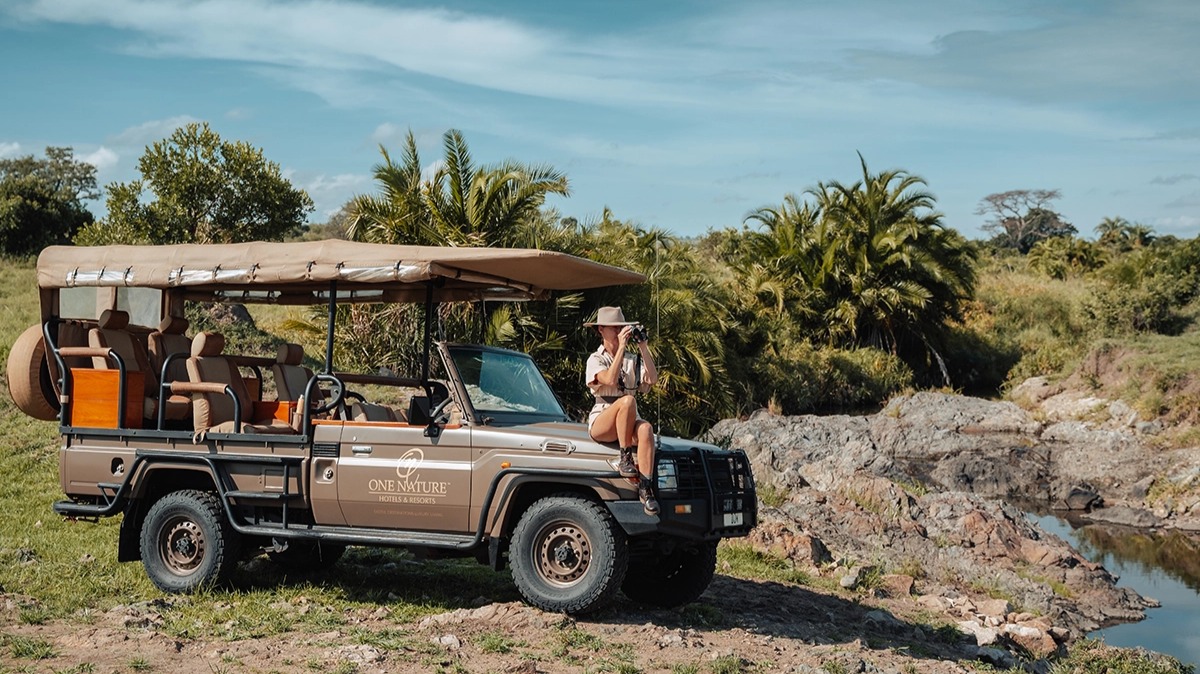
The vehicle you travel in shapes your entire experience on Kenyan wildlife tours. Open-sided 4x4s offer unobstructed views and excellent photography angles, yet closed vehicles provide welcome protection during the cooler months or when travelling with young children. Many experienced travellers prefer the versatility of a pop-top Land Cruiser that allows standing for better visibility while remaining seated and secure during longer transfers.
Your guide represents the single most important decision you will make. A truly skilled naturalist does far more than point out animals. They interpret subtle signs, from fresh pugmarks in the dust to the alarm calls of oxpeckers, turning each drive into an immersive lesson in ecology. At properties like Elewana Elsa's Kopje Meru, the guiding team often includes individuals who have spent decades in the same ecosystem, bringing unparalleled local knowledge.
The difference between a good safari and an exceptional one usually comes down to one thing: the quality of your guide and their ability to help you truly see what is happening around you.
Before departure, request a guide who specialises in your particular interests, whether that is big cat behaviour, bird identification, or photographic techniques. Many lodges now offer specialist guides for photographers, complete with bean bags, knowledge of ideal light conditions, and an understanding of animal sightlines that prevent disturbance.

Understanding Kenya's Wildlife Seasons and Movement Patterns
Kenya's wildlife follows distinct seasonal rhythms driven by rainfall rather than strict calendar months. The long rains typically arrive between March and May, bringing dramatic green growth and excellent predator sightings as animals concentrate around remaining water sources. The dry season from June to October offers the clearest game viewing, with animals gathering predictably at waterholes and rivers.
The short rains in November often deliver spectacular lightning storms and renewed vegetation, while December through February brings warmer temperatures and generally reliable conditions across most regions. Understanding these patterns allows you to plan strategically. For example, the wildebeest migration reaches Kenya's Maasai Mara between July and October, creating one of the planet's most impressive natural spectacles.
Less crowded months like January, February, June and November frequently deliver superb wildlife viewing with fewer vehicles. During these periods, the light often feels more atmospheric, and animals tend to be more active during the golden hours that photographers prize.
When Should You Visit Specific Kenyan Reserves?
The answer depends entirely on what you hope to experience. Masai Mara rewards visitors most dramatically between July and October when the migration arrives, yet offers excellent year-round game viewing with far fewer crowds in the shoulder months. Laikipia shines during the dry season when its diverse wildlife gathers around water points, while Amboseli National Park delivers its famous elephant and mountain views most reliably from June to October and January to February.
Always factor in altitude when planning your itinerary. Higher areas like the Aberdares experience significantly cooler temperatures and can be misty even during the so-called dry season. Coastal areas remain warm year-round but may experience short, sharp downpours during the rainy periods.
Kenya's wildlife does not follow a tourist calendar. It responds to rain, grass, and the ancient imperatives of survival. Learning to read these natural patterns rather than simply following peak visitor seasons will transform your experience.
Essential Field Skills for Spotting and Approaching Wildlife
Successful wildlife observation in Kenya relies heavily on developing your peripheral vision and learning to scan systematically. Rather than looking for whole animals, train your eye to notice movement, unusual shapes, or colour that does not belong. A flick of an ear or the horizontal line of a back against vertical grass stems often reveals what others have missed.
Approaching animals requires patience and respect for their personal space. The general rule suggests maintaining at least 25 metres from most species, though this distance increases significantly with elephants, particularly protective mothers with calves. Never position your vehicle between a mother and her young, and always allow animals an escape route.
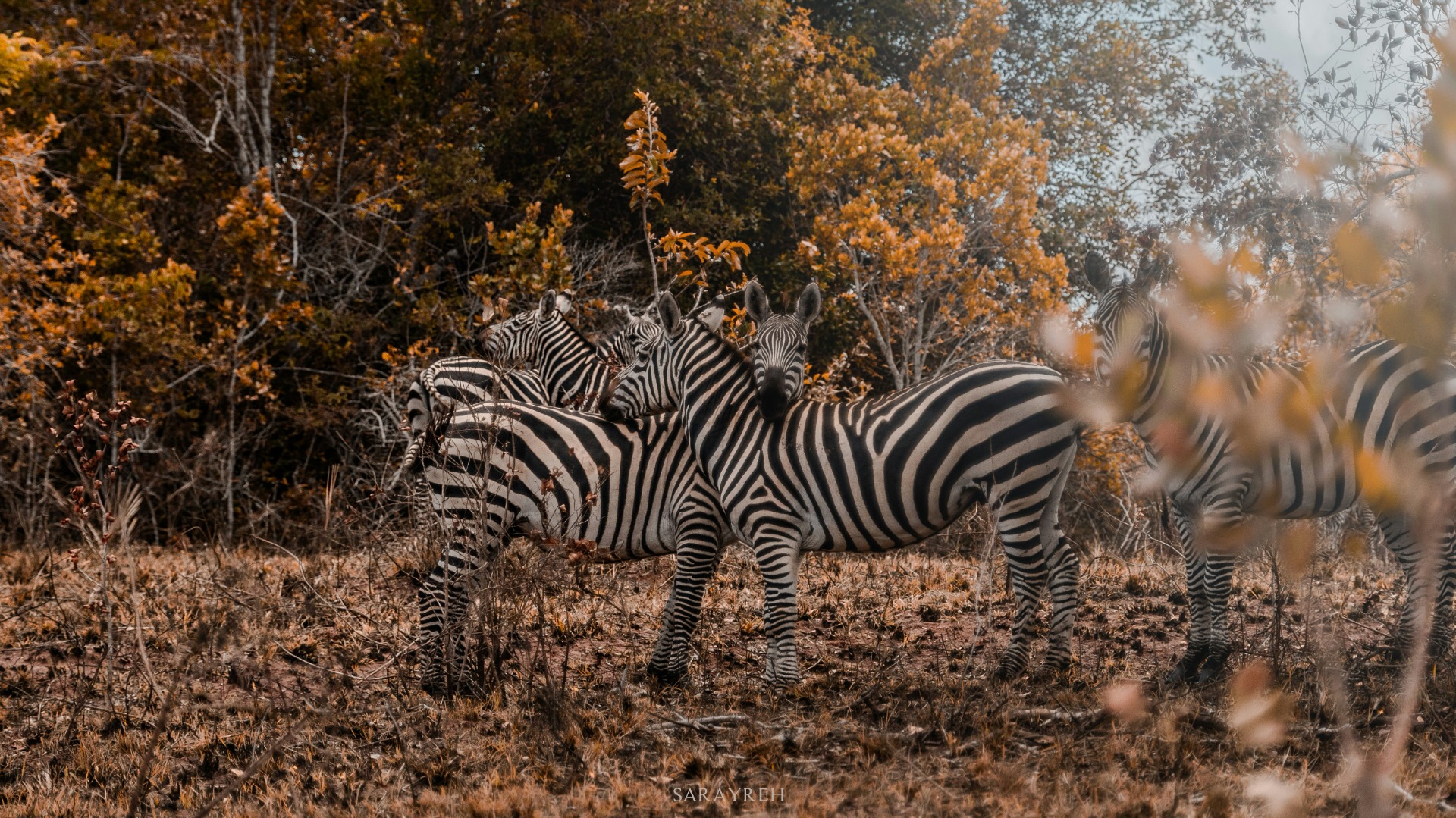
Reading animal body language becomes second nature with practice. A lioness flicking her tail rapidly may indicate irritation, while flattened ears on almost any species signal that you should immediately create more distance. Guides often teach visitors to listen for specific bird calls that indicate nearby predators or the subtle change in zebra snort patterns that suggests tension in the herd.
Practical Equipment and Photography Advice
Binoculars with 8x or 10x magnification offer the ideal balance between detail and steady viewing on Kenyan wildlife tours. A good pair of Swarovski or Leica binoculars will reveal details invisible to the naked eye, from the individual whiskers on a lion's muzzle to the intricate patterns on a lilac-breasted roller's feathers.
For photography, a 100-400mm zoom lens covers most situations, though serious wildlife photographers often bring 500mm or 600mm primes for distant subjects. Remember that the best images usually come from understanding behaviour rather than simply having the longest lens. A frame-filling portrait of a relaxed cheetah carries more emotional weight than a distant, stressed animal.
Always carry a lightweight waterproof jacket, sun protection, and insect repellent. A small pair of earplugs can prove surprisingly useful when sleeping in tented camps near vocal hippo pods or noisy vervet monkey troops.
Respectful Wildlife Viewing Ethics in Kenya
Modern Kenyan wildlife tours place increasing emphasis on responsible practices that benefit both animals and local communities. Never encourage your guide to go off-road in national parks, as this damages delicate grasslands and disturbs ground-nesting birds. In conservancies, where tourism revenue directly supports community landowners, ethical operators maintain strict vehicle limits around sightings.
Respect the work of conservation organisations by following all regulations and supporting genuine community-led initiatives. Many conservancies now employ local wildlife scouts who monitor animal movements and help protect against poaching. Your presence, when managed thoughtfully, provides crucial funding for these efforts.
Avoid using flash photography at night, as it can temporarily blind animals and disrupt their natural behaviour. Similarly, never play animal calls from your phone or vehicle to attract sightings. True connection comes from quiet observation rather than manufactured encounters.
What to Do When Animals Behave Unexpectedly
Even the most experienced guides occasionally encounter surprising wildlife behaviour. If an elephant begins mock charging or a buffalo stares fixedly in your direction, remain calm and follow your guide's instructions precisely. These moments, while occasionally unsettling, often resolve quickly when you demonstrate that you pose no threat.
Should you witness illegal activity such as poaching or off-road driving by other vehicles, note the details and report them discreetly to your camp manager. Conservation in Kenya relies on collective vigilance from both visitors and operators.

Health, Safety and Cultural Considerations for Kenyan Wildlife Tours
Health preparation should begin several months before departure. Malaria prophylaxis remains essential in many areas, though risk varies significantly by season and altitude. Consult a travel clinic familiar with African destinations for the latest advice on vaccinations and preventative medications.
Pack appropriate clothing in neutral colours that blend with the environment. Khaki, olive, and soft browns create less visual disturbance than bright whites or blues. Long sleeves and trousers offer protection from both sun and insects during evening drives.
Cultural sensitivity enhances every journey. Many conservancies work closely with Maasai, Samburu, or Laikipiak communities whose traditional knowledge of the land spans generations. Taking time to learn about these partnerships reveals how tourism can support rather than displace traditional ways of life.
The most memorable Kenyan wildlife encounters often happen not when you see the most animals, but when you begin to understand the intricate web of relationships that sustain them.
Common Questions About Kenyan Wildlife Tours
What is the best time to visit Kenya for wildlife? The dry season from July to October generally offers the most reliable game viewing across most regions, with animals concentrating around water sources. However, January to March and June can provide excellent conditions with fewer visitors. The precise answer depends on which ecosystems interest you most and whether you wish to witness the wildebeest migration.
How close do you get to the animals? Professional guides maintain respectful distances that vary by species and situation, typically between 25 and 50 metres. The goal is observation without disturbance. In certain conservancies with habituated animals, particularly those focused on walking safaris, closer encounters may be possible under strict supervision.
Is Kenya suitable for families with young children? Many Kenyan camps welcome children from age six or eight, with some offering dedicated family suites and special programming. Properties in the Laikipia region and certain conservancies around the Maasai Mara have particularly strong family programmes that balance wildlife viewing with educational activities.
How many days should you spend on safari? A minimum of four to five nights allows time to settle into the rhythm of the bush and experience different times of day. Seven to ten nights enables a more comprehensive itinerary that might combine the Masai Mara with either Laikipia or the northern reserves, creating a richer understanding of Kenya's varied ecosystems.
Creating a Personalised Kenyan Wildlife Experience
Beyond the standard game drives, consider incorporating specialist activities that deepen your connection with the landscape. Night drives reveal a completely different world of nocturnal hunters and glowing eyes in the darkness. Walking safaris, when led by highly qualified guides and armed scouts, offer an intimate perspective that no vehicle can match.
Many travellers now seek opportunities to engage directly with conservation projects. Some lodges facilitate visits to rhino sanctuaries, community-led anti-poaching initiatives, or research stations studying specific species. These experiences often become the most meaningful part of the journey, connecting abstract appreciation with tangible support for Kenya's wildlife heritage.
Consider keeping a detailed journal or maintaining a photographic catalogue with notes about behaviour rather than simply collecting images. The act of careful observation trains your eye and creates lasting memories that extend far beyond the safari itself.
Planning Your Kenyan Wildlife Adventure
Kenya offers an extraordinary range of wildlife experiences, from the vast open plains of the Maasai Mara to the rugged beauty of Meru National Park and the unique highland ecosystems of Laikipia. The key to a truly rewarding journey lies in thoughtful planning, realistic expectations, and a willingness to embrace the unexpected rhythms of the African bush.
For discerning travellers seeking a private safari beyond our set itineraries, we invite you to contact us directly. We specialise in designing exceptional, tailor-made journeys for individuals, couples, families, and private groups of up to eight guests. Drawing on our handpicked network of distinguished camps and lodges, we curate every detail with precision and care, creating a seamless, deeply personal safari experience shaped entirely around your preferences, pace, and budget.
Whether you dream of tracking endangered black rhinos on foot in Lewa Conservancy or witnessing the thunder of hooves during the wildebeest migration, Encounters Africa can help craft an itinerary that delivers authentic connection with Kenya's remarkable wildlife. Visit our enquiry form to begin planning your journey, or explore our range of Kenya safari itineraries for inspiration. The plains are waiting, and every dawn brings new possibilities for those prepared to see them.
More like this
tips and advice
Safari Tented Camps Versus Lodges and Villas: How Comfort, Cost and Character Really Differ
tips and advice
Samara Karoo Reserve: Essential Tips for an Memorable Safari
tips and advice
Serengeti Safari: Essential Tips for an Unforgettable Journey
tips and advice
Solo Safari Travel: How Single Supplements Work and When Camps Waive Them
tips and advice
Tarangire National Park: Fundamental Tips for Your Safari
tips and advice