tips and advice
Tarangire National Park: Fundamental Tips for Your Safari
Encounters Africa - 9 min read
Updated on 1 May 2026
Nestled in northern Tanzania, Tarangire National Park stands as a testament to Africa's enduring wilderness. Renowned for its colossal elephant herds, iconic baobab trees, and diverse wildlife, it offers a safari experience that is both authentic and profoundly moving. For discerning travellers seeking an immersive encounter with nature, Tarangire presents a unique blend of breathtaking scenery and unparalleled wildlife viewing opportunities.
This comprehensive guide from Encounters Africa provides essential tips and advice to help you plan an extraordinary journey to Tarangire. From understanding the best times to visit to practical packing suggestions and responsible travel practices, we aim to equip you with all the knowledge needed to maximise your adventure in this magnificent park, ensuring a seamless and deeply personal safari experience.
Optimal Timing for Your Tarangire Safari
Choosing the right time to visit Tarangire National Park significantly impacts your wildlife viewing experience. The park experiences distinct dry and wet seasons, each offering unique advantages for different types of travellers and interests.
Dry Season: June to October
The dry season, running from June to October, is widely considered the prime time for wildlife viewing in Tarangire. During these months, the landscape becomes parched, forcing animals to congregate around the permanent water sources, most notably the Tarangire River. This concentration makes spotting wildlife, especially the park's famous elephant herds, much easier.
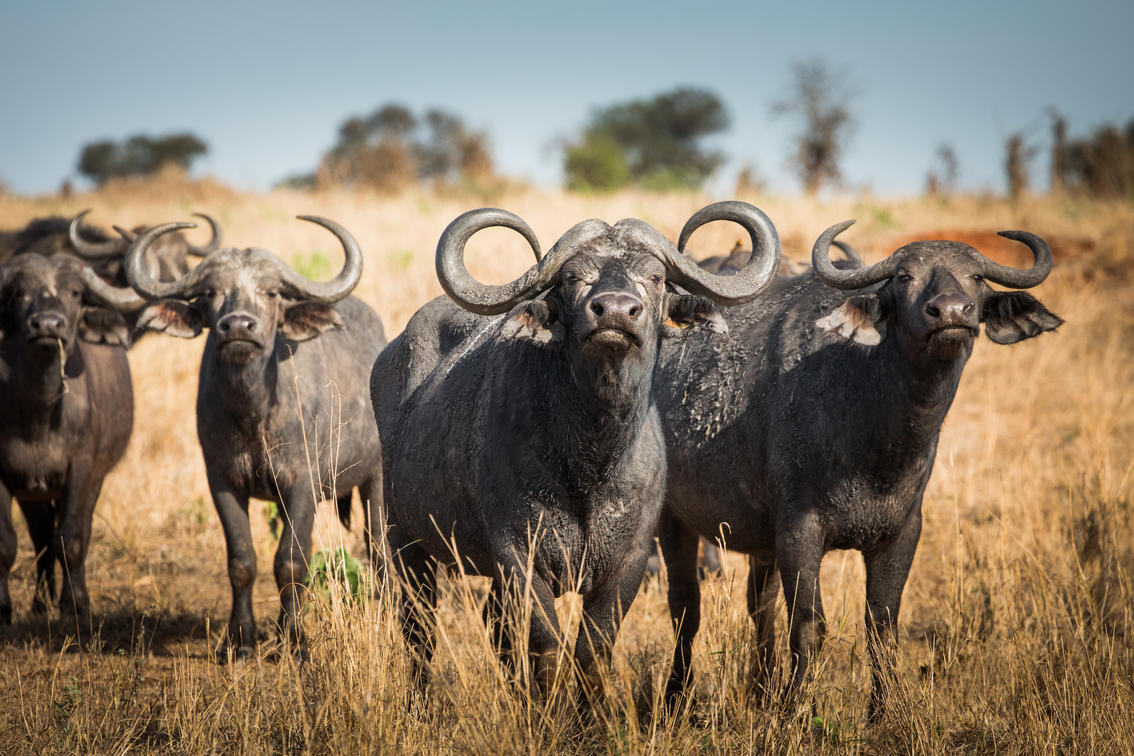
Wildlife Concentration: Expect to see thousands of elephants, wildebeest, zebra, and buffalo gathering along the riverbanks. Predators like lions and leopards are also more active near these water sources.
Vegetation: The sparse vegetation offers unobstructed views, making photography particularly rewarding.
Weather: Days are typically warm and sunny, with cooler evenings. Rainfall is minimal, ensuring excellent road conditions for game drives.
The dry season transforms Tarangire into a bustling wildlife theatre, where life and survival play out vividly along the life-giving Tarangire River.
Wet Season: November to May
While the dry season is popular, the wet season (November to May) offers a different, equally captivating perspective of Tarangire. This period is characterised by lush green landscapes, fewer tourists, and excellent birdwatching opportunities.
Birdwatching Paradise: Migratory birds arrive, turning the park into a vibrant spectacle of colour and song. Over 550 bird species have been recorded in Tarangire.
Calving Season: Many antelope species give birth during this time, attracting predators and offering heartwarming scenes of new life.
Lush Scenery: The parched earth transforms into a verdant paradise, with wildflowers blooming and the baobab trees regaining their full glory.
Fewer Crowds: Enjoy a more exclusive safari experience with fewer vehicles at sightings.
Planning Your Itinerary: How Long to Stay
To truly appreciate the diversity and grandeur of Tarangire National Park, we recommend dedicating at least two full days to exploration. This allows for comprehensive game drives and the opportunity to experience different areas of the park.
Two-Day Immersion
A two-day itinerary typically involves:
Day 1: Morning and afternoon game drives focusing on the Tarangire River area, known for its high concentration of elephants and other large mammals.
Day 2: Exploring the southern parts of the park, which are often quieter and offer chances for unique sightings, including the elusive fringe-eared oryx and gerenuk.
Extended Stays and Combinations
For those with more time, a three-day stay allows for deeper exploration and perhaps a walking safari or night drive if staying at a lodge within a private concession adjacent to the park. Tarangire also combines beautifully with other northern Tanzania parks like the Serengeti National Park and the Ngorongoro Crater, forming a classic safari circuit.
Accommodation Options in and Around Tarangire
Tarangire National Park and its surrounding areas offer a range of accommodation options to suit different preferences and budgets, from luxurious tented camps to comfortable lodges. Encounters Africa partners with distinguished properties that provide exceptional service and an authentic safari experience.
Luxury Tented Camps
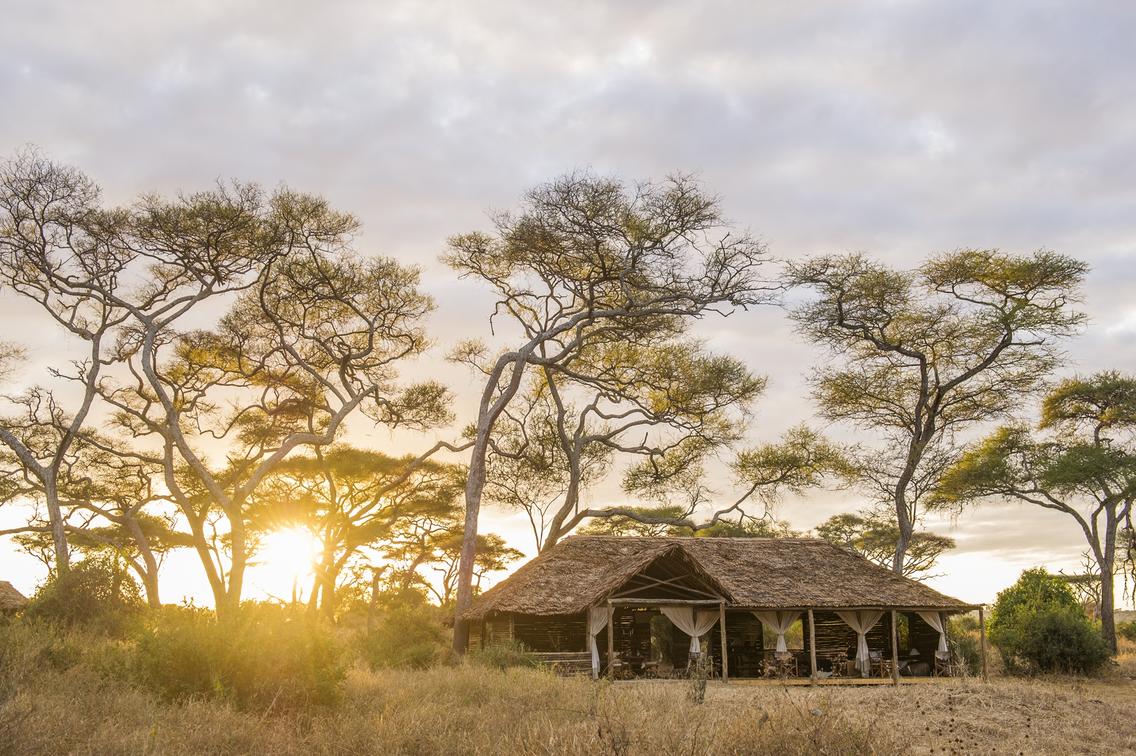
For an immersive experience, luxury tented camps offer the thrill of being close to nature without compromising on comfort. These camps typically feature spacious canvas tents with en-suite bathrooms, comfortable beds, and private verandas. Many are strategically located to offer stunning views and excellent access to game drive routes. Examples include Tarangire Treetops or Oliver's Camp.
Safari Lodges
Safari lodges provide a more permanent structure, often with swimming pools, larger dining areas, and sometimes even spas. They offer a blend of comfort and convenience, usually with rooms or cottages built from local materials that blend into the environment. Lodges like Tarangire Safari Lodge offer panoramic views over the Tarangire River.
Campsites (for budget travellers)
For those seeking a more adventurous or value-conscious option, public and private campsites are available. These require bringing your own camping gear or booking a safari that includes fully serviced camping. While more rustic, they offer an unparalleled connection to the wilderness.
What to Pack for Your Tarangire Adventure
Packing wisely is crucial for a comfortable and enjoyable safari in Tarangire National Park. Given the varied climate and activities, a thoughtful approach to your luggage is essential.
Clothing Essentials
Neutral Colours: Opt for khaki, olive, brown, or grey clothing. Bright colours can attract insects and are less suitable for wildlife viewing.
Layers: Mornings and evenings can be cool, while midday temperatures are warm. Pack light shirts, a fleece or jacket, and a windbreaker.
Long Sleeves and Trousers: Protect against sun, dust, and insects, especially during early morning and late afternoon game drives.
Comfortable Walking Shoes: Essential for any walking safaris or exploring lodge grounds.
Swimsuit: Many lodges have pools, a refreshing option after a dusty game drive.
Safari Gear and Personal Items
Binoculars: A high-quality pair (e.g., 8x42 or 10x42) is indispensable for spotting distant wildlife and birds.
Camera Equipment: Bring extra batteries, memory cards, and a telephoto lens for wildlife photography.
Sun Protection: Hat, sunglasses, and high-SPF sunscreen are vital.
Insect Repellent: Choose one with DEET or Picaridin for effective protection against mosquitoes.
Basic First-Aid Kit: Include pain relievers, anti-diarrhoea medication, antiseptic wipes, and any personal prescriptions.
Reusable Water Bottle: Stay hydrated and reduce plastic waste.
Small Backpack: Useful for day trips and keeping essentials handy.
Getting to Tarangire National Park
Tarangire National Park is readily accessible, making it a convenient addition to any northern Tanzania safari itinerary. The primary gateway is through Arusha, a bustling safari hub.
By Air
The most common way to reach the region is by flying into Kilimanjaro International Airport (JRO), which serves international flights. From JRO, you can take a connecting domestic flight to Arusha Airport (ARK) or arrange a road transfer to Arusha town.
For direct access to Tarangire, several airstrips within or near the park, such as Kuro Airstrip, receive scheduled charter flights from Arusha or the Serengeti. This option offers convenience and spectacular aerial views of the landscape.
By Road
Most safaris to Tarangire involve a road transfer from Arusha. The drive typically takes around 2-3 hours, depending on traffic and the specific gate you are entering. The roads are generally well-maintained, though some sections within the park can be rough, adding to the adventure.
Encounters Africa organises comfortable 4x4 safari vehicles with experienced guides, ensuring a smooth and informative journey from your arrival point directly into the heart of Tarangire.
Wildlife Encounters in Tarangire
Tarangire National Park is a haven for wildlife, offering some of the most spectacular animal sightings in Tanzania. Its diverse ecosystems support a wide array of species, making every game drive an unpredictable and thrilling experience.
The Giants of Tarangire: Elephants and Baobabs
Tarangire is synonymous with its enormous elephant population, often seen in herds numbering in the hundreds. Witnessing these majestic creatures interacting in their natural habitat, often against a backdrop of ancient baobab trees, is an unforgettable sight. The baobabs themselves are iconic, dotting the landscape and providing a unique photographic opportunity.
Predators and Prey
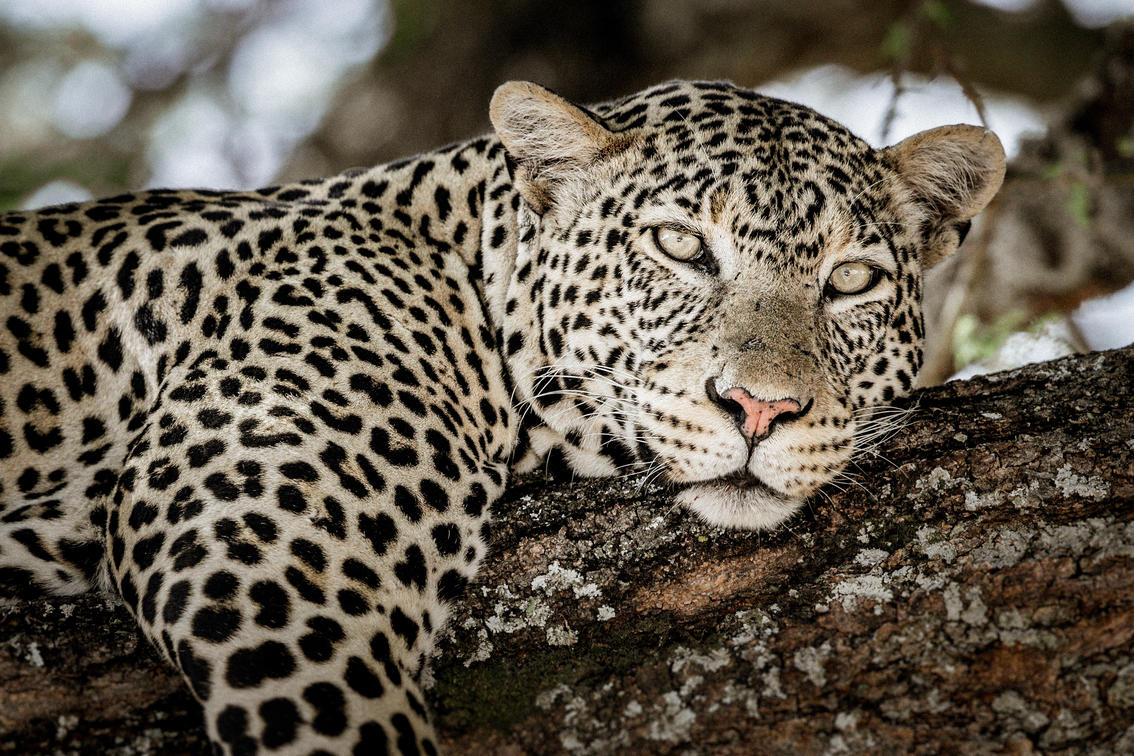
The park is home to all the major predators, including lions, leopards, and cheetahs. Lion prides are frequently spotted, especially during the dry season when prey animals congregate near the river. Leopards are more elusive but can be seen with patience, often resting in trees. Cheetahs prefer the open grasslands. You'll also encounter a variety of plains game, such as wildebeest, zebra, buffalo, giraffe, and various antelope species.
Unique Species and Birdlife
Tarangire is one of the few places in Tanzania where you can regularly spot the fringe-eared oryx and the long-necked gerenuk, adapted to the arid environment. The park is also a birdwatcher's paradise, boasting over 550 species, from the colourful Lilac-breasted Roller to various raptors and water birds.
Planning Your Itinerary: How Long to Stay
To truly appreciate the diversity and grandeur of Tarangire National Park, we recommend dedicating at least two full days to exploration. This allows for comprehensive game drives and the opportunity to experience different areas of the park.
Two-Day Immersion
A two-day itinerary typically involves:
Day 1: Morning and afternoon game drives focusing on the Tarangire River area, known for its high concentration of elephants and other large mammals.
Day 2: Exploring the southern parts of the park, which are often quieter and offer chances for unique sightings, including the elusive fringe-eared oryx and gerenuk.
Extended Stays and Combinations
For those with more time, a three-day stay allows for deeper exploration and perhaps a walking safari or night drive if staying at a lodge within a private concession adjacent to the park. Tarangire also combines beautifully with other northern Tanzania parks like the Serengeti National Park and the Ngorongoro Crater, forming a classic safari circuit.
Responsible Travel in Tarangire National Park
As expert travel writers for Encounters Africa, we advocate for responsible and sustainable tourism practices. Visiting Tarangire National Park comes with a responsibility to protect its delicate ecosystem and support local communities.
Every journey to Tarangire is an opportunity to contribute to conservation, ensuring its wild beauty endures for future generations.
Supporting Conservation
Choose tour operators and lodges that demonstrate a commitment to conservation. Many lodges in Tarangire actively participate in anti-poaching efforts, community development, and wildlife research. Your safari fees directly contribute to the park's maintenance and protection.
Respecting Wildlife and Environment
Maintain Distance: Always keep a respectful distance from animals. Never feed them or try to attract their attention.
Stay on Designated Paths: Off-roading can damage fragile ecosystems and disturb wildlife.
No Littering: Carry all your waste out of the park.
Quiet Observation: Keep noise levels down during game drives to avoid startling animals.
Engaging with Local Communities
Consider visiting local villages or cultural centres outside the park to learn about the Maasai and other indigenous cultures. Purchasing local crafts supports their livelihoods directly. Encounters Africa can help arrange authentic cultural experiences that benefit the community.
Conclusion: Your Unforgettable Tarangire Journey Awaits
Tarangire National Park offers an extraordinary safari experience, a place where the ancient rhythm of the wild plays out amidst a landscape of colossal baobabs and thundering elephant herds. With its rich biodiversity, stunning vistas, and fewer crowds compared to some of its more famous neighbours, Tarangire promises an intimate and profound connection with the African wilderness.
By following these tips and advice, you are well-prepared for an unforgettable journey. Encounters Africa is dedicated to crafting bespoke safari experiences, ensuring every detail is meticulously planned to match your preferences. For discerning travellers seeking a private safari beyond our set itineraries, we invite you to contact us directly. We specialise in designing exceptional, tailor-made journeys for individuals, couples, families, and private groups, drawing on our handpicked network of distinguished camps and lodges to create a seamless, deeply personal safari experience shaped entirely around your preferences, pace, and budget.
More like this
tips and advice
Turtle Bay Beckons at The Oberoi Beach Resort, Mauritius: A Guest's Playbook for Peak Stays
tips and advice
Unveiling the Magic: A Guide to African Safari Types
tips and advice
Vital Tips for Your Chyulu Hills National Park Safari
tips and advice
Voices from Miavana: Guest Strategies for Peak Tide Experiences at Time + Tide
tips and advice
Walking Among Giants: Practical Safety Protocols for Foot Safaris in Big Game Country
tips and advice