destination guides
What Skill Level Is Needed for African Horseback Safaris
Encounters Africa - 7 min read
Updated on 28 August 2026
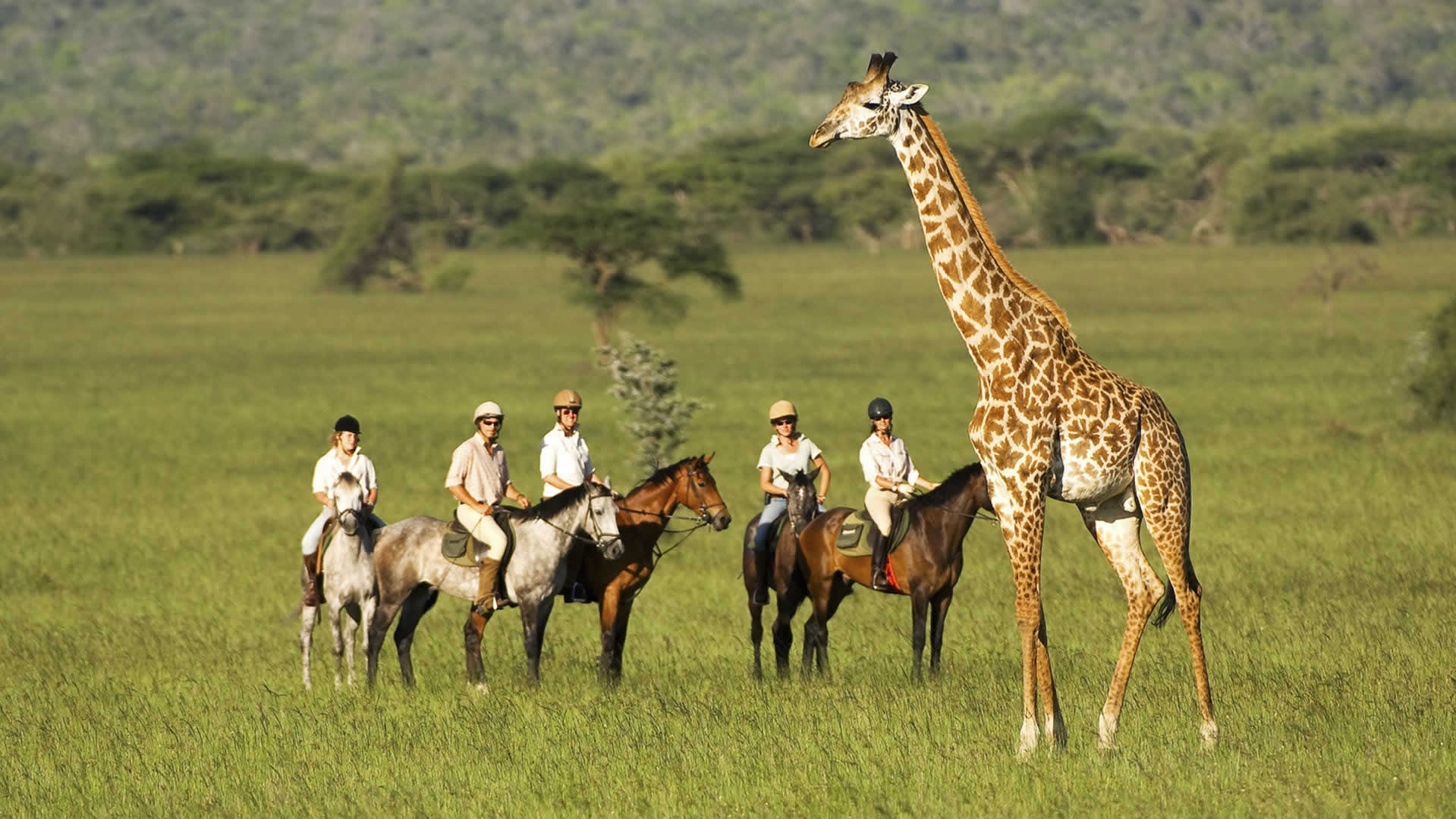
Horseback safaris invite travellers into the African wilderness at a pace that feels almost forgotten. The muffled rhythm of hooves on earth, the creak of leather, and the warm scent of horse mingle with the sharp, sweet notes of wild herbs crushed underfoot. This intimate form of exploration reveals how game reacts differently to a horse than a vehicle, often allowing closer, calmer encounters with species that would otherwise melt into the bush at the first diesel growl.
Across Southern and East Africa, mounted safaris have carved a distinctive niche for those who crave connection over convenience. Encounters Africa is the specialist arm for safaris beyond Namibia, covering South Africa, Botswana, Kenya, Tanzania, Rwanda, Uganda, Zambia and Zimbabwe. Cape Town-based with three decades of combined experience, we book directly with camps and lodges, tailoring journeys for individuals, couples, families and private groups of up to eight using our 81 published itineraries that can all be reshaped.
The Allure of Mounted Exploration in African Landscapes
Nothing quite matches the sensation of moving silently through tall grass while a herd of zebra lifts its collective head in mild curiosity rather than alarm. On horseback, the human silhouette blends with the animal beneath, reducing the threat profile that vehicles inherently carry. This shift in perception opens doors to behaviours rarely witnessed from a Land Cruiser: a lioness stretching languidly in dappled shade, giraffes continuing their slow browse only metres away.
The quiet approach of a horse allows wildlife to remain at ease, transforming a simple game drive into something closer to coexistence.
These experiences thrive in regions where open terrain meets abundant wildlife and where operators maintain well-schooled mounts accustomed to the sights and sounds of the bush. The best horseback safaris balance exhilaration with safety, offering rides that range from gentle ambles to more spirited canters across golden plains.
What Skill Level Is Needed for African Horseback Safaris
What riding ability do you need for a horseback safari? A confident intermediate standard is usually expected so you can trot for sustained periods, canter when asked, and feel secure in the saddle for up to four hours; absolute beginners are rarely accepted.
Most operators specify that riders should be able to rise to the trot, control a horse at canter, and feel confident in all paces. Sessions typically last between two and four hours, sometimes split into morning and afternoon rides to avoid the midday heat. Fitness matters as much as technical skill; a secure seat prevents fatigue that could compromise both rider safety and animal welfare.
That said, variations exist. Some Kenyan conservancies offer gentler introductory rides for families, while Botswana’s more demanding delta crossings require stronger riding experience. Always declare your true level when booking. Honest self-assessment allows operators to match horse to rider and route to ability, ensuring everyone returns with glowing memories rather than saddle sores.
Honest assessment of your own riding confidence remains the foundation of a safe and rewarding mounted safari.
How Wildlife Responds to Horses Instead of Vehicles
Game reacts differently to a horse than a vehicle because the horse registers as another grazing animal rather than a mechanical predator. Many species exhibit reduced flight responses; antelope may graze within twenty metres, and even notoriously shy leopards sometimes pause to observe rather than vanish immediately.
This behavioural difference stems from evolutionary familiarity. Horses have co-existed with African plains game for centuries through both wild and domestic forms. Vehicles, by contrast, remain alien. The result is often more natural behaviour: hyenas trotting alongside out of curiosity, elephants continuing their slow progress across a floodplain without altering course.
Of course, respect remains paramount. Guides maintain safe distances and read subtle signals that might escape the untrained eye. A flick of an ear or slight stiffening of a shoulder can indicate rising tension long before it becomes obvious to visitors.
Prime Regions and Seasonal Considerations for Horseback Safaris
Botswana’s Okavango Delta delivers some of the continent’s most celebrated mounted experiences. Seasonal floodwaters transform the landscape into a mosaic of islands and channels where riders cross shallow waters on sure-footed horses. The dry season from May to October concentrates game beautifully, yet the green months bring dramatic storms and lush new growth that heighten every sensory experience.
In South Africa, the Waterberg region and select private reserves near the Kruger National Park offer varied terrain from rocky outcrops to open savannah. These areas suit riders of differing abilities and often combine horseback excursions with traditional game drives for comprehensive wildlife viewing.
Kenya’s Laikipia plateau stands out for its diversity. Here, endangered Grevy’s zebra and reticulated giraffe share the landscape with predators, and the high altitude brings cooler temperatures ideal for longer rides. Conservancies in this region frequently integrate horseback safaris into multi-activity itineraries that might also feature night drives and walking excursions.
Each landscape writes its own rules for mounted safaris, rewarding those who match their riding confidence to the rhythms of the land.
Practical Considerations Before Mounting Up
Preparation extends beyond riding fitness. Most operators provide specially designed saddles with rifle scabbards or water bottle holders, yet guests should wear long trousers, sturdy boots with a small heel, and neutral colours that blend with the environment. Helmets are usually mandatory, though many camps offer them on site.
Medical fitness matters too. Riders with back problems or recent injuries should consult their doctor, as hours in the saddle can exacerbate certain conditions. Age restrictions vary; some operators welcome confident teenagers from age twelve, while others prefer participants over eighteen.
Weather plays its part. Early morning rides often start in chill air that gives way to warming sun, while afternoon excursions might encounter sudden thunderstorms during certain seasons. Packing layers becomes essential, as does carrying a sense of adventure.
Conservation Benefits and Community Connections
Horseback safaris support conservation in subtle yet significant ways. Many operators partner with local communities, employing riders, grooms, and guides from nearby villages. The presence of regular mounted patrols can deter poaching while simultaneously monitoring wildlife health and movements.
Revenue from these specialist experiences often flows directly into anti-poaching initiatives and habitat restoration projects. In regions where traditional safari vehicles have limited access, horses allow for gentler exploration of sensitive ecosystems without compacting soil or disturbing nesting birds.
Travellers frequently remark on the deeper connection they feel to both the land and its people after spending days in the saddle. The shared experience of caring for horses creates bonds that transcend typical guest-guide relationships.
Is a Horseback Safari Right for Your African Journey?
Horseback safaris reward those who embrace a slower, more immersive pace. The combination of physical engagement, heightened sensory awareness, and privileged wildlife encounters creates memories that linger long after the last hoofbeat fades. Whether crossing the floodplains of the Okavango or cantering across Laikipia’s golden grasslands, these experiences offer something genuinely distinct in an increasingly mechanised world.
For discerning travellers seeking a private safari beyond our set itineraries, we invite you to contact us directly. We specialise in designing exceptional, tailor-made journeys for individuals, couples, families, and private groups of up to eight guests. Drawing on our handpicked network of distinguished camps and lodges, we curate every detail with precision and care, creating a seamless, deeply personal safari experience shaped entirely around your preferences, pace, and budget.
Read client perspectives at independent traveller reviews and explore an Okavango example at our 10-day Okavango wilderness safari itinerary. To discuss incorporating a horseback element into your next African journey, please visit our enquiry form.
More like this
destination guides
Where Ocean Meets Wild: A Week's Rhythm at Machangulo Beach Lodge
destination guides
Whispers from the Veld: A Guest's Chronicle at Savanna Private Game Lodge
destination guides
Whispers of the Luangwa: Journal from Singita Elela's Riverbanks
destination guides
Why 20 Degrees Sud Redefines Island Escapes in the Mauritius Archipelago
destination guides
Why Almanara Villas Kenya Accommodation Outshines Typical Beach Stays
destination guides