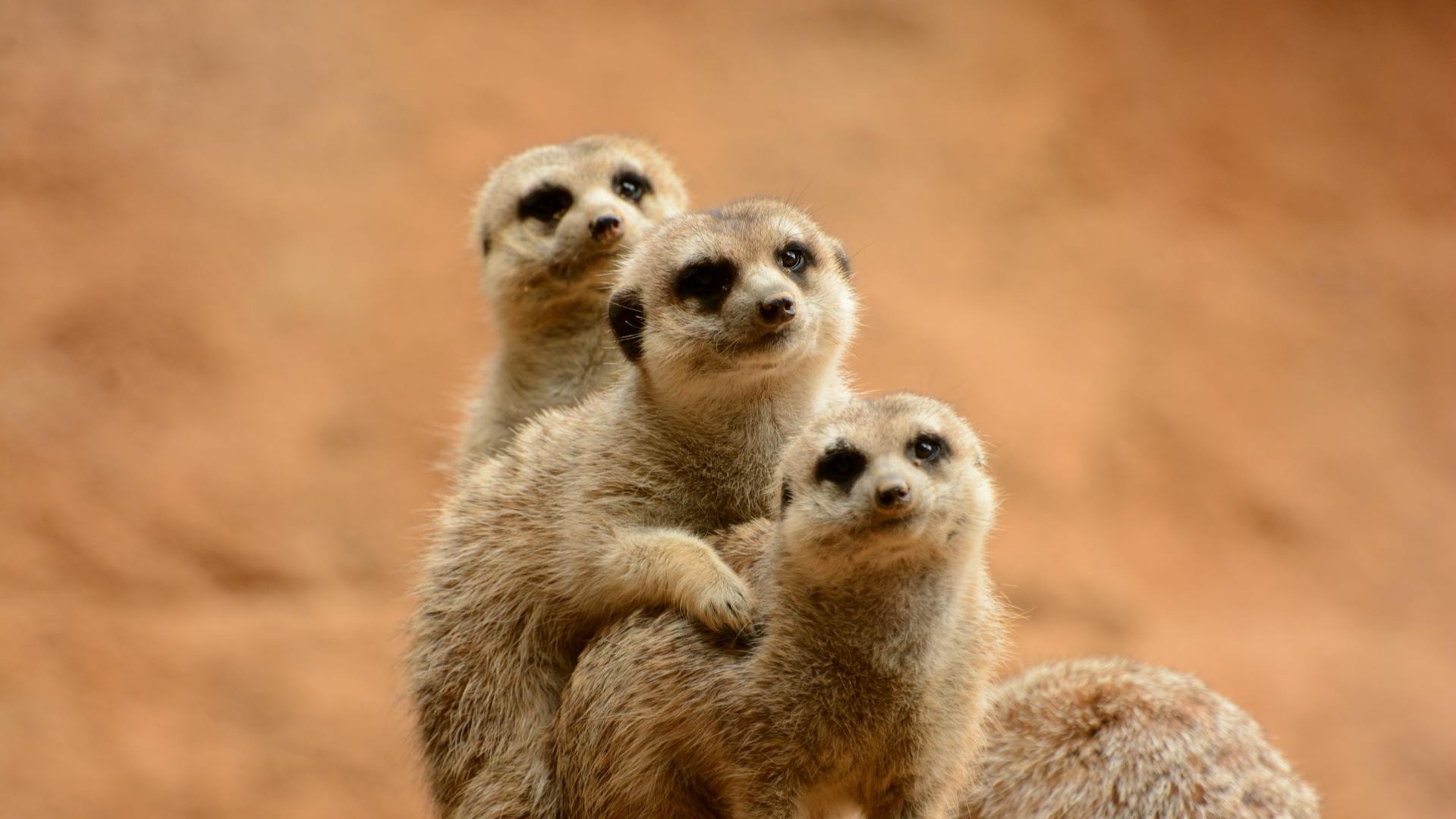
destination guides
Why Botswana's Central Kalahari Rewards Repeat Visitors During Green Season
Encounters Africa - 6 min read
Updated on 31 August 2026
After the rains sweep across the Central Kalahari, Botswana's vast interior transforms. Golden grasslands turn emerald, drawing black-maned lions into view across open plains that once concealed them. For repeat travellers, this green season delivers a different rhythm: fewer vehicles, heightened solitude, and the chance to witness a landscape in full renewal.
The Central Kalahari in green season rewards those who have already experienced Botswana's dry months. With our guidance at Encounters Africa, you can shape a journey that captures this subtle shift, where the thrill lies not in guaranteed sightings but in authentic immersion. Encounters Africa is part of the Secret Namibia group and is the specialist arm for safaris beyond Namibia, covering South Africa, Botswana, Kenya, Tanzania, Rwanda, Uganda, Zambia and Zimbabwe.
What is green season on safari and is it worth travelling then?
Green season refers to the rainy months when landscapes turn lush, wildlife disperses but becomes easier to track on fresh grass, and camps reduce rates while delivering a more private experience; for repeat travellers seeking authenticity over guaranteed sightings, it is often more rewarding.
The rains do not diminish the safari; they redefine it, offering space to breathe and time to truly observe.
The Central Kalahari's Dramatic Seasonal Shift
When the first storms arrive, usually between November and April, the arid expanse of the Central Tuli Block and surrounding reserves awakens. Parched earth absorbs the moisture, and within days delicate shoots push through the sand. By December, the plains resemble a swaying sea of green, dotted with wildflowers that release their scent after each shower.
This transformation brings a palpable change in atmosphere. The air carries the metallic tang of rain on dust, while distant thunder rolls across horizons that stretch unbroken for kilometres. For those who return to Botswana, this green season offers a fresh perspective on a familiar landscape, revealing layers previously hidden by dust and drought.
Game viewing adapts to these conditions. Animals no longer cluster around shrinking waterholes but spread across the renewed grasslands. Yet the soft ground holds tracks beautifully, allowing skilled guides to follow fresh spoor with ease. The result is an intimate style of safari that feels exploratory rather than observational.
Black-Maned Lions: Pride of the Green Kalahari
The Central Kalahari is renowned for its impressive black-maned lions, and the green season brings them into sharper focus. With vegetation at ankle height rather than chest height, these magnificent predators become more visible as they patrol their territories or rest beneath isolated acacias.
Our travellers often describe the sight of a dark-maned male silhouetted against vibrant grass as unforgettable. The contrast heightens every detail: the rich black of the mane against the emerald backdrop, the golden eyes scanning the plains. Because visitor numbers remain low, you can spend unhurried time with a pride, watching cubs play or witnessing a hunt unfold across open ground.
Here, the lions do not perform for crowds. They simply live, and you are privileged to witness their world on their terms.
Breeding patterns align with the rains, meaning encounters with young cubs are more likely during these months. The abundance of prey supports healthy prides, and the lack of competing vehicles allows for extended, respectful observation that reveals natural behaviours often missed in busier seasons.
Why the Quietest Months Appeal to Repeat Travellers
Botswana's green season, particularly from late December through March, sees significantly fewer visitors than the peak dry months. This translates to near-empty landscapes where the only sounds are birdsong, distant zebra barks, and the occasional roar carrying across the plains.
For those on their second or third safari, this solitude proves deeply rewarding. Without the pressure of ticking off species, journeys become more reflective. Time stretches to accommodate meaningful conversations with guides, photography at leisure, or simply sitting in camp listening to the rain drum on canvas.
The reduced rates during these months also allow for longer stays or the addition of experiences such as walking safaris and sleep-outs under starlit skies. Repeat travellers particularly value this flexibility, using their prior knowledge to craft more personalised itineraries that focus on specific interests rather than broad introductions.
Practical Considerations for a Green Season Safari
Travelling during the green season requires some adjustment in expectations and preparation. Afternoon thunderstorms are common, though mornings typically remain clear for game drives. Temperatures stay pleasant, rarely exceeding 30°C, making outdoor exploration comfortable.
Wildlife viewing becomes less about density and more about quality. While large concentrations may be absent, the chance to follow a leopard through fresh grass or watch a cheetah family hunt across open plains creates lasting memories. Professional guides excel in these conditions, using their deep knowledge of individual animals and territories.
Packing should account for occasional downpours with lightweight waterproof layers, while insect repellent remains essential as mosquitoes increase with the rains. Most importantly, approach the experience with openness. The Central Kalahari in green season offers connection rather than spectacle.
Choosing the Right Camp for Your Return Visit
Selecting accommodation shapes the entire green season experience. Properties such as Deception Valley Lodge offer excellent positioning within the reserve, with spacious tents that allow the sounds of rain and wildlife to become part of your stay.
Private concessions bordering the Central Kalahari provide additional advantages during wet months. With exclusive traversing rights, these areas ensure even greater privacy and the freedom to engage in activities not permitted within national park boundaries. Night drives, for instance, reveal the smaller creatures that thrive after rainfall.
Our team at Encounters Africa draws on three decades of combined experience to match travellers with the perfect base. Whether you seek a traditional tented camp or a more luxurious private villa, we book directly with properties to ensure seamless arrangements tailored to your preferences.
A return journey to the Kalahari in green season is less about seeing more and more about seeing differently.
Planning Your Central Kalahari Green Season Safari
Creating a successful green season itinerary involves balancing time in the Kalahari with complementary destinations. Many travellers combine it with the Okavango Delta during its own flooding cycle or extend into the Mashatu Game Reserve for contrasting landscapes.
With 81 published itineraries that can all be reshaped, Encounters Africa specialises in designing exceptional, tailor-made journeys for individuals, couples, families, and private groups of up to eight guests. Drawing on our handpicked network of distinguished camps and lodges, we curate every detail with precision and care, creating a seamless, deeply personal safari experience shaped entirely around your preferences, pace, and budget.
Read our full guide to the best time to visit Botswana at our explanation of Botswana's seasons and explore a sample 10-day itinerary here: 10-day exclusive wilderness safari.
For discerning travellers seeking a private safari beyond our set itineraries, we invite you to contact us directly through our enquiry form. Let us help you discover why Botswana's Central Kalahari in its green season continues to captivate those who return.
More like this
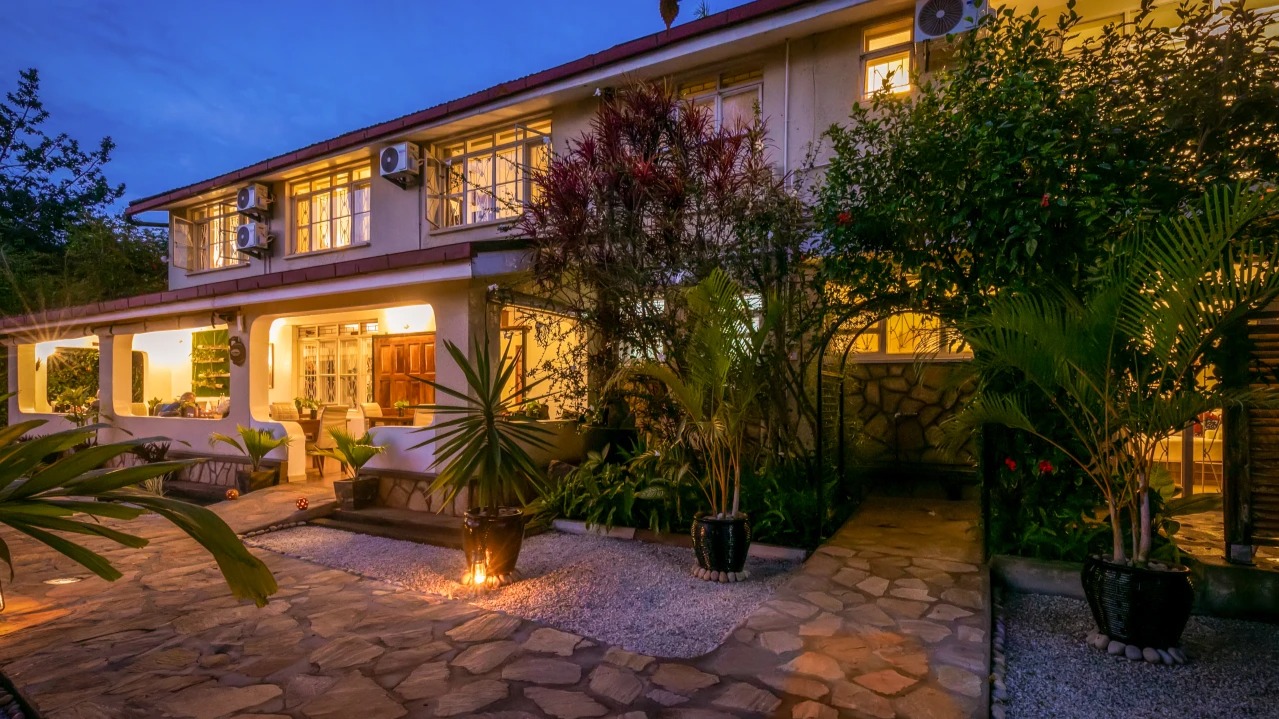
destination guides
Why Entebbe Beckons First-Time Visitors to East Africa
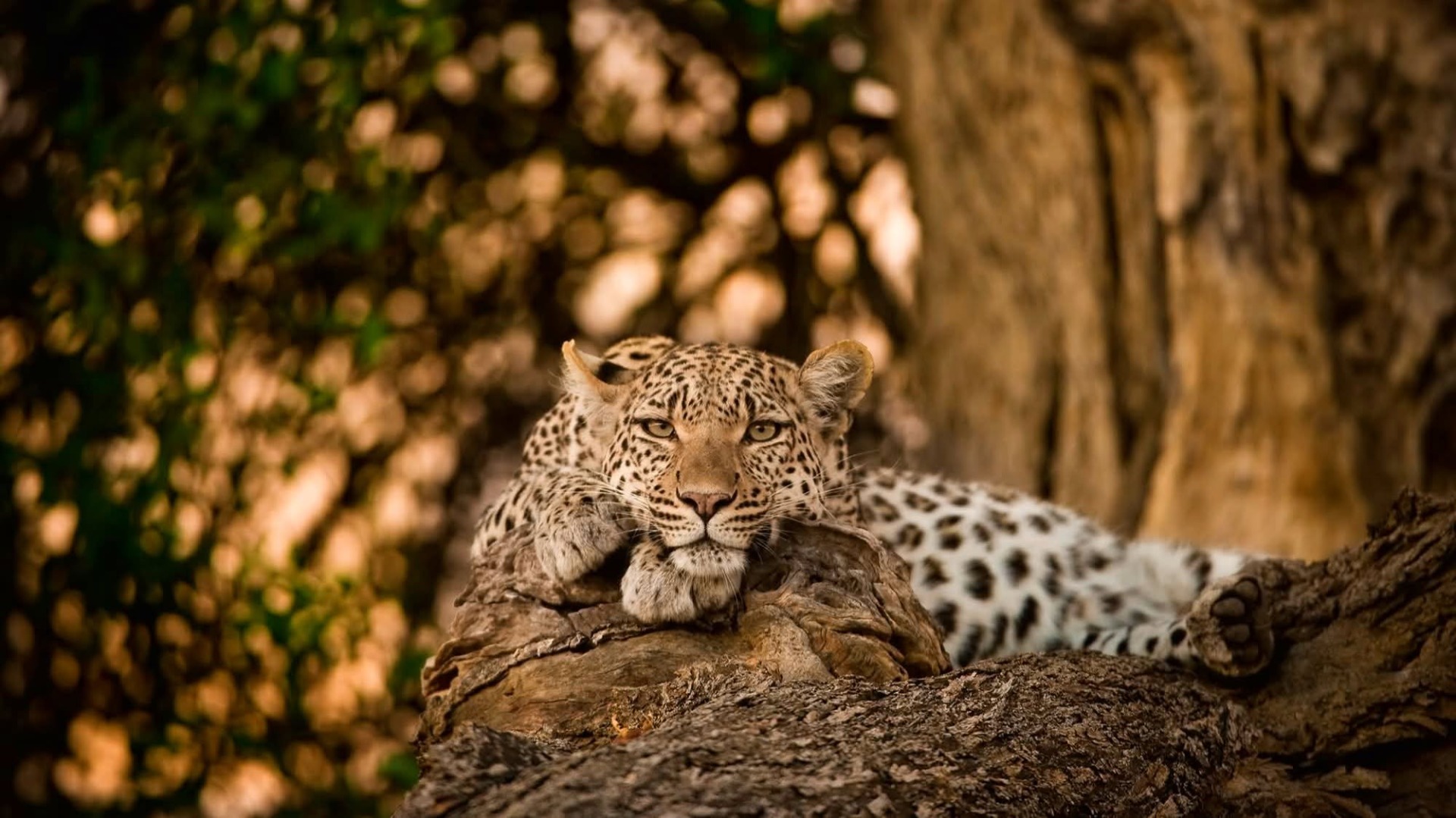
destination guides
Why Leopard Sightings Excel in Sabi Sand Private Reserves
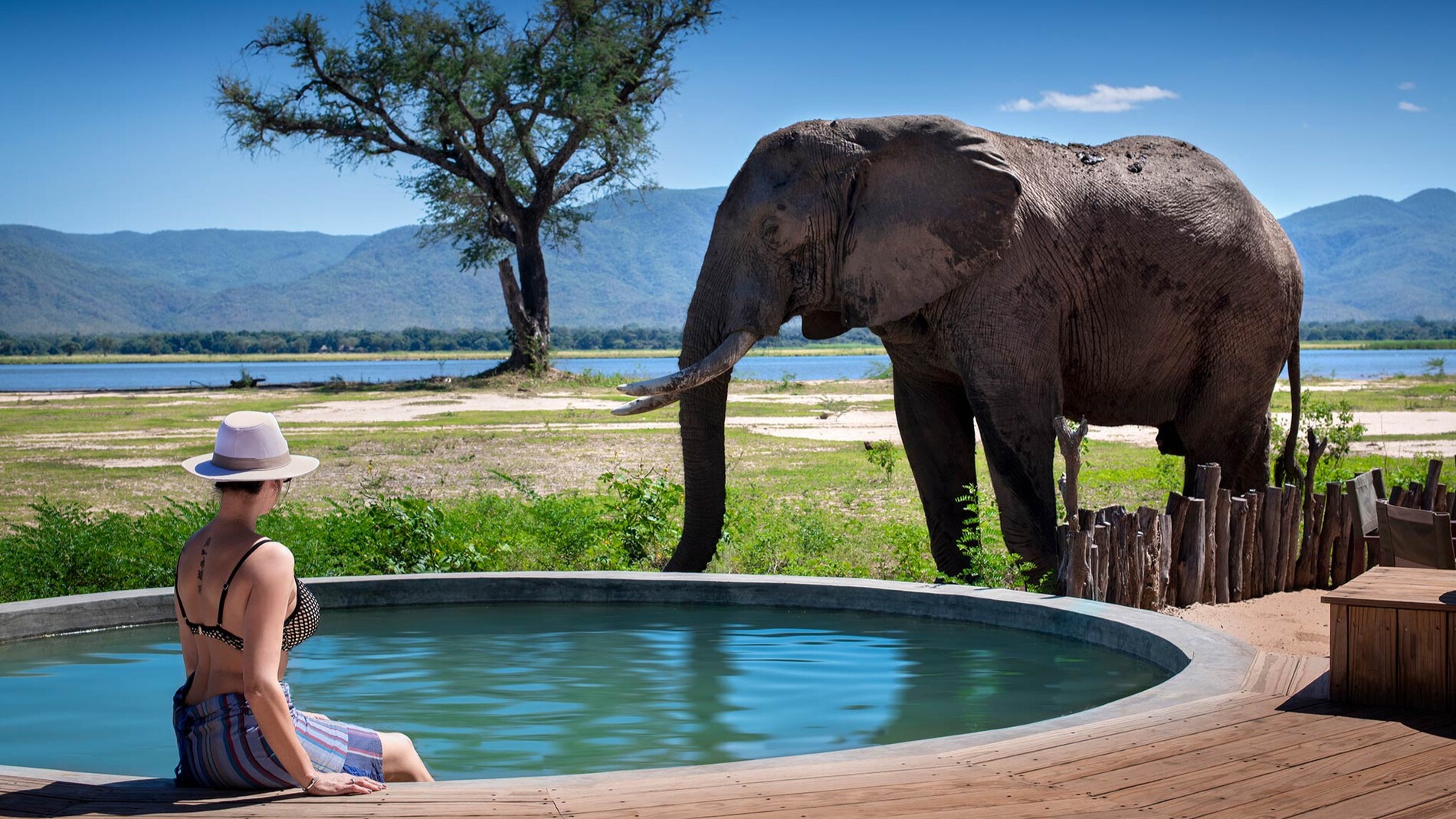
destination guides
Why Mana Pools Demands Foot Safaris Among Towering Albida Trees
destination guides
Why Singita Kilima Private Villa Redefines Secluded Family Safaris
destination guides
Why Tanzania's Southern Circuit Draws Far Fewer Visitors Than the Serengeti
destination guides