tips and advice
Why Malaria-Free Reserves in South Africa Appeal Most to Families with Young Children
Encounters Africa - 7 min read
Updated on 28 August 2026
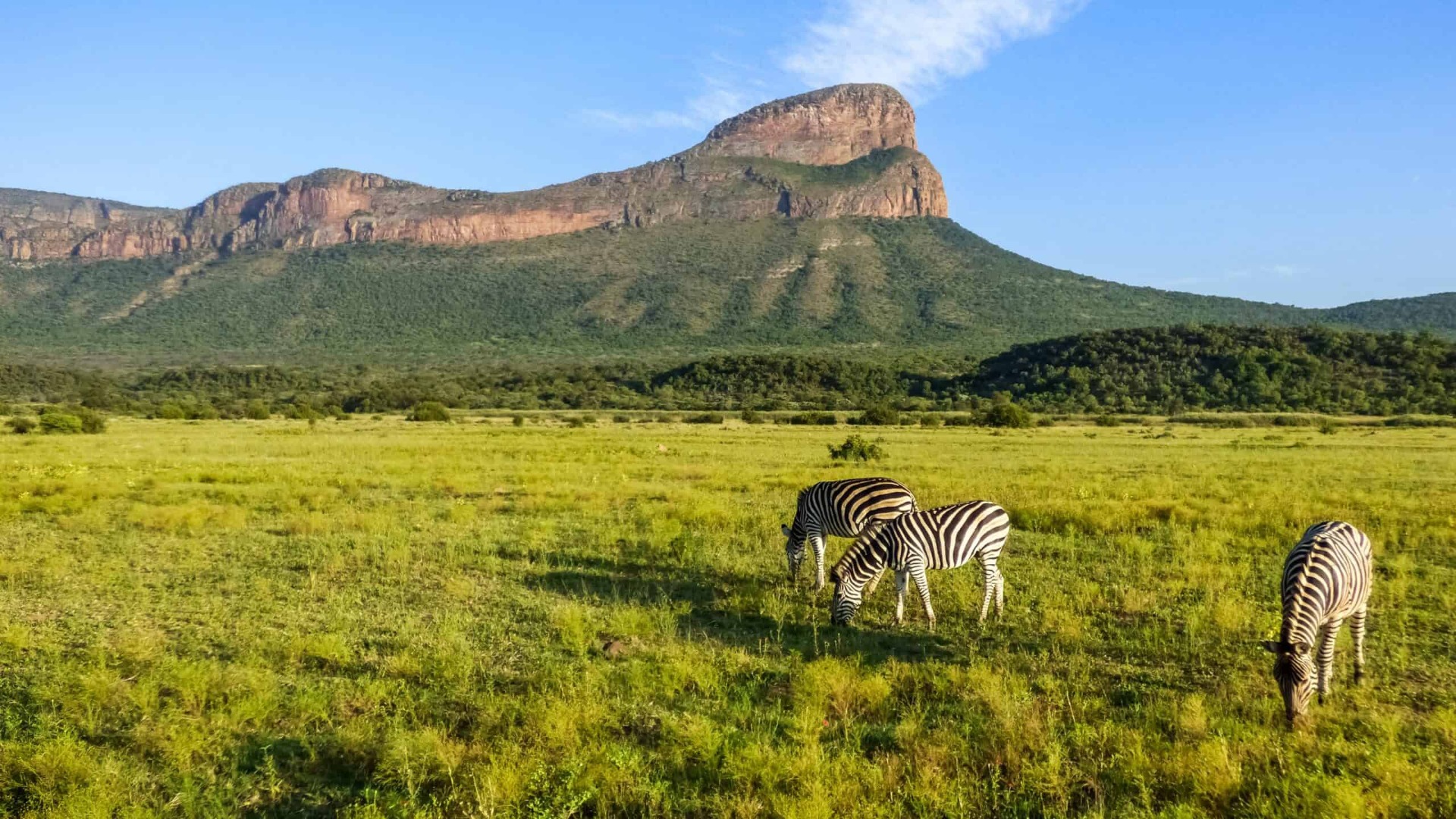
Parents planning a first safari with young children often weigh the thrill of close wildlife encounters against health concerns in tropical regions. Malaria-free reserves in South Africa stand out for families because they remove the need for preventative medication that can unsettle small stomachs or cause side effects in toddlers. These areas deliver memorable game viewing while allowing everyone to focus on the adventure rather than daily tablets or protective clothing after dusk.
Encounters Africa, the Cape Town-based specialist arm of the Secret Namibia group for safaris beyond Namibia, draws on three decades of combined experience to book directly with camps and lodges. We create tailor-made journeys across South Africa, Botswana, Kenya, Tanzania, Rwanda, Uganda, Zambia and Zimbabwe for individuals, couples, families and private groups of up to eight guests, reshaping any of our 81 published itineraries to suit exact needs. Discover why Madikwe, the Waterberg and the Eastern Cape particularly suit young families, and consider the trade-offs against classic Lowveld experiences.
Which South African safari areas are malaria-free?
The malaria-free safari areas in South Africa include Madikwe Game Reserve in the north, the Waterberg region northwest of Johannesburg, and large parts of the Eastern Cape such as Addo Elephant National Park, Shamwari, Kariega and Amakhala. These destinations lie outside the northeastern Lowveld zone where malaria transmission occurs seasonally. Malaria risk is considered negligible here year-round, though travellers should always consult a travel clinic for the latest medical advice before departure as protocols can evolve.
Removing malaria medication from the equation allows children to enjoy every sunrise game drive and fireside story without the distraction of bitter tablets or lingering side effects.
Madikwe Game Reserve: predator-rich and wonderfully private
Straddling the border with Botswana, Madikwe Game Reserve covers 750 square kilometres of diverse bushveld, making it one of the largest malaria-free reserves in the country. The malaria-free status combined with its Big Five populations draws families who want substantial game viewing without compromise. Morning drives often reveal lions draped along rocky outcrops while afternoon excursions might follow wild dog packs on the hunt.
Lodges here cater thoughtfully to younger travellers with family suites that keep parents close to little ones, shaded splash pools after dusty drives, and rangers skilled at translating animal behaviour into stories that captivate even the smallest listeners. Because the reserve operates on a low vehicle density model, children experience a sense of exclusive wilderness rather than crowded sightings.
Practical family considerations in Madikwe
Most camps accept children from age four or six depending on the operator, with private vehicles allowing flexible pacing when little legs grow restless. Night drives add excitement without extending too far past bedtime, and many properties offer junior ranger programmes that teach tracking skills through games rather than lectures.
The Waterberg: dramatic landscapes and hands-on conservation
Further south, the Waterberg plateau rises abruptly from the plains, creating a rugged malaria-free landscape of sandstone cliffs, wooded valleys and clear streams. This Unesco Biosphere Reserve supports healthy populations of rhino, buffalo and leopard alongside more than 300 bird species. The elevated terrain brings cooler evenings even in summer, a welcome relief for families travelling with babies who sleep better in moderate temperatures.
Properties in this region frequently offer a broader range of activities beyond traditional game drives. Children can join guided nature walks where they learn to identify spoor, participate in junior conservation projects, or enjoy horse riding through habitats that feel far removed from the classic savannah image. The sense of space encourages exploration while maintaining excellent wildlife opportunities.
In the Waterberg the land itself tells stories; ancient rock formations and hidden waterfalls become natural playgrounds that spark curiosity long after the vehicles return to camp.
Why the Waterberg suits different ages
Older children particularly appreciate the variety of experiences, from tracking white rhino on foot with experienced rangers to spending an afternoon at a local community project. Younger ones benefit from shorter, tailored activities that match their attention span while still delivering genuine encounters with giraffe, zebra and various antelope species.
Eastern Cape: varied ecosystems within easy reach
The Eastern Cape offers perhaps the greatest variety among malaria-free options, from the dense thickets of Addo Elephant National Park to the open grasslands and coastal forests of private reserves like Kariega Private Game Reserve. Elephants dominate many landscapes here, with herds often numbering in the hundreds, creating unforgettable moments for children who watch these gentle giants crossing roads or drinking at waterholes.
Proximity to coastal areas adds another dimension. Families can combine safari with beach time in places like Kenton-on-Sea or combine game viewing with marine experiences such as whale watching near Port Elizabeth during the right season. This flexibility helps maintain children’s interest across a longer stay.
Family-friendly infrastructure in the Eastern Cape
Many lodges have invested heavily in child-friendly facilities, including dedicated play areas, children’s menus that go beyond the usual pasta options, and babysitting services that allow parents occasional romantic sundowners. The malaria-free status means evenings can be spent on open decks watching the stars rather than behind netting.
Understanding the trade-offs against the Lowveld
The classic Lowveld reserves of Kruger National Park and its private concessions remain unmatched in terms of sheer game density and the frequency of predator sightings. The landscape here feels archetypal African savannah with vast plains, dramatic termite mounds and the chance of witnessing a leopard dragging prey into a tree. However, this comes with the requirement for malaria prophylaxis, particularly during the warmer wetter months from October to May.
In contrast, the malaria-free areas often feature thicker vegetation or more varied topography that can make certain species harder to spot consistently. Madikwe offers excellent predator viewing but fewer of the migratory herds seen further east. The Waterberg and Eastern Cape deliver different aesthetics altogether, from mountainous vistas to fynbos-influenced habitats that support unique antelope species like the elusive mountain reedbuck.
The trade-off ultimately comes down to priorities. For families with children under eight, the peace of mind that comes with malaria-free reserves frequently outweighs the marginal difference in game density. Many parents report that their children’s first safari memories centre on the freedom of running between vehicles and tents without constant insect repellent applications.
The Lowveld may promise more frequent lion encounters, yet the relaxed atmosphere of a malaria-free reserve often creates deeper, more joyful family connections with the African bush.
Choosing the right malaria-free experience for your family
Every family’s needs differ. Parents of toddlers might prefer the Eastern Cape’s shorter transfer times from Port Elizabeth airport, while those with older children who crave adventure may lean towards the Waterberg’s activity-rich camps. Madikwe suits those seeking a balance of luxury and wilderness with strong chances of seeing the full Big Five.
Consider travelling during South Africa’s shoulder seasons when temperatures remain comfortable and rates at many properties become more accessible. December and January bring school holidays and higher demand, while the drier winter months from June to August concentrate wildlife around water sources across all three regions.
Looking beyond South Africa to family adventures in Namibia
The same principles that make malaria-free reserves appealing in South Africa apply across the region. For further inspiration on travelling with children, explore our sister brand’s guide to family-friendly safaris in Namibia which details what to expect and how to plan. Those seeking a comprehensive family experience might consider the 10-day best of Namibia family fly-in safari.
Begin planning your family safari today
Whether you are drawn to the predator-rich plains of Madikwe, the rugged beauty of the Waterberg, or the elephant-filled landscapes of the Eastern Cape, a malaria-free safari in South Africa offers an ideal introduction to wild Africa for young families. The absence of malaria concerns allows everyone to immerse fully in each golden-hour drive and fireside conversation under southern stars.
For discerning travellers seeking a private safari beyond our set itineraries, we invite you to contact us directly. We specialise in designing exceptional, tailor-made journeys for individuals, couples, families, and private groups of up to eight guests. Drawing on our handpicked network of distinguished camps and lodges, we curate every detail with precision and care, creating a seamless, deeply personal safari experience shaped entirely around your preferences, pace, and budget.
Complete our enquiry form and let Encounters Africa craft a malaria-free family safari that creates memories lasting a lifetime.
More like this
tips and advice
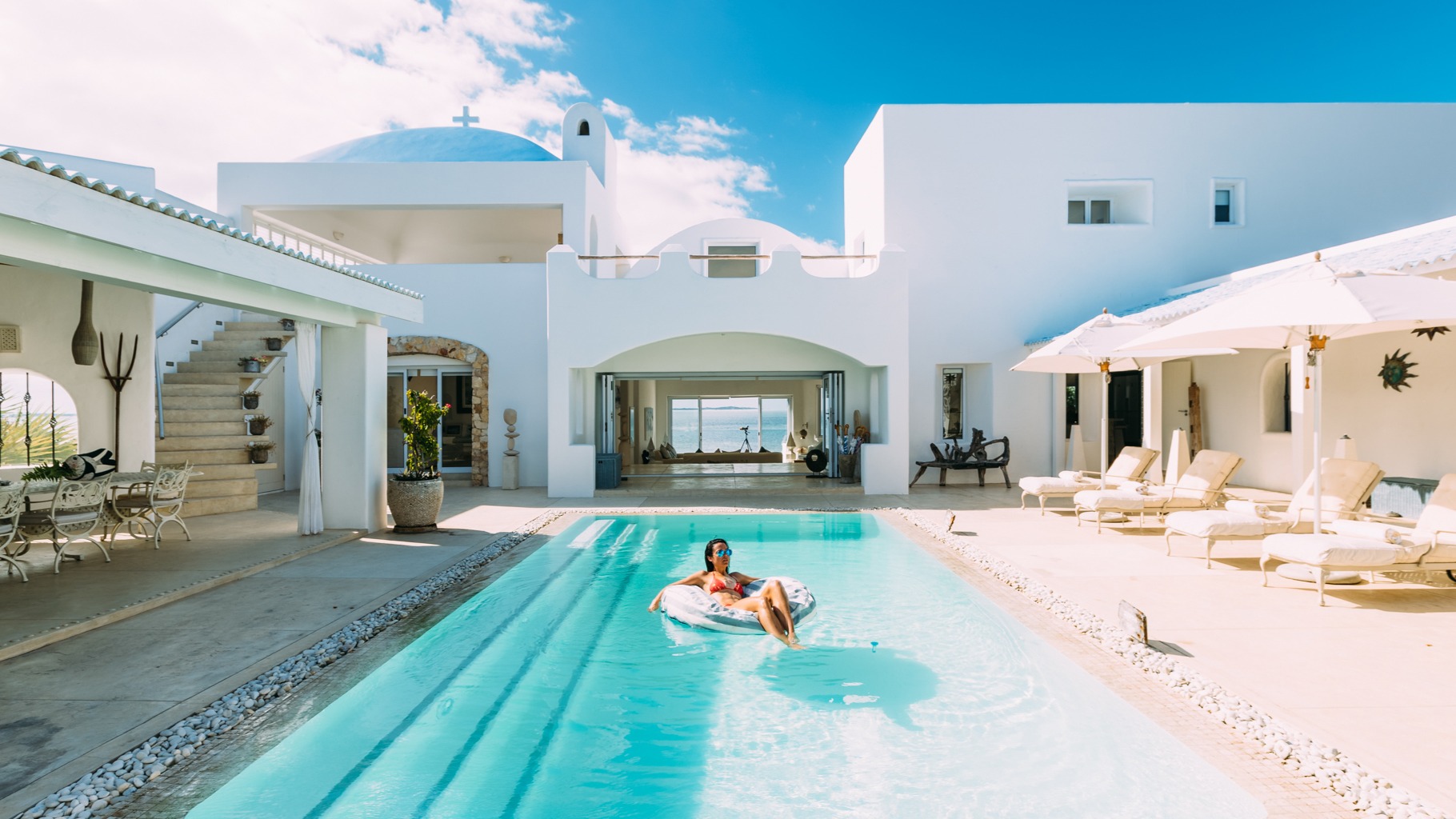
Why Santorini of Mozambique Captivates: A Traveler's Account of Tofo's Shores
tips and advice
Why Standard Travel Insurance Leaves Safari Guests Exposed in Remote Wilderness
tips and advice
Why Your Duffel Bag Could Cancel Your Luxury African Safari Flight
tips and advice
Your Essential Guide to Exploring the Waterberg Biosphere
tips and advice
Your First Journey to Bulawayo, Zimbabwe: Essential Tips
tips and advice