destination guides
Why Tanzania's Southern Circuit Draws Far Fewer Visitors Than the Serengeti
Encounters Africa - 9 min read
Updated on 31 August 2026
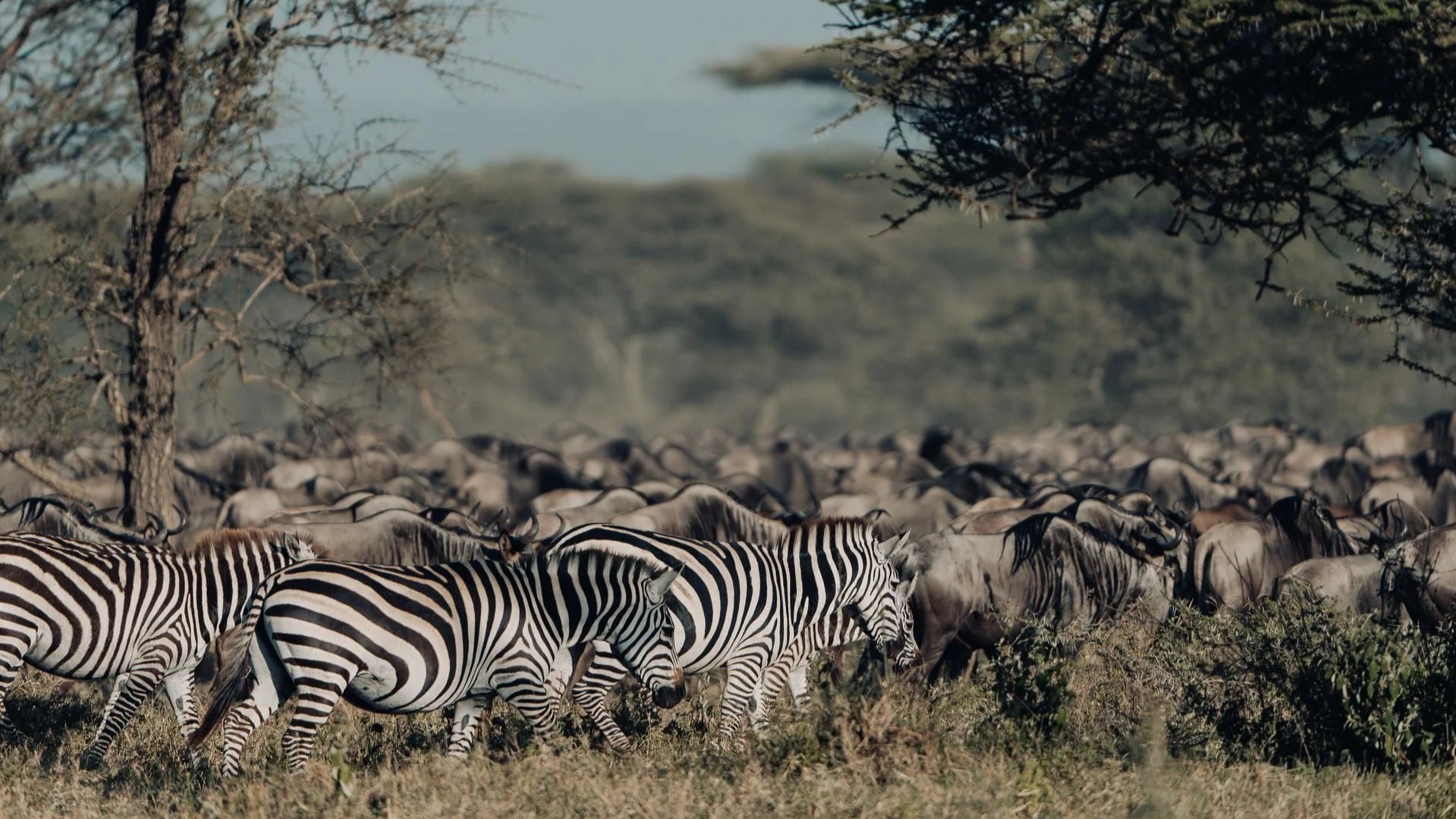
Tanzania's southern circuit draws far fewer visitors than the Serengeti because its remote location, limited infrastructure and emphasis on low-density experiences create an entirely different safari rhythm. While the north welcomes hundreds of thousands of travellers each year, Ruaha and Nyerere National Parks together receive only a small fraction of that volume, often fewer than 40,000 combined annually. This relative solitude translates into profoundly intimate wildlife encounters amid landscapes shaped by ancient miombo woodland, seasonal rivers and dramatic escarpments.
Encounters Africa is part of the Secret Namibia group and is the specialist arm for safaris beyond Namibia, covering South Africa, Botswana, Kenya, Tanzania, Rwanda, Uganda, Zambia and Zimbabwe. From its Cape Town base the team draws on three decades of combined experience to book directly with camps and lodges, creating tailor-made journeys for individuals, couples, families and private groups of up to eight guests. Any of its 81 published itineraries can be reshaped around personal interests, preferred pace and seasonal priorities.
The Allure of Tanzania's Southern Circuit
The southern parks reward those willing to travel further with a sense of genuine wilderness. Dusty red roads wind through thick woodland that suddenly opens onto floodplains where large herds of buffalo and elephant gather. The air carries the sharp scent of wild basil crushed under tyres and the distant rumble of lions calling at dusk. Here, the focus shifts from spectacle to subtlety, from counting species to absorbing the layered sounds and scents of an ecosystem still largely untouched by mass tourism.
Seasonal rivers carve through the terrain, concentrating game during the dry months from June to October when water becomes scarce. This natural funnel effect produces reliable predator sightings without the vehicle congestion common further north. Tanzania offers contrasting experiences across its vast territory, yet the south consistently delivers a quieter, more contemplative form of safari that lingers long in the memory.
The southern circuit does not shout. Instead it whispers its wonders through the crack of dry leaves underfoot, the flash of a leopard's tail in thicket, and the gentle lap of water against a boat hull at sunrise.
Why Visitor Numbers Remain So Low
Geography plays the primary role. While the northern circuit sits within easy reach of Kilimanjaro and Arusha airports, accessing Ruaha or Nyerere requires either a long drive or a light aircraft flight from Dar es Salaam or Selous. The additional cost and time naturally filter visitor numbers. Infrastructure remains deliberately limited, preserving the feeling of remoteness that many experienced travellers actively seek.
Park authorities deliberately manage capacity. Daily vehicle limits inside certain concessions and strict guidelines on off-road driving keep encounters personal. Most camps accommodate between six and twelve guests, creating an intimate atmosphere where your guide can linger with a sighting for as long as it remains compelling. This measured approach stands in stark contrast to the sometimes crowded conditions around popular northern lodges during peak migration season.
The result is a destination that appeals particularly to returning safari enthusiasts and photographers who value quality over quantity. Those who have already witnessed the Serengeti's wildebeest spectacle often find the south offers fresh perspective and more breathing space to absorb each moment.
How Does Tanzania's Southern Circuit Differ from the Serengeti?
Tanzania's southern circuit differs from the Serengeti in three fundamental ways that shape every aspect of the safari experience. First, vehicle density is dramatically lower, often one vehicle per several hundred square kilometres compared with multiple vehicles around a single sighting in parts of the Serengeti during peak season. Second, exploration frequently incorporates boat safaris along the Rufiji River rather than focusing exclusively on open-plains game drives. Third, predator sightings occur within thick miombo woodland and along riverine corridors rather than on the short-grass plains that characterise the famous migration.
These differences create a more varied daily rhythm. Morning game drives might be followed by an afternoon boat journey where crocodiles bask on sandbanks and hippos surface with explosive breaths. The landscape itself feels more intimate, with woodland providing cover for shy species and seasonal changes dramatically altering accessibility and game concentrations between wet and dry periods.
Abundant Large Predators in Ruaha and Nyerere
Ruaha supports one of East Africa's highest concentrations of large predators outside the Serengeti ecosystem. Estimates suggest approximately 500 lions roam the park alongside healthy populations of leopard, spotted hyena and the increasingly rare African wild dog. The latter species particularly benefits from the vast, unfenced landscape that allows packs to hunt over enormous territories without human conflict.
Nyerere, formerly the northern sector of Selous Game Reserve, offers similarly impressive numbers. The greater Selous ecosystem is believed to contain around 8,000 lions, though densities vary across its 50,000 square kilometres. Wild dog packs thrive here too, with regular sightings of these endangered carnivores pursuing impala through the long grass. Because visitor numbers remain low, guides can follow hunting behaviour for extended periods without disturbance.
The miombo woodland provides perfect cover for ambush predators. Leopards melt into dappled shade during the heat of the day, only revealing themselves at first and last light. Experienced rangers read the landscape like a storybook, interpreting bent grass, fresh tracks and alarm calls from prey species to locate these elusive cats with remarkable consistency.
Here, the thrill comes not from ticking off another lion sighting but from watching a coalition of young males patrol their territory at dawn, their amber eyes catching the first rays of sun while the rest of the world still sleeps.
Boat Safaris on the Rufiji River
Few safari experiences match the serene pleasure of drifting along the Rufiji at sunrise. The river forms the lifeblood of Nyerere National Park, creating a 200-kilometre ribbon of permanent water that draws game from many kilometres away. From the comfortable vantage point of a shaded boat, travellers observe wildlife behaviour that remains hidden from land-based vehicles.
Crocodiles lie motionless on exposed sandbanks, their ancient armour glistening in the morning light. Pods of hippo surface with explosive snorts, while fish eagles scan the water from dead trees along the bank. The gentle chug of the engine often fades completely as guides cut the motor to drift silently past basking Nile crocodiles or elephant herds coming down to drink.
These water-based excursions complement traditional game drives perfectly. Late afternoon boat trips frequently coincide with peak predator activity along the riverine margins, offering opportunities to witness lions hunting or leopards slinking through thickets that border the water. The experience engages all senses, from the rich smell of papyrus to the cooling breeze that makes even the hottest days bearable.
Best Time to Visit the Southern Circuit
The dry season between June and October delivers the most reliable game viewing. As water sources diminish, animals concentrate along the Rufiji and Ruaha river systems, making sightings more predictable. Vegetation thins dramatically, improving visibility through the woodland and allowing vehicles to access remote areas that become impassable after rains.
The green season from November to May brings its own rewards. Dramatic thunderstorms sweep across the landscape, transforming dusty plains into lush grasslands within days. Migratory birds arrive in their thousands, wildflowers carpet the ground, and newborn antelope test their legs on the fresh grass. While game disperses somewhat, the dramatic light and fewer visitors create an equally compelling experience for those who prefer landscape and birding alongside mammal viewing.
Shoulder months of November and June often provide the perfect balance, with manageable temperatures and developing game concentrations. Travel during these transitional periods can also prove more accessible in terms of availability at the finest camps.
Conservation Success Stories in Southern Tanzania
The vast scale of these protected areas plays a crucial role in maintaining healthy predator populations. Nyerere National Park spans over 30,000 square kilometres, creating one of Africa's largest remaining wilderness zones. This size allows natural processes to continue largely uninterrupted, supporting complex food webs that sustain large carnivores at the top of the chain.
Community involvement strengthens protection efforts. Revenue from tourism funds anti-poaching patrols, village development projects and conservation education programmes. Local people who benefit directly from responsible tourism become powerful advocates for wildlife protection, creating a virtuous circle that benefits both people and animals.
Photographic tourism in particular supports these efforts by generating income without consumptive use of resources. The presence of visitors and their guides also provides an informal monitoring network across remote areas that would otherwise be difficult to patrol effectively.
Every quiet game drive in the south represents a small but meaningful contribution to preserving one of Africa's last great wilderness areas for future generations.
Planning Your Southern Circuit Safari
Thoughtful planning transforms a good safari into an exceptional one. Combining Ruaha and Nyerere creates natural synergies, with the contrasting landscapes and ecosystems complementing each other beautifully. Most travellers spend three or four nights in each park, allowing time to settle into the rhythm of each camp and explore its immediate surroundings thoroughly.
Private guiding enhances the experience significantly. Dedicated vehicles and experienced naturalist guides who understand individual interests can tailor each drive accordingly, whether the focus lies on photography, bird identification or simply absorbing the atmosphere. Camp Okavango and similar intimate properties exemplify the thoughtful design that makes southern camps so special, though the real magic lies in the space between camps where wilderness unfolds.
Consider combining your southern exploration with other Tanzanian experiences or even a multi-country itinerary. The flexibility of private travel allows seamless transitions between ecosystems and activities. For those seeking the pinnacle of exclusivity, our 12-day ultra-luxury private fly-in safari showcases how these remote parks can anchor a truly memorable journey.
Why Choose Encounters Africa for Your Tanzanian Safari
Creating a meaningful southern circuit itinerary requires genuine regional knowledge and strong relationships with the finest camps. Encounters Africa brings precisely this expertise, working directly with properties rather than through intermediaries to secure the best possible experiences. Our team understands how seasonal changes affect each park and can advise on the optimal timing for your specific interests.
Whether you dream of drifting along the Rufiji at dawn, tracking wild dogs through miombo woodland, or simply savouring the profound silence that descends after sunset, we shape every detail around your vision. The result is a journey that feels entirely personal rather than packaged.
For discerning travellers seeking a private safari beyond our set itineraries, we invite you to contact us directly. We specialise in designing exceptional, tailor-made journeys for individuals, couples, families, and private groups of up to eight guests. Drawing on our handpicked network of distinguished camps and lodges, we curate every detail with precision and care, creating a seamless, deeply personal safari experience shaped entirely around your preferences, pace, and budget.
Discover more about expanding your African horizons through our sister brand's perspective on safaris beyond Namibia and begin planning the southern circuit journey you will remember forever.
More like this
destination guides
Why Your Third Safari Should Skip the Big Five Checklist
destination guides
Woodland Whispers: Settling into Phinda Forest Lodge's Treehouse Rooms
destination guides
Your Definitive Guide to Uganda's Luxury Safari Packages
destination guides
Your Essential Guide to Addo Elephant National Park, South Africa
Destination Guides
Your Guide to the Best Time to Visit Africa
destination guides