tips and advice
Deciding Between Desert and Grassland Safaris: A Practical Guide to Matching Landscapes with Your Wildlife Priorities
Encounters Africa - 8 min read
Updated on 26 August 2026
Deciding between desert and grassland safaris often comes down to understanding what each landscape genuinely delivers. Southwest Africa's sculptural deserts deliver solitude and stark beauty with lower game densities, while East Africa's open plains concentrate predators and plains game. This decision guide compares genuine differences across Kenya, Tanzania, Botswana's Okavango and countries further south so you can choose the safari experience that aligns with what you actually want to see. Encounters Africa, the specialist arm of the Secret Namibia group, designs these journeys by booking directly with camps and lodges for individuals, couples, families and private groups of up to eight.
The contrast begins with the terrain itself. In arid regions, vast expanses of sand, rock and sparse vegetation create an atmosphere of profound isolation where sightings feel earned rather than expected. By comparison, the sweeping grasslands of East Africa support higher concentrations of animals, particularly during key seasonal movements. Neither is inherently superior; they simply offer different rhythms and rewards for the attentive traveller.
Desert Landscapes: Solitude and Sculptural Beauty in Southern Africa
The arid zones of southern Africa, particularly those handled by our sister brand, reward patience with otherworldly scenery and intimate encounters. Here, the focus shifts from sheer numbers to the drama of adaptation, where every sighting carries the weight of survival against the elements. Red dunes, ancient riverbeds and salt pans stretch toward distant horizons under vast skies that change colour dramatically at dawn and dusk.
Wildlife densities remain lower than in the east, yet the animals present often appear in striking isolation against minimalist backdrops. Black-maned lions resting on dunes or desert-adapted elephants trekking between water sources create memorable tableaus. The experience emphasises tracking, interpretation and the sheer scale of the environment rather than constant action.
The silence of a desert dawn, broken only by the soft crunch of hooves on sand, stays with travellers long after more crowded sightings have faded.
Those drawn to stark beauty and contemplative journeys frequently find these regions deeply fulfilling. The absence of large herds allows for extended observation of individual behaviour and the subtle interconnections within fragile ecosystems.
Grassland Safaris: Predator Action and the Great Migration
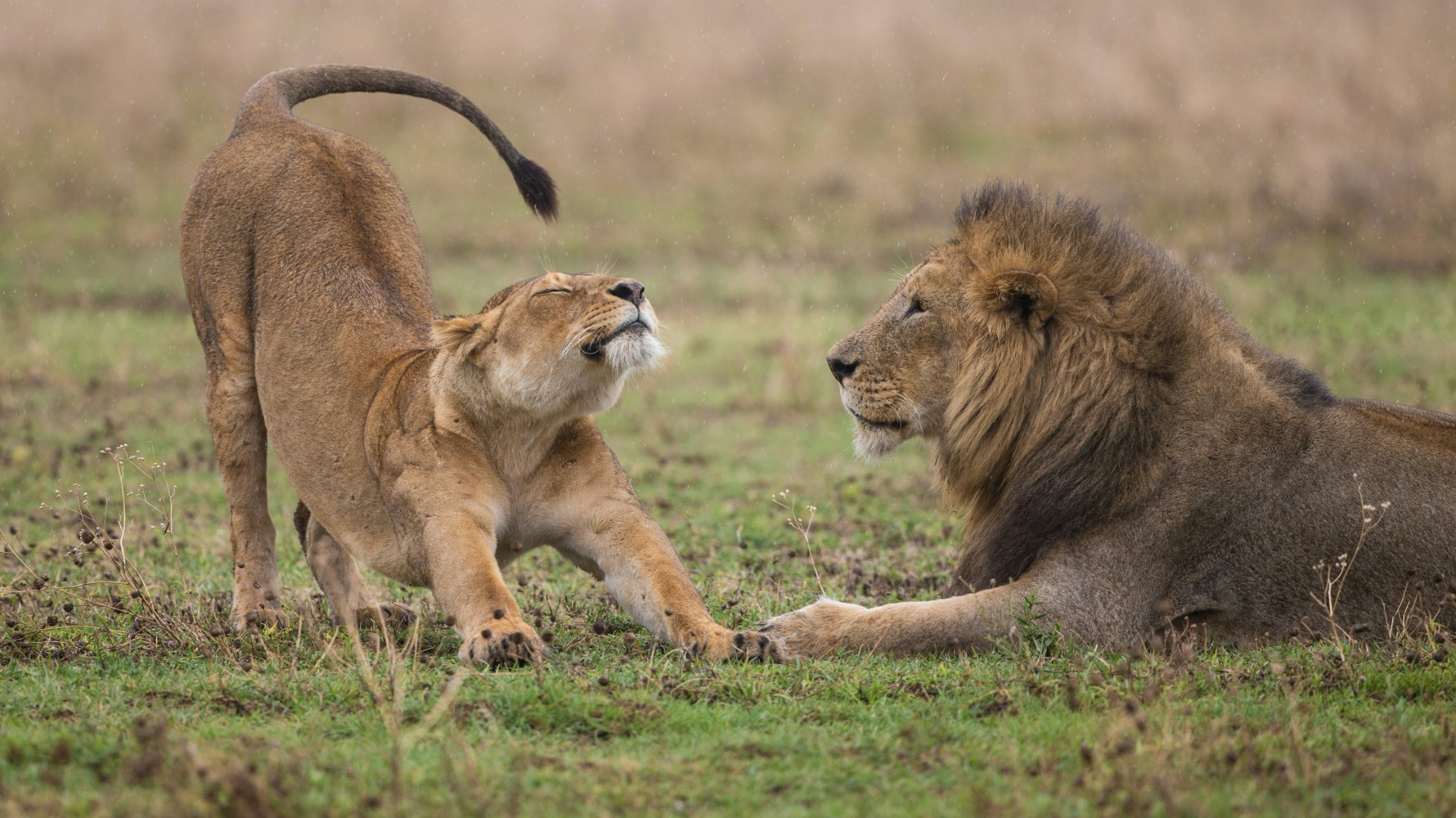
East Africa's open plains deliver a different tempo altogether, with sweeping vistas that allow observers to witness complex predator-prey dynamics across wide horizons. Here, lions, cheetahs and leopards hunt amid vast herds of wildebeest, zebra and gazelle, creating scenes of raw intensity that many travellers picture when imagining an African safari.
The Kenya vs Tanzania safari question arises frequently because both countries share the Mara-Serengeti ecosystem yet present distinct experiences. Kenya offers easier access to the northern reaches of the migration and a broader range of cultural encounters with Maasai communities, while Tanzania provides more exclusive conservancy areas with fewer vehicles and a greater sense of wilderness.
The Great Migration's position shifts predictably with rainfall patterns, typically reaching Kenya's Masai Mara between July and October before returning south through Tanzania's Serengeti from November to June. While exact timing varies with annual conditions, these broad windows help travellers align their visit with peak activity in their preferred country.
Standing on an open plain as thousands of wildebeest surge across a river, with crocodiles waiting below, is an encounter that redefines one's understanding of nature's raw power.
Water-Based Adventures in Botswana's Okavango Delta
Botswana presents a compelling middle ground through the unique Okavango Delta, where seasonal floodwaters transform a desert landscape into a vibrant inland delta. This creates opportunities for mokoro canoe trips, boat safaris and game drives that reveal wildlife from entirely new perspectives as animals concentrate on shrinking islands during drier months.
The Delta's permanent waterways support year-round resident populations of elephants, hippos, crocodiles and specialised antelope such as red lechwe and sitatunga. Birdlife reaches exceptional diversity, with over 400 species recorded, making it particularly rewarding for those who appreciate avian observation alongside larger mammals.
Compared to the open plains further east, the Delta offers more varied activities within a single reserve, from walking safaris on palm-fringed islands to traditional poling through narrow channels. This versatility appeals to travellers seeking a multifaceted experience rather than a singular focus on vehicle-based game viewing.
Which African Country is Best for a First Safari?
The most suitable first safari destination depends entirely on what aspects of African wildlife and landscapes excite you most. For those prioritising abundant wildlife sightings and dramatic predator action, Kenya or Tanzania often provide the most accessible introduction, with higher game densities and well-established safari infrastructure that helps newcomers quickly grasp the rhythms of bush life.
Travellers drawn to dramatic scenery, solitude and learning about extreme adaptation may find greater satisfaction in the desert landscapes of southern Africa, though these require more patience and a willingness to appreciate subtler rewards. Botswana's Okavango offers an excellent compromise for first-timers seeking variety, combining water activities with classic game viewing in a contained, malaria-free environment.
Ultimately, there is no single best country. The right choice emerges from honest reflection about whether you prefer the thrill of witnessing the Great Migration's scale or the profound quiet of watching a lone oryx traverse crimson dunes at sunset. Speaking with specialists who understand these nuances helps match your temperament and interests with the most appropriate region.
Practical Considerations When Comparing Safari Styles
Game Density and Sighting Frequency
East African grasslands typically deliver more frequent wildlife encounters due to higher concentrations of plains game. In contrast, arid regions may involve longer periods between sightings, balanced by the knowledge that each encounter occurs in a harsher environment where survival itself tells a compelling story.
During peak migration periods in the Masai Mara or Serengeti, vehicle numbers can increase significantly, whereas desert concessions often maintain lower visitor densities year-round. Understanding these patterns helps set realistic expectations before departure.
Activity Options and Pacing
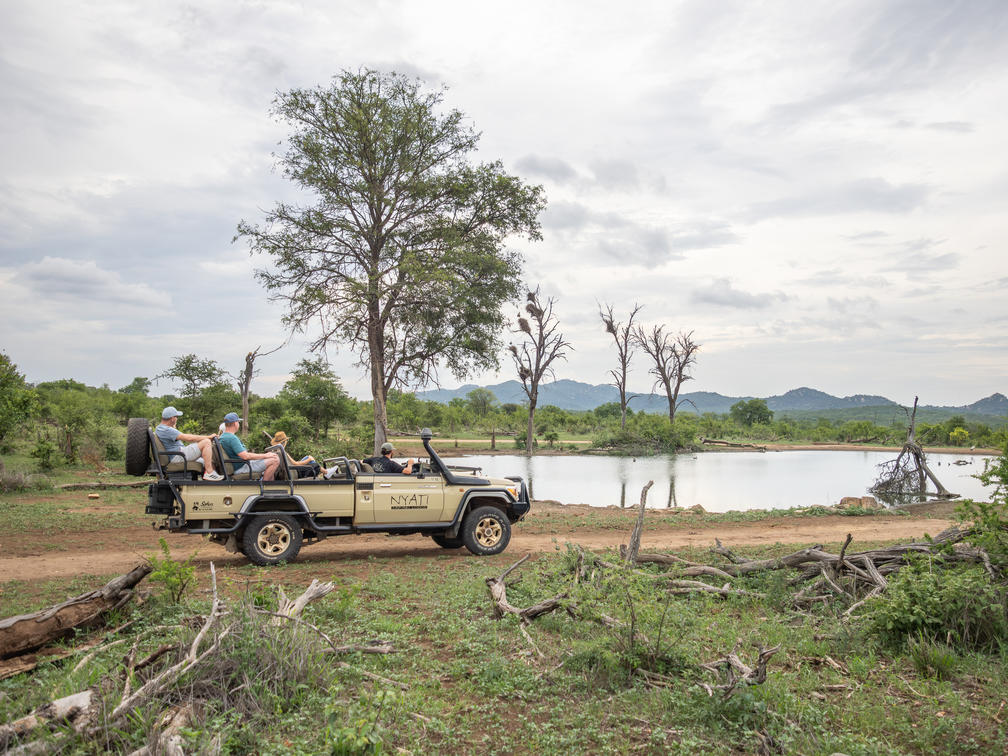
Desert and semi-arid safaris often emphasise walking, tracking and night drives, with fewer opportunities for water-based activities. Grassland experiences focus more on vehicle game drives, though many conservancies now incorporate walking and cultural elements to enrich the programme.
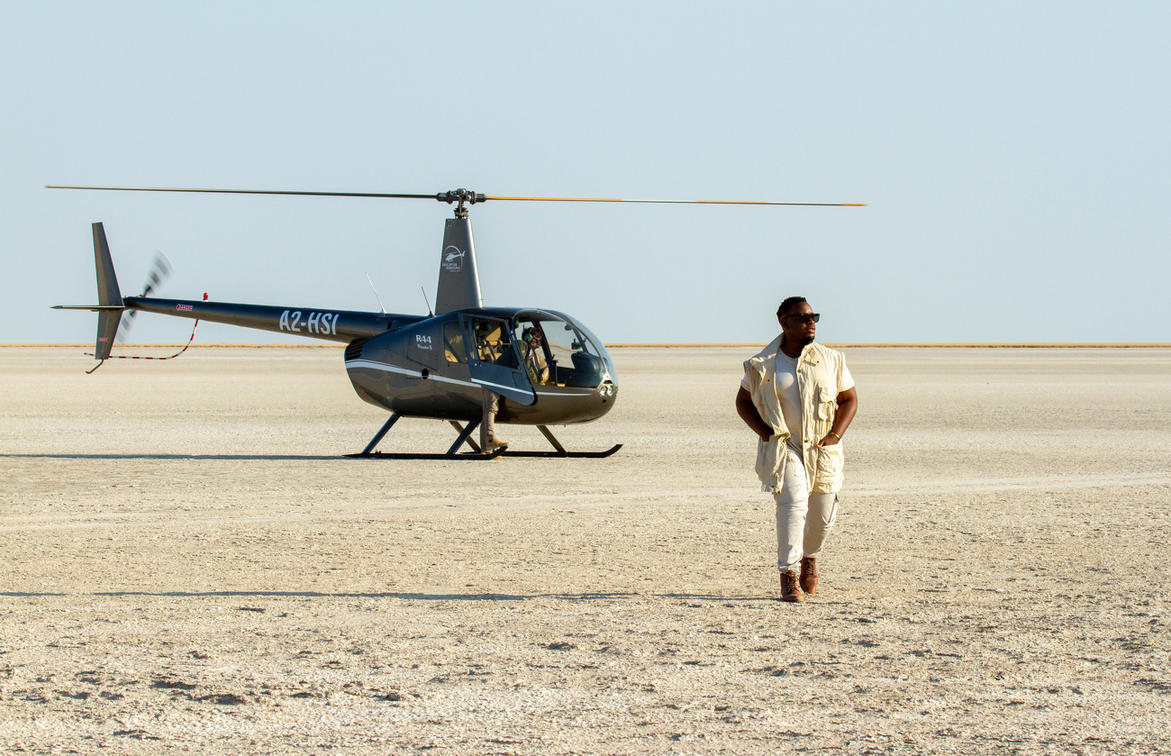
The Okavango stands apart by offering the broadest range of activities within a single stay, from helicopter flights over the floodplains to traditional mokoro excursions and bush walks. This variety can suit travellers who appreciate changing pace throughout their journey.
Seasonal Timing and Weather Patterns
Each region has optimal visiting windows that affect both wildlife viewing and comfort levels. East Africa's dry season from June to October generally coincides with the migration's northern phase, while Botswana's flood season peaks between May and August when water levels transform the Delta.
Southern arid areas often shine during their dry months when animals concentrate around remaining water sources. Travellers should consider not only wildlife patterns but also temperature ranges, as midday heat in desert regions can limit activity during certain hours.
A successful safari begins with clear expectations about what each landscape offers rather than chasing an idealised version of Africa that exists only in films.
Making Your Decision with Expert Guidance
Choosing between these distinctly different safari experiences benefits enormously from working with specialists who possess three decades of combined experience across the regions. By understanding both the subtle rewards of arid landscapes and the dynamic action of open plains, they help align your priorities with the most suitable destinations and seasons.
Whether your heart leans toward the sculptural silence of desert vistas or the thundering movement of vast herds across golden grasslands, the key lies in selecting the environment that resonates with your personal definition of wonder. Many travellers ultimately return to experience the contrasting counterpart, discovering that each reveals different facets of this remarkable continent.
Conclusion
From the crimson dunes of the southwest to the predator-rich plains of East Africa and the shimmering waterways of the Okavango, Africa's diverse landscapes offer profoundly different yet equally rewarding safari experiences. By honestly assessing whether you seek solitude and stark beauty, abundant wildlife action, or a combination of water and land-based activities, you can select the journey that will create lasting memories.
Encounters Africa arranges safaris in South Africa, Botswana, Kenya, Tanzania, Rwanda, Uganda, Zambia and Zimbabwe. For those looking for a private safari beyond our set itineraries, we would be delighted to hear from you directly. We specialise in creating beautifully tailored journeys for solo travellers, couples, families, and private groups of up to eight guests. Through our trusted network of carefully selected camps and lodges, we craft each safari around your individual interests, preferred pace, and budget, ensuring a seamless and deeply personal experience from beginning to end.
Explore further perspectives by reading our partners' thoughtful comparison of Namibia safari versus Kenya safari, their detailed look at Namibia versus Tanzania safari experiences, or discover additional options for journeys beyond Namibia.
Visit our enquiry form to begin shaping your own perfectly matched African safari with Encounters Africa.
More like this
tips and advice
Deciding Between eSIM and Local SIM Cards for Reliable Safari Connectivity
tips and advice
Embrace the Chill: Why Winter Safaris in South Africa Offer Unforgettable Encounters
tips and advice
Essential Tips for an Unforgettable Journey to Kenya
tips and advice
Exploring Stellenbosch: Your Essential Guide to a Cape Winelands Journey
tips and advice
Exploring Zambia: Essential Tips and Advice for Your African Journey
tips and advice