tips and advice
First-Timer's Guide: Choosing Between Guided Safaris and Self-Drive Adventures in Africa
Encounters Africa - 9 min read
Updated on 21 August 2026
For first-time visitors to Africa, choosing between a guided safari and a self-drive trip shapes everything from your daily rhythm to how much wildlife you actually spot. This practical guide breaks down costs, freedom levels, safety factors and skill requirements to help first-timers choose the format that matches their comfort and goals.
Deciding how to explore the continent’s iconic landscapes can feel overwhelming when every brochure promises unforgettable encounters. Yet the distinction between travelling with expert guides and striking out independently influences not only what you see but how deeply you connect with the environment around you. Encounters Africa has helped hundreds of travellers navigate this choice, tailoring journeys across South Africa, Botswana and Kenya that suit every level of experience.

The right safari format transforms a simple holiday into a profound conversation with the wild – one that lingers long after the last dust has settled on your boots.
Understanding the Two Safari Styles
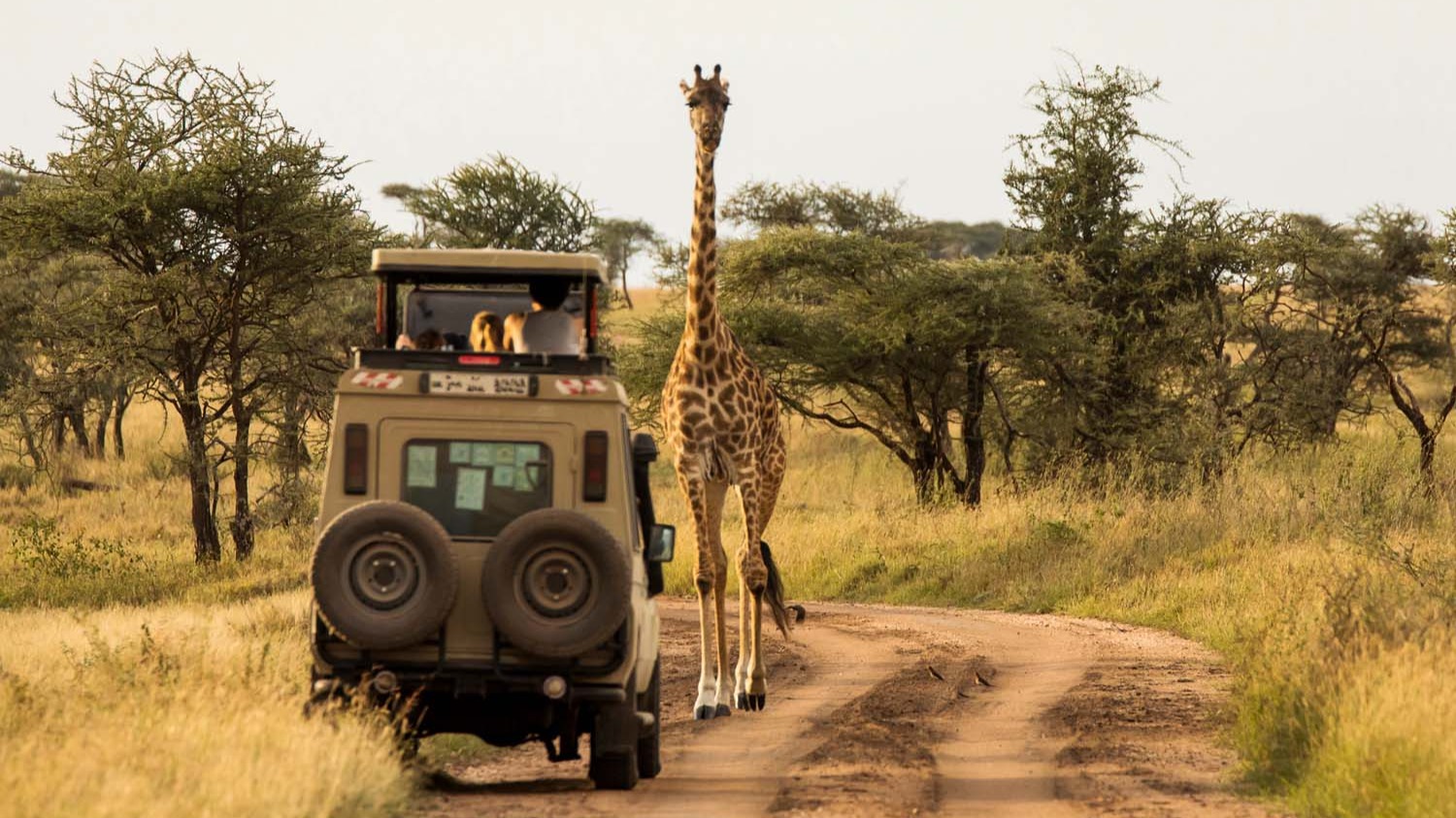
Guided safaris place you in the hands of professional rangers and trackers who spend their lives immersed in the bush. These experts read the landscape with uncanny precision, interpreting subtle signs – a flicked ear in the grass, a distant call – that most visitors would miss. Your days follow a rhythm set by the animals themselves rather than a clock.
Self-drive adventures, by contrast, hand you the steering wheel and the freedom to follow your curiosity. Armed with maps, a good vehicle and perhaps a field guide, you set your own schedule, linger at a waterhole as long as you wish, and discover the bush on your own terms. This independence appeals to those who relish autonomy and the thrill of personal discovery.
Both approaches open windows onto Africa’s astonishing biodiversity, yet they demand different mindsets. The guided option removes logistical headaches and amplifies learning, while self-driving rewards patience, preparation and a willingness to embrace uncertainty.
Cost Comparison: What You Actually Pay
At first glance, self-drive journeys appear significantly less expensive. In South Africa, for example, a week-long self-drive through Kruger National Park might cost between £1,200 and £2,000 per person including vehicle rental, basic accommodation and fuel. The same period in a guided private reserve often begins at £3,500 and can reach £7,000 depending on the level of luxury.
However, these headline figures mask important nuances. Guided experiences typically include all meals, game drives, conservation levies, and transfers, while self-drivers must budget separately for park fees (£20–£50 daily), meals, and specialist guiding if desired. Hidden costs for self-drivers can quickly accumulate: vehicle insurance excesses, mechanical breakdowns in remote areas, and the need for specialist 4x4 recovery services.
Our experience at Encounters Africa shows that many first-timers initially drawn to self-drive options ultimately opt for guided experiences once they understand the true value delivered by skilled professionals. The difference often lies not in the total spend but in what each pound or dollar actually purchases.
A seemingly economical self-drive can become expensive when unexpected challenges arise, whereas a well-structured guided safari delivers consistent value through expertise that cannot be quantified on a spreadsheet.
Wildlife Spotting Success Rates
Professional guides typically achieve sighting rates 40-60% higher than self-drivers, according to data collected across multiple Southern African reserves between 2018 and 2023. Their intimate knowledge of animal behaviour, seasonal movements and subtle tracking signs allows them to locate elusive species that might otherwise remain hidden.
Self-drivers often report greater satisfaction with common sightings – vast herds of impala or troops of baboons – yet frequently miss rarer encounters with leopards, wild dogs or pangolins. The freedom to stop whenever something catches your eye can lead to wonderful photographic opportunities, but it may come at the cost of deeper insights into animal behaviour.
Many travellers discover that combining both approaches yields the richest experience. A guided journey in a private concession followed by a self-drive through a national park offers both expert interpretation and personal exploration.
Safety Considerations for First-Timers
Safety remains paramount whether you travel with guides or independently. Professional operations maintain rigorous vehicle standards, trained medical staff within reach, and established emergency protocols. In regions like the Okavango Delta, where seasonal flooding creates challenging driving conditions, the presence of experienced guides significantly reduces risk.
Self-drivers must possess strong off-road driving skills, mechanical knowledge, and the confidence to handle breakdowns far from assistance. In countries such as Kenya, certain areas require armed rangers for security reasons, making independent travel impractical or prohibited. Always check current travel advisories and park regulations before departure.
Health considerations apply equally to both formats. Malaria prevention, appropriate vaccinations and comprehensive travel insurance should feature prominently in your planning regardless of chosen style.
Skill Requirements and Preparation Needed
Self-drive safaris demand a specific skill set that many first-timers underestimate. Beyond competent driving on unpaved roads, you need proficiency in map reading without reliable GPS, understanding of vehicle maintenance, and the ability to interpret weather patterns that can transform dry riverbeds into impassable torrents within hours.
Guided safaris require no specialist skills beyond an open mind and respect for the environment. Your guide becomes both teacher and protector, allowing you to focus entirely on absorbing the experience rather than managing logistics.
For those considering self-driving, we recommend starting with easily navigable routes in well-developed areas such as South Africa’s Garden Route or the Cape Peninsula before attempting more remote destinations. Building confidence gradually prevents the frustration that can diminish what should be a magical journey.
Freedom and Flexibility: The Independence Factor
The greatest advantage of self-driving lies in its flexibility. You can rise before dawn to catch the first light on a waterhole, spend three hours watching a single pride of lions, or detour to a viewpoint simply because it calls to you. No schedule dictates when you must return to camp or move to the next sighting.
This autonomy particularly suits photographers who require extended time at specific locations or families who prefer a more relaxed pace. Yet this freedom carries responsibility – the need to maintain your own vehicle, navigate unfamiliar terrain, and sometimes make difficult decisions about continuing or turning back.
Guided experiences offer a different kind of freedom: liberation from logistical concerns. With everything arranged, you can immerse yourself fully in the moment, asking questions, learning, and simply being present with the wild.
True freedom on safari often comes not from holding the steering wheel, but from releasing the thousand small worries that accompany independent travel in remote wilderness.
Which Format Suits Different Traveller Types?
Guided safaris tend to appeal to those who value learning, comfort and maximising wildlife encounters. First-time visitors, photography enthusiasts seeking expert positioning, honeymooners wanting seamless romance, and anyone short on time often find this format most rewarding.
Self-drive adventures attract independent spirits, returning visitors familiar with African travel, those on extended journeys, and travellers who enjoy the challenge of navigating their own path. Couples or small groups with strong driving experience and a sense of adventure frequently thrive in this environment.
Families with young children often benefit from guided experiences where rangers can tailor activities and maintain safety, while older teenagers may relish the responsibility and discovery of self-driving.
Common Questions About Choosing Your Safari Style
What is the best option for complete beginners to African wildlife? For those new to the continent, guided safaris consistently deliver higher satisfaction. Professional interpretation transforms what might appear as random animals into a coherent story of survival, adaptation and ecological balance. The learning curve becomes a pleasure rather than a challenge.
Can I combine both approaches in one journey? Absolutely. Many of our most memorable itineraries blend three nights of guided luxury in a private reserve with four days of self-driving through a national park. This hybrid model captures the strengths of each format while mitigating their limitations.
How much driving experience do I need for self-drive safaris? At minimum, you should feel confident driving a manual transmission vehicle on dirt roads and have experience with off-road conditions. Familiarity with changing a tyre in challenging conditions proves invaluable. If these skills feel unfamiliar, guided travel offers greater peace of mind.
Practical Tips for Making Your Decision
Begin by honestly assessing your comfort with uncertainty. If the thought of a punctured tyre 50 kilometres from the nearest mechanic fills you with dread, guided travel will likely suit you better. Conversely, if you relish solving problems and discovering places on your own, self-driving may prove deeply rewarding.
Consider your wildlife priorities. Those desperate to see specific species – particularly elusive predators – benefit enormously from guides who know exactly where and when to look. Birdwatchers and those fascinated by smaller creatures often appreciate the time self-driving affords for quiet observation.
Budget realistically, factoring in what matters most to you. Sometimes paying more for guidance actually represents better value when measured against the depth of experience gained. Speak with specialists who understand both formats intimately before committing.
Research specific destinations carefully. The excellent road network and infrastructure in parts of South Africa make self-driving particularly accessible there, while countries with more challenging conditions or security considerations often work better with professional operators.

Choosing Your African Safari Adventure
Ultimately, neither guided safaris nor self-drive journeys hold universal superiority. The ideal choice depends on your personality, experience level, available time, and what you hope to gain from your time in Africa. Many travellers find that their first journey informs future decisions, leading to increasingly personalised and meaningful returns to the continent.
At Encounters Africa we have witnessed how the right format can transform a good safari into an experience that resonates for years. Our deep understanding of both guided and self-drive options across Southern and East Africa allows us to match each traveller with their perfect journey.
For discerning travellers seeking a private safari beyond our set itineraries, we invite you to contact us directly. We specialise in designing exceptional, tailor-made journeys for individuals, couples, families, and private groups of up to eight guests. Drawing on our handpicked network of distinguished camps and lodges, we curate every detail with precision and care, creating a seamless, deeply personal safari experience shaped entirely around your preferences, pace, and budget.
Whether you ultimately choose the expert guidance of a professional tracker in the Duba Plains Camp or the independence of exploring the Masai Mara at your own pace, the African wilderness awaits with stories written in tracks, calls and changing light. The question is not which format is better, but which will help you hear those stories most clearly.
Visit our enquiry form to begin a conversation about your perfect African encounter. Our team looks forward to helping you choose the journey that will stay with you forever.
More like this
tips and advice
Helpful tips for your visit to Buffalo Springs National Reserve
tips and advice
How a Safari Travel Designer Translates Your Six-Question Enquiry into a Precise Itinerary
tips and advice
How a Top Safari Guide Reads the Bush in Real Time
tips and advice
How Camp Choice, Transfers and Park Fees Shape Your Luxury Safari Bill
tips and advice
How Local Knowledge Transforms Your Shots of Uganda’s Wildlife
tips and advice