tips and advice
Deciding Between eSIM and Local SIM Cards for Reliable Safari Connectivity
Encounters Africa - 8 min read
Updated on 19 August 2026
From remote waterhole sundowners to tracking rare sightings in real time, staying connected on safari demands the right data choice. We compare eSIM convenience against local SIM reliability across key African reserves. For the modern traveller venturing into the Okavango Delta or the vast plains of the Masai Mara, reliable signal can mean sharing a leopard sighting instantly or simply reassuring loved ones back home.
The question of eSIM versus local SIM cards for safari connectivity has become increasingly relevant as more lodges and conservancies embrace digital tools for wildlife monitoring and guest communication. A clear factual summary: eSIMs offer instant activation and multi-network flexibility ideal for multi-country journeys, while local SIMs often deliver stronger coverage in remote areas through established regional providers, with data packages starting from as little as $5 for 5GB in countries like Kenya and South Africa.

Understanding Safari Connectivity Challenges Across Southern and East Africa
Safari landscapes present unique hurdles for mobile signals. Vast wilderness areas, seasonal flooding in the Botswana wetlands, and thick acacia thickets in the Kenyan highlands can all weaken reception. Many travellers underestimate how patchy coverage becomes once you leave major hubs like Maun or Nairobi.
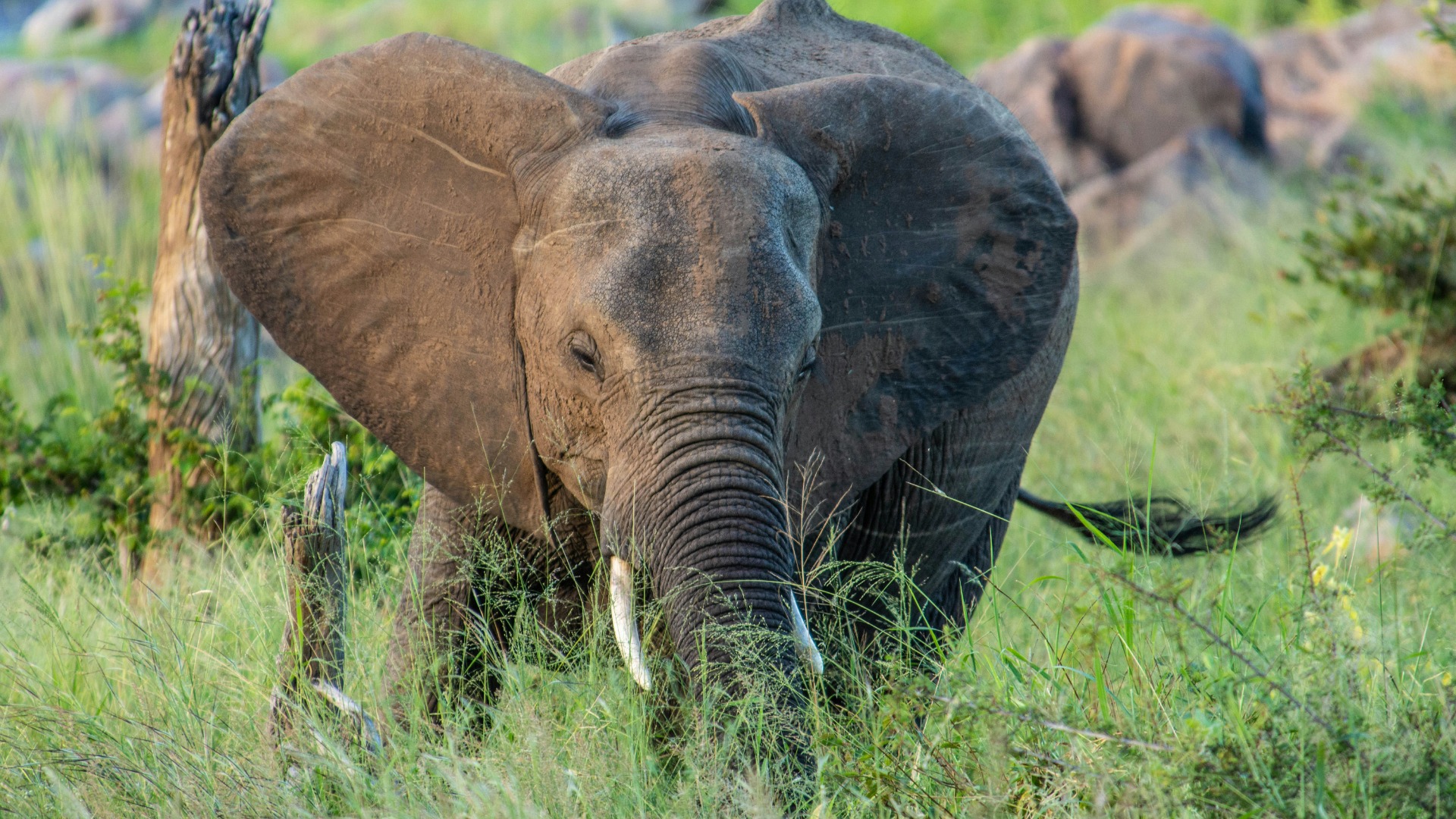
During the dry season from June to October, when game viewing peaks, lodges in places like the Moremi Game Reserve may rely on satellite backups, yet guests still need personal data for navigation apps, weather updates, and sharing photographs. The sensory thrill of watching elephants at a waterhole loses none of its magic when you can discreetly message your guide about a nearby sighting without disrupting the moment.
The African bush has a way of reminding us that true connection happens beyond screens, yet the ability to reach emergency services or loved ones brings peace of mind that enhances rather than diminishes the experience.
What Are eSIMs and How Do They Work for African Safaris?
An eSIM is an embedded digital SIM that allows you to download cellular plans without physically swapping cards. Major providers like Airalo, Holafly, and Nomad offer Africa-specific bundles covering multiple countries with data allowances from 1GB to 20GB, valid for periods ranging from seven to 30 days.
For a journey that might begin in Johannesburg, move through the South Africa highlands and continue into Zambia’s remote valleys, an eSIM eliminates the need to hunt for local vendors upon arrival. Activation happens via QR code before departure, often with automatic network selection that switches to the strongest signal available.
Advantages of eSIMs for Multi-Country Itineraries
Travellers crossing borders between Kenya, Tanzania, and Uganda benefit enormously from eSIM flexibility. Plans covering the East African Community can maintain connectivity without repeated purchases, saving valuable time better spent on game drives. Costs typically range between $15 and $45 depending on data volume and validity period.
Many eSIM providers partner with local networks including Safaricom, MTN, and Vodacom, ensuring reasonable speeds for uploading high-resolution wildlife photographs taken during golden hour. The convenience becomes particularly apparent when your itinerary includes both urban touchpoints like Nairobi and deep bush experiences.
Local SIM Cards: Traditional Reliability in Remote African Reserves
Local SIM cards remain the preferred choice for many seasoned safari guides and photographers who need dependable coverage in areas where eSIMs sometimes struggle. Purchased at airports or towns like Kasane in Botswana or Arusha in Tanzania, these physical cards connect directly to established towers optimised for regional conditions.
In Zambia and parts of northern Botswana, providers such as Airtel and Zamtel have invested in expanding coverage along wildlife corridors. A typical 10GB package might cost around $8-12 and last 30 days, often including bonus minutes for local calls that prove useful when coordinating with camp staff.
Nothing quite matches the satisfaction of watching a lion pride hunt at dusk while knowing your family can see the moment through a quick video call, made possible by choosing the connectivity option that matches your specific itinerary.
Where Local SIMs Excel on Safari
Certain remote concessions such as the Selinda Reserve or the Chobe River Front benefit from local network infrastructure that prioritises voice and basic data over tourist-focused eSIM roaming agreements. In these areas, a local SIM can mean the difference between uploading a photograph of a rare sable antelope and waiting until returning to camp.
Local providers frequently offer better value for longer stays exceeding two weeks, with top-up options available through simple USSD codes that function even with limited signal. This practical reliability appeals particularly to travellers who prefer to minimise digital complexity while maximising time immersed in nature.
Direct Comparison: eSIM vs Local SIM for Safari Signal Strength and Coverage
When deciding between these options, several factors deserve consideration. Coverage maps from GSMA and OpenSignal show that in popular safari destinations, local SIMs generally provide 15-25% stronger signal in areas beyond 20 kilometres from major roads. However, eSIMs have narrowed this gap significantly since 2022 with improved partnerships.
Data speeds average 8-15 Mbps on 4G networks across both options in well-covered regions like the Masai Mara during peak season, though both can drop to 2G levels in deep bush. Battery consumption tends to be higher with eSIMs during network searching, an important consideration for multi-day mobile camping experiences.
Cost Breakdown for a Typical 14-Day Safari
For a two-week journey across Kenya and Tanzania, an eSIM might cost between $25 and $40 for 12GB of data. A local SIM purchased in Nairobi could provide similar or greater data allowance for approximately $15, though it requires time to acquire and activate upon arrival.
Additional costs for local SIMs include potential roaming charges when crossing borders, whereas many eSIM plans include seamless regional coverage. The choice often comes down to whether convenience or marginal cost savings matters more to your particular journey.
Which Option Works Best for Different Safari Styles?
The ideal choice depends heavily on your specific safari plans. For first-time visitors staying primarily at well-established lodges with WiFi backups, an eSIM offers unmatched simplicity. Those undertaking mobile safaris or self-driving through remote areas may find a local SIM provides greater peace of mind.
Photographers tracking the Great Migration across the Mara River or researchers monitoring collared predators in Laikipia often prefer dual approaches, maintaining both options to ensure uninterrupted connectivity for sharing time-sensitive observations with conservation teams.
In the heart of the African wilderness, where ancient rhythms still govern daily life, the right connectivity choice allows us to honour both tradition and technology in perfect balance.
Practical Tips for Optimising Signal on Safari
Regardless of your choice, several strategies improve connectivity. Positioning yourself on elevated ground during sundowners, using signal-boosting apps, and downloading offline maps before departure all contribute to better experiences. Many luxury camps now offer portable WiFi devices as part of their service, complementing personal mobile solutions.
Consider bringing a basic unlocked phone as backup and always inform your mobile provider about travel plans to avoid unexpected blocks. Testing your chosen solution in a major city before heading into the bush allows time for adjustments.
Future Developments in African Safari Connectivity
Starlink’s expansion across Southern and East Africa promises to transform connectivity in the most remote concessions by 2025, potentially making both eSIM and local SIM limitations less relevant. Several pioneering lodges in the Laikipia region have already begun testing satellite internet integration with guest experiences.
Until these technologies become widespread, understanding the strengths of both eSIM and local SIM options remains essential for travellers seeking to balance immersion in wild places with responsible connection to the wider world. Conservation organisations increasingly rely on real-time data sharing, meaning your choice of connectivity can indirectly support anti-poaching efforts and wildlife monitoring programmes.

Choosing Your Perfect Safari Connection with Encounters Africa
Whether you ultimately select an eSIM for its seamless convenience or a local SIM for its proven reliability in the bush, the most important consideration remains maintaining the delicate balance between technology and wilderness immersion. The African safari experience thrives on presence and wonder, qualities that no signal strength can replace yet which thoughtful connectivity can enhance.
At Encounters Africa we understand these nuances deeply, having guided thousands of travellers through both iconic and little-known corners of the continent. Our team stays current with evolving network capabilities across reserves from the Volcanoes National Park to the Makgadikgadi salt pans, ensuring every journey we design accounts for practical connectivity needs alongside unforgettable wildlife encounters.
For discerning travellers seeking a private safari beyond our set itineraries, we invite you to contact us directly. We specialise in designing exceptional, tailor-made journeys for individuals, couples, families, and private groups of up to eight guests. Drawing on our handpicked network of distinguished camps and lodges, we curate every detail with precision and care, creating a seamless, deeply personal safari experience shaped entirely around your preferences, pace, and budget.
Begin planning your African safari journey with Encounters Africa today. Our specialists will help you navigate not only the perfect camps and experiences but also the practical considerations that ensure your time in the wild feels both connected and profoundly free.
More like this
tips and advice
Embrace the Chill: Why Winter Safaris in South Africa Offer Unforgettable Encounters
tips and advice
Essential Tips for an Unforgettable Journey to Kenya
tips and advice
Exploring Stellenbosch: Your Essential Guide to a Cape Winelands Journey
tips and advice
Exploring Zambia: Essential Tips and Advice for Your African Journey
tips and advice
First-Timer's Guide: Choosing Between Guided Safaris and Self-Drive Adventures in Africa
tips and advice