tips and advice
Helpful tips for your visit to Buffalo Springs National Reserve
Encounters Africa - 9 min read
Updated on 1 May 2026
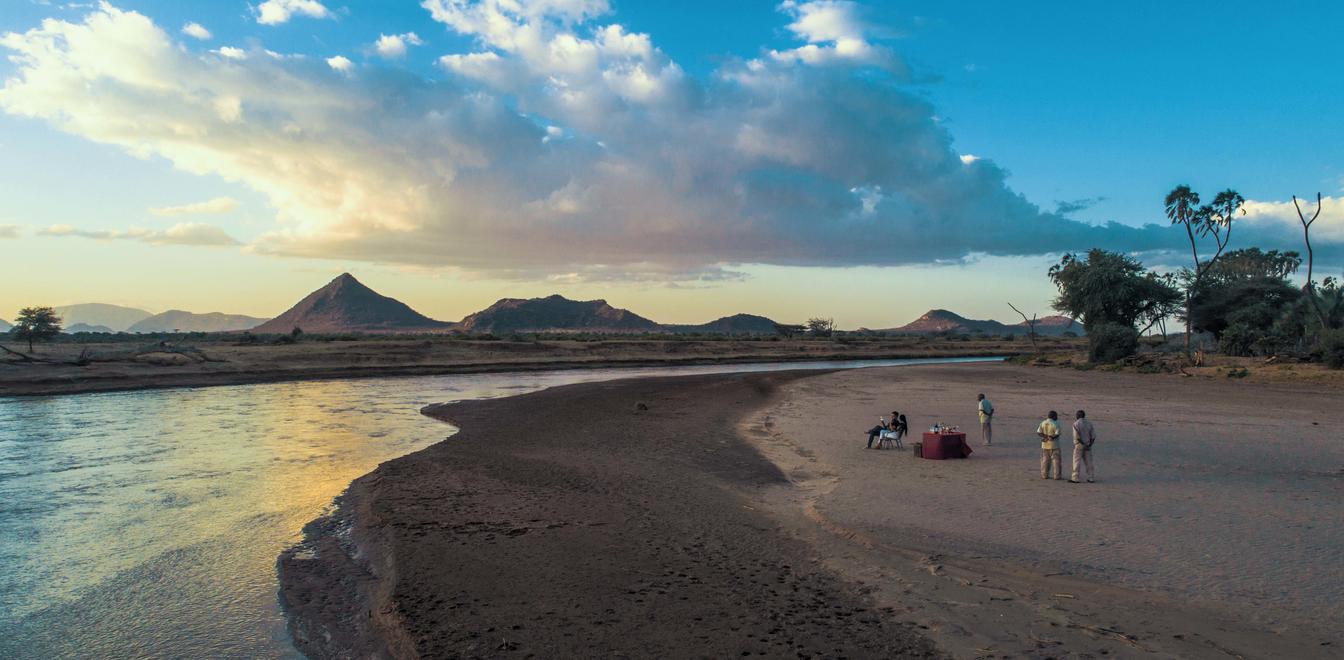
Nestled in the arid lands of northern Kenya, Buffalo Springs National Reserve offers a captivating safari experience distinct from the more frequented parks. This remarkable reserve, often overshadowed by its famous neighbours, is a haven of unique wildlife and stunning landscapes, making it a truly special destination for discerning travellers. Its lifeblood, the Ewaso Ng'iro River, carves a verdant ribbon through the semi-desert, attracting a diverse array of species.
For those seeking a private safari beyond our set itineraries, we would be delighted to hear from you directly. We specialise in creating beautifully tailored journeys for solo travellers, couples, families, and private groups of up to eight guests. Through our trusted network of carefully selected camps and lodges, we craft each safari around your individual interests, preferred pace, and budget, ensuring a seamless and deeply personal experience from beginning to end.
Understanding Buffalo Springs National Reserve
Buffalo Springs National Reserve is a protected area in Kenya, situated in the country's northern region. It lies adjacent to the Samburu National Reserve and Shaba National Reserve, forming a trio of wilderness areas that share the same ecosystem and the vital Ewaso Ng'iro River. Established in 1948, the reserve spans approximately 131 square kilometres, offering a more intimate and less crowded safari experience.
The reserve is characterised by its mix of acacia woodlands, riverine forests, and open plains, with the permanent waters of the Ewaso Ng'iro River being its most defining feature. This river not only sustains the wildlife but also creates a striking contrast with the surrounding dry landscape. The name 'Buffalo Springs' derives from an oasis of clear water at the reserve's southern end, which historically attracted large herds of buffalo.
Buffalo Springs National Reserve offers a unique window into Kenya's northern wilderness, where rare species thrive amidst a landscape of striking contrasts and ancient rhythms.
Unique Wildlife and Landscape
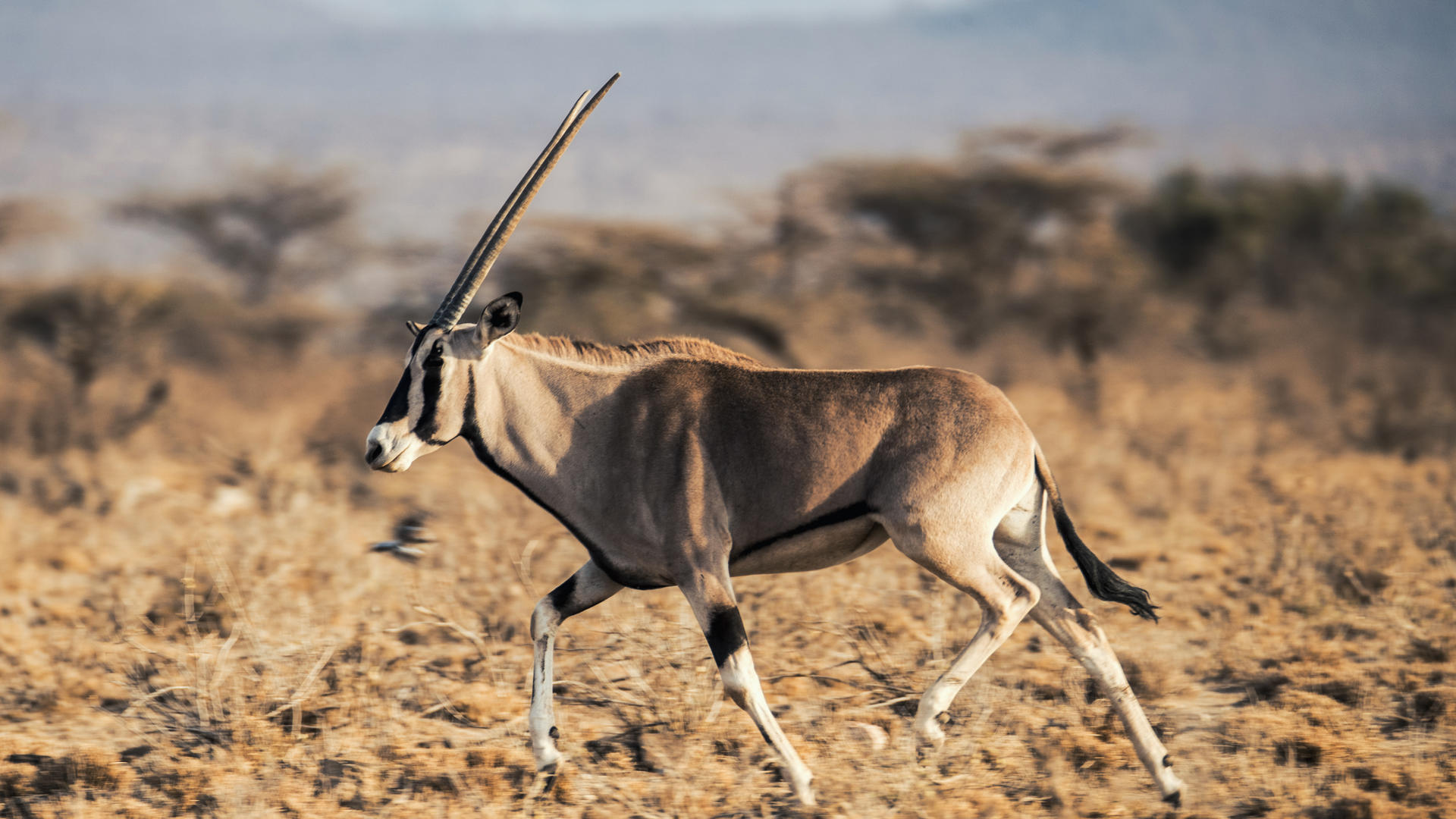
What sets Buffalo Springs apart is its population of 'Samburu Special Five' – species endemic to this northern region. These include the Grevy's zebra, reticulated giraffe, Beisa oryx, Somali ostrich, and the gerenuk. Spotting these magnificent animals is a highlight for many visitors, offering a different wildlife viewing experience compared to southern Kenyan parks.
Beyond these unique species, the reserve is home to a healthy population of elephants, lions, leopards, cheetahs, and various antelopes. The riverine environment also supports a rich birdlife, with over 350 species recorded, making it a birdwatcher's paradise. The landscape itself, with its volcanic rocks, doum palms, and the meandering river, provides a dramatic and beautiful backdrop for wildlife encounters.
Best Time to Visit Buffalo Springs National Reserve
Choosing the right time for your safari to Buffalo Springs National Reserve can significantly enhance your experience. The reserve experiences two main seasons: the dry season and the wet season, each offering distinct advantages for wildlife viewing and overall enjoyment.
Dry Season: June to October
The dry season, running from June to October, is generally considered the best time to visit. During these months, the vegetation is sparse, and animals congregate around permanent water sources like the Ewaso Ng'iro River and the Buffalo Springs. This makes wildlife much easier to spot and observe.
The weather is typically hot and dry, with clear skies, ideal for game drives and photography. However, temperatures can be quite high, especially in September and October. This period also coincides with the Great Migration in the Masai Mara, so combining a visit to Buffalo Springs with other destinations can offer a comprehensive Kenyan safari.
Wet Season: November to May
The wet season is divided into two periods: the short rains from November to December, and the long rains from March to May. During these months, the landscape transforms into a lush, green paradise, and migratory birds arrive, making it excellent for birdwatching. The air is clear, offering stunning photographic opportunities of the vibrant scenery.
While wildlife viewing can be more challenging due to thicker vegetation and animals dispersing away from water sources, this period offers a sense of solitude and fewer crowds. Roads can become muddy and challenging, especially during the peak of the long rains, so a 4x4 vehicle is essential. For those seeking a quieter, more verdant safari with a focus on birdlife, the wet season can be incredibly rewarding.
Getting There and Around
Accessing Buffalo Springs National Reserve requires some planning, but the journey itself is part of the adventure, offering glimpses of Kenya's diverse landscapes. Once inside, navigating the reserve is primarily done via organised game drives.
Travel Options to the Reserve
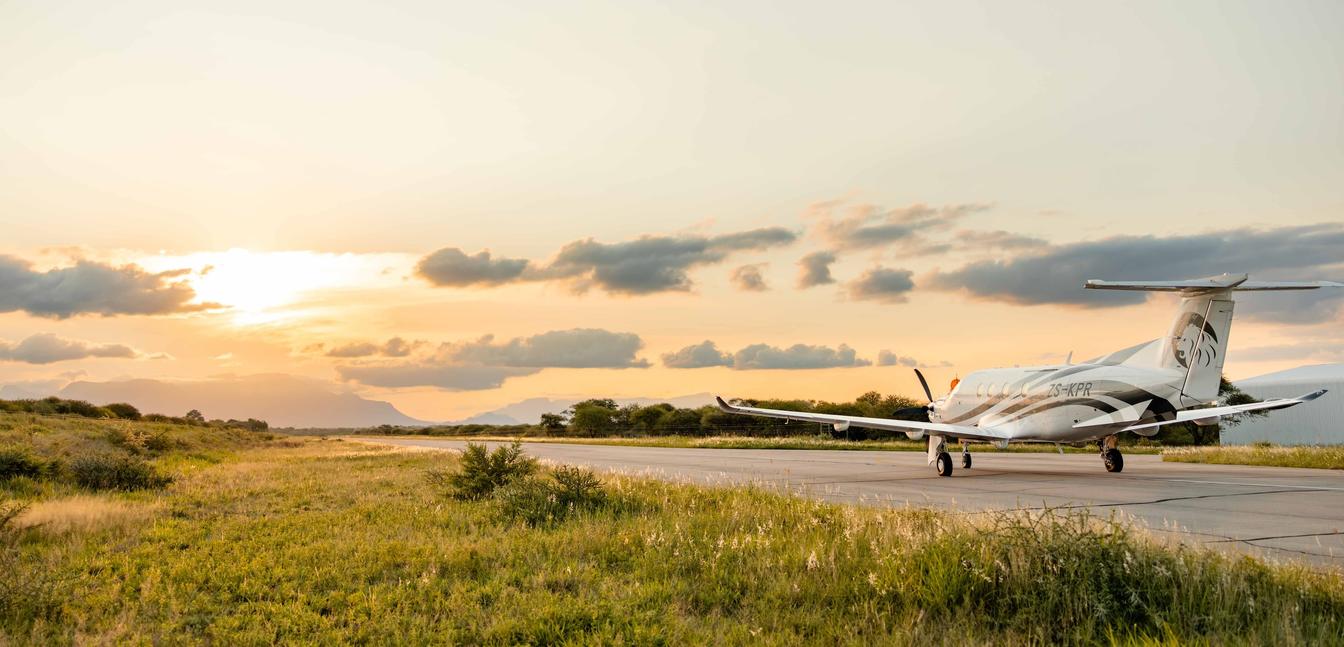
The most common way to reach Buffalo Springs National Reserve is by air. Samburu National Reserve has several airstrips, such as Samburu Airstrip and Buffalo Springs Airstrip, which are served by daily scheduled flights from Nairobi's Wilson Airport. The flight takes approximately 1.5 hours, followed by a short transfer to your chosen lodge or camp within the reserve or its immediate vicinity.
Alternatively, one can travel by road from Nairobi, a journey that typically takes 5-6 hours. While longer, a road trip offers the chance to see more of the Kenyan countryside. However, roads can be rough, especially as you approach the reserve, so a sturdy 4x4 vehicle is highly recommended. Encounters Africa can arrange all aspects of your transfer, ensuring a comfortable and safe journey.
Navigating the Reserve
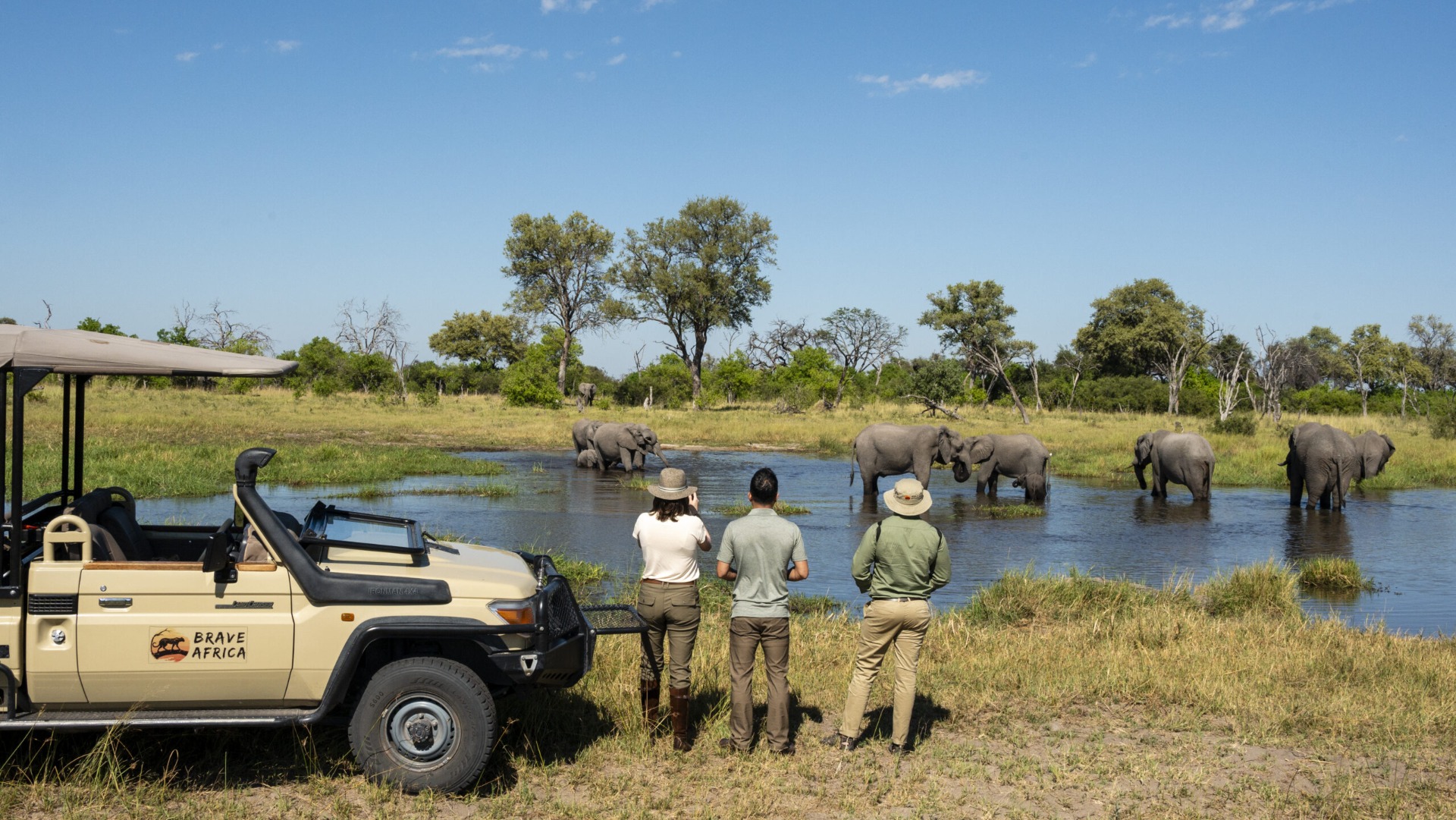
Within Buffalo Springs National Reserve, game drives are the primary mode of exploration. Most lodges and camps offer daily morning and afternoon game drives in open-sided 4x4 vehicles, led by experienced local guides. These guides possess an intimate knowledge of the area and its wildlife, significantly enhancing your chances of memorable sightings.
It is generally not advisable to self-drive within the reserve unless you are highly experienced in off-road driving and have a well-equipped vehicle. The tracks can be challenging, and getting lost or stuck is a real possibility. For a seamless and stress-free safari, relying on the expertise of professional guides and drivers is always the best option.
Accommodation and Safari Activities
Buffalo Springs National Reserve and its neighbouring conservancies offer a range of accommodation options, from luxurious tented camps to more rustic lodges, ensuring there's something for every preference. The activities available are designed to immerse you fully in the wilderness experience.
Where to Stay
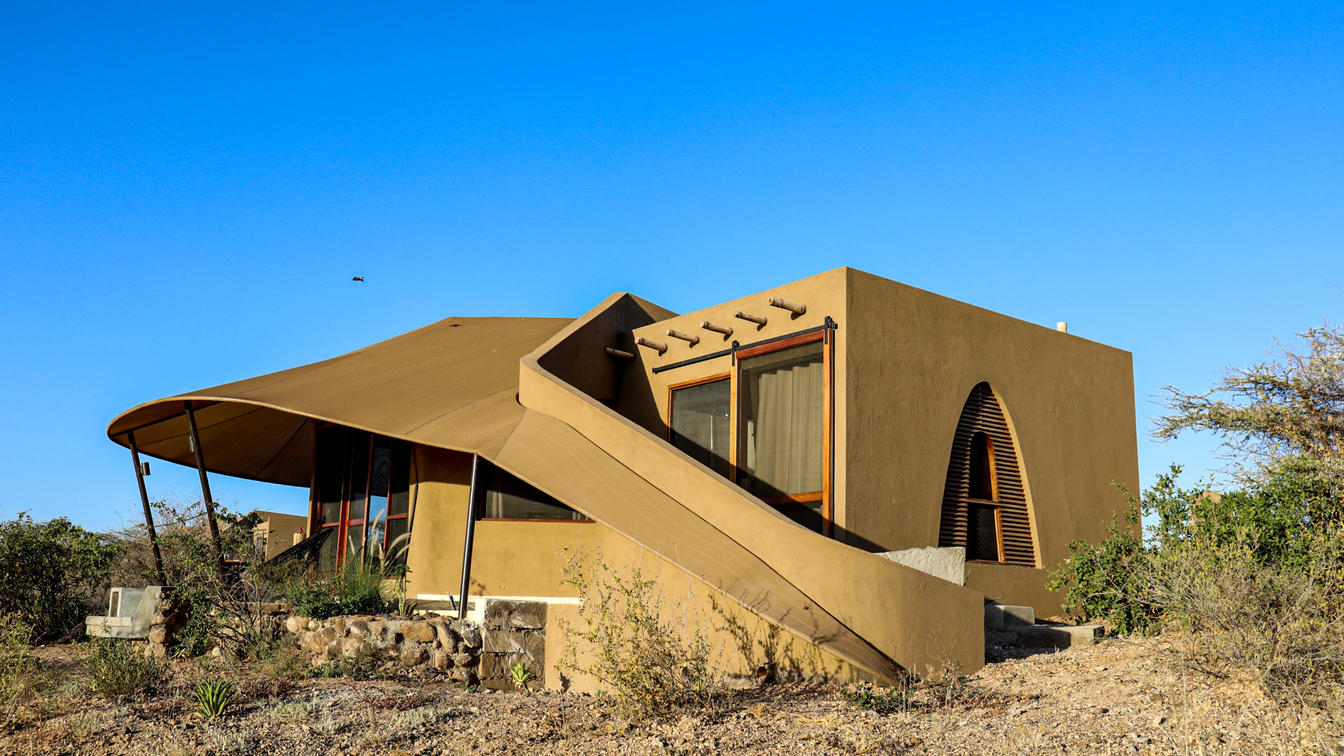
Accommodation within or near Buffalo Springs National Reserve tends to be intimate and blends harmoniously with the natural environment. Many camps are situated along the Ewaso Ng'iro River, offering stunning views and excellent opportunities for wildlife viewing right from your verandah. Options range from classic tented camps that evoke a bygone era of safari to more contemporary lodges with modern amenities.
For example, lodges like Elewana Larsens Camp (though located in Samburu, it's a prime example of the quality available in the region) offer a luxurious base from which to explore. When booking with Encounters Africa, we carefully select lodges and camps that align with your expectations for comfort, service, and safari experience, ensuring an authentic and enriching stay.
Safari Activities to Enjoy
Game Drives: The cornerstone of any safari, morning and afternoon game drives offer the best opportunities to spot the 'Samburu Special Five' and other iconic African wildlife. Night drives, offered by some private conservancies, provide a chance to see nocturnal animals.
Guided Bush Walks: Explore the smaller wonders of the bush on foot with an armed ranger. Learn about tracking, local flora, and the intricate ecosystems often missed from a vehicle.
Birdwatching: With over 350 bird species, Buffalo Springs is a fantastic destination for ornithologists. Guided bird walks or dedicated birding drives can be arranged.
Cultural Visits: Engage with the local Samburu community to learn about their rich traditions, vibrant attire, and semi-nomadic way of life. These visits offer a profound cultural immersion.
Sundowners and Bush Meals: Enjoy a refreshing drink as the sun sets over the African plains or dine under a canopy of stars, adding a touch of romance and adventure to your safari.
Camel Safaris: For a unique perspective, some camps offer short camel treks, allowing you to traverse the landscape in a traditional manner.
Essential Packing and Health Tips
Preparing adequately for your safari to Buffalo Springs National Reserve is crucial for a comfortable and enjoyable journey. Consider the climate, activities, and remote nature of the destination when packing and planning for your health.
What to Pack
Clothing: Lightweight, breathable clothing in neutral colours (khaki, olive, brown) is ideal for game drives. Long sleeves and trousers are recommended for evenings to protect against insects. A warm fleece or jacket is essential for early morning and evening game drives, as temperatures can drop significantly.
Footwear: Comfortable walking shoes or hiking boots for bush walks, and sandals or flip-flops for relaxing at camp.
Sun Protection: A wide-brimmed hat, sunglasses, and high-SPF sunscreen are vital due to the strong equatorial sun.
Insect Repellent: A strong insect repellent containing DEET is highly recommended, especially for evenings.
Camera Gear: Binoculars are a must for wildlife viewing. A good camera with a telephoto lens will capture incredible shots. Don't forget extra batteries, memory cards, and a dust-proof bag.
Personal Medications: Bring any prescription medications you need, along with a basic first-aid kit for minor ailments.
Small Backpack: Useful for day trips, carrying water, snacks, and personal items.
Health and Safety Considerations
Before travelling to Buffalo Springs National Reserve, consult your doctor about necessary vaccinations and malaria prophylaxis. The reserve is located in a malaria-risk area, so taking anti-malarial medication is advised. Always follow your doctor's recommendations.
Stay hydrated by drinking plenty of bottled water, especially during the dry season. Protect yourself from the sun to prevent heatstroke and sunburn. It's also wise to have comprehensive travel insurance that covers medical emergencies and evacuation. Encounters Africa prioritises your safety and well-being, working with reputable lodges and operators who adhere to strict safety standards.
Conclusion: Your Unforgettable Safari Awaits
Visiting Buffalo Springs National Reserve offers an authentic and rewarding safari experience, far from the madding crowds. Its unique 'Samburu Special Five', diverse landscapes, and rich cultural encounters make it an exceptional destination for those seeking something truly special in Kenya. By following these tips and entrusting your journey to Encounters Africa, you are assured of a meticulously planned and unforgettable adventure.
We invite you to embark on a safari that transcends the ordinary, where every detail is curated to your desires. Let Encounters Africa craft your bespoke journey to Buffalo Springs National Reserve, allowing you to immerse yourself fully in the magic of this incredible wilderness. Contact us today to begin planning your dream safari.
A safari to Buffalo Springs is an invitation to connect with the wild heart of Africa, to witness nature's resilience, and to create memories that will last a lifetime.
More like this
tips and advice
How a Safari Travel Designer Translates Your Six-Question Enquiry into a Precise Itinerary
tips and advice
How a Top Safari Guide Reads the Bush in Real Time
tips and advice
How Camp Choice, Transfers and Park Fees Shape Your Luxury Safari Bill
tips and advice
How Local Knowledge Transforms Your Shots of Uganda’s Wildlife
tips and advice
How Much Cash Should You Hand Your Safari Guide at Trip's End
tips and advice