Tips & Advice
Deciding Between Mobile Tented Camps and Fixed Luxury Lodges in Africa
Encounters Africa - 9 min read
Updated on 13 August 2026
Choosing between a mobile tented camp and a fixed luxury lodge shapes the very rhythm of an African safari. For many travellers the decision hinges on how deeply they wish to immerse in the wild versus the appeal of polished comforts after long days tracking wildlife. This guide explores the practical differences to help you decide which style aligns with your expectations for an unforgettable journey across the continent.
A mobile tented camp offers seasonal flexibility and a closer connection to nature, often relocating to follow animal movements, while a fixed luxury lodge provides consistent refinement, extensive facilities and a sense of permanence. The best choice depends on travel dates, preferred activities, group composition and tolerance for varying levels of adventure. Encounters Africa regularly helps clients weigh these options when designing personalised safaris.

What Is a Mobile Tented Camp?
Mobile tented camps are designed to move with the seasons, allowing guests to experience different landscapes within a single itinerary. In East Africa, for example, camps follow the Masai Mara wildebeest migration, shifting location as the herds cross from Tanzania into Kenya. These camps typically accommodate 6 to 12 guests, creating an intimate atmosphere where the bush feels immediate.
Accommodation consists of spacious canvas tents raised on platforms, equipped with proper beds, en-suite bathrooms and thoughtful touches such as solar-powered lighting. Staff dismantle and rebuild the entire camp every few months, following strict environmental protocols to leave no trace. The emphasis remains on authentic immersion rather than fixed infrastructure.
The canvas walls may separate you from the night sounds of Africa, yet they never fully insulate you from them – and that is precisely the point.
Key Characteristics of Mobile Camps
Most mobile operations run on a light footprint with solar power, limited electricity and no permanent structures. Game drives, walking safaris and even fly-camping extensions become natural extensions of the experience. Because the camps move, they can position themselves in prime locations that fixed properties cannot always access, particularly during peak migration periods.
Service tends to be highly personalised. With fewer guests, guides and staff develop genuine rapport, often sharing stories around the campfire that linger long after the journey ends. Many travellers value this flexibility, especially when visiting remote concessions in Botswana or the private conservancies bordering the Masai Mara.
What Defines a Fixed Luxury Lodge?
Fixed luxury lodges occupy established sites year-round, offering refined architecture that blends with the surrounding landscape. Stone, thatch, timber and glass create elegant spaces where guests return each evening to plunge pools, spa facilities, libraries and wine cellars. These properties invest heavily in their locations, often securing long-term conservation agreements with local communities or governments.
Accommodation ranges from private villas with private decks overlooking waterholes to lavish suites with indoor and outdoor showers. Because the lodge remains in place, operators can develop deeper knowledge of their specific concession, resulting in exceptional guiding and habituated animal sightings in certain areas. Properties such as Duba Plains Camp in the Okavango Delta exemplify this permanent presence, offering consistent access to iconic landscapes.
Facilities and Service Standards
Permanent lodges typically provide more amenities: multiple dining venues, dedicated children’s programmes, fitness facilities and sometimes even conference spaces for small groups. The level of finish often includes air conditioning, underfloor heating in higher-altitude areas, and extensive wine lists. Service ratios frequently reach one staff member per guest, delivering seamless attention to detail.
Many fixed lodges also support long-term conservation projects, employing resident researchers, anti-poaching teams and community development officers. Guests can participate in these initiatives, gaining insight into the complex work required to protect Africa’s wilderness areas for future generations.
A fixed lodge offers the reassuring knowledge that the waterhole you watched at dawn will still be there at dusk, with its cast of characters evolving throughout the day.
Comparing Immersion, Comfort and Wildlife Access
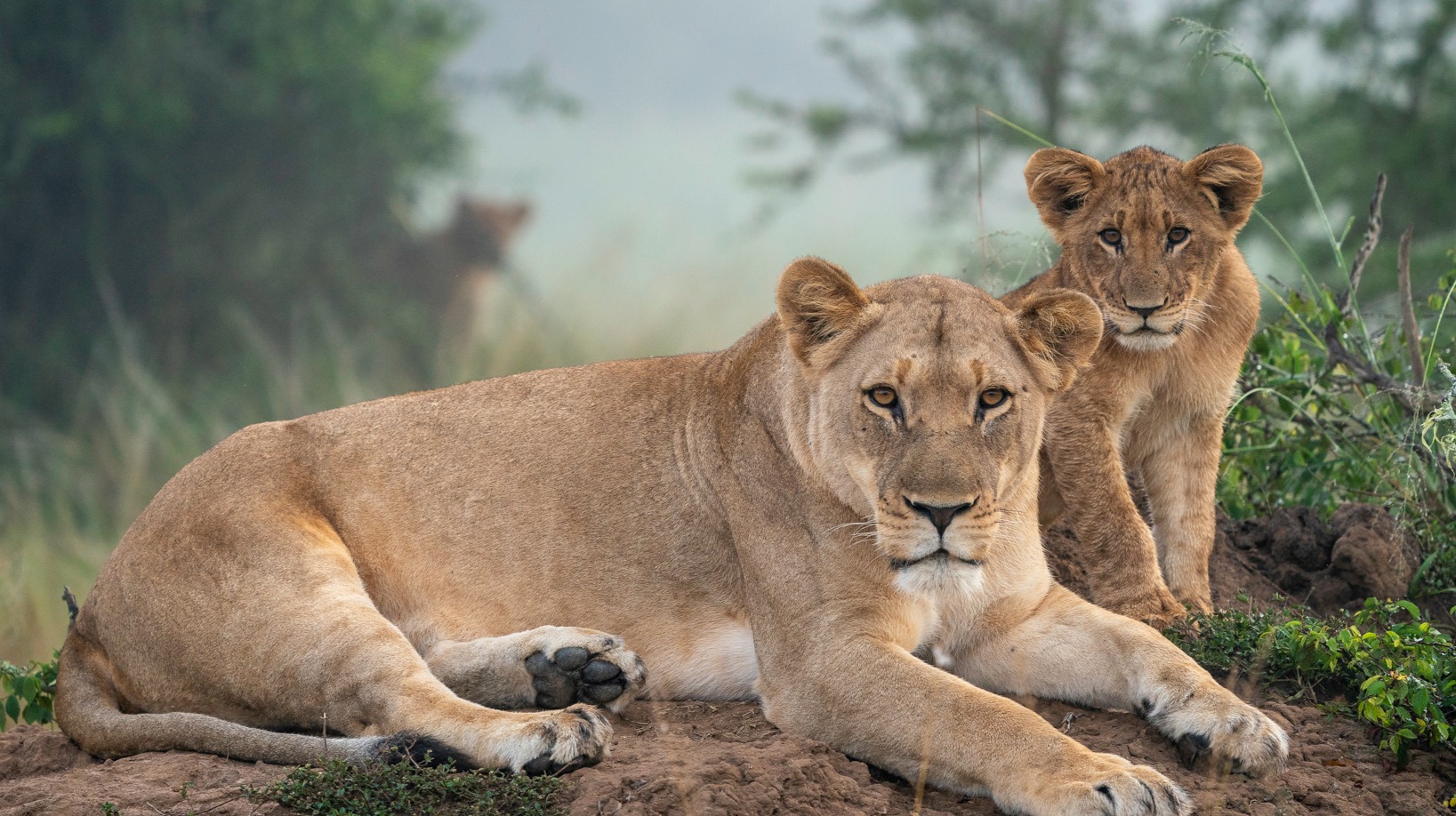
The core difference lies in the balance between immersion and comfort. Mobile tented camps place guests closer to the rhythms of the bush. Lions may circle the camp at night, hyenas call nearby, and the canvas amplifies every sound. This proximity creates a visceral connection that many seasoned safari travellers seek.
Fixed luxury lodges counter with refined spaces that allow recovery after dusty game drives. After tracking cheetahs across the plains, guests can enjoy a massage or swim before a multi-course dinner served on a lantern-lit deck. The trade-off is slightly less immediacy, although many lodges maintain exceptional wildlife viewing from their own grounds.
Wildlife access varies by location rather than camp type. Both formats can deliver outstanding sightings when situated in premier concessions. However, mobile camps often secure exclusive access to private areas during specific seasons, while fixed lodges develop intimate knowledge of resident prides and herds on their doorstep.
Privacy, Flexibility and Best Time to Visit
Privacy levels differ markedly. Mobile camps, with their limited number of tents, naturally feel more exclusive. Guests often have the entire camp to themselves if travelling as a private group – a popular option for families or multi-generational journeys. Fixed lodges may accommodate 20 to 40 guests, although many maintain private villas and dedicated dining areas to preserve a sense of seclusion.
Seasonal flexibility stands as one of the strongest advantages of mobile camps. They can follow the rains or the migration, offering green-season specials in areas that transform dramatically between dry and wet months. Fixed lodges remain constant, making them ideal for travellers with inflexible schedules or those seeking specific facilities during particular times of year.
The best time to visit depends on priorities. For migration viewing in Kenya and Tanzania, mobile camps positioned near river crossings during July to October deliver front-row seats. In Botswana’s Okavango Delta, permanent lodges provide reliable access to water-based activities even as floodwaters rise and fall.
Which Option Suits Different Types of Travellers?
Couples celebrating special occasions often gravitate toward fixed luxury lodges for their romance and polished service. Families with younger children tend to appreciate the stability and additional facilities that permanent camps provide. Experienced safari enthusiasts and photographers frequently prefer mobile camps for their ability to access remote areas and follow wildlife patterns more closely.
Private groups benefit enormously from exclusive mobile camps, allowing them to set their own schedule without compromise. Solo travellers or those seeking educational depth may find the expert naturalist guides at both types of property equally rewarding, although mobile operations often attract more specialist guides focused purely on wildlife.
Whether canvas or stone, the true luxury lies in the quality of guiding and the conservation ethos that underpins every responsible operator.
Common Questions About Mobile Camps Versus Luxury Lodges
How much do mobile tented camps cost compared with fixed luxury lodges?
Daily rates for both typically range from $1,200 to $3,500 per person sharing, depending on location, season and operator. Mobile camps may appear more expensive during peak migration periods due to their exclusivity and logistics, while many fixed lodges offer shoulder-season value with enhanced facilities. Encounters Africa can provide detailed comparisons tailored to specific dates and destinations.
Are mobile camps suitable for families with children?
Many are, particularly those with dedicated family tents and experienced guides who understand how to engage younger travellers safely. However, certain mobile operations maintain a minimum age of 12 or 16 due to the more rustic nature and proximity to wildlife. Fixed lodges generally offer more structured children’s programmes and safer enclosed environments.
What should I pack differently for each experience?
For mobile camps, focus on versatile layers, sturdy walking shoes, a good torch and insect repellent. Fixed lodges allow slightly more formal evening wear and may provide hairdryers or laundry services. Both require neutral colours, binoculars and sun protection. A comprehensive packing list forms part of the detailed briefing provided before any journey.
Conservation Impact and Community Benefits
Both models contribute significantly to conservation when operated responsibly. Mobile camps minimise permanent footprint and can support monitoring in remote areas, while fixed lodges often fund long-term projects including habitat restoration, research and community education. Many properties across Kenya, Botswana and South Africa channel substantial revenue directly to local communities through employment and development initiatives.
Choosing operators with strong conservation credentials ensures your safari directly supports the landscapes and wildlife you have come to experience. Encounters Africa works exclusively with partners who demonstrate measurable impact, whether through mobile or fixed operations.
Photographers and keen observers often find that the slower pace of a mobile camp allows deeper understanding of animal behaviour, while the stability of a lodge supports multi-day specialist activities such as habituation projects or citizen science programmes.

Making the Right Choice for Your African Safari
Ultimately, the decision between a mobile tented camp and a fixed luxury lodge comes down to personal preference, travel style and the specific experiences you hope to gather. Some travellers combine both within a single itinerary – beginning with the romance of a permanent lodge before moving into the wild with a mobile operation. This hybrid approach captures the strengths of each format.
Consider your priorities honestly. If waking to the sound of elephants moving past your tent and sharing the campfire with your guide excites you more than Egyptian cotton sheets, a mobile camp may prove more rewarding. If you value spa treatments, extensive wine lists and architectural beauty integrated with nature, a fixed luxury lodge will better suit your vision.
Encounters Africa specialises in understanding these nuances. For discerning travellers seeking a private safari beyond our set itineraries, we invite you to contact us directly. We specialise in designing exceptional, tailor-made journeys for individuals, couples, families, and private groups of up to eight guests. Drawing on our handpicked network of distinguished camps and lodges, we curate every detail with precision and care, creating a seamless, deeply personal safari experience shaped entirely around your preferences, pace, and budget.
Whether your heart leans toward canvas under starlit skies or the elegant permanence of a well-established lodge, the African wilderness awaits. The most important element remains the quality of guiding, the integrity of conservation practices and the care taken to ensure your journey creates lasting memories. Reach out to our team via the enquiry form to begin shaping an experience that perfectly matches your safari dreams.
More like this
Tips & Advice
Essential Kruger National Park Wildlife Guidelines for Respectful Encounters

Tips & Advice
How Botswana’s Seasons Shape Your Safari Decisions

Tips & Advice
How Far in Advance Should You Book an African Safari?
Tips & Advice
How Local Knowledge Transforms a Seychelles Visit from Good to Seamless
Tips & Advice
How Much to Tip Your African Safari Guide and Staff
Tips & Advice