Tips & Advice
How Botswana’s Seasons Shape Your Safari Decisions
Encounters Africa - 12 min read
Updated on 19 June 2026
As a first time visitor in Botswana, recognising how the country’s distinct seasons influence every aspect of your safari is essential. Botswana advice often centres on the dramatic contrast between the dry months, when wildlife clusters around shrinking water sources, and the wet season’s flood-driven transformation of the Okavango Delta. This rhythm shapes game viewing opportunities, dictates packing requirements, and determines which camps and concessions deliver the most rewarding experiences. Understanding these patterns allows travellers to plan smarter routes and savour more intimate wildlife moments across varied landscapes.
The best time to visit Botswana depends entirely on what you hope to witness. From May to October, the dry season concentrates animals along the Chobe River Front and within the permanent waters of the Okavango Delta, creating reliable sightings. November to April brings the rains, transforming the Makgadikgadi Salt Pans into shallow lakes teeming with flamingos while the Delta swells with nutrient-rich floodwaters from Angola. These seasonal shifts affect not only animal behaviour but also camp accessibility, malaria risk, and the very texture of the African bush you will explore.
Botswana does not reveal itself to those in a hurry; its rhythms reward those who arrive prepared to move with the land rather than against it.
Decoding Botswana’s Seasonal Calendar
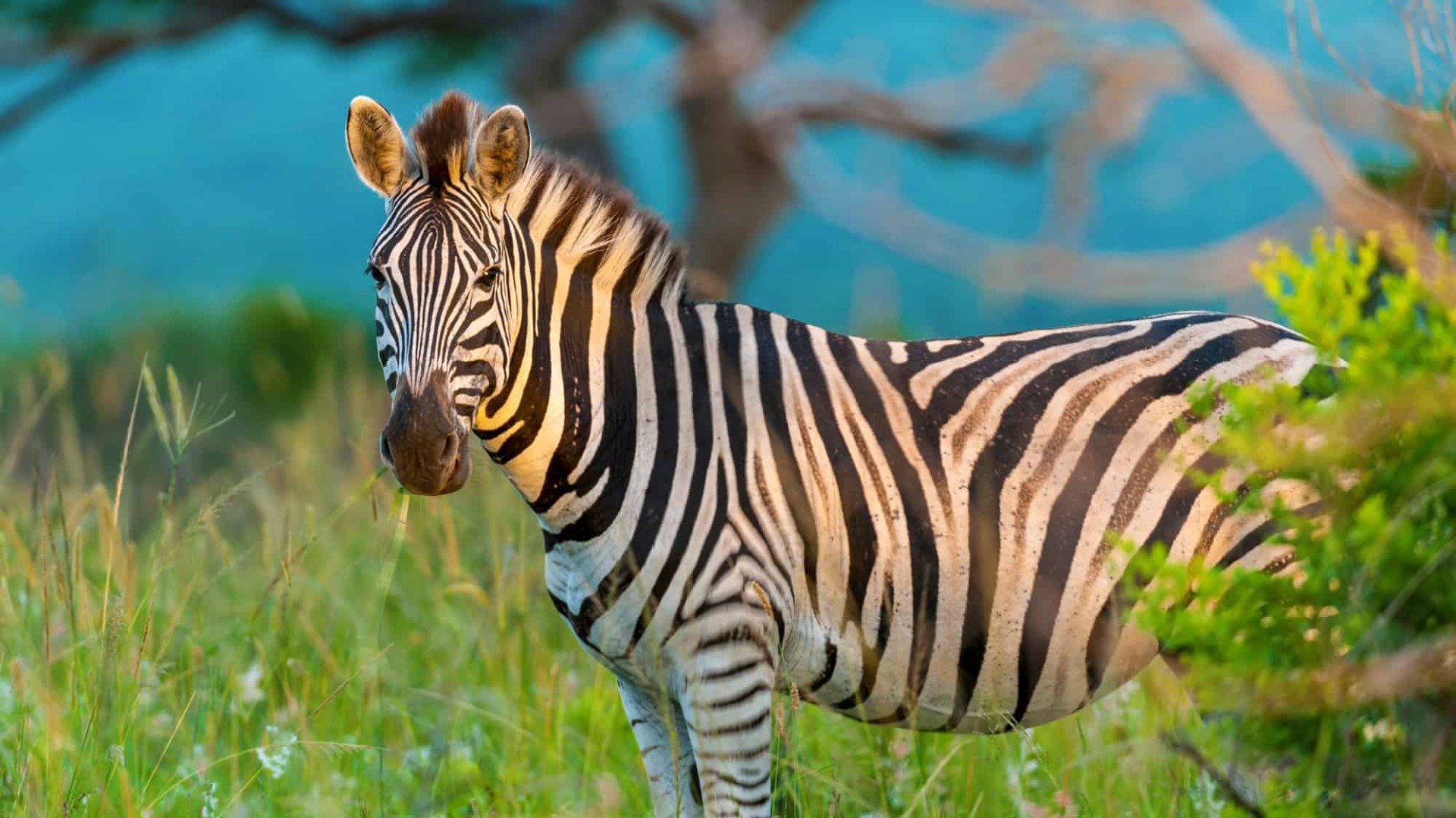
Botswana’s climate follows a clear pattern that experienced guides have studied for decades. The cool dry season from May to August offers daytime temperatures of 25°C and crisp nights that dip towards freezing in the Kalahari. This is when vast herds of zebra and wildebeest gather at waterholes in areas such as Savuti - Chobe National Park, making predator sightings particularly dramatic. Vegetation is sparse, allowing clearer lines of sight across the plains.
From September to October, temperatures climb sharply, often exceeding 35°C. Although this can feel intense, the extreme dryness pushes elephants and buffalo towards the Boteti River - Makgadikgadi Pans National Park in impressive numbers. The first rains usually arrive in November, bringing relief and signalling the start of the green season. By December, the northern Delta begins receiving its annual floodwaters, creating a mosaic of channels and islands that redefine the safari experience.
Many first time visitor in Botswana underestimate how significantly these shifts alter daily activities. Game drives in the wet season may give way to mokoro excursions through flooded grasslands, while walking safaris become more viable as the bush thickens with new growth. Each period offers distinct rewards for those who understand the nuances.
What to Expect Month by Month
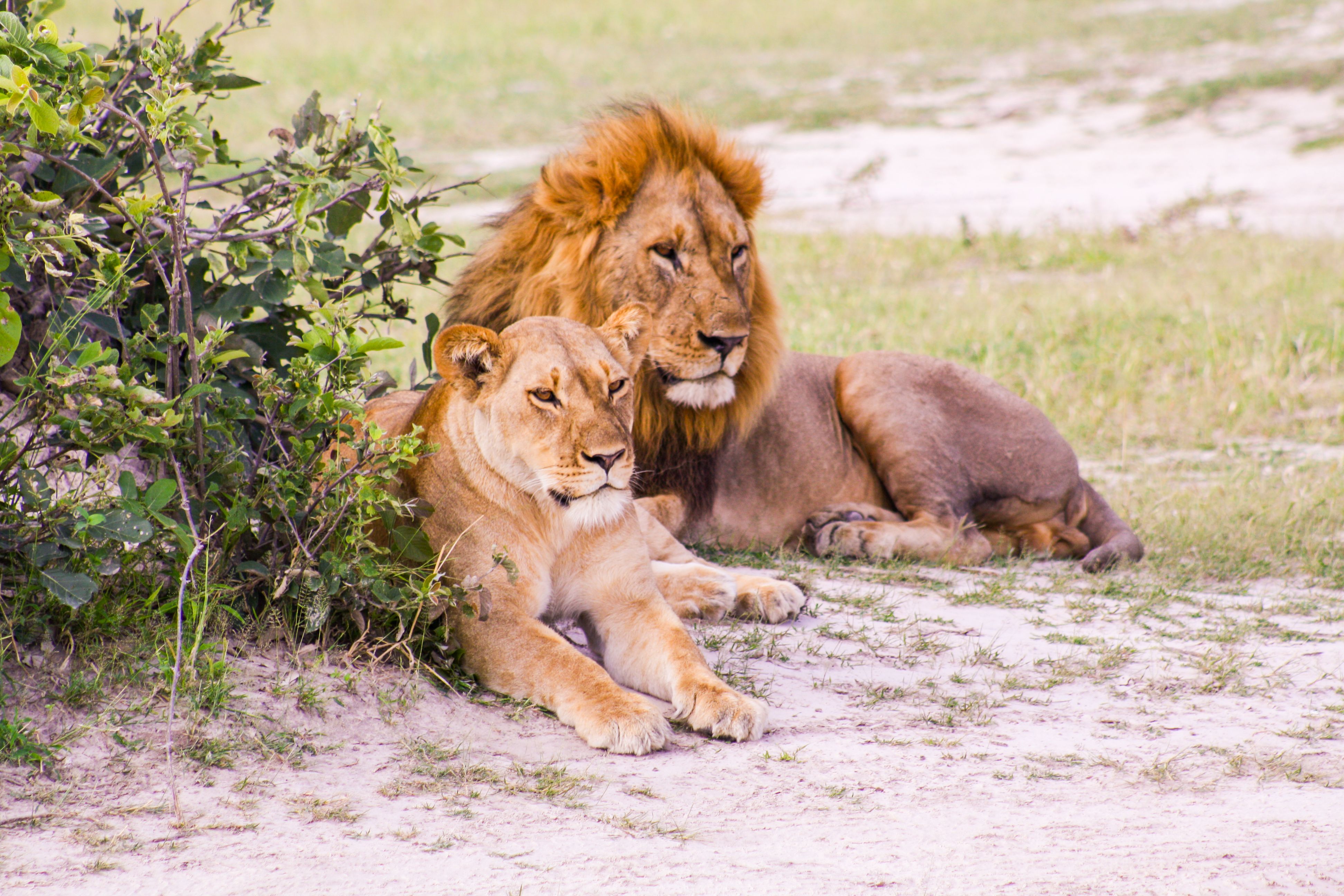
June and July represent the peak dry season, with excellent game viewing in Moremi Game Reserve and Khwai Community Area. Expect to see lion prides hunting along dry riverbeds and large breeding herds of elephants moving between water points. Malaria risk is minimal during these cooler months, and evening temperatures make for comfortable sundowners.
By contrast, January to March brings the wet season’s abundance. While some roads become impassable, this period offers emerald landscapes and the chance to witness migratory birds in their thousands. The Makgadikgadi Salt Pans transform into a breeding ground for greater and lesser flamingos, with up to 30,000 pairs documented in exceptional years. This is also when many antelope species give birth, providing predators with plentiful prey.

Choosing the Right Region According to Season
Successful Botswana advice begins with matching your travel dates to specific regions. The Okavango Delta remains a year-round destination, yet its character changes completely between seasons. During the dry months, permanent camps in the central Delta such as Camp Moremi offer exceptional predator viewing as animals concentrate around the waterways. When the floods arrive from the north, typically peaking between June and August in the upper Delta, mobile camps and houseboats become the preferred way to explore new channels.
Chobe National Park and its riverfront deliver some of Africa’s most reliable elephant sightings from July to October. Over 120,000 elephants inhabit the broader ecosystem, and the dry season sees them converging on the Chobe River in herds that can number several hundred. Savuti - Chobe National Park, famous for its lion prides that specialise in hunting buffalo, offers particularly compelling viewing from August to November when surface water is scarce.
The Central Kalahari and Makgadikgadi regions come into their own during the green season. The rains transform these arid zones into productive grasslands where black-maned Kalahari lions hunt springbok and oryx. A first time visitor in Botswana would be wise to consider combining a wet season experience in the south with dry season viewing further north to appreciate the country’s full diversity.
The floodwaters arrive like a slow heartbeat, pulsing life into channels that stood bone-dry only months before. To witness this annual miracle is to understand Botswana at its most profound.
Packing and Preparation Tips Shaped by Seasons
Seasonal awareness directly informs what you should bring. For the dry winter months, layer neutral-coloured clothing that includes a warm fleece or down jacket for early morning drives when temperatures can fall to 5°C. A good pair of binoculars, a wide-brimmed hat, and high-factor sunscreen remain essential year-round. During the wet summer, pack lightweight quick-dry clothing, a lightweight rain jacket, and insect repellent with high DEET content.
Footwear choices also vary. Sturdy closed walking shoes suit dry season walking safaris in areas like Selinda Reserve, while lightweight sandals or boating shoes become useful for mokoro trips during high water. Many camps provide laundry service, so travellers need not overpack. Remember that luggage limits on light aircraft transfers are strictly enforced at 20kg per person including hand luggage.
Malaria prophylaxis is recommended from November to May when mosquito numbers increase with the rains. Consult your doctor at least six weeks before departure, as some medications must be started well in advance. A basic medical kit including treatments for minor stomach upsets and antihistamines proves valuable regardless of season.
Photography Equipment Considerations
Seasonal light conditions in Botswana reward different approaches to photography. The golden light of the dry season creates striking silhouettes against acacia trees, while the dramatic storm clouds of summer offer opportunities for atmospheric images. A zoom lens ranging from 100-400mm allows you to capture both intimate portraits and sweeping landscapes. During the wet season, a weatherproof camera cover becomes essential.
Consider the dust. Even in the green season, afternoon winds can whip up fine particles that infiltrate equipment. Bring lens cleaning cloths and protective filters. Many experienced travellers recommend leaving space in their luggage for locally purchased curios rather than filling their bags with unnecessary photographic gear before departure.
Understanding Camp Types and Access Methods
Botswana’s safari infrastructure reflects its commitment to low-impact, high-value tourism. Permanent lodges in prime locations like Duba Plains Private Reserve offer consistent luxury throughout the year, with raised decks, plunge pools, and sophisticated cuisine. Mobile camps, by contrast, move with the seasons to follow wildlife movements and flood patterns, offering a more immersive experience that changes location every few days.
Access to most camps is by light aircraft, with flight times ranging from 20 minutes to two hours depending on your itinerary. These transfers form an integral part of the safari, often providing aerial perspectives of the Delta’s intricate waterways. First time visitor in Botswana should note that flight schedules are weather dependent, particularly during the wet season when afternoon thunderstorms can cause delays.
Community concessions such as Khwai Community Area and the NG12 Concession operate under different regulations to national parks. These areas often permit night drives and walking safaris, activities prohibited within national park boundaries. Choosing the right combination of private reserve and national park experiences allows for a more complete understanding of Botswana’s conservation model.
Selecting Between Mobile and Permanent Accommodations
Permanent camps excel in offering consistent standards and a wider range of facilities including spas and dedicated photographic hides. They suit travellers who prefer familiar comforts after long days in the bush. Mobile operations, often run by specialist operators, provide the thrill of waking in a different landscape every few days and following the rhythms of the wilderness more closely.
Many luxury travellers now combine both experiences within a single journey. A few nights at a permanent camp such as Dinaka in the Central Tuli Block might be followed by a mobile operation exploring the remote reaches of the Linyanti region. This approach maximises the benefits of each style while creating natural progression through Botswana’s varied ecosystems.
Wildlife Viewing Ethics and Local Knowledge
Responsible safari practice in Botswana emphasises patience and respect. Guides are highly trained and often hold advanced qualifications through the Botswana Professional Guides Association. They understand that quality sightings develop through time spent observing animal behaviour rather than constant movement between sightings.
Local communities play an increasingly important role in conservation. In areas such as the Khwai Community Area, revenue from tourism directly supports village development projects. Learning a few basic phrases in Setswana or showing genuine interest in local culture enriches the experience and demonstrates respect for the people who call this land home.
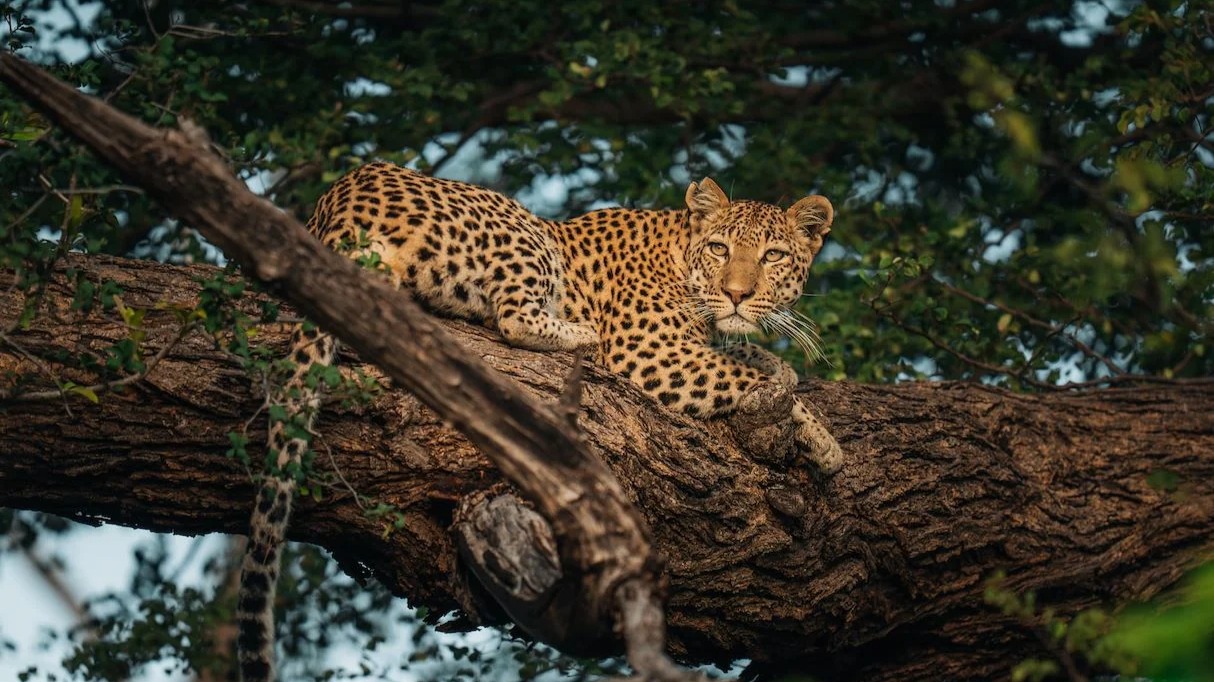
The country maintains some of Africa’s strictest conservation policies, with low visitor numbers ensuring minimal disturbance to wildlife. This approach means that even during peak season, you may experience moments when your vehicle is the only one present at a leopard sighting or wild dog den. Such exclusivity comes at a premium but delivers encounters of genuine depth.
True luxury in Botswana lies not in the thread count of your sheets but in having an entire floodplain to yourself at dawn, watching a herd of lechwe move through mist-shrouded waters.
Health, Safety and Practical Logistics
Botswana enjoys a strong reputation for political stability and low crime rates, particularly in safari areas. However, standard precautions apply. Drink only bottled or filtered water, avoid walking alone at night in camps, and follow your guide’s instructions precisely when on foot or near dangerous animals.
Medical facilities in Maun and Kasane can handle minor emergencies, but serious conditions usually require evacuation to South Africa. Comprehensive travel insurance that includes medical repatriation and cancellation cover is therefore essential. Many policies now offer specific safari coverage for activities such as mokoro trips and walking safaris.
Visa requirements are straightforward for most nationalities, with visitors from the EU, UK, USA, and many other countries receiving 90 days visa-free entry. Yellow fever vaccination is required only if you are arriving from an infected area. Always check current requirements with official sources before travel, as regulations can change.
Budgeting for a Botswana Safari
Botswana positions itself as a premium safari destination with daily rates typically ranging from $1,500 to $3,000 per person sharing during peak season. This includes accommodation, all meals, game viewing activities, park fees, and internal flights. Understanding what is included prevents unwelcome surprises and allows for more accurate comparison between different operators and itineraries.
Additional costs to consider include premium wines and spirits, gratuities, and any specialist activities such as scenic helicopter flights over the Delta. Travelling during shoulder seasons of April and November can offer significant value while still providing excellent wildlife viewing and fewer visitors.
How Botswana’s Seasons Shape Your Safari Decisions
The interplay between season and safari planning cannot be overstated. Dry season travel suits those seeking classic big game viewing with reliable predator sightings and comfortable temperatures for extended game drives. Wet season journeys appeal to travellers wanting to experience the Delta at its most vibrant, with fewer visitors and the chance to witness breeding behaviour across numerous species.
A thoughtfully constructed itinerary might combine dry season viewing in the northern parks with a green season extension to the salt pans, creating a journey that captures Botswana’s full seasonal spectrum. Professional safari designers understand these patterns intimately and can craft routes that maximise wildlife encounters while minimising travel fatigue.
Recent data from the Botswana Tourism Organisation shows that 68% of visitors now request some form of seasonal variation within their itinerary, reflecting growing sophistication among international travellers. This trend towards more nuanced planning rewards those who invest time in understanding the subtle shifts that define each month and region.
Seasons in Botswana are not merely weather patterns but chapters in an ancient story of survival, renewal, and delicate ecological balance that unfolds across one of Africa’s last great wilderness areas.
Planning Your Journey with Expert Guidance
Creating a safari that truly resonates with Botswana’s seasonal rhythms requires both local knowledge and careful orchestration. The difference between an adequate journey and a transformative experience often lies in the small details: timing your arrival to coincide with the arrival of the floods, selecting the right guide for your interests, and allowing sufficient time in each location to absorb its unique character.
For discerning travellers seeking a private safari beyond our set itineraries, we invite you to contact us directly. We specialise in designing exceptional, tailor-made journeys for individuals, couples, families, and private groups of up to eight guests. Drawing on our handpicked network of distinguished camps and lodges, we curate every detail with precision and care, creating a seamless, deeply personal safari experience shaped entirely around your preferences, pace, and budget.
Whether you wish to track wild dogs across the dry Kalahari or glide through flooded channels in a traditional mokoro, Encounters Africa brings decades of on-the-ground expertise to help you navigate Botswana’s complex seasonal patterns. Our relationships with the finest operators across the Okavango Delta, Chobe, and beyond ensure access to exclusive concessions and exceptional guiding teams.
Begin your journey by exploring our Botswana safari collection or discover the intimate experience of Duba Plains Camp during the dry season. For those interested in community-based conservation, consider a stay at camps within the Khwai Community Area where tourism directly supports local development initiatives.
The rhythms of Botswana’s seasons have shaped human and animal lives for millennia. By understanding and working with these natural cycles rather than against them, your safari becomes part of this timeless narrative. We look forward to helping you write your own chapter in Botswana’s remarkable story.
More like this
Tips & Advice
How Far in Advance Should You Book an African Safari?
Tips & Advice
How Local Knowledge Transforms a Seychelles Visit from Good to Seamless
Tips & Advice
How Much to Tip Your African Safari Guide and Staff
Tips & Advice
How One Week in Kigali and the Volcanoes Reshaped My Expectations
Tips & Advice
How One Week in Kigali Changed My Understanding of Respectful Exploration
Tips & Advice