Tips & Advice
How Local Knowledge Transforms a Seychelles Visit from Good to Seamless
Encounters Africa - 12 min read
Updated on 30 June 2026
Local knowledge transforms a Seychelles visit from good to seamless, turning what could be a string of pleasant days into a richly connected experience that respects the rhythm of island life. For those planning their first journey to this Indian Ocean archipelago, understanding the nuances of Creole culture, seasonal patterns, and sustainable practices makes all the difference. These Seychelles tips and advice for first timers draw from years of guiding discerning travellers through the granite outcrops, hidden coves, and vibrant markets that define the 115-island nation.
A Seychelles journey rewards those who move beyond surface-level beauty to engage with the living culture that has shaped these islands for centuries. The best time to visit is typically between April and May or October and November when the trade winds ease, seas calm, and marine visibility reaches its peak. Expect warm temperatures hovering between 24°C and 30°C year-round, though the northwest monsoon from December to March brings heavier rains that nourish the lush interiors.
Understanding the subtle pulse of island time changes everything. A seemingly simple decision about when to eat or where to shop can open doors to genuine encounters that no guidebook can promise.
Understanding Seychelles' Unique Island Rhythm
Life in the Seychelles follows patterns that might surprise first-time visitors accustomed to continental schedules. Shops and businesses often close for two to three hours in the middle of the day, particularly on the main island of Mahe, reflecting the traditional creole respect for the midday heat. Learning to embrace this slower pace allows travellers to discover the pleasure of an extended lunch under a takamaka tree or an afternoon spent watching fruit bats glide between palms.
The archipelago spans over 1,000 kilometres from north to south, with distances between islands measured not just in kilometres but in ferry schedules and flight availability. What appears as a short hop on a map might require careful planning. Inter-island flights with Air Seychelles operate multiple times daily, yet weather can affect smaller propeller aircraft, making flexibility essential for seamless travel between Mahe, Praslin, and La Digue.
Seasonal shifts dramatically influence what you can do and see. Between May and September, southeast trade winds create excellent conditions for sailing and kitesurfing on the eastern coasts, while the calmer northwest monsoon brings warmer waters perfect for snorkelling around the coral reefs. These patterns affect everything from beach accessibility to the availability of fresh seafood at local markets.
Reading the Tides and Weather Patterns
Tidal movements around the Seychelles can change a beach from expansive golden sand to a narrow strip within hours. On islands like La Digue, certain coves become inaccessible at high tide, while others reveal spectacular rock pools only when the water recedes. Checking local tide tables each morning becomes second nature for those who wish to maximise their time in these natural swimming pools.
Rain in the Seychelles rarely lasts all day, even during the wetter months. Short, dramatic downpours often clear the air and leave behind rainbows arching over the mountainous interiors. Packing a lightweight waterproof jacket and quick-dry clothing proves far more valuable than multiple changes of formal attire for most days exploring the islands.
The islands teach patience. What begins as an inconvenience often becomes the moment when you discover an empty beach or share a conversation with a local fisherman returning with his catch.
Practical Seychelles Tips and Advice for First Timers
Transportation choices significantly impact both your experience and your environmental footprint. While hiring a car offers independence on Mahe and Praslin, the narrow, winding roads demand respect, particularly after rain when surfaces become slippery. Many travellers find that combining taxi services with bicycle rental on smaller islands creates the perfect balance between convenience and immersion.
Dining in the Seychelles presents delightful opportunities to explore Creole cuisine, but timing matters. Most restaurants serve lunch between noon and 2pm, with dinner beginning around 7pm. Many establishments close completely on Sundays or Mondays, making advance reservations essential at popular venues. Fresh fish features prominently on menus, with bourzwa, jobfish, and snapper prepared in countless ways using local spices and coconut milk.
Supporting local artisans and businesses forms an important part of responsible travel in the Seychelles. The islands boast skilled craftsmen working with coconut fibre, seashells, and traditional weaving techniques. Markets in Victoria on Mahe Island offer everything from handmade jewellery to embroidered linens, though visitors should look for the genuine articles rather than imported souvenirs.
Money, Connectivity and Essential Services
The Seychelles Rupee serves as the official currency, though euros and US dollars are widely accepted in tourist areas. ATMs are available in major settlements, yet carrying sufficient cash for smaller islands and markets prevents inconvenience. Mobile coverage has improved dramatically in recent years, with 4G available across most inhabited areas, though remote beaches and hiking trails may have limited signal.
Medical facilities on Mahe meet international standards, with smaller clinics on Praslin and La Digue handling minor issues. Comprehensive travel insurance that includes medical evacuation remains essential given the islands' relative isolation. Pharmacies stock common medications, though bringing personal prescriptions in their original packaging avoids complications.
Respecting Marine Life and Conservation Efforts
The Seychelles maintains an impressive network of marine protected areas covering more than 30 percent of its waters. Understanding the regulations that govern these zones helps preserve the very environments travellers come to enjoy. Snorkelling and diving operators provide essential briefings about which areas permit certain activities and which remain completely protected.
Coral reefs around the islands face increasing pressure from both climate change and visitor numbers. Choosing operators who follow strict guidelines, limiting sunscreen use near reefs, and never touching marine life represent small actions that collectively make significant impact. The annual turtle nesting season between October and February offers privileged viewing opportunities when conducted with licensed guides who understand the delicate balance required.
Local knowledge about currents and conditions proves invaluable for water-based activities. What appears as a gentle bay might hide powerful undertows during certain tidal phases. Experienced operators know these patterns intimately and adjust their programmes accordingly, ensuring both safety and optimal wildlife encounters.
True luxury in the Seychelles lies not in extravagance but in access to places and experiences that few others discover. The difference comes from listening to those who call these islands home.
Choosing Accommodation and Experiences That Matter
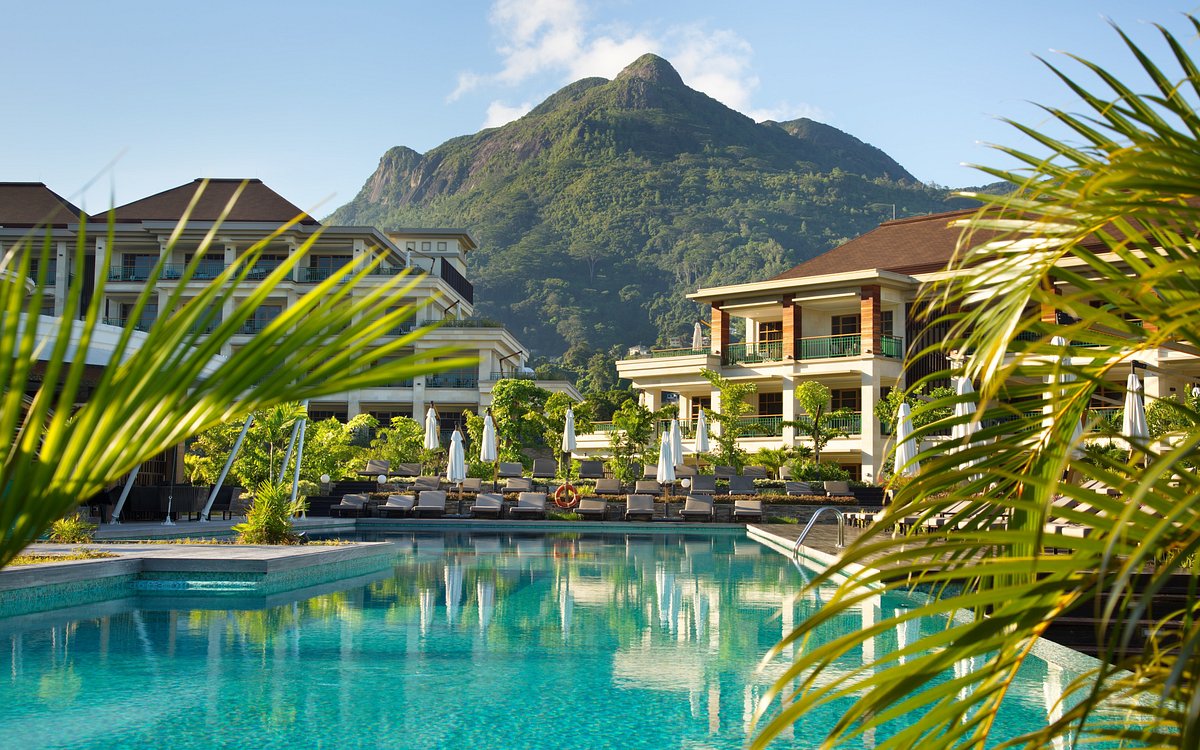
The Seychelles offers everything from intimate guesthouses to exclusive private island retreats, but location and ethos matter more than star ratings. Properties that work closely with local communities and support conservation initiatives create deeper connections to the destination. On Mahe Island, options range from beachfront villas to hillside retreats offering spectacular views across the ocean.
For those seeking privacy and personalised service, Mahe Island provides an excellent base with its diverse landscapes and excellent infrastructure. The island's rugged interior rewards hikers with panoramic viewpoints, while its coastline offers numerous opportunities for kayaking through mangrove channels and exploring hidden coves accessible only by boat.
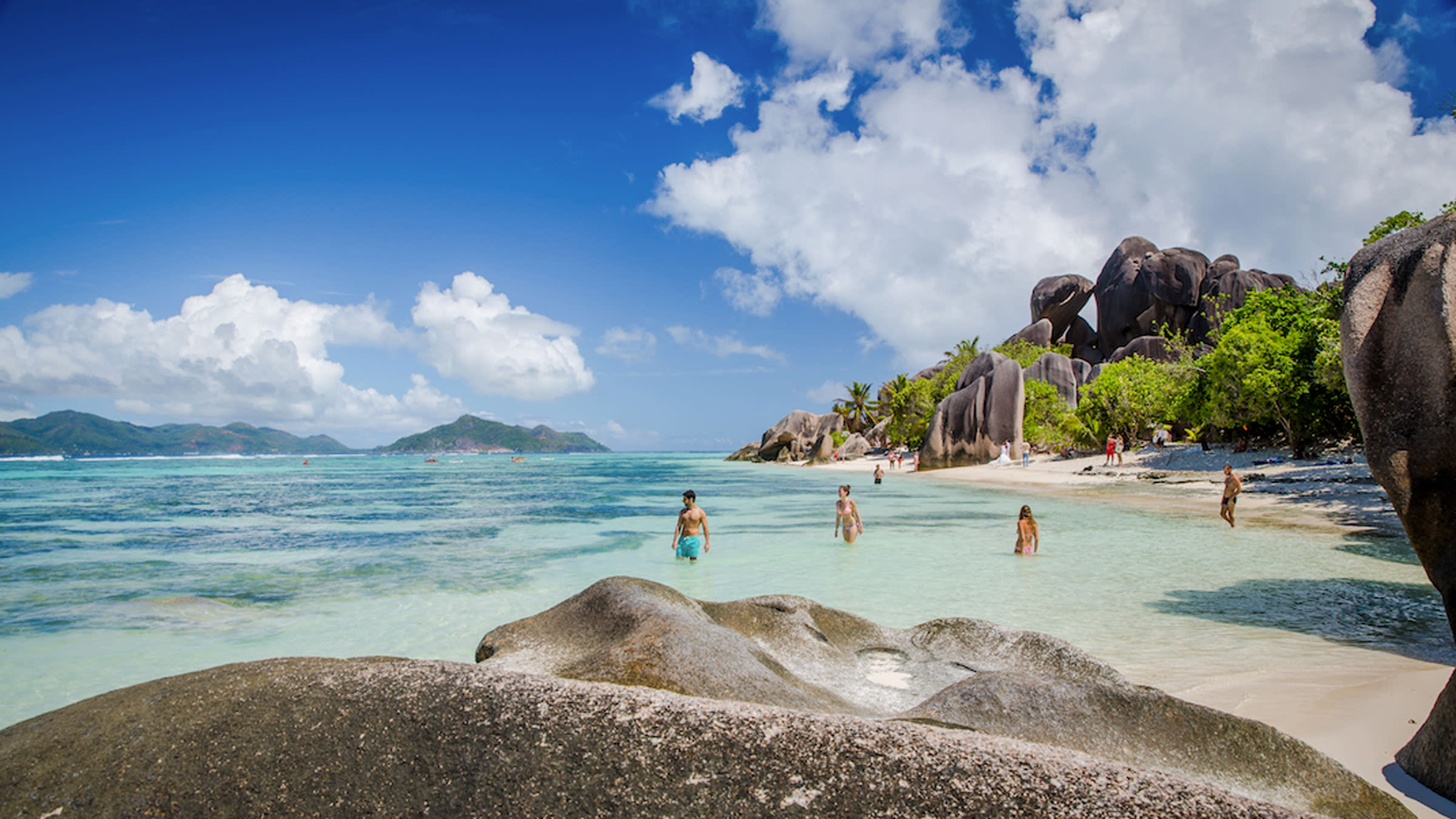
Smaller islands like La Digue offer a different pace entirely. With no cars on much of the island, bicycles become the primary mode of transport, allowing visitors to move at the gentle rhythm of ox carts and local life. The famous Anse Source d'Argent beach, with its iconic granite boulders, represents just one of many spectacular stretches of coastline worth exploring at different times of day.
Cultural Immersion Beyond the Beaches
While the beaches draw most visitors, the cultural landscape offers equally compelling experiences. Creole festivals, traditional music, and storytelling sessions provide windows into the rich heritage that blends African, European, and Asian influences. Timing your visit to coincide with events like the annual Carnaval de Victoria in February or the Subileau Festival in October adds another dimension to your journey.
Local guides who grew up on the islands bring stories and insights that transform a simple walk into an engaging lesson about medicinal plants, traditional fishing methods, and the complex history of settlement. These encounters often prove more memorable than any postcard view, creating connections that extend long after departure.
What to Pack and What to Leave Behind
Light, breathable clothing serves travellers best in the tropical climate, with modest dress required when visiting villages, churches, or government buildings. A good pair of reef-safe water shoes protects feet from both sharp coral and sea urchins while enabling exploration of rock pools and shallow reefs. Binoculars prove valuable for spotting endemic birds and fruit bats in the forest canopy.
Many first-time visitors overpack formal evening wear when smart casual suffices at most establishments. Instead, focus on versatile pieces that can transition from beach to restaurant with minimal effort. A lightweight daypack, reusable water bottle, and high-factor reef-safe sunscreen represent more practical investments than multiple pairs of dress shoes.
Electronic equipment requires protection from salt air and humidity. Waterproof cases for cameras and phones, along with portable chargers, ensure you capture memories without technical difficulties. Power cuts, though less frequent than in previous decades, still occur occasionally, making battery-powered devices particularly useful.
The most valuable item you can bring to the Seychelles is an open mind and willingness to adapt. Those who embrace the islands on their own terms invariably discover experiences that transcend the ordinary.
Common Questions About Visiting the Seychelles
How many days should first-time visitors plan for a Seychelles journey? Most travellers find that 10 to 14 days allows sufficient time to explore two or three islands without feeling rushed. This timeframe accommodates the necessary travel days between islands while providing opportunities to settle into the relaxed rhythm of each destination. Shorter visits tend to focus on one or two islands, while longer journeys might include more remote outer islands accessible only by liveaboard vessels.
Is the Seychelles suitable for families with young children? Many properties welcome families and offer specialised programmes that introduce children to marine conservation and local culture. The calm, shallow waters surrounding several islands create safe swimming environments, though parents should always check tidal conditions. Family-friendly accommodations often provide interconnecting rooms and activities designed specifically for different age groups.
What budget should travellers anticipate for a luxury Seychelles experience? A well-planned journey typically ranges from €400 to €800 per person per day, depending on accommodation choices, activities, and dining preferences. This figure includes transfers, most meals, and selected excursions. Working with specialists who understand value across different properties ensures that your investment delivers meaningful experiences rather than simply higher price tags.
Connecting with Local Communities
The warmth of Seychellois hospitality represents one of the archipelago's greatest treasures. Taking time to learn basic Creole phrases demonstrates respect and often unlocks more authentic interactions. Simple greetings like "Bonzour" (good day) and "Mersi" (thank you) go a long way towards building connections with market vendors, taxi drivers, and guesthouse staff.
Community-based tourism initiatives have grown significantly across the islands, offering travellers opportunities to participate in everything from vanilla cultivation workshops to traditional sega music performances. These experiences provide direct economic benefits to local families while creating meaningful cultural exchange that enriches both visitor and host.
Environmental consciousness runs deep in Seychellois culture, with many residents actively involved in conservation projects. Learning about initiatives to protect endemic species like the Seychelles warbler or the coco de mer palm adds depth to your understanding of why these islands matter on a global scale.
Planning Your Seamless Seychelles Journey
The difference between a good Seychelles visit and an exceptional one lies in preparation that respects both the practical realities and cultural nuances of island life. From understanding the importance of seasonal timing to knowing which experiences genuinely support local communities, these insights help craft journeys that feel considered rather than coincidental.
Whether you dream of watching the sunrise paint the famous boulders at Anse Source d'Argent, snorkelling among colourful reef fish in crystal waters, or simply finding your own quiet corner of paradise, the Seychelles offers countless possibilities for those who approach with curiosity and respect. The islands reveal their true character to those willing to slow down, listen, and engage with the rhythms that have sustained this unique culture for generations.
For discerning travellers seeking a private journey beyond our set itineraries, we invite you to contact us directly. We specialise in designing exceptional, tailor-made journeys for individuals, couples, families, and private groups of up to eight guests. Drawing on our handpicked network of distinguished camps and lodges, we curate every detail with precision and care, creating a seamless, deeply personal experience shaped entirely around your preferences, pace, and budget.
Our team at Encounters Africa has spent years building relationships with the most respected operators across the Seychelles, ensuring that every element of your journey reflects both luxury and authenticity. From private beach picnics to cultural experiences arranged with local experts, we transform good intentions into carefully orchestrated moments that create lasting memories.
Begin planning your Seychelles journey by exploring our Seychelles safari and island experiences, or discover how we can combine these tropical paradises with Kenya or South Africa for a multifaceted African adventure. Whatever your vision, we stand ready to help translate it into reality.
Visit our enquiry form to share your thoughts and aspirations. We look forward to crafting a Seychelles experience that exceeds your expectations while honouring the delicate balance that makes these islands so special.
More like this

Tips & Advice
How Much to Tip Your African Safari Guide and Staff
Tips & Advice
How One Week in Kigali and the Volcanoes Reshaped My Expectations

Tips & Advice
How One Week in Kigali Changed My Understanding of Respectful Exploration
Tips & Advice
How Sacred Animals Shape Rituals and Identity in African Communities
Tips & Advice
How Savvy Timing Transforms Your African Safari Experience

Tips & Advice