conservation
Guardians of the Wild: Timbavati Private Nature Reserve Conservation
Encounters Africa - 8 min read
Updated on 1 May 2026
Nestled adjacent to the world-renowned Kruger National Park, the Timbavati Private Nature Reserve stands as a testament to successful conservation in South Africa. More than just a safari destination, Timbavati is a living laboratory where dedicated individuals and organisations work tirelessly to protect vital ecosystems and their incredible inhabitants. Its story is one of visionary leadership, community engagement, and a deep understanding of ecological principles, making it a cornerstone of wildlife preservation in the region.
The reserve's commitment to conservation extends beyond its boundaries, influencing broader regional strategies for wildlife management and habitat protection. For discerning travellers seeking an immersive experience that combines luxury safari with meaningful engagement in conservation, Timbavati offers an unparalleled opportunity to witness these efforts firsthand. Encounters Africa is proud to collaborate with lodges and initiatives within Timbavati that exemplify responsible tourism and contribute directly to its ongoing success.
The Genesis of Timbavati's Conservation Ethos
The Timbavati Private Nature Reserve was established in 1956 by a group of landowners who recognised the urgent need to protect the area's diminishing wildlife populations. Their foresight led to the removal of fences between their properties, creating a larger, more viable habitat for animals. This early act of collaboration laid the foundation for the reserve's enduring conservation philosophy.
Crucially, in 1993, the fences separating Timbavati from Kruger National Park were dropped, creating a vast, unfenced wilderness area. This monumental decision allowed for natural animal migration patterns to resume, significantly enhancing biodiversity and ecological health across the greater Kruger ecosystem. This integration was a game-changer for regional conservation.
The spirit of conservation in Timbavati is rooted in a profound understanding that the future of its wildlife depends on collective action and a commitment to ecological integrity.
Pioneering Collaborative Conservation
From its inception, Timbavati embraced a collaborative model. The landowners, now members of the Timbavati Association, pooled resources and expertise to manage the reserve as a single, cohesive unit. This approach has been instrumental in implementing effective anti-poaching strategies, habitat management programmes, and scientific research initiatives.
The reserve's success is a direct result of this unified vision, demonstrating how private land ownership can be leveraged for significant conservation impact when guided by a shared purpose. This model serves as an inspiration for other private reserves across Africa.
Wildlife Management and Biodiversity Protection
At the heart of Timbavati Private Nature Reserve conservation lies a sophisticated approach to wildlife management. This involves a combination of scientific research, active monitoring, and strategic interventions to maintain healthy animal populations and diverse ecosystems. The focus is on ensuring a natural balance, allowing species to thrive within their native environment.
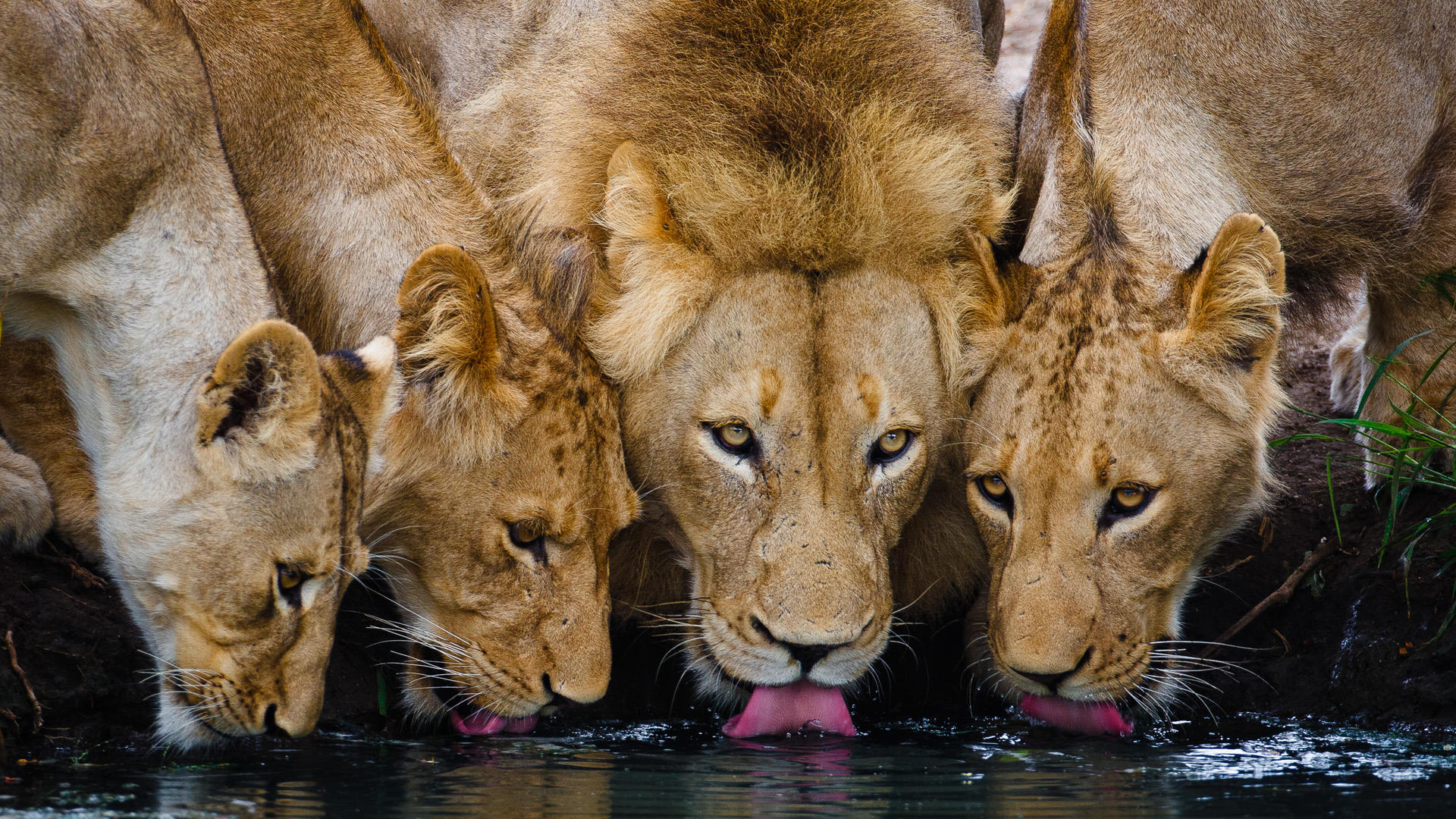
One of Timbavati's most famous residents is the rare white lion, a genetic colour variation of the African lion. The reserve has played a significant role in the protection and understanding of these magnificent animals, contributing to global efforts to conserve unique genetic traits within wildlife populations. Their presence draws considerable interest and highlights the reserve's unique biodiversity.
Anti-Poaching and Security Efforts
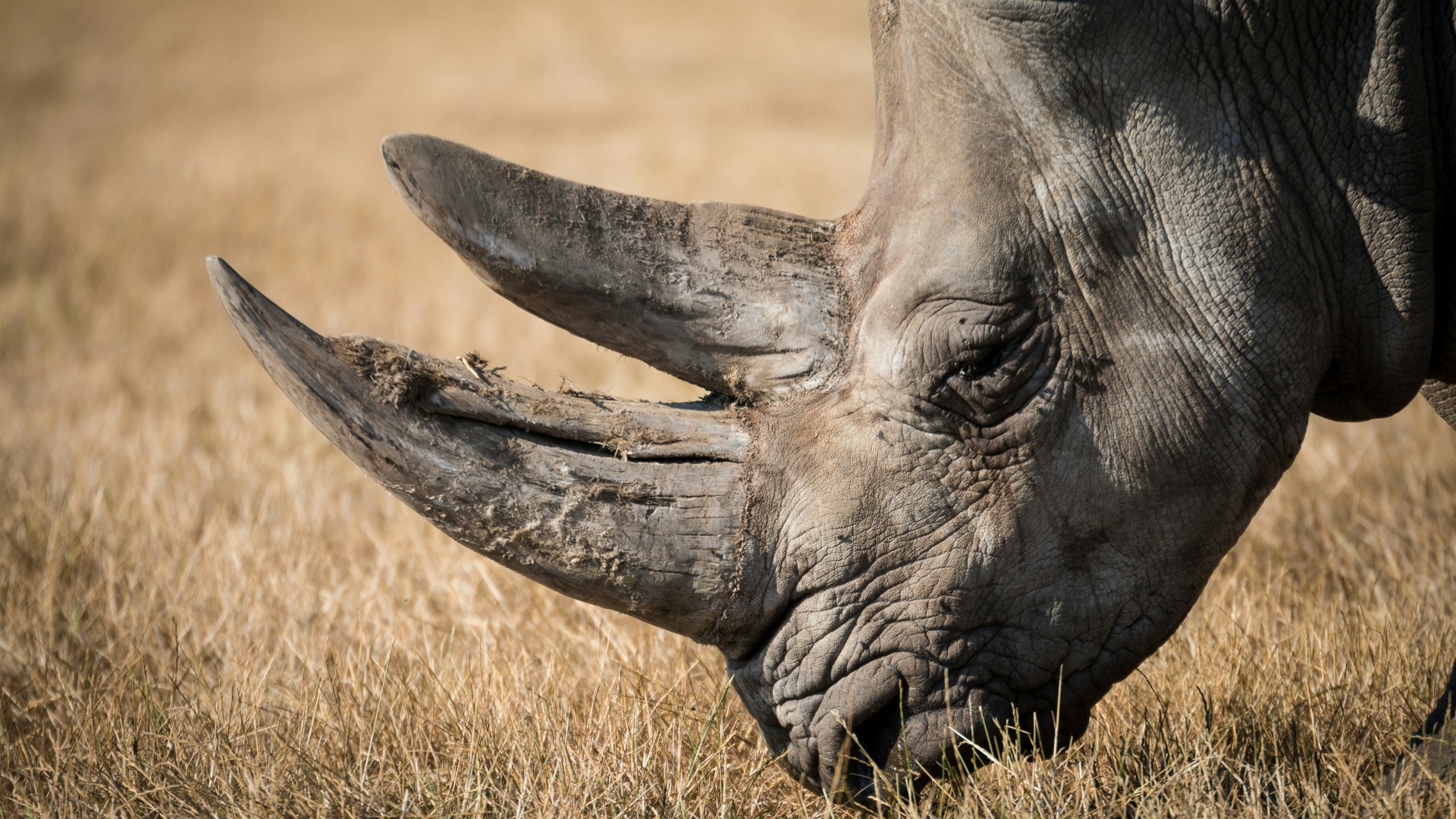
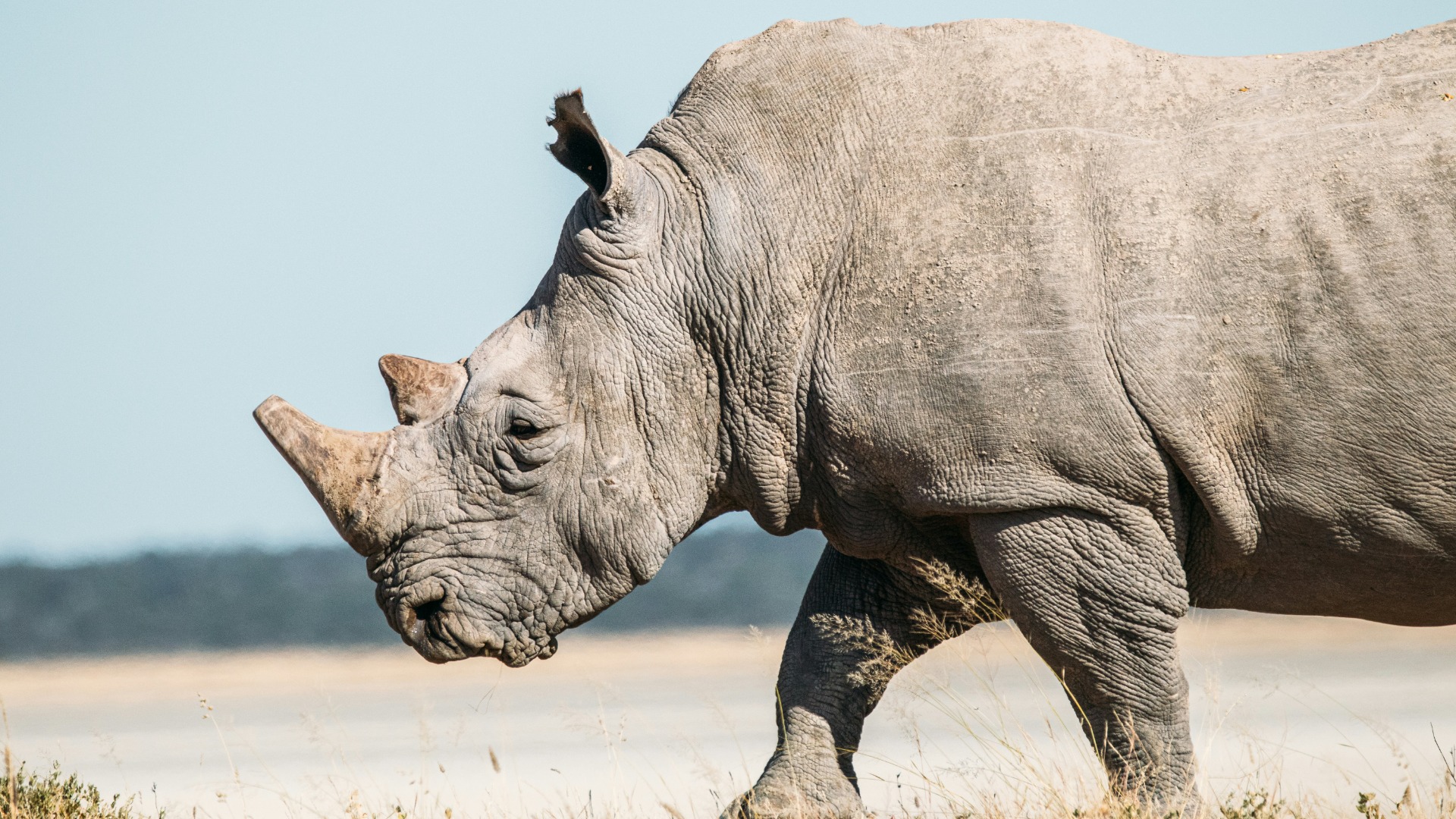
The threat of poaching, particularly for rhino horn, remains a significant challenge across South Africa. Timbavati has implemented robust anti-poaching measures, combining highly trained ranger units, advanced technology, and intelligence gathering. These efforts are critical for safeguarding the reserve's endangered species.
Dedicated Ranger Teams: Highly skilled and equipped rangers conduct daily patrols, both on foot and by vehicle, covering vast areas of the reserve.
Advanced Technology: Drones, thermal imaging, and sophisticated tracking systems are employed to monitor wildlife and detect potential threats.
Community Involvement: Engaging local communities in anti-poaching initiatives is crucial, fostering a sense of shared responsibility and providing vital intelligence.
Canine Units: Specially trained dogs are used for tracking poachers and detecting contraband, significantly enhancing the effectiveness of anti-poaching operations.
Habitat Restoration and Water Management
Maintaining healthy habitats is fundamental to wildlife conservation. Timbavati actively engages in habitat restoration projects, including alien plant removal and fire management. Water scarcity is a perennial challenge in many African ecosystems, and Timbavati implements careful water management strategies to ensure year-round access for wildlife, especially during dry seasons.
These efforts ensure that the diverse flora and fauna of the reserve have the resources they need to flourish. Healthy habitats support healthy animal populations, creating a vibrant and resilient ecosystem.
Community Engagement and Sustainable Tourism
Recognising that conservation cannot succeed in isolation, Timbavati places a strong emphasis on engaging with local communities. Sustainable tourism plays a vital role in generating revenue for conservation efforts and providing economic opportunities for people living adjacent to the reserve. This symbiotic relationship ensures that local populations benefit directly from wildlife protection.
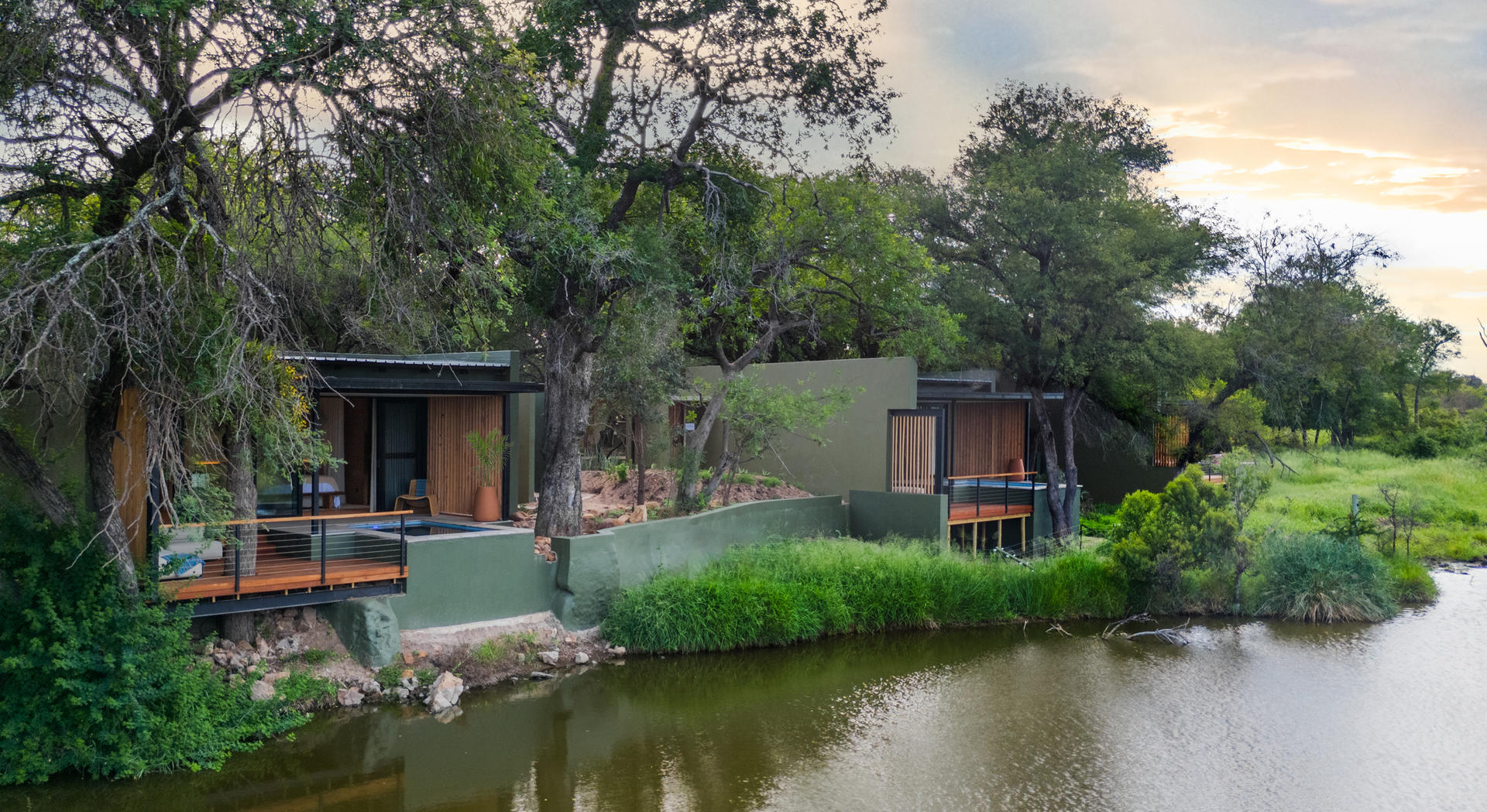
Many lodges within Timbavati, such as andBeyond Ngala Tented Camp, actively support community development programmes, including education, healthcare, and job creation. These initiatives help to build a positive relationship between the reserve and its neighbours, fostering a shared commitment to conservation.
Education and Awareness Programmes
Encouraging environmental education, particularly among the youth, is a cornerstone of Timbavati's community strategy. The reserve runs various programmes designed to raise awareness about conservation issues and inspire the next generation of environmental stewards. These programmes often involve school visits, interactive workshops, and practical field experiences.
By educating local children about the value of their natural heritage, Timbavati is investing in the long-term sustainability of its conservation efforts. A knowledgeable and engaged community is a powerful ally in the fight against poaching and habitat destruction.
Economic Benefits of Ecotourism
Ecotourism provides a sustainable funding model for conservation. Revenue generated from safari activities, lodge stays, and conservation levies directly supports anti-poaching units, wildlife monitoring, and community development projects. This economic incentive reinforces the value of preserving the wilderness.
Encounters Africa works with lodges that prioritise ethical and responsible tourism practices, ensuring that your safari contributes positively to the local economy and conservation initiatives. Your journey becomes a direct investment in the future of Timbavati's wildlife.
True conservation thrives when communities are empowered and benefit directly from the protection of their natural heritage.
Research and Monitoring for Future Generations
Scientific research and continuous monitoring are indispensable tools for effective conservation. Timbavati actively collaborates with researchers and institutions to gather data on wildlife populations, ecological processes, and the impacts of climate change. This evidence-based approach informs management decisions and ensures the long-term health of the ecosystem.
Programmes include tracking key species, studying animal behaviour, and assessing the health of various habitats. The insights gained from this research are not only vital for Timbavati but also contribute to broader conservation knowledge across Africa.
Understanding Wildlife Dynamics
Researchers in Timbavati study everything from predator-prey relationships to the impact of environmental changes on animal movements and breeding patterns. Understanding these complex dynamics is crucial for making informed management decisions, such as determining optimal carrying capacities for different species.
For example, long-term studies on elephant populations help to manage their impact on vegetation, ensuring that their numbers are sustainable within the reserve's ecosystem. This nuanced approach to wildlife management is a hallmark of Timbavati's conservation success.
Combating Climate Change Impacts
Climate change poses a significant threat to ecosystems worldwide, and Timbavati is not immune. The reserve monitors changes in rainfall patterns, temperatures, and vegetation to understand their potential effects on wildlife. This data helps in developing adaptation strategies, such as creating additional water sources during prolonged droughts.
By proactively addressing the challenges of climate change, Timbavati aims to build a more resilient ecosystem capable of withstanding future environmental pressures. This forward-thinking approach is essential for long-term conservation.
A Legacy of Conservation Excellence
The Timbavati Private Nature Reserve stands as a shining example of what can be achieved through dedicated conservation efforts, collaborative partnerships, and a deep respect for the natural world. Its journey from a collection of private farms to a thriving, integrated wilderness area is a testament to the power of collective vision.
For travellers, a safari in Timbavati offers more than just exceptional wildlife viewing; it provides an opportunity to connect with a place where conservation is not just a concept but a lived reality. You become part of a larger story, contributing directly to the protection of some of Africa's most iconic species and their habitats.
Encounters Africa is committed to offering journeys that align with these profound conservation values. We invite you to explore the wonders of Timbavati and experience firsthand the impactful work being done to secure a future for its incredible wildlife. For those looking for a private safari beyond our set itineraries, we would be delighted to hear from you directly. We specialise in creating beautifully tailored journeys for solo travellers, couples, families, and private groups of up to eight guests. Through our trusted network of carefully selected camps and lodges, we craft each safari around your individual interests, preferred pace, and budget, ensuring a seamless and deeply personal experience from beginning to end. Contact us today to begin planning your unforgettable and meaningful African adventure.
More like this
conservation
Heros of the Zambezi: Conservation Efforts in Victoria Falls, Zambia
conservation
How African Cities Are Building Wildlife Corridors Through Concrete Landscapes
conservation
How African Rangers Deploy Drones and AI to Outmaneuver Poachers
conservation
How Africa's New Wildlife Corridors Are Restoring Elephant Migration Routes
Conservation
How Africa's Varied Climates Directly Shape Local Conservation Tactics
Conservation