Conservation
How Africa's Varied Climates Directly Shape Local Conservation Tactics
Encounters Africa - 8 min read
Updated on 11 August 2026
Africa's varied climates directly shape local conservation tactics in profound ways, influencing everything from anti-poaching patrols to habitat restoration projects across the continent. From the scorching deserts of Namibia to the lush, moisture-laden forests of the Congo Basin, temperature swings, erratic rainfall patterns, and pronounced seasonal shifts dictate how conservationists adapt their strategies to protect biodiversity effectively.
Understanding these connections offers valuable insight for travellers passionate about Africa's wildlife. The best time to visit regions like the Botswana Okavango Delta is during the dry season from May to October, when animals concentrate around water sources, yet this same period intensifies pressure on already stressed ecosystems, requiring tailored conservation responses that balance tourism with protection.
The Influence of Arid Climates on Desert Conservation Strategies
In the parched landscapes of southern Africa, where annual rainfall can dip below 250 millimetres, conservation teams face unique hurdles. Water scarcity forces both wildlife and human communities to cluster around limited sources, creating conflict points that demand innovative solutions. Rangers in places like the Namib Desert must contend with extreme diurnal temperature variations exceeding 30 degrees Celsius, which affects not only animal behaviour but also the durability of tracking equipment and patrol vehicles.
Anti-poaching efforts here rely heavily on technology adapted to harsh conditions. Solar-powered camera traps withstand sandstorms and temperatures that would drain conventional batteries within hours. Community-led initiatives focus on providing alternative livelihoods, such as guiding services for visitors interested in the unique desert-adapted elephants of north-west Namibia, reducing the incentive for illegal hunting.
In arid zones, every drop of water becomes a conservation currency, traded carefully between species survival and human needs.
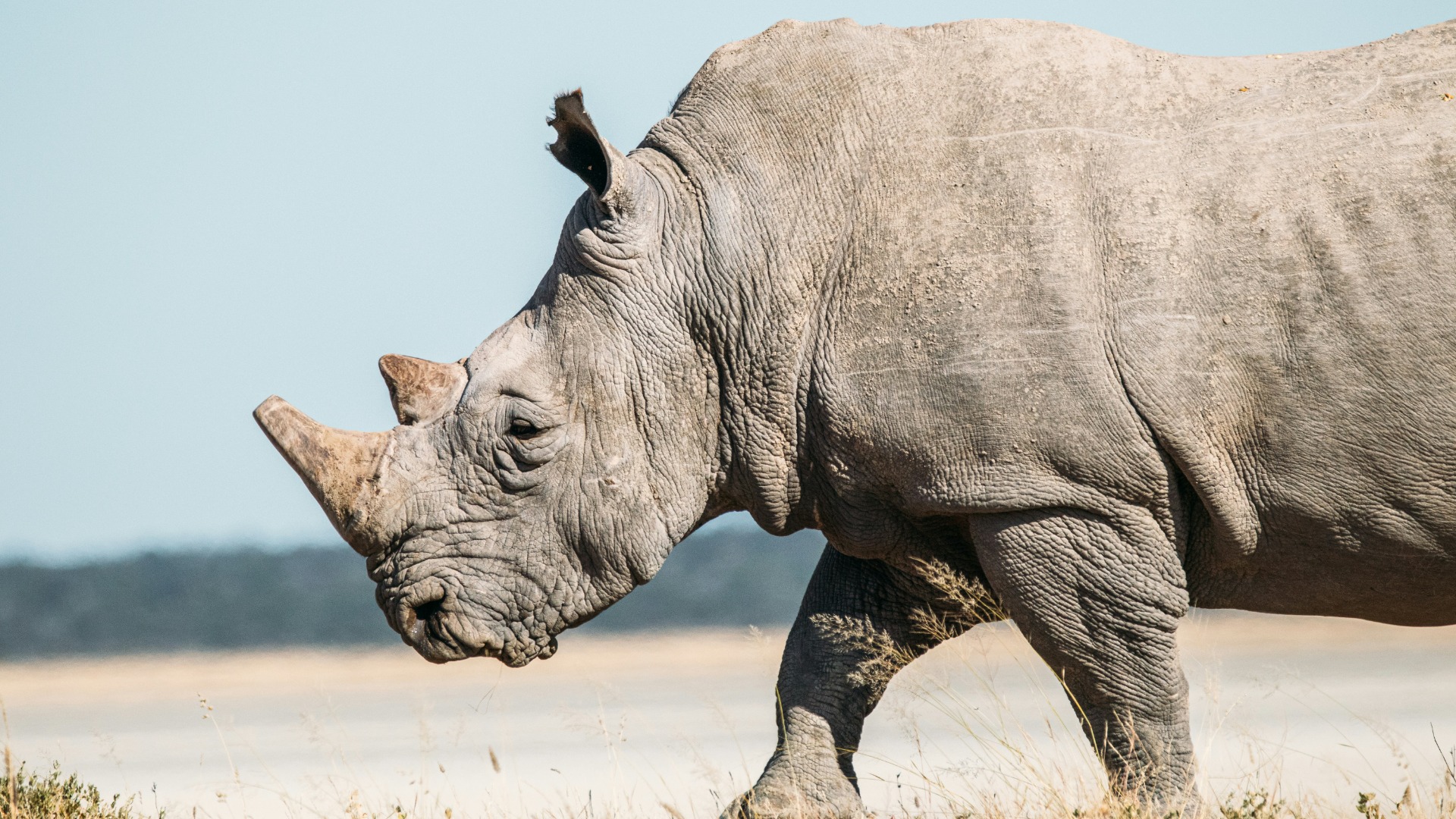
Habitat restoration takes on a different character in these dry environments. Rather than large-scale reforestation, efforts centre on protecting sparse vegetation and creating artificial water points with strict monitoring to prevent overuse. These measures have shown measurable success, with black rhino populations in Namibia increasing by approximately 40 percent since the early 1990s through climate-informed management.

How Seasonal Rainfall Shapes Savanna Protection Methods
Across the vast savannas of East and Southern Africa, the rhythm of wet and dry seasons governs both wildlife movement and conservation priorities. During the rains from November to April in regions like the Masai Mara, swollen rivers and flooded plains limit vehicle access, forcing anti-poaching teams to shift to foot patrols and aerial surveillance. This seasonal inaccessibility can create windows for poachers, prompting proactive intelligence networks within local communities.
Community-led initiatives flourish where rainfall variability directly impacts agricultural yields. In Kenya's Laikipia region, conservancies work with pastoralists to implement rotational grazing systems that mirror natural wildlife migration patterns. These approaches have reduced human-wildlife conflict by up to 60 percent in some areas while maintaining healthy grasslands essential for species like the endangered Grevy's zebra.
Adapting Anti-Poaching to Wet Season Challenges
Heavy downpours erase tracks within minutes, compelling rangers to rely more on real-time data from collaring programmes. In Tanzania's Selous Game Reserve, teams have recorded that elephant poaching incidents rise by nearly 25 percent during peak wet months when monitoring becomes more difficult. This has led to increased investment in drone technology capable of operating in moderate rainfall.
Restoration projects in savanna ecosystems focus on maintaining corridors that allow animals to move between wet and dry season ranges. The Great Limpopo Transfrontier Park demonstrates how cross-border collaboration can create climate-resilient landscapes spanning over 35,000 square kilometres.
The African savanna teaches that conservation must dance to the same seasonal drum as the wildlife it seeks to protect.
Rainforest Climates and the Complexities of Dense Vegetation Conservation
In the humid tropical forests of the Congo Basin and parts of West Africa, year-round high rainfall and dense canopy present entirely different obstacles. Here, visibility is measured in metres rather than kilometres, making traditional game counts nearly impossible. Conservation tactics shift toward acoustic monitoring and camera traps placed along established wildlife trails that remain consistent despite minimal seasonal variation.
Temperature remains relatively stable, but humidity levels above 90 percent accelerate equipment degradation and complicate the storage of perishable supplies for field teams. Anti-poaching strategies emphasise intelligence gathering from forest communities rather than visual patrols, with success rates improving dramatically when local knowledge informs operations.
Community Involvement in High-Rainfall Zones
Community-led initiatives in these regions often centre on sustainable forest resource use. Programmes that provide alternatives to bushmeat hunting have proven particularly effective, with some projects in Gabon reporting a 70 percent reduction in snare use after implementing alternative protein sources and income opportunities.
Habitat restoration takes the form of careful selective logging management and buffer zone creation. These efforts help maintain the forest's ability to sequester carbon while protecting species like the western lowland gorilla, whose populations have declined by 60 percent in some areas over recent decades due to combined pressures of habitat loss and climate sensitivity.
Mountain and Highland Climates: Altitude-Driven Conservation Approaches
At higher elevations, such as Rwanda's Volcanoes National Park or Uganda's Bwindi Impenetrable Forest, cooler temperatures and frequent mists create microclimates that support unique biodiversity but also present logistical challenges. Conservation here must account for rapid weather changes that can reduce visibility to near zero within minutes, affecting both tourism revenue and monitoring capabilities.
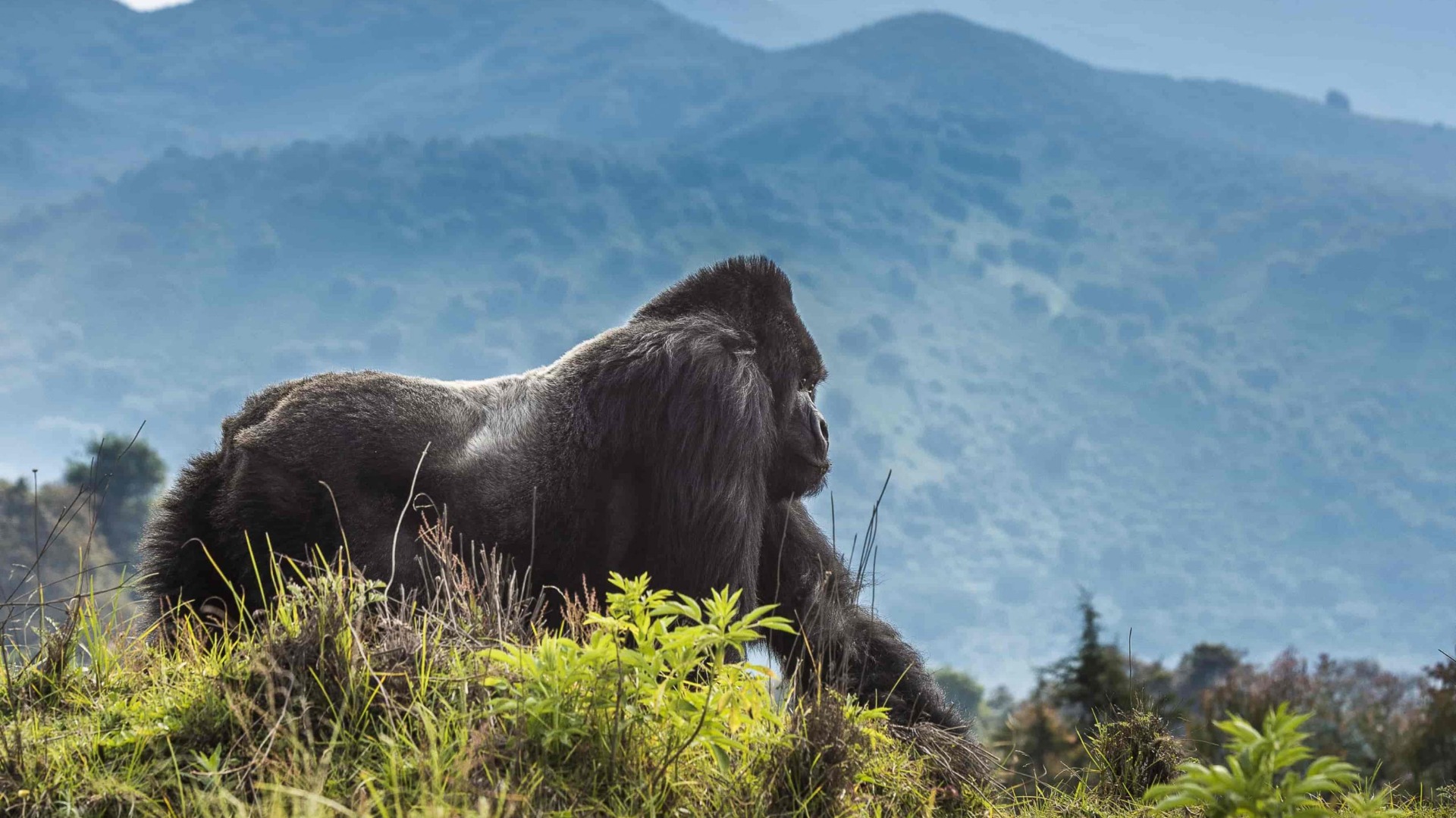
The famous mountain gorillas of the Virunga massif benefit from intensive daily monitoring made possible by their relatively small population of around 1,000 individuals. However, changing rainfall patterns are altering the availability of their preferred food plants, forcing adaptive management strategies that include supplemental planting of key vegetation species.
Highland conservation reminds us that elevation creates natural laboratories where climate impacts appear first and most clearly.
Coastal and Marine Climates: Where Land Meets Sea Conservation
Along Africa's extensive coastlines, from the Seychelles to South Africa's Western Cape, marine and terrestrial conservation efforts intertwine. Rising sea temperatures and changing current patterns affect both fish stocks and nesting beaches for sea turtles. Conservation tactics here include seasonal beach patrols timed to coincide with nesting periods, which vary by just a few weeks depending on local climate conditions.
In the Seychelles, projects protecting hawksbill turtles have seen nesting success rates improve from under 30 percent to over 75 percent through carefully timed interventions that account for both tidal patterns and storm frequency. Community involvement proves essential, with former turtle hunters now employed as guides and monitors.
Climate Change Amplifying Traditional Challenges
Across all these climate zones, broader climate change is intensifying existing pressures. Average temperatures in Africa have risen by approximately 0.5 degrees Celsius per decade since the 1970s, outpacing the global average. This acceleration forces conservation organisations to develop more flexible, adaptive strategies that can respond to unpredictable shifts in weather patterns.
Integrated approaches that combine scientific monitoring with indigenous knowledge consistently show the strongest results. In the Botswana Okavango Delta, for instance, traditional knowledge about water flow patterns complements modern hydrological modelling to predict and mitigate drought impacts on wildlife.
What This Means for Conservation Planning in Africa
The question travellers often ask is: how exactly do different climates affect conservation struggles and efforts across Africa? The answer lies in the necessity for hyper-localised strategies. What works in the arid Kalahari cannot simply be transferred to the humid Congo Basin without significant modification. Successful programmes recognise that effective conservation must be as diverse as the climates it operates within.
Data from the past two decades shows that conservation initiatives incorporating local climate knowledge achieve 40-60 percent higher success rates in terms of species population stability. This evidence underscores the importance of supporting organisations that prioritise context-specific approaches over one-size-fits-all solutions.

Looking Forward: Climate-Adaptive Conservation for Africa's Future
As climate patterns continue to shift, the most effective conservation efforts will be those that anticipate rather than simply react to changing conditions. This requires sustained investment in both scientific research and community capacity building, ensuring that local voices remain central to decision-making processes.
For discerning travellers seeking a private safari beyond our set itineraries, we invite you to contact us directly. We specialise in designing exceptional, tailor-made journeys for individuals, couples, families, and private groups of up to eight guests. Drawing on our handpicked network of distinguished camps and lodges, we curate every detail with precision and care, creating a seamless, deeply personal safari experience shaped entirely around your preferences, pace, and budget.
Consider visiting Duba Plains Camp in Botswana's private concession, where climate-smart water management supports both wildlife and conservation research. Or explore the highland gorilla conservation efforts from Clouds Mountain Gorilla Lodge in Uganda, where altitude-specific strategies protect one of Africa's most iconic species. For those interested in marine conservation alongside exceptional island experiences, Seychelles offers compelling insights into coastal climate adaptation.
By choosing to travel with organisations committed to understanding these climate-conservation connections, visitors become part of the solution. Every journey can contribute to the vital work of protecting Africa's extraordinary biodiversity in the face of a changing climate. We encourage you to reach out to Encounters Africa to begin planning a journey that deepens your connection to these remarkable landscapes and the dedicated people working to conserve them.
More like this
Conservation
How Antipoaching Conservation in Zimbabwe Is Changing Lives on the Ground
Conservation
How Botswana Funds and Manages Large-Scale Wildlife Protection
Conservation
How Botswana Rebuilt Its Elephant Populations Through Community Partnerships
Conservation
How Community Stewardship Is Strengthening Rwandan Conservation Efforts
Conservation
How Community Voices Are Rewriting Kenya's Conservation Story
conservation