conservation
How Africa's New Wildlife Corridors Are Restoring Elephant Migration Routes
Encounters Africa - 10 min read
Updated on 19 August 2026
Africa’s elephants have followed the same seasonal pathways for thousands of years, guided by the scent of rain and the memory of distant waterholes. Yet fences, farms and roads have fractured these ancient routes, forcing the continent’s largest land mammals into ever-tighter pockets of wilderness. From Botswana to Kenya, ambitious corridor projects are removing fences and re-linking ancient pathways so elephants can once again follow seasonal rains without clashing with farmers or roads. These wildlife corridors represent one of the most hopeful chapters in modern African conservation, restoring connectivity while supporting the communities that share the landscape.
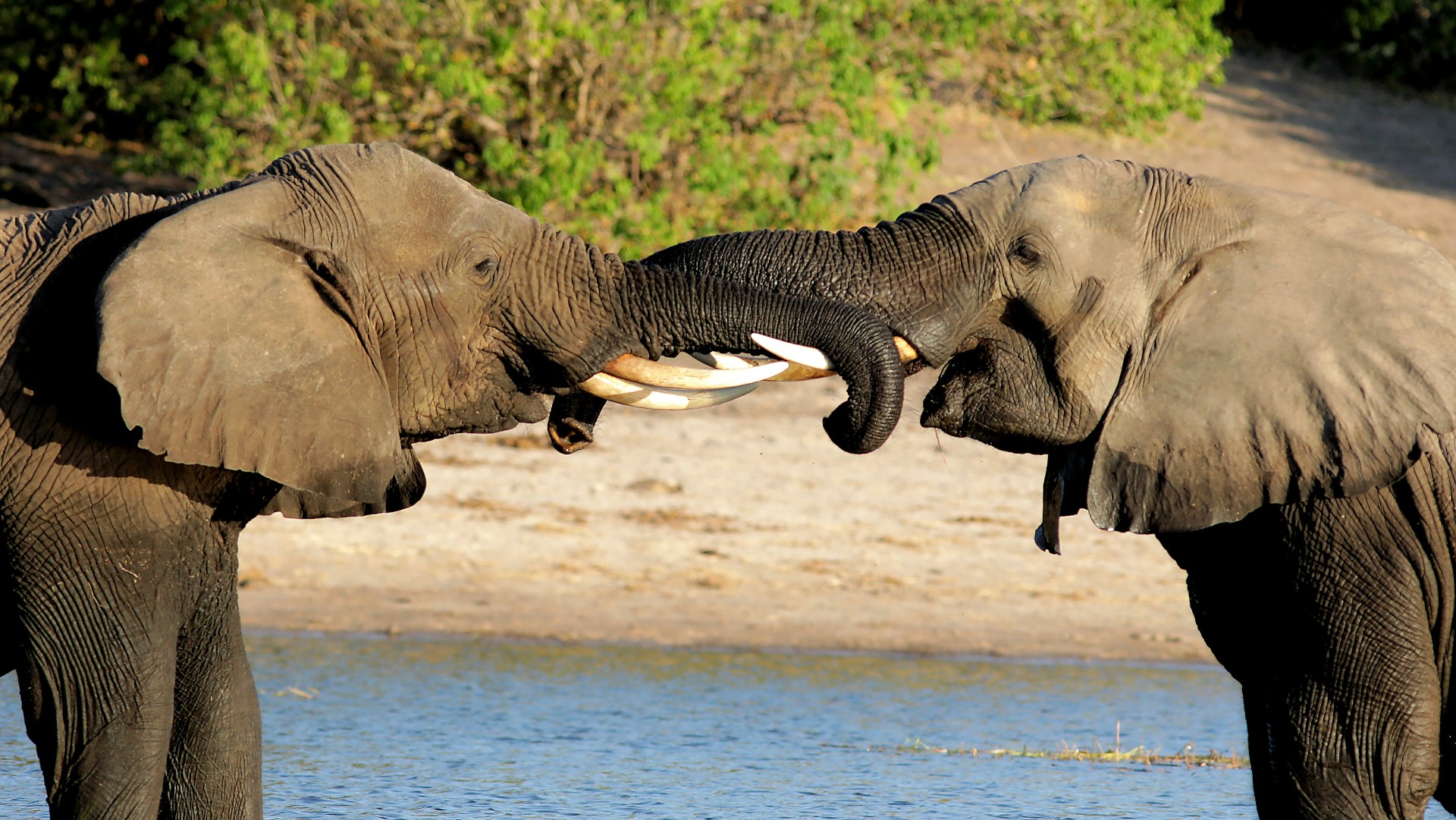
The scale is striking. Botswana alone is home to roughly 130,000 elephants, the largest population on the continent. When seasonal pans in the north dry out, family groups instinctively head south toward the Boteti River and the vast Makgadikgadi Salt Pans. In Kenya, the Laikipia-Samburu ecosystem supports around 7,000 elephants whose traditional migration between Mount Kenya and the Ewaso Ng’iro River has been blocked for decades. Restoring these routes is not simply about nostalgia; it is about genetic health, reduced human-wildlife conflict, and the long-term survival of a species that shapes entire ecosystems.

Elephants do not simply travel across land; they engineer it. Their movement disperses seeds, creates waterholes, and maintains the open savanna that countless other species depend upon.
The Science Behind Elephant Migration
Elephants possess an extraordinary spatial memory. Matriarchs remember the location of water sources that may only fill every ten years, leading their families across hundreds of kilometres with remarkable precision. GPS collar data collected since the early 2000s has mapped these historic corridors with increasing clarity, revealing that many routes follow the same paths used for at least 4,000 years according to archaeological evidence from ancient ivory trade routes.
Seasonal rainfall is the primary driver. In Southern Africa the arrival of the first summer storms triggers a mass southward movement from the permanent waters of the Okavango Delta toward the nutrient-rich grasslands of the Kalahari. In East Africa the pattern reverses with the long rains, as herds move from arid lowlands up into the cooler highlands. When these pathways are severed, elephants often break through fences, raid crops, and come into conflict with people who are themselves struggling to farm increasingly marginal land.
Research from the University of Oxford’s Wildlife Conservation Research Unit shows that elephants confined to small reserves experience higher stress levels, lower reproductive success, and reduced genetic diversity. Corridors allow natural dispersal, mixing of genes between populations, and the ability to escape drought or disease outbreaks. The data is unequivocal: connected landscapes produce healthier elephants and more resilient ecosystems.
Mapping the Ancient Routes
Modern conservationists are using a combination of satellite tracking, camera traps, and traditional ecological knowledge passed down by local communities. In many cases elders can trace family migration stories that match the GPS data with uncanny accuracy. These overlapping sources of information have helped identify priority corridors that require the least intervention yet deliver the greatest benefit.
When we follow the elephants, we are simply remembering paths our ancestors already knew existed.
Botswana’s Bold Corridor Programme
Botswana has emerged as a leader in corridor restoration. The government’s ambitious plan to reconnect the Okavango Delta with the Makgadikgadi Salt Pans involves the strategic removal of veterinary cordon fences that once divided the country into disease-control zones. Between 2018 and 2023 more than 480 kilometres of fencing were taken down, immediately opening up new grazing areas for both wildlife and livestock.
The results have been dramatic. Elephant numbers using the restored Boteti River - Makgadikgadi Pans National Park corridor have increased by over 300 percent in some seasons. Communities living along the route now benefit from photographic tourism revenue that previously bypassed their villages entirely. Several lodges, including those operated in partnership with local trusts, have seen occupancy rates rise as travellers seek to witness this living migration.
Further east, the Khwai Community Area has pioneered a different model. By creating designated wildlife movement zones between private concessions and community land, Khwai has reduced human-elephant conflict by 70 percent while increasing household income through conservation-related enterprises. The approach demonstrates that corridors need not be pristine wilderness; they can be working landscapes where people and elephants coexist through careful planning.
Community-Led Conservation Success
The most effective corridors are those designed with, rather than for, local communities. In Botswana’s Central Tuli Block, farmers have been compensated for land taken out of production and given training in chilli farming as a natural elephant deterrent. The result is a 40-kilometre corridor that allows elephants to move between South Africa and Botswana without damaging crops.
Similar initiatives are underway in the Selinda Reserve, where the removal of internal fencing has created one of the largest privately managed wilderness areas in Africa. Here, the emphasis is on low-density luxury tourism that funds the maintenance of these open landscapes while minimising disturbance to the migrating herds.
Kenya’s Community Conservancies and Corridor Projects
Kenya has taken a different but equally innovative approach through its network of community conservancies. In the Laikipia region, private landowners and pastoralist communities have joined forces to create the Laikipia corridor network, linking isolated populations across more than 10,000 square kilometres of mixed-use land.
The Lewa-Borinasson Corridor, completed in 2017, provides a vital link between Lewa Conservancy and the broader Mount Kenya ecosystem. Since its establishment, elephant movements through the corridor have increased steadily, with more than 400 individuals documented using the route in 2023 alone. The project includes carefully designed underpasses beneath the busy Isiolo-Moyale highway, allowing safe passage even during peak traffic hours.
Further north in the Samburu region, the Northern Rangelands Trust has worked with 33 community conservancies to secure migration routes between the Mathews Range and the Mathews Range National Reserve. These conservancies cover more than 40,000 square kilometres and support both wildlife and the livelihoods of over 300,000 people.
Overcoming Infrastructure Challenges
One of the greatest obstacles to corridor creation is existing infrastructure. Major roads, railways, and power lines can form impenetrable barriers for elephants. Creative engineering solutions are now being deployed across the continent. In Kenya, the Standard Gauge Railway was rerouted in places to avoid cutting through key migration paths, while in Tanzania the Tanzania-Zambia Railway has been fitted with elephant-friendly underpasses.
These interventions come at significant cost. The construction of a single wildlife underpass can exceed $2 million, yet the long-term benefits in reduced vehicle collisions, lower crop losses, and sustained tourism revenue far outweigh the initial investment. International donors, including the European Union and several philanthropic foundations, have recognised this return on investment and are increasingly funding such infrastructure as core conservation measures.
The Role of Private Tourism in Funding Corridors
Luxury safari operators have become crucial partners in corridor conservation. By committing to source from community-owned conservancies and invest directly in land purchases for wildlife movement, high-end tourism provides the economic incentive that makes corridor projects viable. Duba Plains Camp in Botswana, for example, supports the ongoing management of the wider Duba Plains Private Reserve corridor system that links the Okavango with the Chobe River system.
In Kenya, Angama Mara has been instrumental in supporting the Olare Motorogi Conservancy’s efforts to maintain open corridors between the Masai Mara and the Loita Hills. These partnerships demonstrate how premium wildlife experiences can directly fund landscape-scale conservation that benefits both elephants and the communities who live alongside them.
The financial model is compelling. Each elephant that safely migrates through a community-owned corridor can generate between $15,000 and $25,000 annually in tourism revenue that flows directly to local households. This creates a powerful incentive for communities to protect rather than poach or fence off their land.
A safari that helps restore ancient migration routes offers something far richer than photographs. It connects the traveller to one of Africa’s most ambitious and hopeful conservation stories.
What This Means for Travellers
For those planning an African safari, the restoration of wildlife corridors opens up exciting new possibilities. Journeys that follow elephant migration routes offer not only exceptional game viewing but also the chance to witness conservation in action. Several forward-thinking operators now offer specialised corridor safaris that include visits to community projects and meetings with the scientists and rangers working to keep these pathways open.
Best Times to Witness Corridor Movements
The optimal time to observe these movements varies by region. In Botswana, the period from May to October offers the best chance of seeing large herds crossing the Boteti River as they move between the Okavango and the Makgadikgadi region. In Kenya, the dry season between July and October brings elephants down from the highlands into the conservancies of Laikipia and the Masai Mara, where they can be observed from comfortable lodges that actively support corridor maintenance.
Travellers interested in deeper engagement can participate in citizen science programmes that contribute to corridor monitoring. Activities range from helping to collect camera trap data to joining guided walks along historic migration paths with local elders and conservationists.
Challenges and Future Prospects
Despite remarkable progress, significant challenges remain. Climate change is altering traditional rainfall patterns, potentially shifting migration routes in ways that current corridor designs may not accommodate. Human populations continue to grow, increasing pressure on land that might otherwise remain open for wildlife. Political will, while strong in countries like Botswana and Kenya, can fluctuate with changing administrations and competing development priorities.
Yet the momentum is unmistakable. The African Elephant Specialist Group now lists corridor creation as one of its top three priorities for the species’ survival. New projects are being planned that would link populations across international borders, from the Greater Limpopo Transfrontier Conservation Area in the south to the proposed Kidepo-Gulf of Aden corridor in the Horn of Africa.
The success of these initiatives depends on sustained funding, continued community support, and the willingness of governments to prioritise long-term ecological health over short-term development gains. Early results suggest that when these elements align, the benefits extend far beyond elephants to encompass entire ecosystems and the human communities within them.

Conclusion: A Future Where Elephants Roam Free
The restoration of Africa’s wildlife corridors represents more than a conservation success story. It is a reimagining of how humans and wildlife can share a rapidly changing continent. By giving elephants their highways back, we are securing the future of countless other species while creating sustainable economic opportunities for the rural communities who are the true custodians of these landscapes.
For discerning travellers seeking a private safari beyond our set itineraries, we invite you to contact us directly. We specialise in designing exceptional, tailor-made journeys for individuals, couples, families, and private groups of up to eight guests. Drawing on our handpicked network of distinguished camps and lodges, we curate every detail with precision and care, creating a seamless, deeply personal safari experience shaped entirely around your preferences, pace, and budget.
Whether you wish to witness the dramatic river crossings of the restored Boteti corridor, track collared elephants through the Laikipia highlands, or simply experience the quiet thrill of knowing your journey supports these vital conservation efforts, Encounters Africa can craft an experience that deepens your connection to this magnificent continent. The elephants are moving again. The question is whether we will have the privilege of following them.
More like this
Conservation
How Africa's Varied Climates Directly Shape Local Conservation Tactics
Conservation
How Antipoaching Conservation in Zimbabwe Is Changing Lives on the Ground
Conservation
How Botswana Funds and Manages Large-Scale Wildlife Protection
Conservation
How Botswana Rebuilt Its Elephant Populations Through Community Partnerships
Conservation
How Community Stewardship Is Strengthening Rwandan Conservation Efforts
Conservation