Tips & Advice
How Sacred Animals Shape Rituals and Identity in African Communities
Encounters Africa - 8 min read
Updated on 11 August 2026
Across Kenya, Tanzania, and beyond, specific animals serve as totems, messengers, and guardians in longstanding cultural ceremonies. Sacred animals shape rituals and identity in African communities by weaving their presence into foundational myths, initiation rites, and daily spiritual practices that have endured for centuries. This deep interconnection reveals how wildlife is not merely observed but revered as kin, ancestor, or divine intermediary, offering discerning travellers a richer lens through which to understand the landscapes they traverse.
The cultural significance of animals in African societies manifests in ways that bind human identity to the rhythms of the wild. From the lion’s roar echoing through Maasai lore to the elephant’s quiet wisdom in San storytelling, these relationships foster a profound respect that often translates into conservation outcomes far more enduring than external mandates. Encounters Africa has witnessed this synergy firsthand through decades of guiding travellers into meaningful engagements with both wildlife and the communities that steward it.

The Enduring Role of Sacred Animals in African Cosmologies
Animals occupy central positions in the belief systems of countless African societies, functioning as bridges between the visible and invisible worlds. In many communities, particular species are regarded as embodiments of ancestral spirits or as totems that define clan identity and social obligations. This relationship is neither abstract nor symbolic alone; it informs taboos, hunting protocols, and seasonal ceremonies that have guided sustainable resource use for generations.
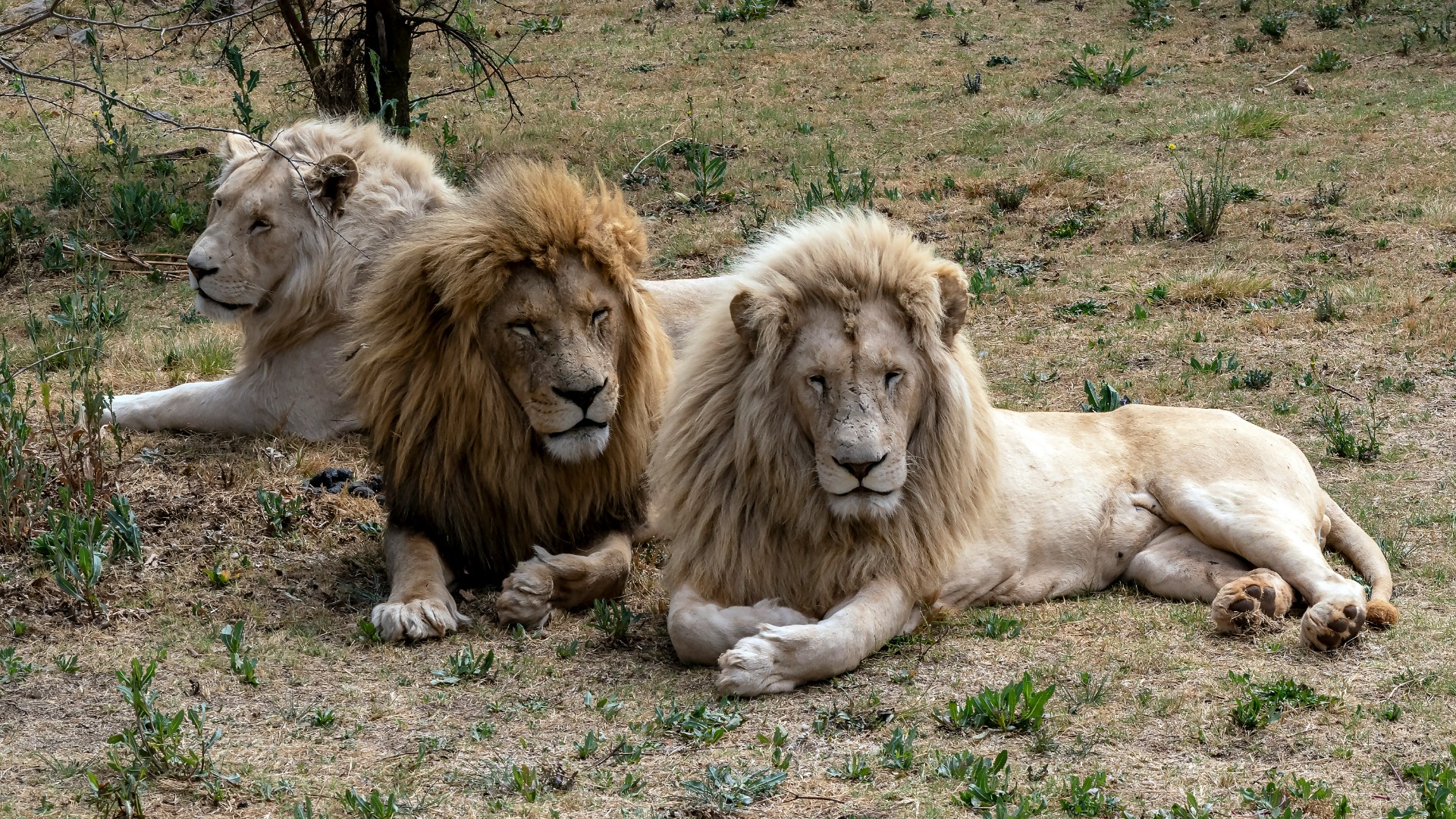
Consider the lion among the Maasai of southern Kenya and northern Tanzania. Traditionally, a young warrior’s passage into adulthood once involved demonstrating courage in the presence of this apex predator, though such practices have largely evolved into symbolic dances and communal storytelling. The lion remains a potent emblem of bravery, leadership, and territorial stewardship, its image recurring in beadwork, oral histories, and contemporary community governance.
Long before conservation became a global concern, African communities understood that protecting the animals woven into their identity was synonymous with protecting their own future.
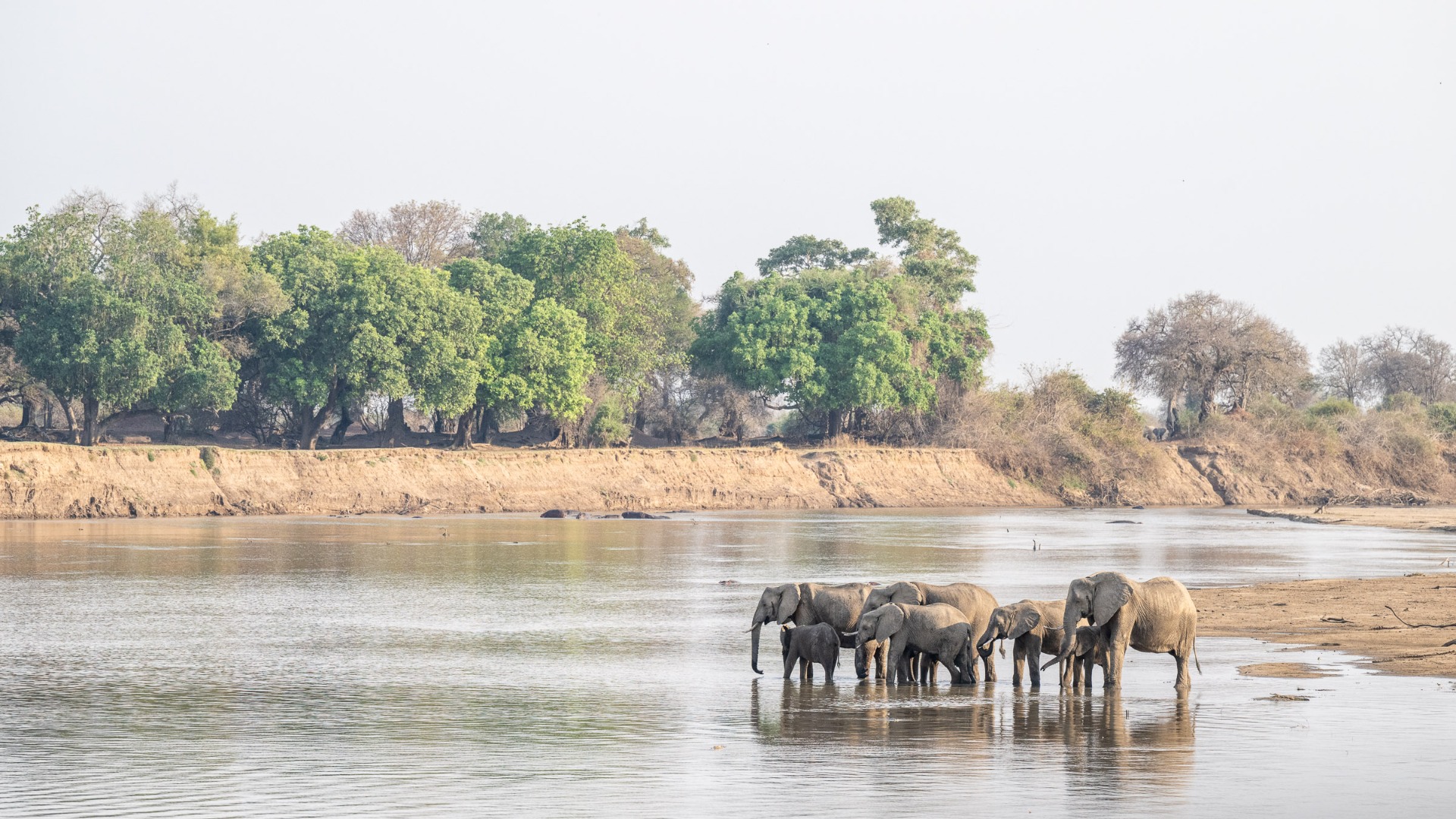
Similarly, the elephant carries layered meanings across regions. Among certain groups in southern Africa, it symbolises memory, family cohesion, and the wisdom of elders. Its towering presence in rock art dating back thousands of years underscores a continuity of reverence that predates colonial records. These cultural associations actively discourage indiscriminate hunting, creating informal but powerful protective frameworks around key species.
How Specific Creatures Influence Ritual Practice
Rituals across the continent frequently incorporate living animals or their symbolic representations at pivotal life moments. In parts of Uganda, the leopard appears in royal regalia and initiation ceremonies of certain kingdoms, representing stealth, authority, and connection to the spirit realm. Ceremonial dances mimic its fluid movement, transmitting knowledge of balance and patience to younger generations.
Birds too hold distinctive places. The fish eagle’s distinctive call is interpreted by some lakeside communities as a message from departed ancestors, prompting specific responses in healing rituals or rain-making ceremonies. In the Okavango region of Botswana, the hammerkop’s nest-building behaviour is observed closely; its elaborate structures are sometimes seen as models of communal harmony and are referenced in marriage blessings.
These integrations are not performative relics but living elements of cultural transmission. When a particular animal appears during a ceremony, it is often read as confirmation or guidance, reinforcing the belief that humans and wildlife share a reciprocal relationship. Such moments offer travellers rare windows into worldviews where the boundary between nature and culture dissolves.
Animals as Markers of Identity and Social Structure
Beyond ritual, sacred animals help define who people are and how they relate to one another. Totem animals frequently determine marriage rules, inheritance patterns, and mutual responsibilities between clans. A person sharing the same totem as another may be treated as extended family, even across great distances, creating social safety nets rooted in respect for a common animal guardian.
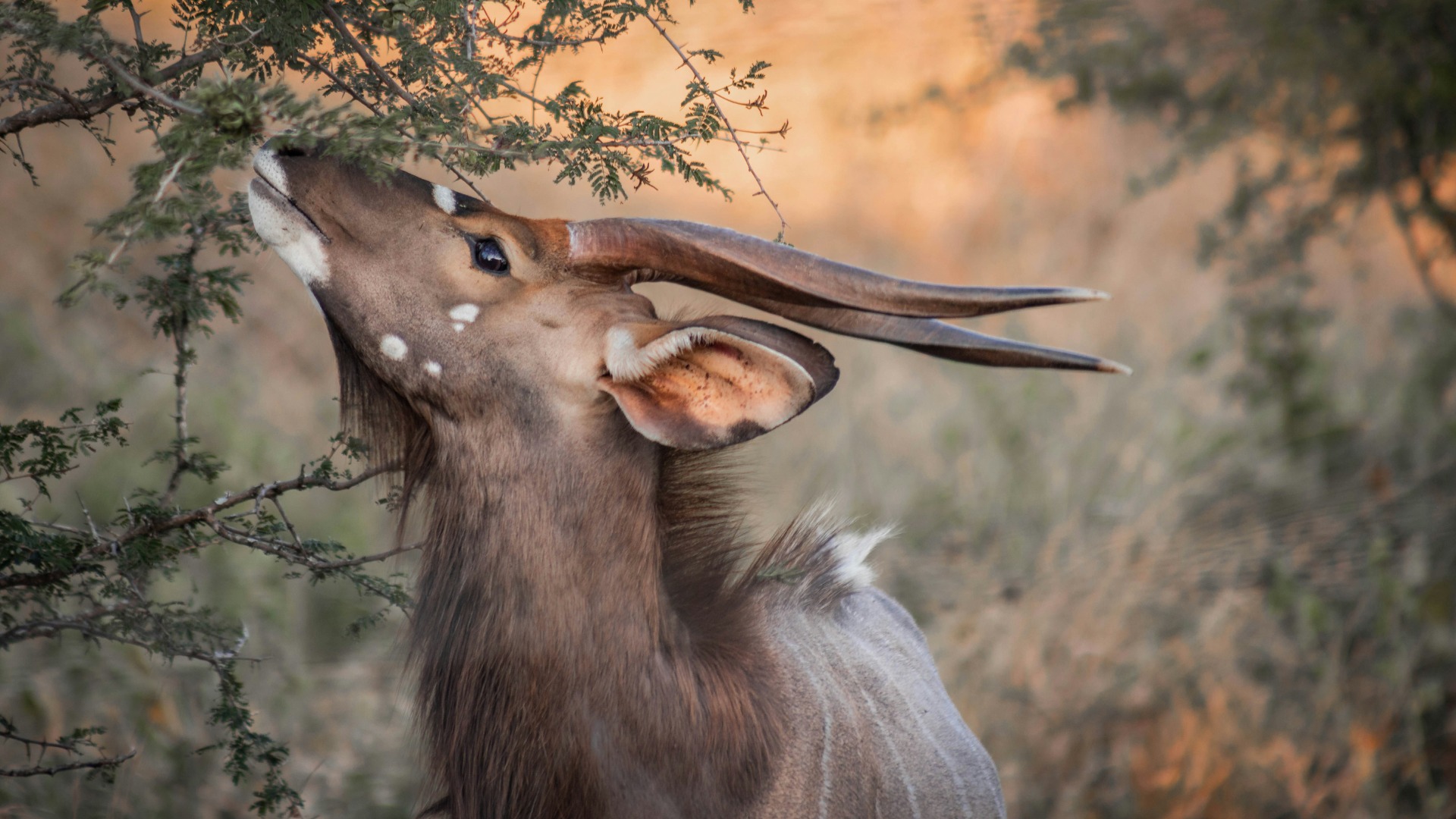
In South Africa, certain Xhosa and Zulu clans trace their lineage to the eland, an antelope celebrated for its grace and spiritual sensitivity. This association influences dietary preferences, naming conventions, and artistic expression. Young initiates may wear regalia featuring eland motifs during coming-of-age ceremonies, internalising values of endurance and community cohesion symbolised by the animal.
To walk respectfully among communities who see lions as brothers or elephants as grandparents is to understand that true luxury travel lies in bearing witness to these ancient dialogues between species and culture.
Such identity markers also extend to conflict resolution. When tensions arise between neighbouring groups, elders may invoke shared totemic animals to remind participants of their common humanity and mutual dependence on healthy ecosystems. This cultural mechanism has helped preserve biodiversity in areas where formal protection was historically absent.
Respectful Engagement: A Traveller’s Guide to Cultural Sensitivity
Visitors drawn to these profound connections often ask how they can participate without causing offence or disrupting sacred practices. The answer begins with listening rather than assuming. Many communities welcome genuine interest when it is expressed through established channels, particularly when visitors travel with operators who maintain long-standing local relationships.
Practical steps include learning basic greetings in the relevant language before arrival, asking permission before photographing people or ceremonial objects, and never insisting on access to restricted sites or rituals. Supporting community-owned tourism initiatives ensures that economic benefits flow directly to those preserving these traditions.
Encounters Africa specialises in arranging such sensitive introductions through our carefully nurtured partnerships. Whether observing a traditional dance that honours the buffalo in Zambia or joining a guided walk with San trackers who read the landscape through animal signs, our journeys are designed to deepen understanding while safeguarding dignity and privacy.
Modern Challenges and the Resilience of Tradition
Contemporary pressures ranging from habitat loss to generational shifts pose genuine threats to these intricate cultural-ecological systems. Younger members of communities may migrate to cities, weakening the oral transmission of knowledge about sacred animals. Simultaneously, climate variability alters migration patterns, sometimes making it harder for rituals tied to specific seasonal animal movements to proceed as they have for centuries.
Yet resilience abounds. In several regions, traditional leaders are actively collaborating with conservation organisations to revive protective taboos and integrate cultural knowledge into formal wildlife management. The result is hybrid approaches that prove more effective than top-down models alone, particularly in community conservancies where local buy-in determines long-term success.
Numbers tell part of the story: in Kenya’s conservancies, where cultural values around lions remain strong, human-wildlife conflict has decreased by up to 47 percent in some areas between 2015 and 2022 according to long-term monitoring data. Similar patterns emerge in Namibia’s communal conservancies, where respect for the elephant as a symbol of ancestral presence correlates with lower poaching rates compared to adjacent unprotected lands.
Connecting with Living Heritage on Safari
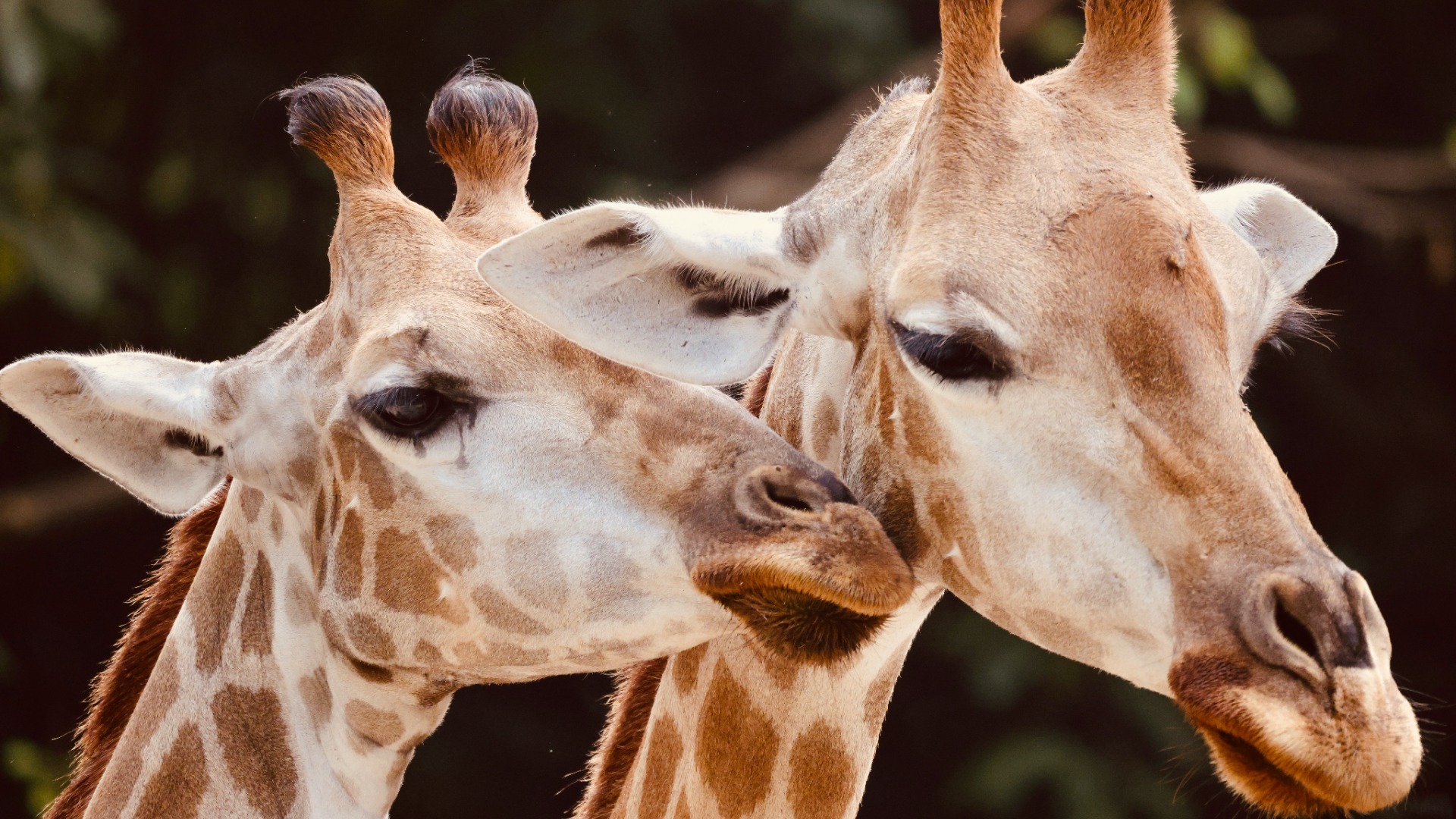
Thoughtful safari design can create space for these cultural dimensions without reducing them to spectacle. At select lodges such as Elewana Elsa’s Kopje Meru in Kenya, guests can arrange visits to nearby communities where elders share stories of the reticulated giraffe’s role in local cosmology. In Botswana, certain camps in the Okavango Delta facilitate respectful meetings with Bayei and Hambukushu communities for whom the crocodile carries particular spiritual weight.
These experiences complement rather than replace traditional game viewing. A morning tracking lions on foot with a knowledgeable guide gains additional layers when one understands how neighbouring villages interpret the same animal’s behaviour through generations of accumulated wisdom. The result is a safari that engages both the senses and the intellect, leaving travellers with insights that linger long after the dust of the plains has settled.

When we approach African landscapes with awareness of the cultural narratives that have shaped them for millennia, we move beyond mere observation toward genuine relationship.
Honouring the Bond Between Culture and Conservation
The intricate ways sacred animals shape rituals and identity in African communities demonstrate that wildlife protection and cultural continuity are inseparable. By recognising animals as active participants in the human story rather than background scenery, these societies developed sophisticated systems of coexistence that modern conservation increasingly seeks to emulate.
For those planning a journey that respects and celebrates these dimensions, the rewards extend far beyond memorable photographs. Travellers return transformed by encounters that reveal the profound interdependence of people, animals, and place across the continent. Whether witnessing a Maasai elder reading lion tracks with ancestral knowledge or listening to San storytellers weave elephant lore beneath a starlit sky, such moments crystallise why Africa continues to captivate those who seek depth as well as beauty.
For discerning travellers seeking a private safari beyond our set itineraries, we invite you to contact us directly. We specialise in designing exceptional, tailor-made journeys for individuals, couples, families, and private groups of up to eight guests. Drawing on our handpicked network of distinguished camps and lodges, we curate every detail with precision and care, creating a seamless, deeply personal safari experience shaped entirely around your preferences, pace, and budget.
Discover more about respectful wildlife encounters in our guide to engaging authentically with both wildlife and communities, or explore how traditional knowledge supports modern conservation in our article on rituals and protection. To begin planning your own meaningful African experience, please visit our enquiry form and allow Encounters Africa to craft a journey that honours the profound connections between sacred animals, living cultures, and the travellers privileged to move among them.
More like this
Tips & Advice
How Savvy Timing Transforms Your African Safari Experience
Tips & Advice
How Savvy Travelers Turn African Safaris into Lasting Memories
Tips & Advice
How Shifting Animal Patterns Are Reshaping Maasai Ceremonies in Kenya
Tips & Advice
How Thoughtful Guests Elevate Their South African Lodge Experience
Tips & Advice
How to Choose the Right Luxury Lodge in Zambia for Your Safari Style
Tips & Advice