tips and advice
How Camp Choice, Transfers and Park Fees Shape Your Luxury Safari Bill
Encounters Africa - 7 min read
Updated on 31 August 2026
From vehicle privacy and aircraft hops between remote airstrips to seasonal shifts and daily conservation contributions, multiple elements decide the final figure on a luxury safari. Encounters Africa, the specialist arm of the Secret Namibia group, designs tailor-made safaris across South Africa, Botswana, Kenya, Tanzania, Rwanda, Uganda, Zambia and Zimbabwe by booking directly with camps and lodges rather than through layers of agents. We draw on three decades of combined experience to create journeys for individuals, couples, families and private groups of up to eight guests from our Cape Town base, reshaping any of our 81 published itineraries to suit.
What actually drives the cost of a luxury safari reveals itself in layers, each choice shaping both the experience and the invoice. Camp category sets the foundation, while decisions around vehicle use, how you travel between wilderness areas, the fees that support the landscapes, and the time of year you visit all add their own weight. Understanding these variables allows travellers to align their priorities with a realistic budget.
The Role of Camp Category in Safari Pricing
Luxury safari camps exist on a spectrum, from comfortable tented lodges with en-suite facilities to ultra-exclusive private villas complete with personal chefs and plunge pools. The category directly influences nightly rates because it reflects the level of exclusivity, service, guiding expertise, and the intimacy of the setting.
At the more accessible end of the luxury spectrum, well-appointed tented camps with shared common areas might range between $800 and $1,400 per person per night. Move into premier private concessions with spacious suites, dedicated butlers, and fine dining under the stars, and figures typically climb to $1,800-$3,000 or more. These higher tiers often include enhanced guiding ratios and bespoke touches that transform a stay into something deeply personal.
The true measure of luxury on safari lies not in marble bathrooms but in the quiet privilege of having the wilderness feel as though it belongs only to you and your guide.
Prices in this segment vary by season, camp and year, with many operators adjusting tariffs annually to reflect operational costs and demand. For those seeking Duba Plains Camp or similar flagship properties, the investment delivers memories that linger long after the journey ends.
Private Versus Shared Vehicles: A Defining Choice
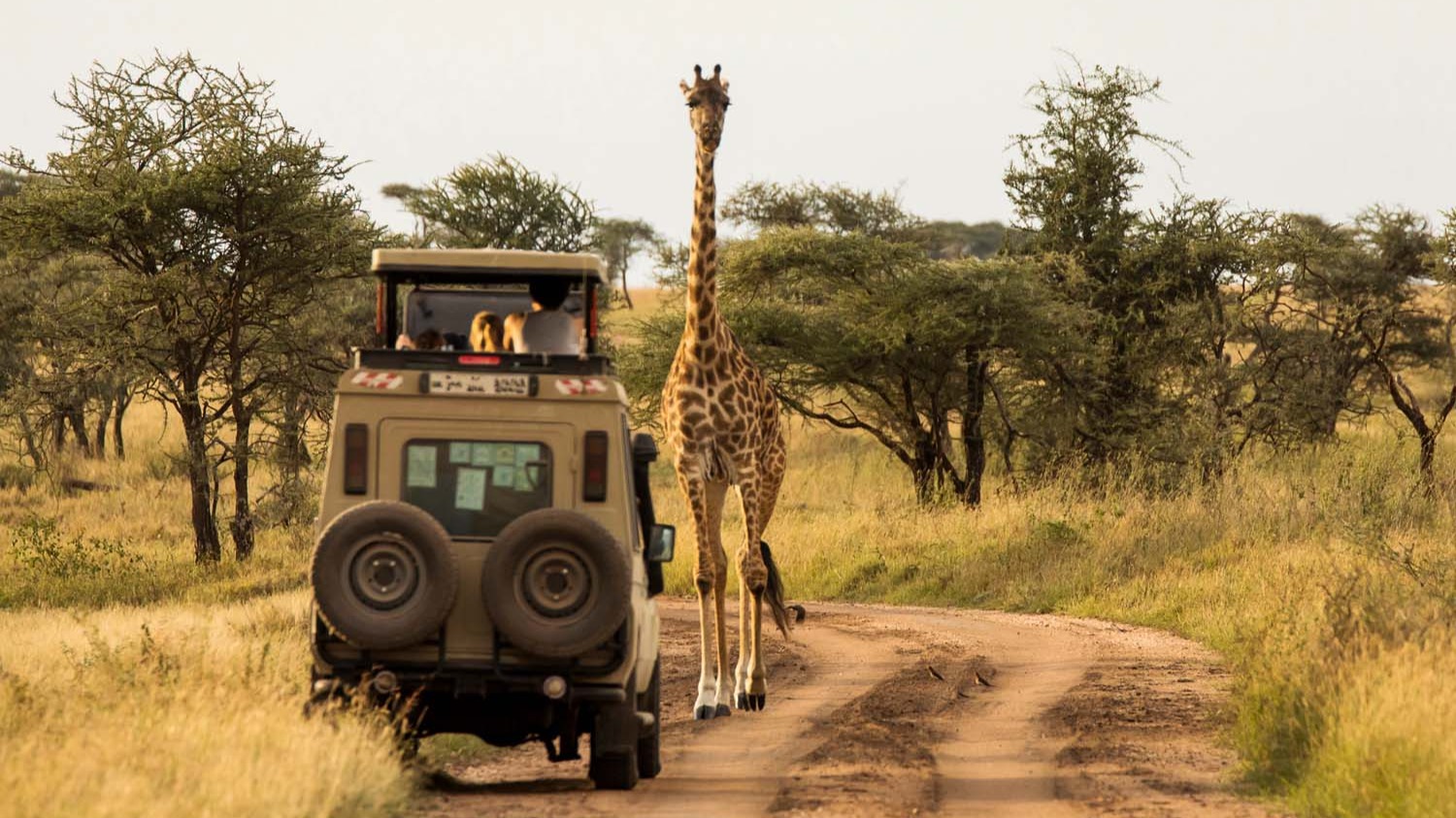
One of the clearest distinctions in safari quality comes down to whether you share your game-viewing vehicle or enjoy it privately. Shared vehicles, common in many national parks, keep costs lower but limit flexibility. Private vehicles, by contrast, allow your guide to respond to your interests, linger at sightings, and depart when the moment feels right.
Opting for a private vehicle typically adds between $300 and $650 per day to the programme, depending on destination and group size. In places like the Masai Mara or Okavango Delta, this premium unlocks the freedom to follow a leopard’s hunt at dawn or wait for a herd of elephants to cross a channel without pressure from other guests.
The difference becomes especially meaningful during peak wildlife activity. A private vehicle transforms passive observation into active participation, letting photographers set up the perfect angle or families pause for an impromptu picnic when excitement runs high.
Why Light Aircraft Transfers Command a Premium
Reaching remote wilderness areas often requires flying in small aircraft rather than enduring long, dusty road transfers. These light aircraft hops not only save valuable time but also offer breathtaking aerial perspectives of the landscapes below.
A single flight between camps can range from $350 to $950 per person, with costs scaling according to distance, aircraft type, and fuel prices that fluctuate yearly. In vast destinations like Botswana or Tanzania, multiple transfers may be necessary, yet they preserve energy for the actual safari rather than exhausting it on transit.
Beyond efficiency, the experience itself adds intangible value. Gliding low over golden floodplains or volcanic craters creates indelible first impressions that road travel simply cannot match. For many travellers, these scenic flights become highlights of the entire journey.
Park Fees and Conservation Contributions Explained
Daily park and conservation fees represent an often-overlooked but vital component of any safari quotation. These charges fund anti-poaching efforts, community projects, and habitat management across protected areas.
In premier private concessions, daily conservation levies can reach $100-$250 per person, while national park entry fees vary widely. For instance, gorilla trekking permits in Rwanda currently stand at $1,500 per person for a single trek, a figure set by the Rwanda Development Board and subject to periodic review.
These contributions directly support the landscapes travellers come to experience. When you pay for access to Lewa Conservancy or similar areas, your fees help secure corridors for migrating species and improve local livelihoods, creating a virtuous circle of conservation and tourism.
Every dollar spent on conservation fees becomes part of the living legacy that keeps Africa’s wild places intact for future generations of travellers and wildlife alike.
How Season Influences Overall Safari Costs
The time of year you choose to travel exerts one of the strongest influences on pricing. Peak dry season, when wildlife concentrates around water sources and vegetation is sparse, commands the highest rates. Green season brings dramatic savings alongside the spectacle of newborn animals and lush landscapes.
High-season rates in popular regions often sit 30-50 percent above shoulder or green season equivalents. A stay that costs $2,200 per person per night in July might drop to $1,400 during the shoulder months of November or March, with further reductions available in the true wet season when many camps offer attractive value packages.
Seasonal differences extend beyond price. Migratory patterns, birdlife, and even the quality of photographic light shift dramatically throughout the year, making the choice of timing as important as the choice of camp.
What Does a Luxury African Safari Cost Per Person Per Night?
A luxury African safari typically costs between $1,200 and $4,500 per person per night, though the final figure depends heavily on the specific combination of camp category, vehicle privacy, transfers, fees, and season. Entry-level luxury experiences in shared vehicles during shoulder periods may start around $900-$1,500, while fully private, ultra-luxury programmes in peak season with multiple light aircraft transfers and premium conservation areas frequently exceed $3,000 per person per night.
These ranges reflect real-world pricing that varies by season, camp and year. A seven-night itinerary in South Africa’s private reserves might total $12,000-$18,000 per person, whereas a similar duration exploring Kenya’s conservancies and the Masai Mara could range from $15,000 to $28,000 depending on the elements chosen. Always request current quotations, as tariffs are reviewed annually and special offers appear during transitional months.
Rather than chasing the lowest price, discerning travellers focus on value: matching their desired experience with the elements that matter most to them.
Shaping Your Perfect Safari Experience
Understanding what drives the cost of a luxury safari empowers you to make informed decisions rather than simply accepting a fixed package. By weighing the merits of private vehicles against shared ones, considering the advantages of flying between remote camps, and timing your journey thoughtfully, you can craft an experience that feels both authentic and personally meaningful.
Encounters Africa stands ready to translate these insights into a seamless itinerary. Whether you are drawn to the predator-rich plains of the Serengeti or the watery wonderland of the Okavango, our team specialises in curating journeys that balance aspiration with practicality.
For discerning travellers seeking a private safari beyond our set itineraries, we invite you to contact us directly. We specialise in designing exceptional, tailor-made journeys for individuals, couples, families, and private groups of up to eight guests. Drawing on our handpicked network of distinguished camps and lodges, we curate every detail with precision and care, creating a seamless, deeply personal safari experience shaped entirely around your preferences, pace, and budget.
Begin your planning by visiting our enquiry form or exploring our collection of safari itineraries. For context on neighbouring Namibia, read our guide on how much a Namibian safari costs or discover the ultimate Namibia all-inclusive luxury safari.
More like this
tips and advice
How Local Knowledge Transforms Your Shots of Uganda’s Wildlife
tips and advice
How Much Cash Should You Hand Your Safari Guide at Trip's End
tips and advice
How Much Should You Tip on an African Safari?
tips and advice
How Safari Camps Balance Signal Strength and Intentional Silence Across Africa
tips and advice
How to Shape a Private Safari Honeymoon Around Sleep-Outs and Secluded Villas
tips and advice