Destination Guides
How the Okavango Delta Floods Months After Local Rains End
Encounters Africa - 7 min read
Updated on 26 August 2026
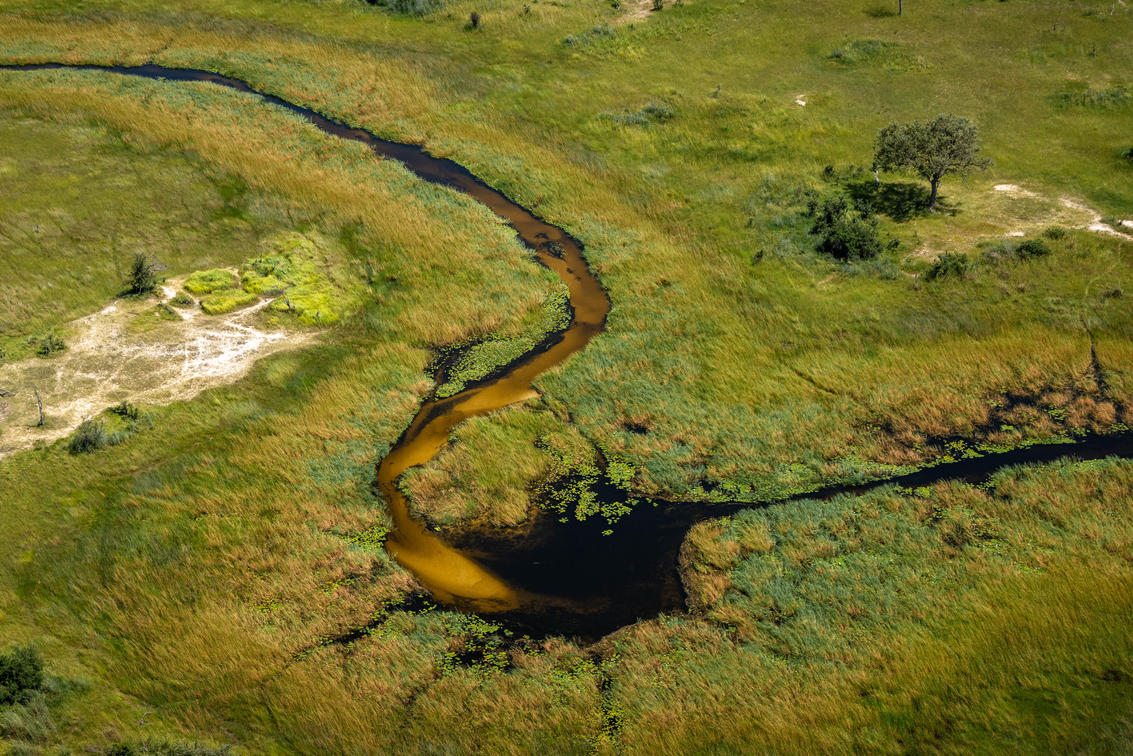
The Okavango Delta floods months after local rains end, creating one of Africa’s most mesmerising seasonal rhythms. This delayed inundation draws water from distant Angolan highlands, transforming parched grasslands into a vast inland delta that supports abundant wildlife long after Botswana’s own wet season has passed. For travellers planning a water-based experience, understanding this cycle shapes everything from mokoro routes through narrow channels to the selection of intimate camps that shift with the rising waters.
Encounters Africa, the specialist arm of the Secret Namibia group, crafts tailor-made safaris across eight countries by booking directly with camps and lodges rather than through layers of agents. This guide explains the Delta’s delayed flooding, how it shapes mokoro routes through narrow channels, and what it means for traveller timing and camp selection. Read the dedicated section answering “What is a mokoro safari in the Okavango Delta?” and discover our 10-day wilderness itinerary.
The Science Behind the Delayed Flood
Rain falls heavily in the Angolan highlands between November and March, yet the water only reaches the Okavango Delta some four to six months later. This lag occurs because the water travels more than 1,000 kilometres along the Okavango River, filtering slowly through the Kalahari sands. By the time it arrives in Botswana, usually peaking between May and August, the local summer rains have long since ended and the landscape has dried.
The result is a flood that arrives out of phase with Botswana’s rainfall, turning the Delta into a seasonal wetland when the rest of the country experiences its driest months. This reversal concentrates game around the permanent and expanding waterways, offering exceptional game viewing. The best time to visit the Okavango Delta for water activities is therefore during these cooler, drier winter months when the flood is at its height.
The water arrives like a quiet tide, months after the last local storm, reminding us that Africa’s greatest spectacles often follow their own unhurried schedule.
What Is a Mokoro Safari in the Okavango Delta?
A mokoro safari in the Okavango Delta involves gliding silently through shallow, reed-lined channels in a traditional dugout canoe, traditionally propelled by a skilled poler standing at the stern. These low-slung craft allow travellers to slip beneath overhanging branches and navigate narrow waterways where larger boats cannot reach, offering an intimate perspective of the Delta’s intricate ecosystem. Game viewing from a mokoro focuses on birds, aquatic life, and the smaller details often missed from a vehicle, such as the delicate movement of painted reed frogs or the sudden splash of a reedbuck.
Modern mokoros are often made from fibreglass for durability and conservation reasons, yet they retain the graceful silhouette of the original wooden versions. Journeys typically last two to four hours, accompanied by an experienced guide who shares knowledge of the plants, insects, and subtle signs of larger animals nearby. This serene form of exploration contrasts beautifully with the more dynamic game drives and walking safaris that complete a classic Delta itinerary.
How Seasonal Flooding Shapes Mokoro Channels
As the floodwaters advance, they fill a labyrinth of channels that change dramatically from month to month. In the early flood season, typically April and May, water begins seeping into the permanent swamps, opening up narrow passages that were dry only weeks before. By peak flood in July and August, these channels can stretch for kilometres, allowing mokoro polers to guide guests deep into previously inaccessible areas where hippos wallow and elephants wade chest-deep.
The shifting water levels also influence the vegetation. Papyrus and reeds grow vigorously with the rising flood, sometimes narrowing channels overnight and forcing guides to seek alternative routes. This constant adaptation creates an ever-changing map that no printed chart can fully capture. Travellers who embrace this fluidity often discover the most rewarding corners of the Delta.
Each flood writes a new chapter across the landscape, and the most attentive travellers are those who let the water itself dictate the day’s route.
Choosing the Right Camp for Water Safaris
Selecting the ideal camp for a water-focused experience requires matching location to the current flood levels. Camps in the northern Delta, such as those near the Okavango Delta panhandle, often offer reliable deep-water channels even in lower flood years. Further south, properties positioned beside seasonal floodplains provide outstanding mokoro access during peak months but may rely more on game drives when waters recede.
Experienced specialists review weekly flood reports and historical data before confirming any booking. Because Encounters Africa books directly with the camps and lodges, adjustments can be made right up to departure if the flood behaves unusually. This direct relationship, built on three decades of combined experience, ensures that each journey aligns with the Delta’s actual conditions rather than a fixed calendar.
Private concessions generally allow greater flexibility for mokoro excursions than public reserves, where motorboat traffic can disturb the peace. Properties such as Duba Plains Camp and those in the Selinda Reserve exemplify the intimate scale that makes water safaris so memorable, with no more than a handful of guests sharing vast wilderness areas.
What the Out-of-Phase Flood Means for Traveller Dates
The delayed flooding means that planning dates around local rainfall alone will lead to disappointment. A traveller visiting in February, during Botswana’s rainy season, will find lush green landscapes but limited floodwaters for mokoro trips. Conversely, someone arriving in June will experience the magical sight of water spreading across dry ground, even though no rain has fallen locally for months.
This out-of-phase pattern creates two distinct seasons for water activities. The rising flood from April to June offers the excitement of watching the water advance, while the peak flood from July to September delivers the deepest channels and most reliable mokoro access. Shoulder months on either side can still provide excellent experiences, particularly in years when the flood is strong. Our detailed article on the best time to visit the Okavango Delta explained provides further month-by-month insights.
Because the exact arrival and height of the flood can vary by up to six weeks depending on upstream rainfall, flexibility remains essential. Encounters Africa draws on its network across Botswana, South Africa, Kenya and beyond to build itineraries that adapt gracefully to these natural variations.
Practical Considerations for a Successful Water Safari
Preparation enhances any mokoro experience. Pack lightweight, quick-drying clothing in neutral colours, a wide-brimmed hat, and binoculars that can be used comfortably while seated low in the canoe. Sunscreen, insect repellent and a waterproof bag for cameras are essential, as is a sense of adventure when the poler manoeuvres through particularly narrow gaps in the reeds.
Most camps combine mokoro excursions with game drives, walks and, in some areas, boat safaris on deeper lagoons. This variety ensures that even if one element is affected by water levels, the overall safari remains rich. With 81 published itineraries that can all be reshaped, Encounters Africa tailors every journey for individuals, couples, families and private groups of up to eight guests, always guided by the current flood reality.
A mokoro moves at the pace of the water itself, teaching patience and rewarding those who listen closely to the Delta’s quiet rhythms.
Planning Your Own Delta Encounter
The Okavango Delta’s delayed flood is more than a geographical curiosity; it is the heartbeat of one of Africa’s most dynamic wilderness areas. Understanding its timing allows travellers to witness the landscape’s transformation, glide through hidden channels by mokoro, and experience the intimate camps that move in harmony with the water. Whether you seek the drama of rising floodwaters or the serene beauty of peak inundation, the right timing and camp selection make all the difference.
For discerning travellers seeking a private safari beyond our set itineraries, we invite you to contact us directly. We specialise in designing exceptional, tailor-made journeys for individuals, couples, families, and private groups of up to eight guests. Drawing on our handpicked network of distinguished camps and lodges, we curate every detail with precision and care, creating a seamless, deeply personal safari experience shaped entirely around your preferences, pace, and budget.
Reach out today via our enquiry form and allow Encounters Africa to craft your perfect Okavango water safari.
More like this
destination guides
How to Combine Gorilla Trekking and Savannah Safari in One Seamless East African Trip
destination guides
How to Plan a Cross-Border Safari from Namibia's Kalahari to Botswana's Okavango Delta
destination guides
How Water Levels Transform Victoria Falls Across the Seasons
destination guides
Inside Hotel No. 5: A Day Unfolds in Urban African Elegance
_quality(80)-cropped.jpg)
destination guides
Inside Ngorongoro Crater: Geology, Rhino and the Right Time to Descend
destination guides