Conservation
How Travelers Directly Strengthen Botswana's Anti-Poaching Networks
Encounters Africa - 9 min read
Updated on 3 August 2026
Travelers who choose their Botswana safari with intention directly strengthen the country's anti-poaching networks. From the moment you book with an operator that channels funds into community ranger programmes, your journey becomes part of a living defence system protecting more than 130,000 elephants, healthy lion prides and one of Africa's strongest populations of endangered wild dogs. This is not abstract support; it is measurable impact that safeguards vast wetlands, river systems and the fragile salt pans that sustain life across the country.
The best time to visit Botswana for meaningful conservation engagement runs from May to October, when drier conditions concentrate wildlife near permanent water sources and anti-poaching patrols operate at peak efficiency. During these months, the Okavango Delta and surrounding concessions reveal the intricate ways local communities, private operators and government agencies collaborate to keep poaching incidents among the lowest on the continent. Every decision you make, from lodge selection to daily safari conduct, ripples outward to reinforce these networks.
Every traveller who insists on operators that employ local guides and contribute visibly to anti-poaching becomes an active participant in Botswana's conservation success story.
Understanding Botswana's Anti-Poaching Framework
Botswana's approach to protecting its wildlife rests on a sophisticated partnership between state agencies, private concessions and community conservancies. The Department of Wildlife and National Parks coordinates with specialised anti-poaching units that cover more than 100,000 square kilometres of protected land. These teams use a combination of ground patrols, aerial surveillance and real-time intelligence networks that have reduced elephant poaching to near zero in many zones since the mid-2010s.
Community-led initiatives form the backbone of this system. In areas such as the Khwai Community Area, residents receive direct economic benefits from tourism revenue that funds their own ranger teams. These local guardians possess unmatched knowledge of the terrain and animal movements, allowing them to detect suspicious activity long before external patrols arrive. When travellers stay in camps that employ these community rangers, they help sustain salaries, training programmes and equipment that keep the network operational year-round.
Private concessions play an equally vital role. Operators working in the Okavango Delta and Selinda Reserve maintain their own anti-poaching teams, often collaborating with government forces through shared radio systems and joint operations. This layered defence has produced striking results: Botswana now hosts the world's largest contiguous elephant population, with numbers stabilised through consistent protection and habitat management.
The Role of Technology in Modern Protection
Contemporary anti-poaching in Botswana increasingly relies on thermal imaging, GPS tracking collars on key species and drone surveillance over remote floodplains. Several forward-thinking lodges partner with organisations that deploy these tools while training local staff to interpret the data. Choosing such operators ensures your safari directly funds technological advancement that extends the reach of ground teams working in challenging conditions.
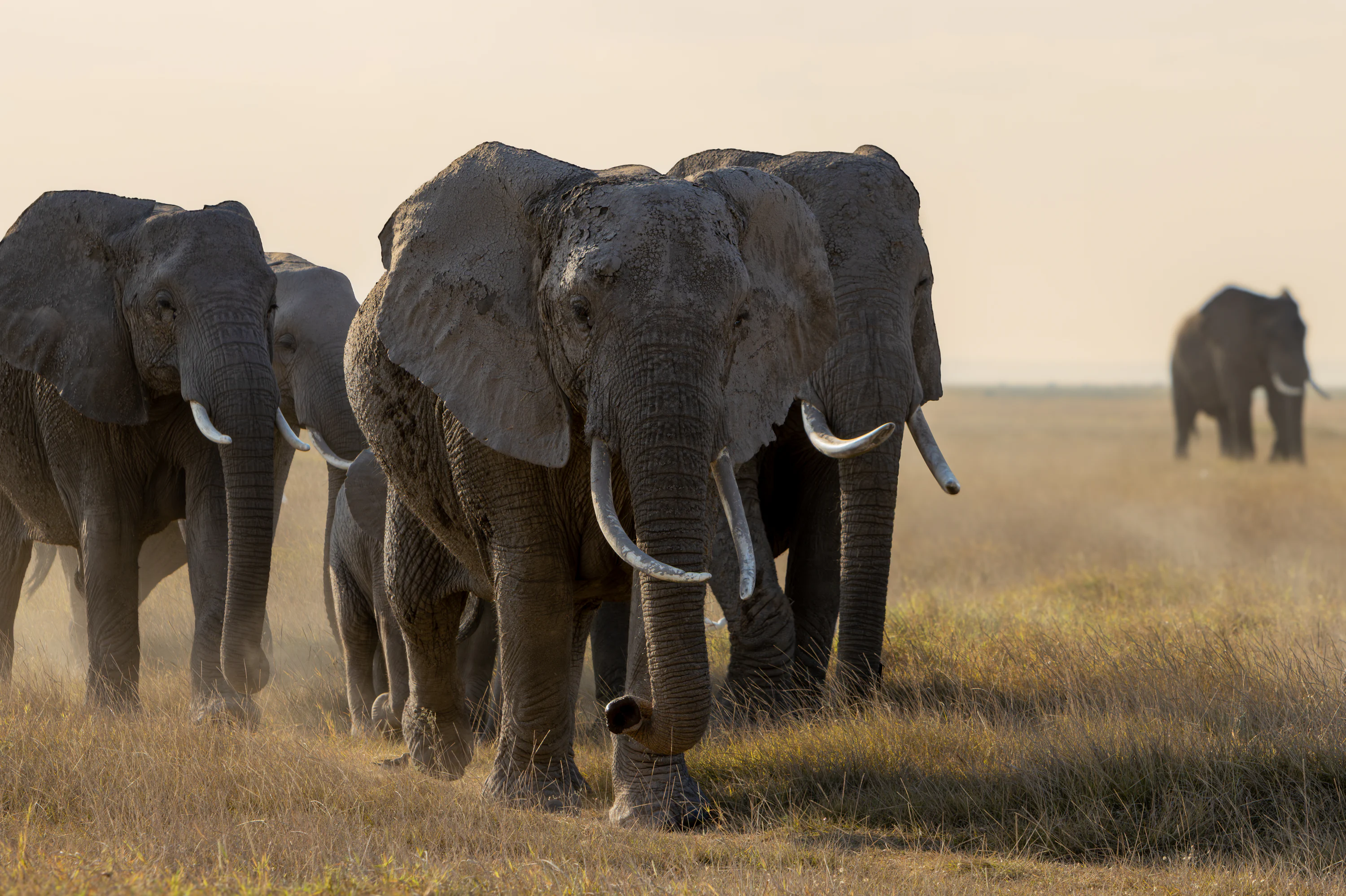
In Botswana, conservation is not a distant ideal but a daily collaboration between communities, operators and travellers who understand that protection begins with presence and conscious choices.
How Your Choice of Lodge Strengthens Protection Networks
When you select accommodation that demonstrably supports anti-poaching, your booking becomes a direct investment. Properties such as Duba Plains Camp and Chobe Game Lodge channel significant portions of revenue into ranger salaries, vehicle maintenance and community development projects that reduce the economic incentives for poaching. These camps often employ more local staff per guest than the regional average, creating a virtuous cycle where wildlife protection and human wellbeing advance together.
Look for operators that publish transparent reports on their conservation contributions. Many leading camps in the Moremi Game Reserve and surrounding private reserves detail exactly how much of each guest's rate supports specific initiatives, from purchasing patrol boats for the Chobe River Front to funding veterinary programmes that keep wild dog packs healthy. By reviewing these figures before booking, travellers ensure their resources reach the front lines where they matter most.
Beyond financial contributions, responsible lodges train their guides to recognise and report illegal activity without compromising guest safety. This creates an additional layer of observation across remote landscapes where official patrols cannot be everywhere at once. A well-prepared guide who knows both the animals and the warning signs of disturbance becomes an extension of the national anti-poaching effort.
Carbon Tracking and Broader Environmental Stewardship
Forward-thinking operators now measure and offset their carbon footprint with verifiable projects that benefit both wildlife corridors and local communities. When you select a camp that tracks its emissions and invests in reforestation or solar infrastructure, you support a model that reduces pressure on natural resources while maintaining the economic benefits of tourism. Several properties in the Central Tuli Block have pioneered these approaches, demonstrating that luxury experiences need not come at environmental cost.
Practical Behaviors That Support Anti-Poaching During Your Safari
Once in the field, small adjustments to your conduct can significantly aid protection efforts. Staying on designated tracks prevents unnecessary habitat damage that could create easier access points for poachers. Keeping noise levels low during game drives allows guides to detect subtle sounds that might indicate unusual activity, from distant vehicle engines to distressed animal calls.
Respecting strict viewing distances and never encouraging off-road driving for closer photographs maintains the natural wariness that keeps animals away from areas vulnerable to snares. When everyone follows these guidelines, wildlife remains in predictable patterns that rangers can more effectively monitor. Your guide will appreciate guests who understand that patience often yields better sightings while simultaneously supporting conservation objectives.
Photographers in particular can contribute by avoiding the use of bright artificial lights or drones without proper permits, both of which can disturb animals and interfere with anti-poaching surveillance equipment. Instead, focus on capturing authentic behaviour during the golden hours when natural light reveals the landscape's true character and animals move most freely.
Recognising and Reporting Signs of Illegal Activity
Knowledgeable travellers become additional eyes for conservation teams. Learning to identify fresh snare wire, unusual vehicle tracks in restricted zones or animals showing signs of recent injury equips you to alert your guide appropriately. Professional operators maintain clear protocols for sharing such information with relevant authorities while protecting guest anonymity and safety.
The quiet decision to travel with operators who employ community rangers and fund ongoing patrols creates ripples that reach far beyond any single safari.
Community Conservancies: Where Tourism Meets Lasting Protection
Botswana's community conservancies represent one of the most successful models of linking tourism revenue directly to wildlife protection. In the Khwai and surrounding areas, residents have transitioned from resource competition to stewardship, with tourism income funding both anti-poaching efforts and essential community services. This shift has dramatically reduced poaching while improving local attitudes toward wildlife.
When you choose experiences that visit these community-managed areas, you help sustain this model. Many conservancies now offer cultural interactions that provide additional income streams, further decreasing reliance on unsustainable practices. These encounters, when thoughtfully arranged, create genuine connections that remind travellers why protection matters on a human scale.
The success of these initiatives depends on consistent visitor numbers and responsible behaviour. By planning your Botswana journey through operators who partner with established conservancies, you ensure that tourism continues to deliver tangible benefits that make conservation the most viable economic choice for local communities.
Common Questions About Supporting Conservation in Botswana
How much of my safari cost typically reaches anti-poaching efforts? Leading operators in Botswana direct between 8 and 15 percent of each booking directly to conservation activities, including ranger salaries, equipment and community projects. This often translates to several hundred dollars per guest stay that funds specific, measurable outcomes such as patrol days or veterinary interventions.
Can individual travellers really influence national-level protection? Yes. Botswana's anti-poaching success stems partly from the collective choices of thousands of international visitors who prioritise responsible operators. Each booking that supports community employment and transparent conservation funding strengthens the economic argument for maintaining protected areas over alternative land uses.
What should I ask operators before booking? Inquire about their employment of local community members in anti-poaching roles, their contributions to specific protection programmes, and whether they publish annual conservation reports. Reputable camps welcome these questions and provide clear data on their impact.

Long-Term Impact: From Individual Journeys to Landscape-Scale Protection
The cumulative effect of conscious travel choices has helped Botswana maintain its status as a global conservation leader. Elephant numbers have recovered from earlier declines, wild dog packs have expanded their range and tourism revenue now forms a cornerstone of national funding for protected areas. These gains remain fragile, however, and depend on continued international support through responsible tourism.
By extending your journey to include time in lesser-visited areas such as the Makgadikgadi Salt Pans, you help distribute economic benefits more evenly while experiencing ecosystems that few travellers reach. This broader engagement supports holistic landscape conservation that protects entire watersheds and migratory routes essential for long-term species survival.
Photography-focused travellers can contribute further by sharing images that highlight successful conservation stories rather than simply showcasing individual animals. When posted with context about the protection efforts that made the sighting possible, these images inspire others to make similarly responsible choices.
Planning Your Responsible Botswana Safari
Creating a safari that meaningfully supports Botswana's anti-poaching networks requires thoughtful planning and the right partners. Encounters Africa specialises in designing these journeys, matching travellers with camps and concessions whose conservation credentials align with individual interests and values. Whether you seek intimate encounters with wild dogs in the Selinda Reserve or wish to understand elephant management across the broader landscape, we can craft an itinerary that delivers both exceptional experiences and genuine impact.
For discerning travellers seeking a private safari beyond our set itineraries, we invite you to contact us directly. We specialise in designing exceptional, tailor-made journeys for individuals, couples, families, and private groups of up to eight guests. Drawing on our handpicked network of distinguished camps and lodges, we curate every detail with precision and care, creating a seamless, deeply personal safari experience shaped entirely around your preferences, pace, and budget.
Begin your journey by exploring our enquiry form or discover more through our guide to Botswana safaris that prioritise both wildlife encounters and lasting conservation outcomes. The choices you make today help determine the landscapes and wildlife that future generations will inherit.
More like this
Conservation
How Uganda's Community Rangers Reversed Poaching Declines in Bwindi
Conservation
How Uganda's Mountain Gorillas Survive Against the Odds
Conservation
How Visitors Can Support Anti-Poaching Efforts in Tanzania’s National Parks
Conservation
How Zimbabwe's All-Female Anti-Poaching Unit Secures the Akashinga Reserve
Conservation
How Zimbabwe's Anti-Poaching Units Leverage Technology to Safeguard Elephants
Conservation