Conservation
How Zimbabwe's All-Female Anti-Poaching Unit Secures the Akashinga Reserve
Encounters Africa - 9 min read
Updated on 13 August 2026
In Zimbabwe's Akashinga Reserve, a unit of women rangers patrols vast landscapes, confronting poachers and safeguarding endangered species. Their story reveals how targeted training and community roots deliver measurable conservation gains. This pioneering all-female anti-poaching unit has transformed how protection efforts operate in southern Africa, blending determination with deep local knowledge to secure one of the region's most vital wildlife strongholds.
Since its inception in 2017, the Akashinga initiative has demonstrated that women, often overlooked in traditional conservation roles, can excel as frontline defenders. Operating in the semi-arid terrain of northern Zimbabwe, these rangers have achieved remarkable results, including a significant reduction in poaching incidents and the recovery of several key species populations. Their approach offers valuable lessons for conservation programmes across the continent.

The Origins of Akashinga
The name Akashinga means "the brave ones" in the local Shona language, a fitting title for a unit that emerged from an unlikely partnership. Founded by former Australian soldier Damien Mander through the International Anti-Poaching Foundation, the programme specifically recruits women from surrounding communities who have faced hardship. Many are single mothers, widows or survivors of domestic violence, bringing a unique resilience to their work.
Initial recruitment focused on women aged 18 to 35 with no formal education requirements. Instead, selection emphasised physical fitness, mental toughness and a genuine connection to the land. The first cohort of 16 rangers underwent rigorous training modelled on special forces methods, including weapons handling, tracking, anti-poaching tactics and survival skills in harsh environments.
The women of Akashinga do not simply guard boundaries; they embody a new model of conservation that places community welfare at its core, proving that empowerment and protection can flourish together.
By 2023, the unit had grown to more than 50 rangers, patrolling an area exceeding 30,000 hectares. Their presence has coincided with a reported 80 percent drop in poaching within the reserve, according to foundation records. These figures reflect not only effective enforcement but also the trust built between the rangers and local people.
Daily Life on Patrol in the Zimbabwean Bush
Life for the Akashinga rangers follows the demanding rhythms of the African bush. Patrols often begin before first light, when the air carries the sharp scent of dew on dry grass and the calls of francolins pierce the silence. Teams of four to six women move on foot or in small vehicles, covering up to 20 kilometres daily while scanning for snares, tracks or signs of intrusion.
Training includes advanced tracking techniques taught by local elders, allowing the rangers to read subtle disturbances in the soil or broken vegetation. They carry out night operations using thermal imaging and maintain radio contact with a central command that coordinates rapid response. The physical demands are considerable, with temperatures soaring above 35°C in the hot season and dropping sharply after sunset.
Between patrols, the women maintain equipment, analyse camera trap data and engage in community outreach. Their schedule leaves little room for rest, yet many describe the work as profoundly fulfilling. The bond between team members is palpable, forged through shared challenges and a common purpose that extends beyond mere employment.
Walking these lands at dawn, rifle in hand and eyes sharp for any threat, each Akashinga ranger carries the hopes of her community and the future of Zimbabwe's wildlife in equal measure.
Why Women Rangers Excel in Anti-Poaching
Research and field observations suggest several reasons why all-female units like Akashinga achieve notable success. Women in these roles often demonstrate exceptional attention to detail, community rapport and de-escalation skills during encounters with potential offenders. In many African societies, cultural norms mean that women can access information and build relationships in ways that male rangers sometimes cannot.
Studies from similar programmes indicate that female rangers are less likely to be corrupted and more inclined to view their role through the lens of family and future generations. At Akashinga, this translates into proactive intelligence gathering from surrounding villages, where the rangers' relatives and friends provide early warnings about poaching syndicates.
The unit's presence has also shifted local perceptions of conservation. Where wildlife protection was once seen as an external imposition, the visible success of these women has fostered genuine community support. Mothers now encourage daughters to consider ranger work, creating a virtuous cycle of empowerment and environmental stewardship.
Training That Builds More Than Skills
The six-month induction programme at Akashinga extends far beyond tactical abilities. Recruits receive literacy and numeracy classes, leadership development and trauma counselling where needed. This holistic approach recognises that effective conservation begins with strong, confident individuals.
International experts in ballistics, first aid and wildlife monitoring contribute to the curriculum, while Zimbabwean instructors ensure cultural relevance. The result is a force that combines global best practice with intimate knowledge of the local ecosystem and its challenges.
Impact on Zimbabwe's Wildlife and Communities
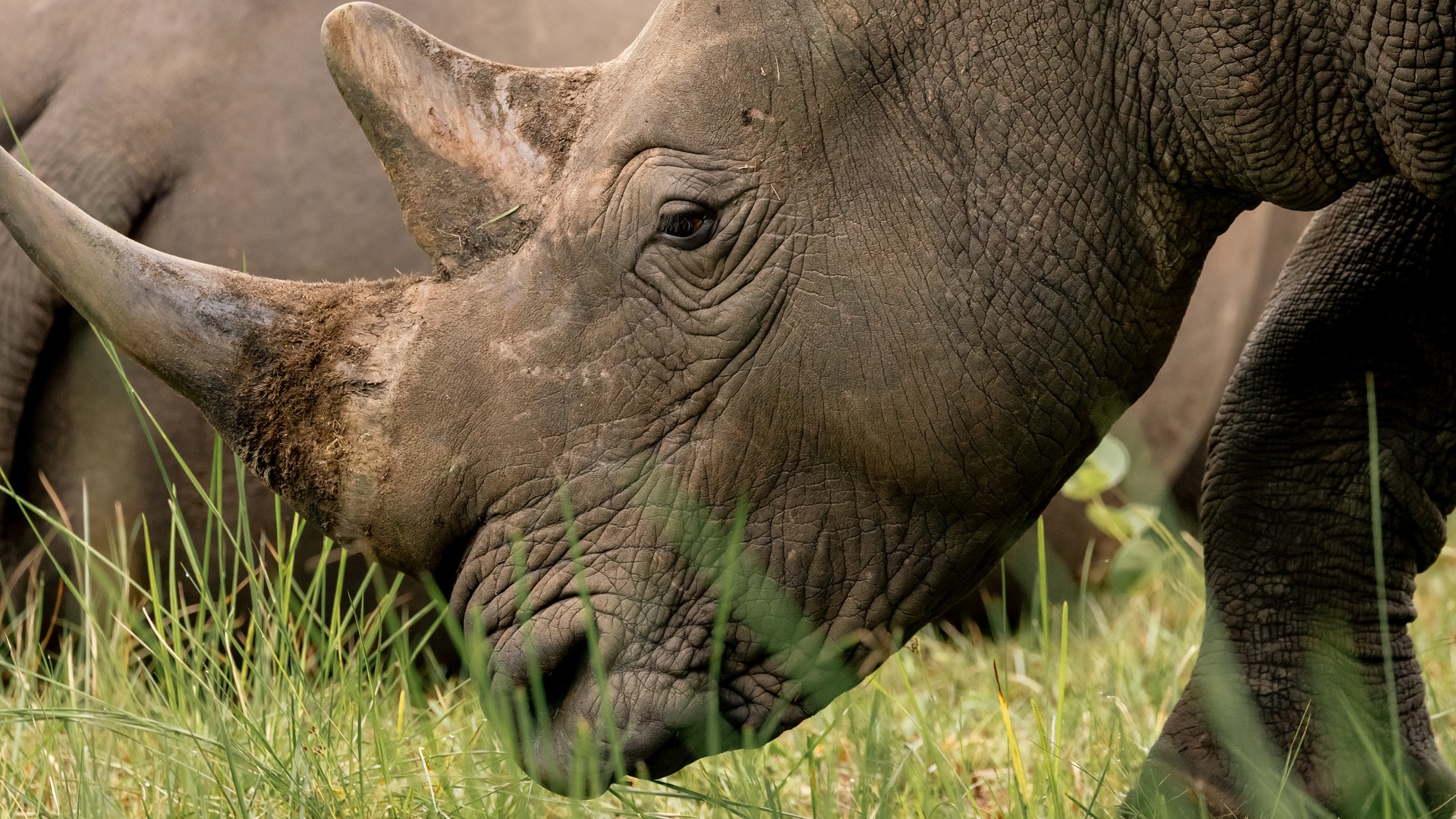
The Akashinga Reserve protects critical habitat for species including elephants, lions, leopards and several antelope varieties. Since the unit became operational, elephant poaching has declined dramatically, with zero recorded incidents in some years. Black rhino numbers have stabilised, offering hope for this critically endangered population.
Beyond direct protection, the programme has delivered measurable socio-economic benefits. Each ranger supports an average of six dependents, injecting vital income into rural households. The initiative has also reduced human-wildlife conflict by improving early warning systems and compensation mechanisms for crop damage.
Local schools now incorporate conservation education with rangers as guest speakers, inspiring younger generations. Agricultural projects supported by the foundation have improved food security, reducing the economic pressures that sometimes drive poaching.
By placing women at the forefront of protection efforts, Akashinga has shown that conservation can simultaneously heal ecosystems and transform lives in some of Zimbabwe's most marginalised communities.
Challenges Facing the All-Female Anti-Poaching Unit
Despite its successes, the Akashinga programme faces ongoing obstacles. Funding remains a constant concern, with operational costs for training, equipment and salaries exceeding $500,000 annually. Political instability in the region can disrupt support networks, while climate change brings more frequent droughts that concentrate both wildlife and human activity around scarce water sources.
The rangers themselves confront personal risks, from dangerous wildlife encounters to threats from sophisticated poaching gangs equipped with automatic weapons. Many balance their duties with childcare responsibilities, requiring flexible support systems that traditional conservation models rarely provide.
Yet the women display remarkable adaptability. When vehicle breakdowns occur far from base, they improvise repairs using local materials. When encountering armed intruders, their tactical training and cool-headed decision-making have prevented escalation on multiple occasions.
Expanding the Model Across Africa
The Akashinga approach has attracted international attention, with similar all-female units now operating in other parts of Zimbabwe and neighbouring countries. The model is being adapted for different ecosystems, from dense forests to open plains, while maintaining its core principles of community integration and female empowerment.
Organisations across southern Africa are studying Akashinga's methods, particularly the emphasis on long-term career development rather than short-term contracts. Several programmes now include pathways for rangers to advance into management and training roles, ensuring institutional knowledge remains within local hands.
How Travellers Can Support Female-Led Conservation
Visitors to Zimbabwe can play a meaningful role in sustaining initiatives like Akashinga. Choosing responsible operators who contribute to community conservation projects ensures that tourism revenue directly supports ranger programmes. Many lodges near the reserve offer opportunities to meet the women and learn about their work first-hand.
Travellers interested in making a difference might consider donating to verified organisations that fund ranger training and equipment. Participating in citizen science projects, such as wildlife monitoring through camera trap analysis, provides additional resources while deepening one's understanding of conservation challenges.
Perhaps most importantly, sharing these stories upon returning home helps maintain international awareness and support. Each informed traveller becomes an advocate for approaches that recognise the full potential of women in protecting Africa's natural heritage.
Common Question: What makes the Akashinga model different from traditional anti-poaching units?
The Akashinga model stands apart through its deliberate focus on recruiting and empowering local women rather than relying primarily on male former soldiers or police. This has resulted in stronger community relationships, reduced corruption risks and innovative approaches to intelligence gathering. By 2024, the programme had trained over 50 rangers who collectively protect more than 500 square kilometres of land while supporting hundreds of family members through stable employment.

Looking Forward: The Future of Community-Led Protection
The story of Zimbabwe's all-female anti-poaching unit offers more than inspiration; it provides a practical blueprint for effective conservation in the 21st century. As climate pressures intensify and human populations grow, initiatives that combine ecological protection with social development will become increasingly vital.
For discerning travellers seeking a private safari beyond our set itineraries, we invite you to contact us directly. We specialise in designing exceptional, tailor-made journeys for individuals, couples, families, and private groups of up to eight guests. Drawing on our handpicked network of distinguished camps and lodges, we curate every detail with precision and care, creating a seamless, deeply personal safari experience shaped entirely around your preferences, pace, and budget.
The rangers of Akashinga remind us that meaningful change begins with courageous individuals willing to stand between wildlife and those who would harm it. Their patrols continue across the Zimbabwean landscape, a living testament to what determined women can achieve when given the opportunity to protect what they love.
Encounters Africa remains committed to supporting such ground-breaking conservation work. Whether through carefully designed itineraries that include visits to community projects or by facilitating direct contributions to programmes like Akashinga, we believe informed travellers can become active participants in Africa's conservation story.
If the resilience and dedication of these remarkable women resonates with you, we encourage you to reach out through our enquiry form. Together, we can explore ways to witness their important work while contributing to the continued success of community-led conservation across southern Africa.
More like this
Conservation
How Zimbabwe's Anti-Poaching Units Leverage Technology to Safeguard Elephants
Conservation
Inside a South African Rhino Orphanage: Daily Operations and Care Protocols
Conservation
Inside the Quiet Partnership Between Zambian Communities and Wildlife Guards
Conservation
Inside the Quiet Partnerships Protecting South Africa's Wildlife Heritage

Conservation
Inside the Zero-Waste Systems Transforming Luxury Safari Lodges
Conservation