Conservation
How Uganda's Mountain Gorillas Survive Against the Odds
Encounters Africa - 8 min read
Updated on 16 June 2026
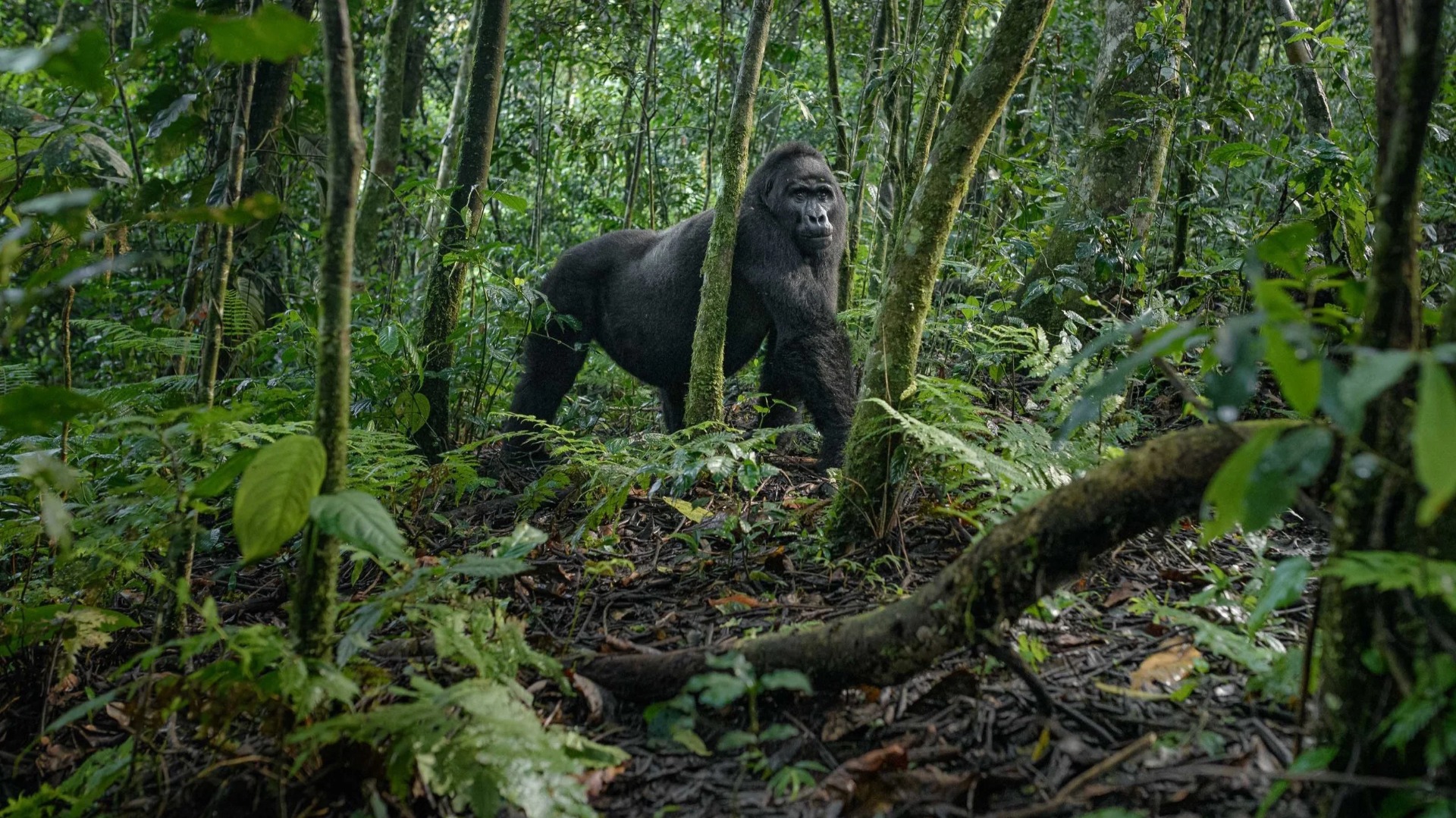
Conservation efforts in Uganda have transformed the prospects of the country's mountain gorillas, turning a species once on the brink of extinction into one of Africa's most compelling conservation successes. Through dedicated protection, community engagement and scientific innovation, populations have steadily climbed from fewer than 300 individuals in the 1980s to more than 1,000 today across the Virunga massif and Bwindi Impenetrable Forest. This progress reflects decades of Ugandan wildlife and conservation work that balances ecological needs with the realities of local livelihoods.
Uganda's conservation in action blends scientific monitoring of endangered chimpanzees with forest restoration programs that have expanded gorilla habitats by hundreds of square kilometres in recent years. The results are visible in healthier forests, reduced human-wildlife conflict and growing tourism revenue that funds further protection. For those planning a journey to witness these gentle giants, understanding the measures in place adds profound depth to every forest encounter.
The Mountain Gorilla's Fragile World
High in the misty slopes of southwestern Uganda, mountain gorillas navigate a landscape shaped by both natural forces and human pressure. Bwindi Impenetrable National Park and the shared Virunga volcanoes region form their last remaining strongholds, where dense vegetation provides food yet also conceals threats ranging from disease transmission to habitat encroachment. Each gorilla group requires vast territories, making every hectare of preserved forest critical to their survival.
Climate change adds another layer of complexity. Rising temperatures alter the availability of specific plants these primates depend upon, while increasing human populations around park boundaries intensify competition for resources. Yet amid these challenges, targeted conservation in Uganda has created measurable breathing space for the species.
The survival of Uganda's mountain gorillas proves that when science, community commitment and sustained funding align, even the most vulnerable species can recover against formidable odds.
Habitat Protection and Restoration
Forest restoration programmes have been central to expanding available habitat. In recent years, reforestation corridors linking fragmented sections of Bwindi have added over 300 square kilometres of viable territory. Indigenous tree species chosen for their importance to gorilla diets now flourish in areas once cleared for agriculture, creating natural pathways that allow groups to move more freely and reduce inbreeding risks.
These efforts extend beyond planting. Regular monitoring identifies invasive species that threaten native vegetation, while soil conservation techniques prevent erosion on steep volcanic slopes. The result is a more resilient ecosystem capable of supporting not only gorillas but also the rich web of birds, insects and smaller mammals that share their home.
Anti-Poaching and Law Enforcement
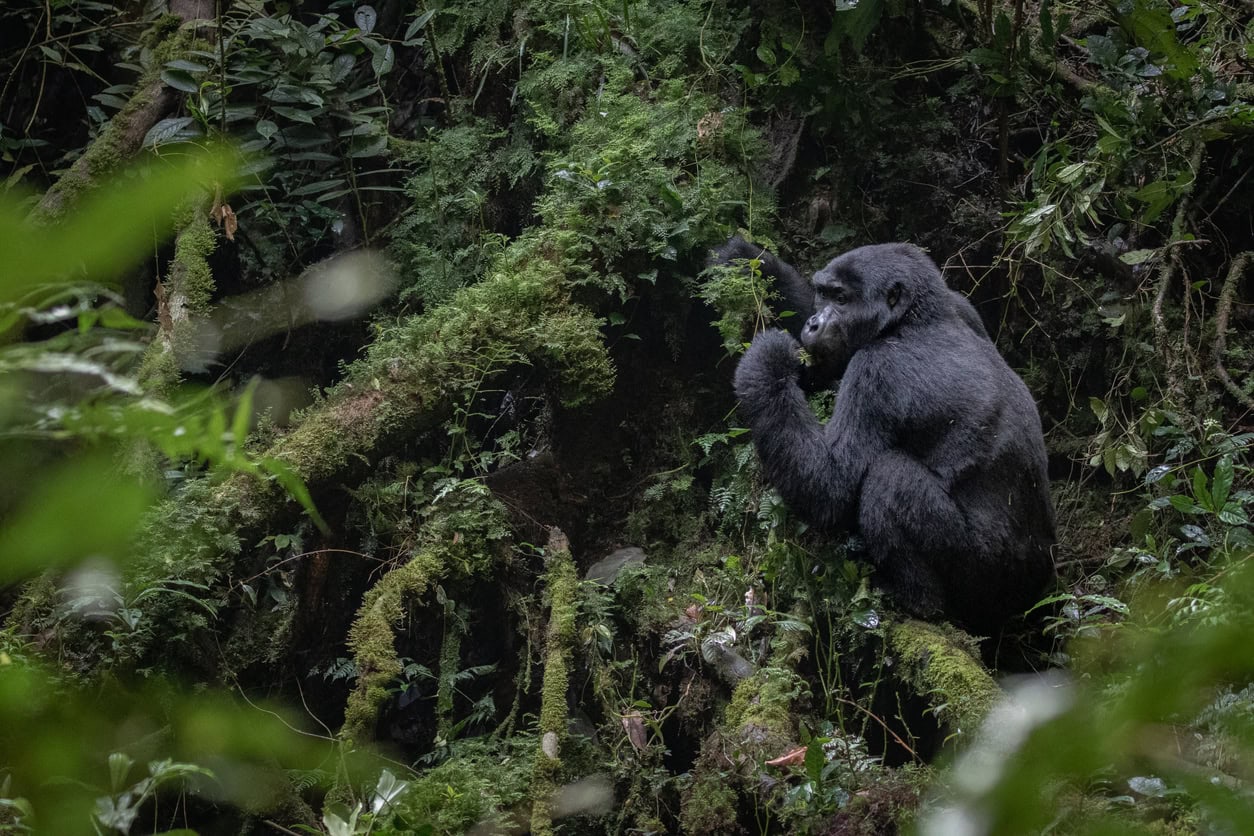
Effective protection begins with presence on the ground. Specialised ranger units, often working in partnership with international organisations, conduct daily patrols across rugged terrain that spans more than 300 square kilometres in Bwindi alone. Advanced technology including camera traps and real-time tracking systems has dramatically improved response times to potential threats.
Between 2015 and 2023, poaching incidents within gorilla habitats dropped by nearly 80 percent according to Uganda Wildlife Authority records. This success stems from both increased enforcement and community education programmes that highlight the long-term economic benefits of protecting rather than exploiting wildlife. Former hunters have transitioned into roles as guides and monitors, bringing invaluable local knowledge to conservation teams.
Every gorilla alive today exists because dedicated rangers walk these forests daily, often in challenging conditions, to ensure that snares and illegal activities do not claim another generation.
Community Involvement in Conservation
Long-term success depends on those who live closest to the forests. Revenue-sharing schemes direct a percentage of gorilla permit fees directly to neighbouring parishes, funding schools, health clinics and water projects. In 2022, communities around Bwindi received over $1.2 million through these initiatives, creating tangible incentives for protecting the parks.
Programmes teaching sustainable farming techniques have reduced pressure on forest edges. Farmers learn to cultivate nutrient-rich crops on existing land rather than clearing new plots, while beekeeping projects provide alternative income sources that actually benefit from healthy forests. These approaches demonstrate how Ugandan wildlife and conservation can support rather than compete with human development.
Scientific Research and Veterinary Care
Research forms the backbone of evidence-based conservation efforts in Uganda. The Max Planck Institute and local partners maintain one of Africa's longest-running primate studies in Bwindi, tracking individual gorillas throughout their lives. Genetic sampling helps maintain diversity within the small population, while health monitoring catches potential disease outbreaks before they spread.
Veterinary teams stand ready to intervene when necessary. Using non-invasive darting techniques, they can treat injuries or infections that might otherwise prove fatal. In one documented case, a silverback treated for a snare wound went on to sire multiple offspring, directly contributing to population growth. Such interventions remain rare but illustrate the depth of commitment behind these conservation measures.
Chimpanzee monitoring in nearby Kibale National Park provides valuable comparative data. With over 1,500 individuals, the park hosts the highest density of these intelligent primates anywhere in Africa. Studies here inform broader strategies for great ape conservation across the region, creating knowledge that benefits multiple species.
Ecotourism as a Conservation Tool
Responsible tourism has become one of the most effective funding mechanisms for Ugandan wildlife and conservation. Strict limits on visitor numbers, currently eight people per gorilla group per day, minimise stress while generating substantial revenue. A single gorilla trekking permit costs $700, with the majority supporting protection efforts and community projects.
Lodges such as Clouds Mountain Gorilla Lodge and Bwindi Lodge demonstrate how high-value, low-impact tourism can fund meaningful conservation. These properties employ local staff, source produce from community farms and contribute directly to habitat protection programmes. Their presence also creates economic alternatives to illegal activities.
The model extends beyond gorillas. In Uganda, similar approaches support chimpanzee tracking in Kibale and wildlife viewing in Murchison Falls National Park. Each experience carefully managed to ensure that visitors leave having contributed positively to the landscapes they came to admire.

When travellers witness mountain gorillas in their natural habitat, they participate in a living conservation story where their presence directly helps secure the future of an entire species.
Challenges That Remain
Despite remarkable progress, significant hurdles persist. Human population growth around protected areas continues to increase pressure on resources. Climate change predictions suggest further shifts in vegetation patterns that may challenge gorilla adaptation. Disease transmission remains a constant concern given the close genetic relationship between humans and great apes.
Political stability, while much improved, cannot be taken for granted in a region with a complex history. Sustained international funding proves essential, as does continued government commitment to prioritising conservation alongside development goals. The next decade will test whether current momentum can overcome these emerging pressures.
What Makes Uganda's Approach Different?
Uganda's conservation model stands out for its integration of multiple approaches. Rather than relying solely on enforcement, it weaves together scientific research, community development, responsible tourism and habitat restoration. This holistic strategy addresses both immediate threats and underlying causes of biodiversity loss.
The results speak through numbers. The mountain gorilla population has increased by approximately 3 percent annually in recent years, a remarkable rate for such a slow-breeding species. Similar positive trends appear in elephant and chimpanzee counts, suggesting the broader effectiveness of these interconnected efforts.
Looking Ahead: The Next Chapter
Future conservation efforts in Uganda will likely focus on expanding habitat corridors and strengthening transboundary cooperation with neighbouring countries. Technology will play an increasing role, from genetic monitoring to climate modelling that helps predict and mitigate environmental changes.
Education programmes targeting younger generations aim to foster a conservation ethos that becomes self-sustaining. As these children grow into decision-makers, they carry forward both cultural connection to the land and scientific understanding of its fragility.
The story of Uganda's mountain gorillas offers hope that extends far beyond their misty forests. It demonstrates how targeted, consistent action over decades can reverse seemingly inevitable decline. Each gorilla birth represents not just biological success but the triumph of collective human effort to protect our shared natural heritage.
Planning Your Own Gorilla Conservation Journey
Witnessing mountain gorillas in their natural environment creates a connection that few experiences can match. The knowledge that your visit supports their protection adds profound meaning to each moment spent observing their complex social interactions and gentle strength. Encounters Africa works with the finest lodges and most experienced guides to ensure your journey respects both the wildlife and the communities that protect it.
For discerning travellers seeking a private safari beyond our set itineraries, we invite you to contact us directly. We specialise in designing exceptional, tailor-made journeys for individuals, couples, families, and private groups of up to eight guests. Drawing on our handpicked network of distinguished camps and lodges, we curate every detail with precision and care, creating a seamless, deeply personal safari experience shaped entirely around your preferences, pace, and budget.
Whether combining gorilla trekking with chimpanzee encounters in Uganda or exploring broader East African wilderness, our team ensures your journey contributes meaningfully to the landscapes you discover. Read our guide to why Rwanda makes an ideal addition to your gorilla safari or discover the rewards of ethical wildlife photography to prepare for your own transformative experience.
Begin planning your contribution to this remarkable conservation story by reaching out today through our enquiry form. The forests of Uganda await, along with the opportunity to witness firsthand how dedicated conservation efforts in Uganda continue writing a hopeful new chapter for one of our closest living relatives.
More like this
Conservation
How Visitors Can Support Anti-Poaching Efforts in Tanzania’s National Parks
Conservation
How Zimbabwe's All-Female Anti-Poaching Unit Secures the Akashinga Reserve
Conservation
How Zimbabwe's Anti-Poaching Units Leverage Technology to Safeguard Elephants
Conservation
Inside a South African Rhino Orphanage: Daily Operations and Care Protocols
Conservation
Inside the Quiet Partnership Between Zambian Communities and Wildlife Guards
Conservation