Photography
Mastering Light and Composition for Wildlife Shots in Southern Africa
Encounters Africa - 9 min read
Updated on 23 July 2026
Photographing wildlife in Southern Africa demands more than a steady hand and expensive glass. From first light on the Zambezi to golden hour in the Kalahari, experienced photographers approach shutter speed, ISO and positioning to create memorable images of elephants, lions and elusive leopards without disturbing natural behaviour. The region’s dramatic light transitions and varied terrain reward those who understand both their camera and the land.
Southern Africa offers some of the continent’s most varied photographic opportunities. Whether tracking a coalition of cheetahs across the Botswana salt pans or waiting for a leopard to descend from a leadwood tree in South Africa, the key lies in mastering available light and thoughtful composition. This approach not only yields stronger images but supports ethical wildlife viewing that puts animal welfare first.
The Science of Light in Southern African Landscapes
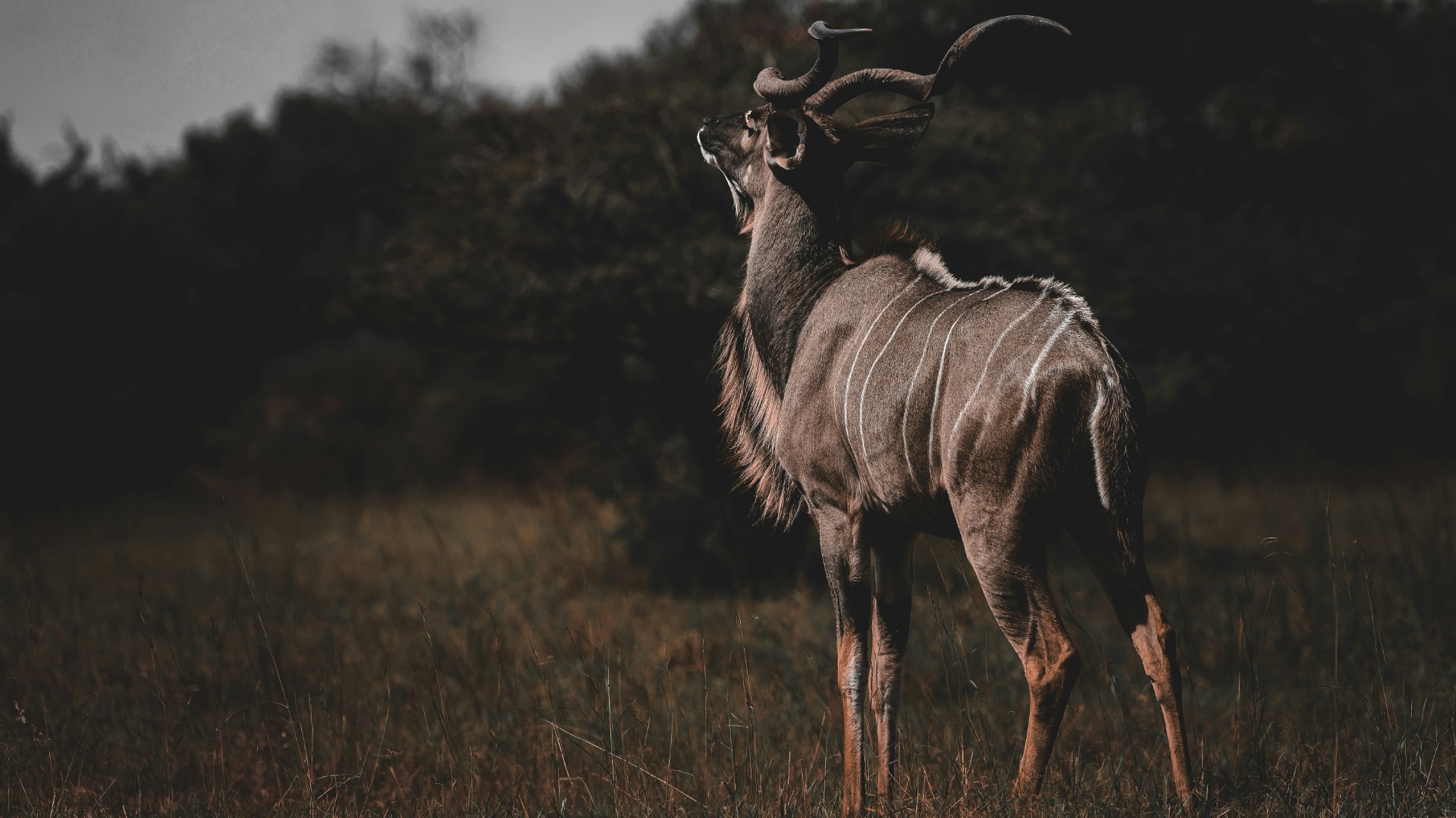
Light quality changes dramatically across the subcontinent. In the early hours, before the sun clears the horizon, the sky often glows with soft pastel tones ideal for capturing subtle textures in elephant skin or the delicate patterns of a giraffe’s coat. By mid-morning the light becomes harsher, creating deep shadows that can obscure detail unless carefully managed.
Golden hour, occurring roughly 30 minutes after sunrise and before sunset, remains the most sought-after time. During these windows, warm, low-angle light reveals rich colours and creates long, dramatic shadows that add depth to compositions. In places like the Okavango Delta, this light reflects beautifully off water channels, adding another dimension to wildlife photographs.
The difference between an ordinary wildlife image and an exceptional one often comes down to understanding how a few minutes of changing light can transform the entire mood of a scene.
Reading the Light Before Sunrise
Professional guides in Southern Africa encourage photographers to be in position at least 45 minutes before dawn. This allows time to observe animal movement patterns while the light remains gentle enough for lower ISO settings. At this hour, shutter speeds around 1/250th of a second with apertures between f/4 and f/5.6 often produce sharp results when using a stabilised telephoto lens.
Many photographers underexpose slightly during these early moments to preserve highlight detail in the sky. Modern mirrorless cameras with excellent dynamic range make recovery of shadow detail straightforward in post-processing, though getting the exposure right in-camera remains preferable.

Mastering Composition Techniques for Wildlife Photography
Composition in wildlife photography goes far beyond simply centring the subject. The most compelling images often use negative space, leading lines, and thoughtful framing to tell a more complete story about the animal and its environment.
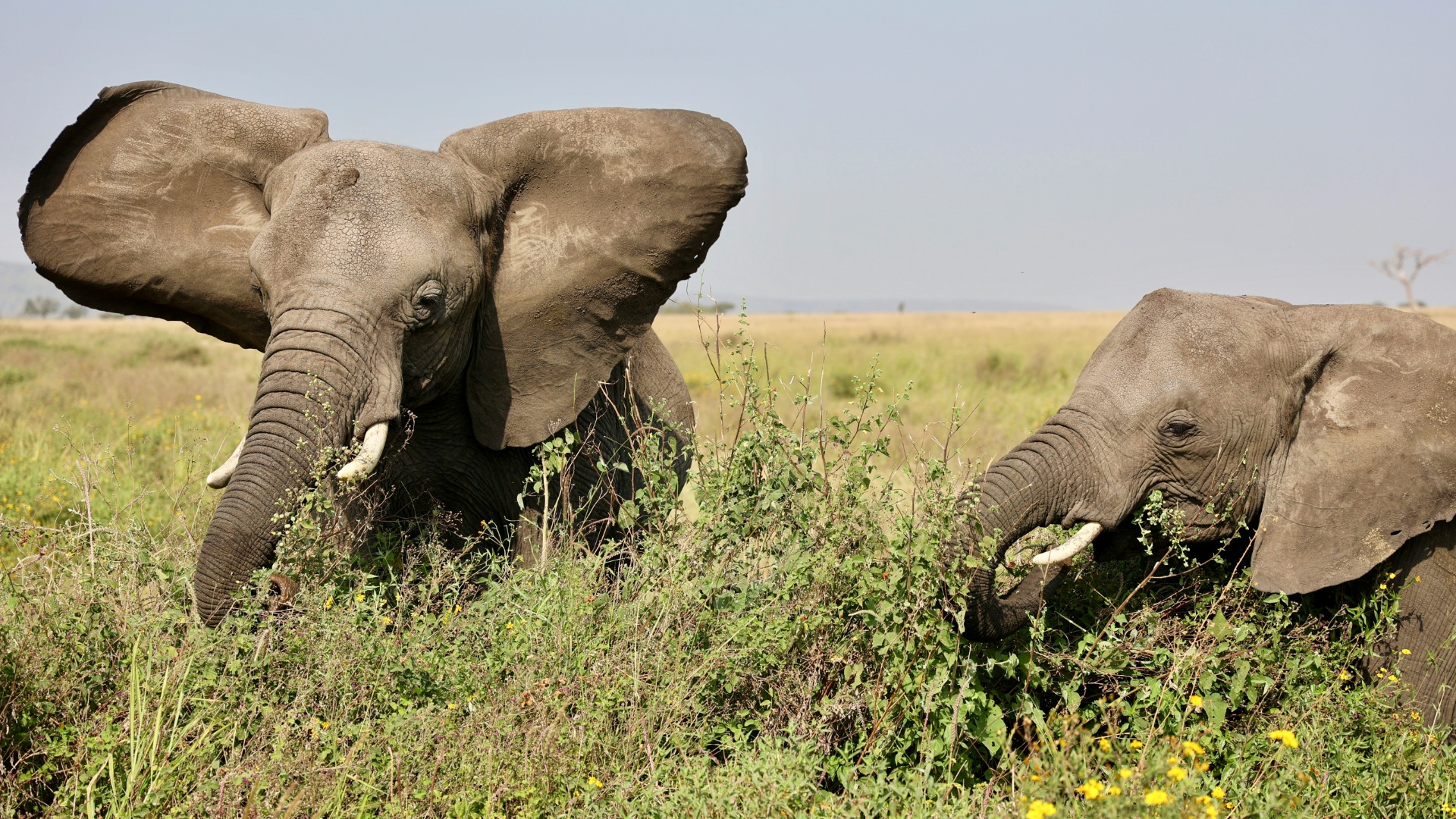
In open savannah landscapes, the rule of thirds helps create balance, but experienced photographers frequently break this guideline when the situation demands. A lion resting in tall grass might benefit from being placed off-centre with the grass creating a natural frame. Similarly, capturing a herd of elephants against a vast horizon can emphasise the scale of both the animals and the landscape.
Working with Environmental Context
Rather than isolating animals completely, many photographers now choose to include elements of habitat. A leopard draped along a branch becomes more meaningful when the surrounding trees and dappled light are incorporated thoughtfully. This contextual approach also aligns with conservation messaging by showing animals within functioning ecosystems.
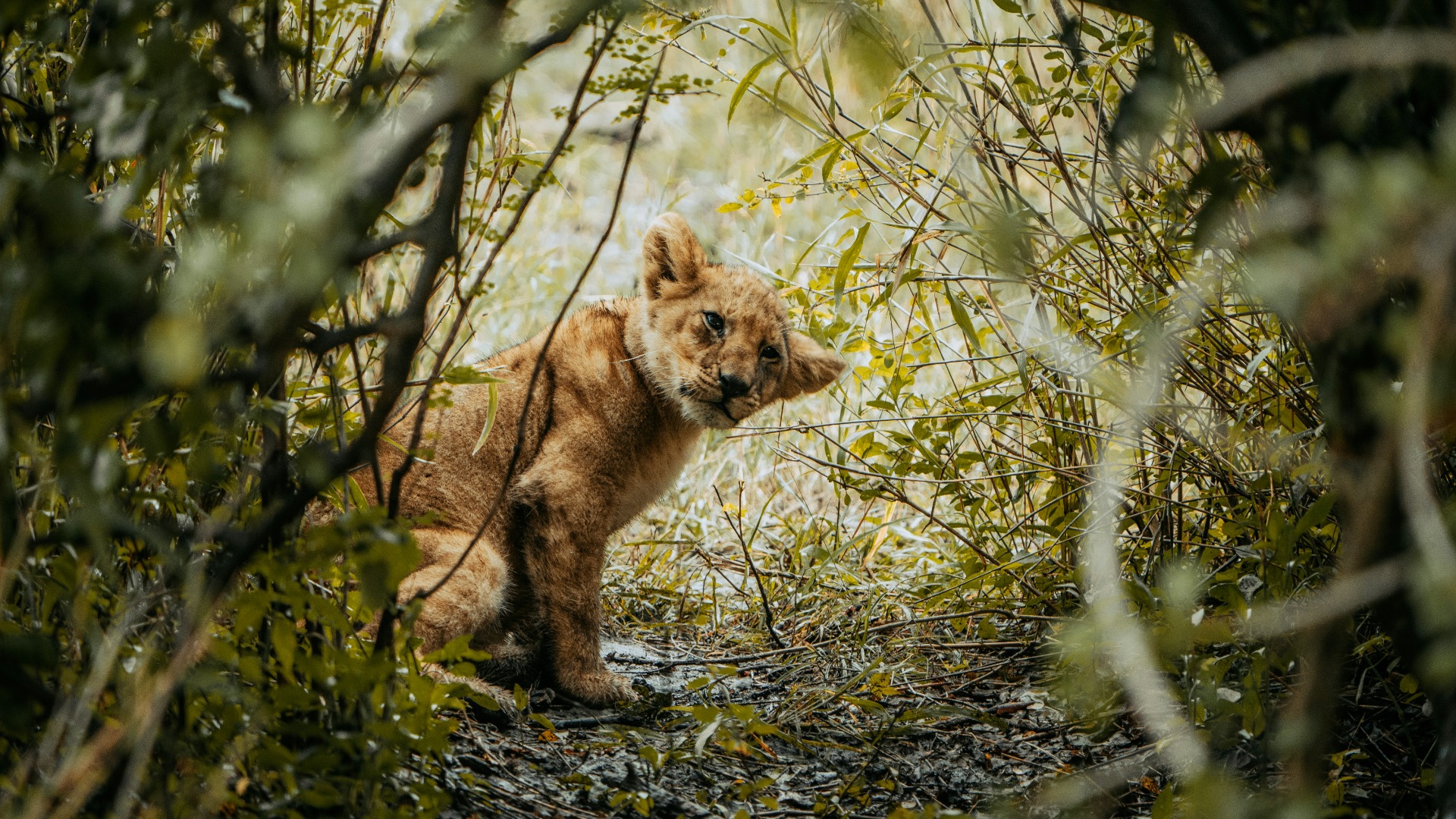
When working in denser vegetation like the Moremi Game Reserve, compositional choices often focus on using natural frames such as leaves or branches to create depth while maintaining focus on the primary subject.
Great wildlife photographs do not simply document animals; they invite viewers to understand something deeper about their lives and the landscapes they inhabit.
Essential Camera Settings for Southern African Conditions
Successful wildlife photography in the region requires adapting camera settings to rapidly changing conditions. Early morning and late afternoon often call for lower ISO values between 100 and 400 to maintain image quality, while midday conditions may require ISO 800 or higher to achieve adequate shutter speeds.
Shutter speed selection depends largely on the subject. For stationary animals, 1/500th of a second might suffice, but photographing birds in flight or running predators typically demands 1/2000th or faster. Many professionals use aperture priority mode with auto ISO as a starting point, allowing the camera to adjust sensitivity while maintaining control over depth of field.
Choosing the Right Equipment for Different Scenarios
A 100-400mm or 200-500mm zoom lens offers versatility across many Southern African destinations, though prime lenses like 400mm f/2.8 or 600mm f/4 provide superior image quality and faster autofocus for critical moments. Teleconverters can extend reach but often require careful consideration of light loss and potential reduction in autofocus performance.
Monopods prove particularly useful during long game drives, offering stability without the bulk of a full tripod. Bean bags remain popular for vehicle-based photography, providing a stable platform when resting lenses on specially designed brackets or window frames.
Positioning and Ethical Approaches to Wildlife Photography
The most skilled wildlife photographers spend considerable time thinking about positioning. Rather than asking drivers to move constantly, they often request strategic placement that aligns the vehicle with interesting backgrounds or anticipated animal movement.
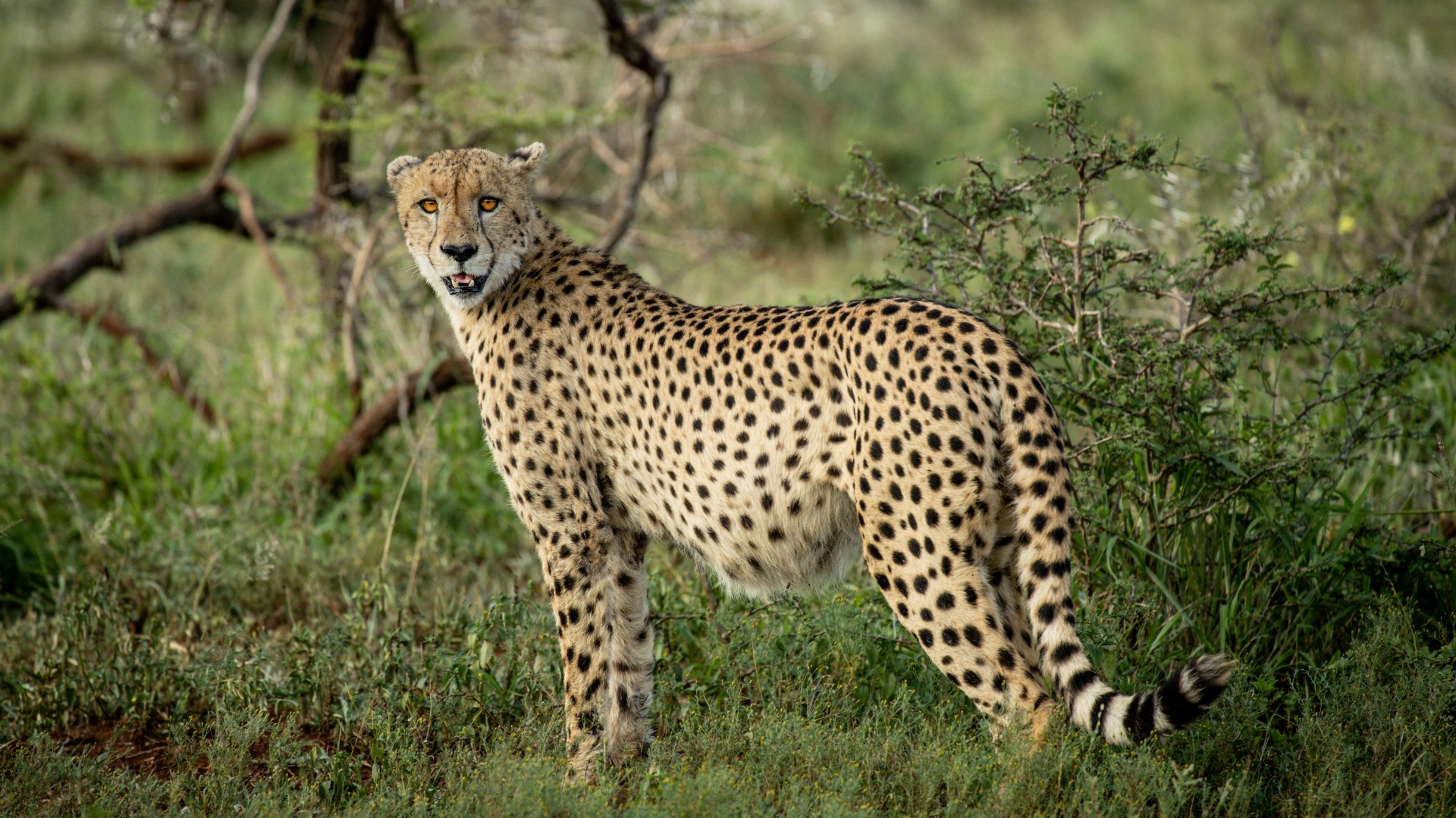
Understanding animal behaviour plays a crucial role. A relaxed elephant herd might tolerate closer approaches than a skittish breeding herd with young calves. Similarly, lions resting in the shade after a hunt will usually ignore vehicles, while hunting cheetahs require much more space to avoid interfering with their chances of success.
Respecting Natural Behaviour
Ethical wildlife photography prioritises the animals’ natural behaviour above capturing the perfect shot. This means maintaining appropriate distances, avoiding sudden movements, and never encouraging guides to break park regulations for better photographs.
Many lodges now work with dedicated photographic guides who understand both wildlife and camera techniques. These specialists can predict animal behaviour and position vehicles to maximise photographic opportunities while minimising disturbance. Chobe Game Lodge and similar properties have developed strong reputations for supporting responsible photographic safaris.
The photographs we create should honour the wild places and creatures that make Southern Africa so extraordinary, ensuring future generations can experience the same privilege.
Seasonal Considerations for Photographing Wildlife in Southern Africa
Each season offers distinct photographic advantages. The dry winter months from May to September concentrate animals around remaining water sources, making sightings more predictable though the landscape appears more brown and dusty. Summer brings lush vegetation and dramatic storm clouds that add atmosphere to images, though animals can be more widely dispersed.
The green season also brings impressive numbers of migratory birds to wetlands across the region. Photographers interested in avian subjects often find November to March particularly rewarding, with species arriving in their breeding plumage.
Adapting to Weather Conditions
Dust can be both a challenge and an opportunity. During dry months, vehicles often create significant dust that can affect image clarity. However, when backlit by low sun, this same dust creates beautiful atmospheric effects that enhance the mood of photographs.
Rainy conditions require protection for camera equipment but can yield striking images. Water droplets on animals’ coats, reflections in temporary pools, and dramatic storm light all offer unique compositional possibilities that reward those prepared to work in less comfortable conditions.

Common Questions About Wildlife Photography in Southern Africa
What is the best time to visit Southern Africa for photography? The dry season from June to September generally offers the most reliable game viewing and easier photography conditions, though the green season provides more atmospheric light and abundant birdlife. Many experienced photographers visit twice yearly to capture both seasons’ distinct characteristics.
Do I need professional camera equipment to capture good wildlife images? While high-end gear helps in challenging conditions, many compelling images have been created with more modest equipment. Understanding light, composition and animal behaviour often matters more than the specific camera model. A solid telephoto lens in the 400mm range and a camera with good high-ISO performance will serve most travellers well.
How can I ensure my photography supports conservation? Choose operators committed to responsible practices, maintain respectful distances, and consider donating to conservation projects. Some lodges allocate a portion of photographic safari fees directly to anti-poaching or habitat restoration initiatives.
Creating Images That Matter
Mastering light and composition for wildlife shots in Southern Africa represents far more than a technical exercise. It involves developing a deeper connection with the landscape and its inhabitants, learning to read subtle signs, and understanding how each decision affects both the resulting image and the animals being photographed.
The most rewarding images often emerge not from chasing dramatic action but from quiet observation and patience. When a photographer spends time truly watching an animal’s behaviour, anticipating its movements and understanding its relationship with its environment, the resulting photographs carry an authenticity that speaks to viewers on a profound level.
For discerning travellers seeking a private safari beyond our set itineraries, we invite you to contact us directly. We specialise in designing exceptional, tailor-made journeys for individuals, couples, families, and private groups of up to eight guests. Drawing on our handpicked network of distinguished camps and lodges, we curate every detail with precision and care, creating a seamless, deeply personal safari experience shaped entirely around your preferences, pace, and budget.
Whether you wish to focus specifically on photography with expert guidance or simply want to capture memorable images during a broader safari experience, contact Encounters Africa to discuss how we might craft a journey that meets your vision. Our team includes specialists who understand both the technical aspects of wildlife photography and the importance of approaching these experiences with respect and humility.
Explore our range of Southern Africa safari itineraries or discover more in our wildlife photography blog articles that delve deeper into specific techniques and destinations across the region.
More like this
photography
Light and Ethics: Field Techniques for Photographing Tanzania’s Endangered Wildlife
Photography
Mastering Light and Ethics While Photographing Tanzania's Conservation Landscapes
Photography
Mastering Light and Landscape: Practical Photography Techniques for Tanzania’s Diverse Terrain
Photography
Mastering Light and Motion When Photographing the Great Migration
Photography
Teaching Light in Kenya: Field-Proven Camera Settings for Safari
photography