photography
Light and Ethics: Field Techniques for Photographing Tanzania’s Endangered Wildlife
Encounters Africa - 9 min read
Updated on 21 July 2026
Mastering light and ethics while photographing Tanzania’s endangered wildlife demands more than technical skill. It calls for a thoughtful approach that respects fragile ecosystems and supports the communities protecting them. Our latest guide reveals how adjusting shutter speed at first light, selecting prime lenses for minimal disturbance, and collaborating with community rangers produces images that support anti-poaching patrols and habitat restoration across Tanzania’s northern parks.
From the sweeping plains of the Serengeti to the volcanic slopes of Ngorongoro, Tanzania offers unparalleled opportunities for wildlife photography that truly matters. Each frame captured responsibly can contribute to conservation efforts that safeguard species such as black rhinos, African wild dogs, and elephants. At Encounters Africa we have guided hundreds of passionate photographers through these landscapes, witnessing how ethical field techniques not only yield more compelling images but actively bolster local protection initiatives.
The difference between a striking photograph and one that makes a lasting difference lies in the choices made before the shutter is pressed.
Why Ethical Wildlife Photography Matters in Tanzania
Tanzania is home to approximately 20 percent of Africa’s large mammal population, yet many species face increasing pressure from habitat loss and poaching. Responsible photography goes beyond aesthetics. Images shared thoughtfully can raise awareness, fund ranger patrols, and influence policy decisions that protect critical corridors between Tanzania’s protected areas.
Photographers who understand this connection choose their vantage points and equipment with care. They work alongside trained guides who know the rhythms of the animals and the boundaries of each concession. This collaboration ensures that every session supports rather than stresses the wildlife being documented. Over the past decade, several lodges have partnered with conservation organisations to channel a percentage of photographic safari revenue directly into anti-poaching technology and community education programmes.
When travellers return home with images that tell authentic stories of resilience and coexistence, they become advocates for the landscapes they have experienced. This ripple effect strengthens the case for continued protection of Tanzania’s national parks and community-managed reserves.

Understanding Tanzania’s Light Patterns for Impactful Images
The equatorial sun moves swiftly, creating dramatic shifts in light quality throughout the day. Dawn and dusk offer the most flattering illumination for wildlife portraits, with soft, warm tones that reveal texture without harsh contrast. In the Serengeti, first light often arrives around 06:15, providing a narrow window when animals are active yet the sun remains low.
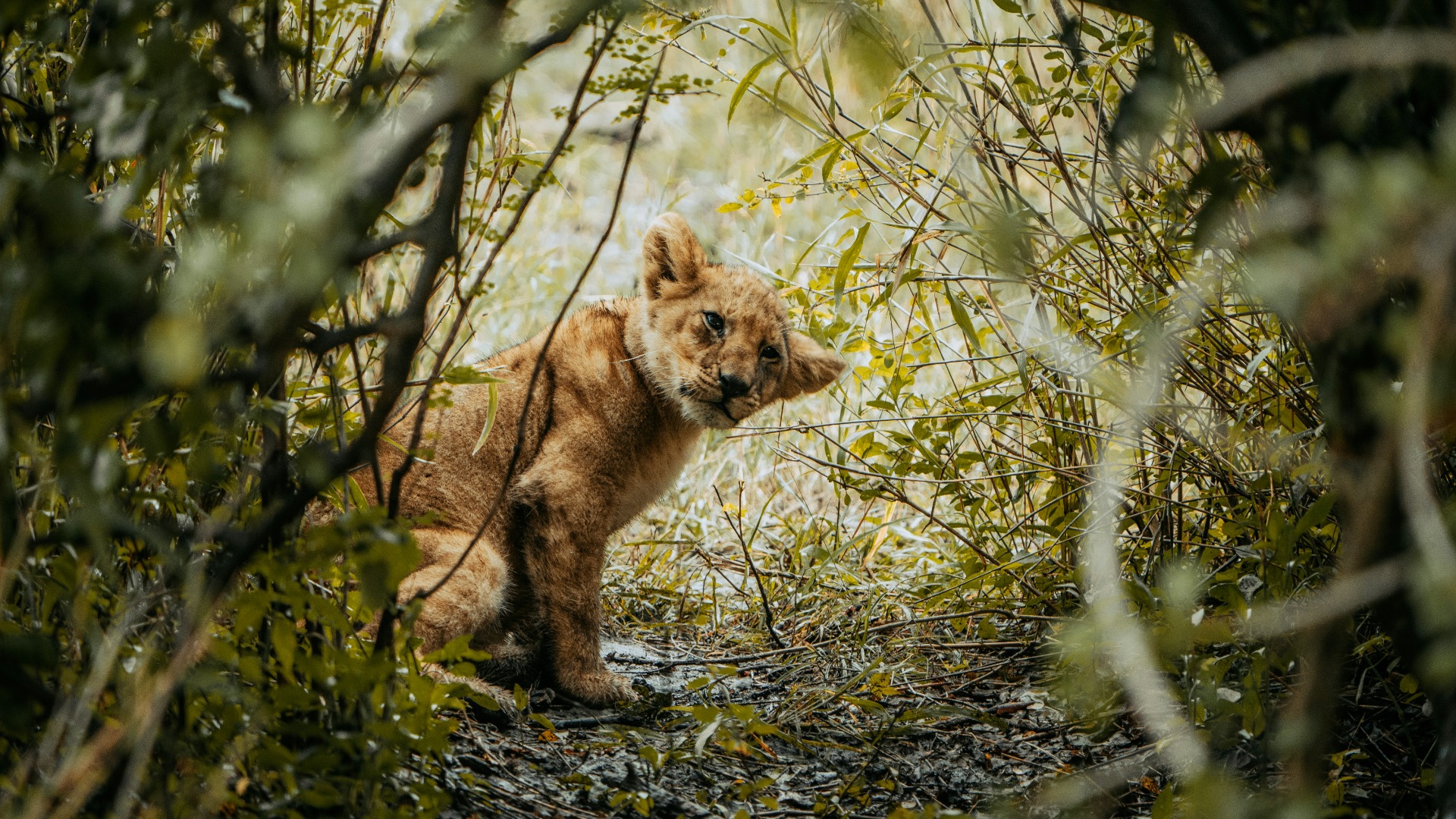
During the dry season from June to October, dust suspended in the air diffuses sunlight beautifully, producing golden hues ideal for capturing migrating herds. The short rains in November and the long rains from March to May bring different atmospheric conditions. Overcast skies during these periods soften shadows, making them excellent for intimate behavioural studies of predators and their young.
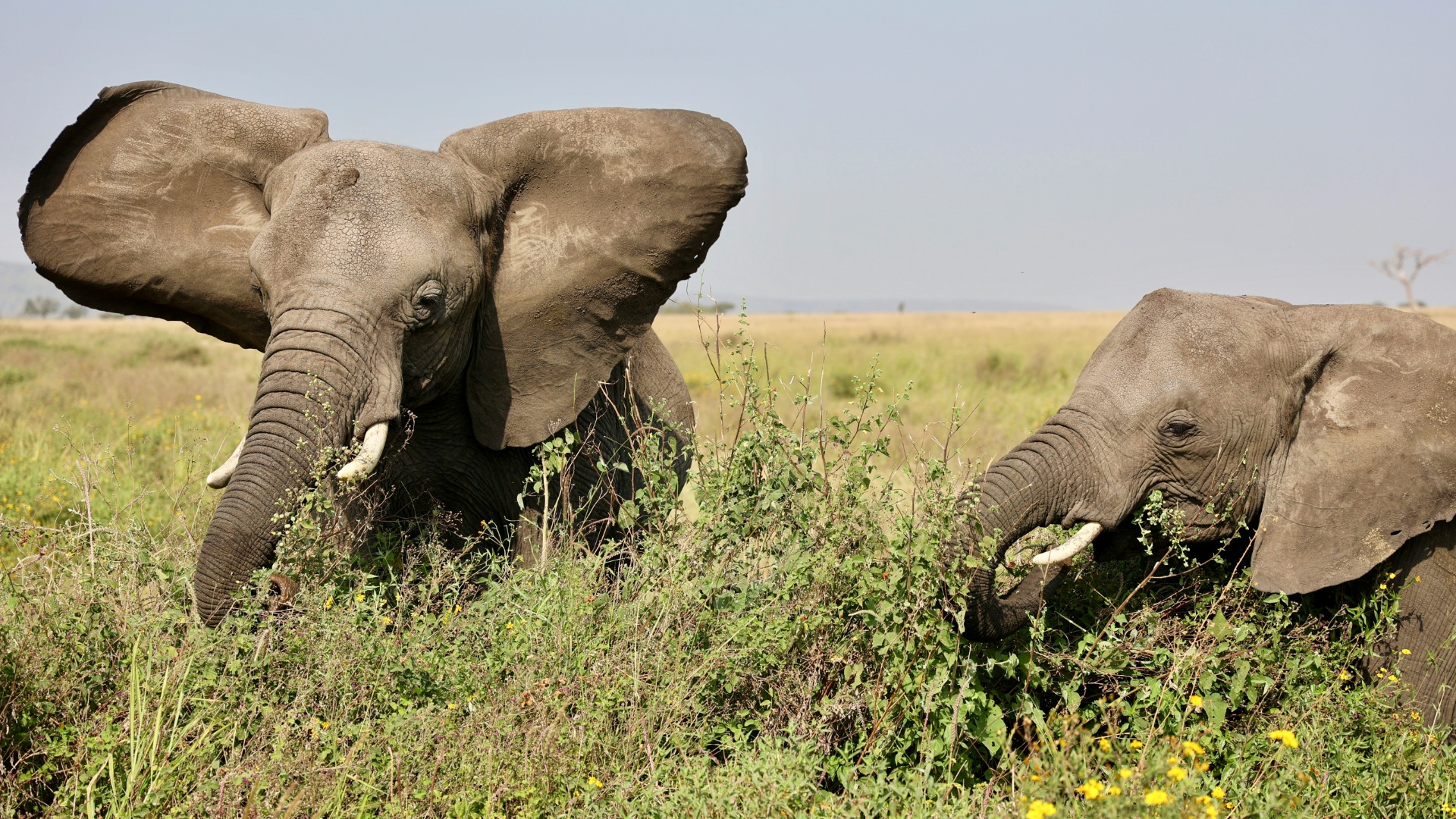
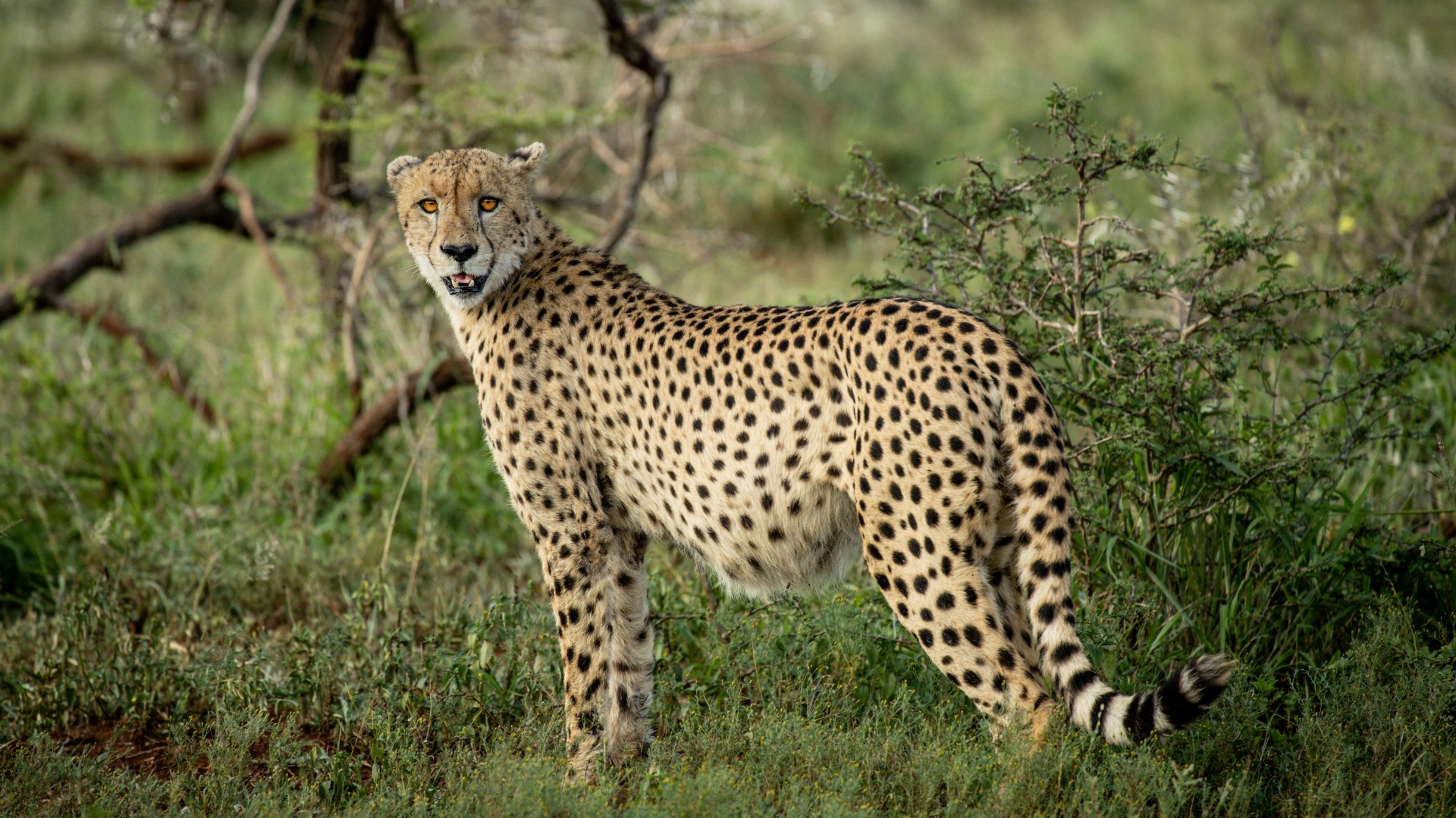
Learning to read these patterns allows photographers to anticipate magical moments. A lone cheetah silhouetted against a fiery sunrise or elephants crossing a misty plain at dusk become far more than lucky shots. They result from careful planning and deep respect for natural cycles.
Light is the language of photography, yet in Tanzania it also speaks of the delicate balance between survival and splendour.
Field Techniques: Camera Settings and Lens Choices
Selecting the right equipment is crucial for both image quality and ethical practice. Prime lenses between 300mm and 600mm allow photographers to maintain respectful distances while achieving frame-filling compositions. These fixed focal length optics often deliver sharper results with less weight than bulky zooms, reducing fatigue during long days in the vehicle.
At first light, when animals move unpredictably, a shutter speed of at least 1/1000th of a second freezes motion while keeping ISO values manageable. Pairing this with an aperture of f/5.6 or wider creates pleasing separation between subject and background. During midday when contrast is high, switching to spot metering helps preserve highlight detail on pale pelts and reflective eyes.
Many of our guests achieve outstanding results using the Elewana Serengeti Pioneer Camp as a base. Its central Serengeti location offers immediate access to varied habitats where these technical decisions can be tested daily. The camp’s vehicles are designed with low profiles and beanbag supports that steady heavy lenses without requiring intrusive tripod use near sensitive species.
Mastering Exposure in Variable Conditions
The dramatic skies above the Ngorongoro Crater demand careful exposure management. When photographing against the crater rim at sunrise, exposure compensation of minus one stop prevents the sky from blowing out while retaining shadow detail in the foreground. Bracketed exposures of three to five frames provide insurance against the rapidly changing light.
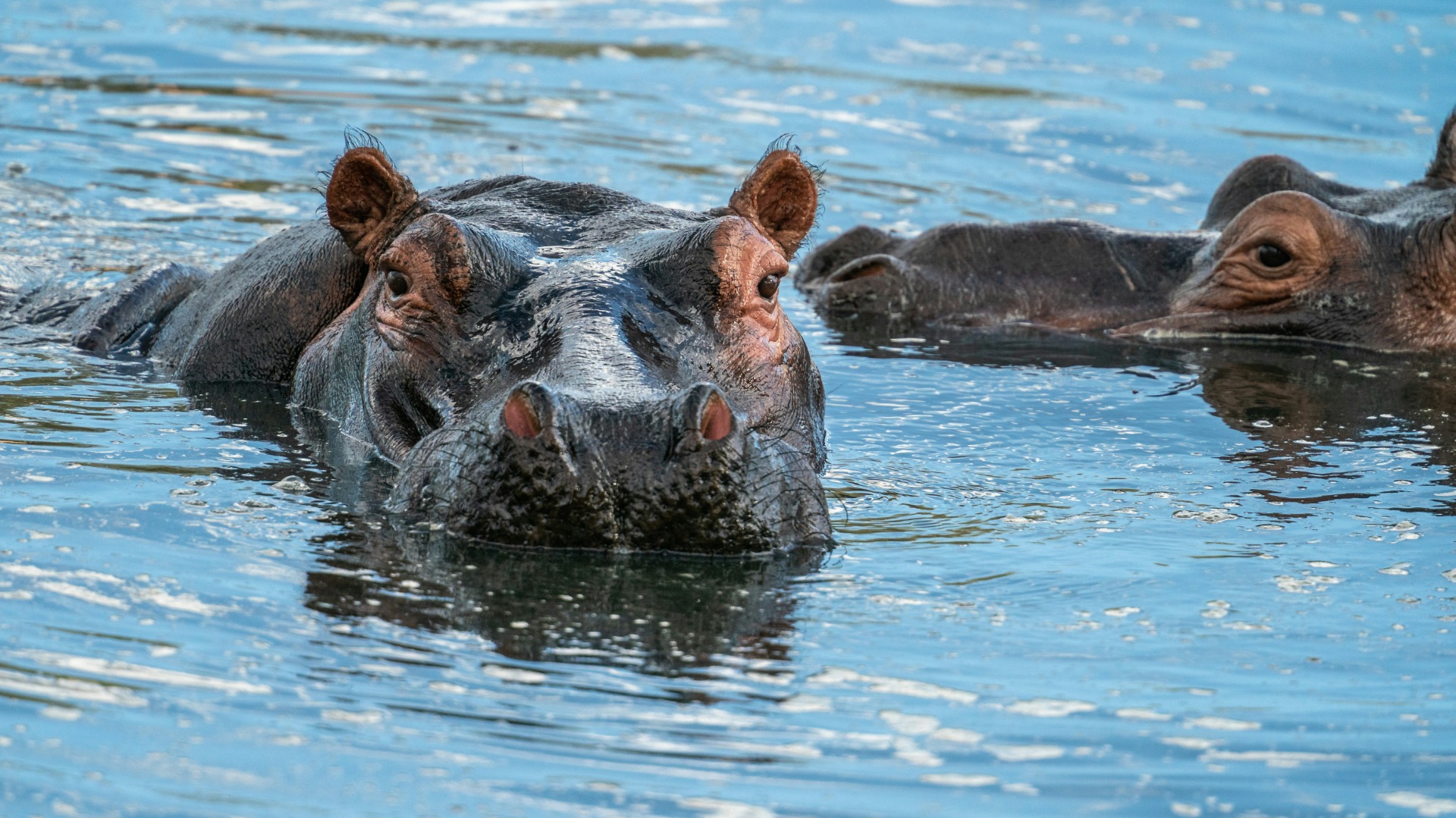
In the Selous Game Reserve further south, where vegetation is denser, understanding how to use natural reflectors such as water surfaces helps lift detail in shaded areas. Knowledgeable guides will position vehicles to take advantage of these natural light modifiers, creating opportunities for compelling compositions without disturbing resting lions or bathing hippos.
Collaborating with Community Rangers and Local Experts
The most rewarding photographic experiences in Tanzania come through genuine partnership with those who know the land intimately. Community rangers from villages bordering the national parks often possess unparalleled knowledge of animal movements and seasonal patterns. Their involvement ensures that photography sessions contribute directly to monitoring programmes that track endangered species.
At several forward-thinking conservancies, photographers are invited to join ranger patrols as observers. These outings provide rare access to remote areas while allowing visitors to witness conservation work first-hand. Images captured during these patrols have been used in grant applications that secured funding for camera traps and veterinary equipment.
Building relationships with these dedicated professionals transforms a standard game drive into a meaningful exchange of knowledge. Rangers appreciate photographers who demonstrate patience and restraint, and they often share insights that lead to unique behavioural shots unavailable to casual visitors.
Supporting Anti-Poaching Through Your Images
High-resolution photographs of individual animals can assist identification programmes that monitor population health. Clear images of ear notches, tusk characteristics, or distinctive scar patterns help rangers track specific elephants and rhinos across vast territories. Several organisations now maintain databases where responsible photographers can submit their images to support these vital records.
By choosing operators who allocate part of their fees to community conservation funds, photographers ensure their presence has a positive impact. Encounters Africa carefully selects partners whose track record demonstrates tangible benefits to both wildlife and local people. This approach aligns perfectly with our philosophy of creating journeys that leave places better than we found them.

Seasonal Considerations for Ethical Wildlife Photography
The Tanzania safari calendar offers distinct advantages for different photographic goals. The dry season between July and October concentrates animals around remaining water sources, making it easier to maintain distance while capturing dramatic interactions. However, the shorter grass also means less cover for shy species, requiring even greater sensitivity to their comfort levels.
The long rains from March to May transform the landscape into a lush tapestry of greens. Although vehicle access can be challenging, the vibrant new growth creates stunning backdrops for portraits of predators with their cubs. Migratory patterns shift during this period, offering opportunities to document the famous wildebeest crossing in the northern Serengeti with fewer crowds than the peak season.
November’s short rains often produce spectacular cloud formations that add depth and drama to landscape-inclusive compositions. The air feels cleaner after rainfall, enhancing visibility across the plains and allowing for atmospheric shots that capture the true scale of East African wilderness.
Each season in Tanzania writes its own chapter in the story of survival, and the photographer’s role is to observe with both technical precision and profound respect.
Common Questions About Ethical Photography in Tanzania
What distance should I maintain from wildlife? The general guideline is at least 25 metres from large mammals and 50 metres from predators with young. These distances may increase if animals show signs of stress such as flattened ears, raised tails, or deliberate avoidance behaviour. Experienced guides will always prioritise animal welfare over the perfect composition.
Can flash photography be used at night? We strongly discourage artificial lighting of any kind. It disrupts natural behaviour and can damage the sensitive eyes of nocturnal species. Instead, invest in cameras with excellent high-ISO performance and consider using moonlight or vehicle spotlights with red filters when permitted by local regulations.
How can my photographs contribute to conservation beyond raising awareness? Many lodges and operators participate in citizen science platforms where verified images help researchers monitor population trends. Additionally, several photographic safari packages include a direct contribution to specific projects, such as the purchase of tracking collars or the training of community scouts.
Post-Production and Responsible Image Sharing
The ethical journey continues long after leaving the African bush. When processing images, resist the temptation to dramatically alter reality. Subtle adjustments that enhance what the eye naturally saw are acceptable, but heavy manipulation undermines the documentary value of conservation photography.
When sharing work on social media or in publications, accurate captions that include location, species behaviour, and conservation context add significant value. Mentioning the community or organisation that facilitated the sighting helps direct attention and potential support toward worthwhile initiatives.
Consider licensing images through platforms that support conservation causes or donating select photographs to organisations working in Tanzania. A single powerful image has been known to raise thousands of pounds for habitat protection when used in fundraising campaigns.
Conclusion
Photographing Tanzania’s endangered wildlife through an ethical lens creates images that resonate far beyond their aesthetic appeal. By mastering the interplay of light, respecting behavioural boundaries, and collaborating with dedicated rangers, photographers become active participants in the preservation of these extraordinary landscapes.
The techniques and principles outlined here represent years of collective experience from professional guides, conservationists, and fellow image-makers who understand that every click of the shutter carries responsibility. When approached with care and curiosity, wildlife photography in Tanzania becomes a powerful tool for positive change.
For discerning travellers seeking a private safari beyond our set itineraries, we invite you to contact us directly. We specialise in designing exceptional, tailor-made journeys for individuals, couples, families, and private groups of up to eight guests. Drawing on our handpicked network of distinguished camps and lodges, we curate every detail with precision and care, creating a seamless, deeply personal safari experience shaped entirely around your preferences, pace, and budget.
Whether you wish to focus on big cat behaviour, document the great migration, or explore photographic opportunities in less-visited areas of Tanzania, our team will craft an itinerary that balances exceptional wildlife viewing with meaningful conservation impact. We also recommend exploring our detailed guide to Maasai Mara photography techniques for complementary insights that transfer beautifully across East African ecosystems.
Begin your own journey of discovery by visiting our enquiry form today. Let Encounters Africa help you create images that matter while supporting the future of Tanzania’s precious wildlife heritage.
More like this
Photography
Mastering Light and Ethics While Photographing Tanzania's Conservation Landscapes
Photography
Mastering Light and Landscape: Practical Photography Techniques for Tanzania’s Diverse Terrain
Photography
Mastering Light and Motion When Photographing the Great Migration
Photography
Teaching Light in Kenya: Field-Proven Camera Settings for Safari
photography
Mastering Star Trails Over the Savanna: Essential Camera Settings and Timing
photography