Photography
Maasai Mara Photography Tips to Capture Wildlife with Precision and Respect
Encounters Africa - 12 min read
Updated on 2 July 2026
Maasai Mara photography tips become invaluable the moment your vehicle crests a rise and the vast Kenyan savanna unfolds before you, alive with movement and light. For those drawn to capturing wildlife with authenticity and skill, the reserve offers unparalleled opportunities, yet success demands more than simply pointing a camera at a lion or zebra. A factual summary: effective Maasai Mara photography combines technical precision, knowledge of animal behaviour, cultural sensitivity, and an understanding of the shifting light across 1,500 square kilometres of protected land that supports over 95 mammal species and countless birds.
Whether you are framing a cheetah's sprint or documenting a herd of elephants against acacia-dotted horizons, these insights from seasoned professionals at Encounters Africa will help elevate your images from snapshots to storytelling frames that honour both the creatures and the communities who share this landscape.
Understanding the Light and Seasons in the Maasai Mara
The quality of light in the Maasai Mara changes dramatically throughout the day and across the seasons, influencing every decision behind the lens. From December to March, the short dry season brings clear skies and sharp morning light ideal for detail work, while the long rains from March to May transform the plains into lush green carpets that soften contrasts but reward those patient enough to wait for breaks in the clouds.
Golden hour, occurring roughly 30 minutes after sunrise and before sunset, bathes the savanna in warm, diffused tones that add depth and emotion to wildlife portraits. Many experienced travellers schedule game drives to coincide with these windows, when animals are most active and the low angle of the sun creates long, dramatic shadows.
The light here does not simply illuminate subjects; it reveals character, from the etched lines on an old bull elephant's face to the tension in a predator's muscles before the chase.
During the annual wildebeest migration between July and October, dust kicked up by over 1.5 million hooves creates atmospheric haze that photographers can use to their advantage for ethereal backlit scenes. However, this same dust can also coat lenses quickly, making regular cleaning essential.
Adapting to Variable Weather Conditions
Afternoon thunderstorms during the wet months can produce spectacular lightning displays over the plains, though safety must come first. Position yourself at a safe distance and use a sturdy tripod with remote shutter release, setting your camera to manual mode with ISO around 100-400, aperture f/8, and shutter speeds between 1/4 and 2 seconds depending on the intensity of the strikes.
Overcast days, often dismissed by beginners, actually provide even lighting perfect for capturing subtle behaviours and intimate group interactions without harsh shadows. These conditions also reduce the risk of animals seeking shade, keeping them visible for longer periods.

Essential Gear and Maasai Mara Photography Tips for Equipment Selection
Choosing the right equipment can make the difference between frustration and fluid creativity when working in the Maasai Mara. A versatile zoom lens in the 100-400mm or 200-500mm range allows you to capture both tight portraits and environmental context without constant lens changes that disturb wildlife or slow your response time.
Pair this with a full-frame DSLR or mirrorless body capable of high-speed continuous shooting at least 8 frames per second, crucial for freezing moments during predator pursuits or bird flight. Two camera bodies are recommended so you can keep one fitted with a wider lens for landscapes and herd scenes.
Consider investing in a bean bag or monopod rather than a heavy tripod, as most safari vehicles in the Masai Mara have specially designed brackets or window mounts. A polarising filter helps cut through the intense equatorial glare on water sources where animals gather, while a lens hood becomes indispensable against both dust and stray light.
Remember that the best camera is the one you know intimately; hours spent practising at home will serve you far better in the field than the latest model with features you haven't mastered.
Protecting Your Kit in the African Environment
Dust is the constant companion of any photographer here. Bring multiple microfibre cloths, a blower brush, and sealable plastic bags to protect equipment during drives. Silica gel packets in your camera bag help combat humidity, particularly important during the wet season months.
Battery life decreases noticeably in the heat, so carry at least three spares per body and a portable solar charger. A good rain cover doubles as protection against sudden downpours that can appear with little warning.
Mastering Composition Techniques Specific to African Wildlife
Strong composition transforms good wildlife photographs into memorable ones that convey narrative and emotion. In the Maasai Mara, where subjects often appear against expansive backdrops, the rule of thirds remains useful but should be broken intentionally when the story demands it, such as placing a lone predator in negative space to emphasise isolation.
Look for leading lines formed by animal paths, vehicle tracks, or the curve of a river to draw the viewer's eye naturally toward your subject. When photographing groups, focus on individual expressions or interactions rather than trying to capture every animal in perfect sharpness.
Negative space can be particularly powerful here. A small cheetah cub against the vastness of the plains speaks volumes about vulnerability and the scale of this ecosystem. Similarly, shooting through foreground elements like tall grasses or acacia branches adds layers and a sense of being immersed in the environment.
Working with Animal Behaviour and Movement
Anticipation is everything. Study the body language of your subjects: a lioness flattening her ears and flicking her tail signals an imminent charge, while a herd of zebras bunching tightly together often precedes a predator sighting. Experienced guides from camps like Angama Mara can interpret these signals long before they become obvious to visitors.
For moving subjects, employ panning techniques with shutter speeds between 1/30 and 1/125 second while tracking the animal's direction of movement. This creates a sense of speed and isolates the subject against a blurred background, particularly effective during the wildebeest river crossings from July to September.
Cultural Sensitivity and Ethical Practices in Maasai Mara Photography
Respect for both wildlife and the local Maasai communities forms the foundation of responsible photography in this region. Always maintain a minimum distance of 25 metres from big cats and 50 metres from elephants and rhinos unless your guide indicates it is safe to approach closer, following the guidelines established by the Kenya Wildlife Service.
When visiting traditional manyattas, ask permission before photographing people or their homes. A genuine conversation and small contribution to community projects often opens doors to more authentic portraits than any telephoto lens could achieve. Many conservancies now support photography workshops that directly benefit local education and conservation initiatives.
Never bait animals or ask drivers to off-road in ways that damage vegetation or disturb breeding grounds. True wildlife photography celebrates natural behaviour rather than manufactured moments.
The most powerful images often come not from proximity but from patience, allowing animals to accept your presence and return to their natural rhythms.
Collaborating with Knowledgeable Local Guides
Partnering with experienced guides transforms your photography from observation to genuine understanding. These professionals, many of whom have grown up in the Mara ecosystem, can predict animal movements based on wind direction, recent rains, and even the calls of specific bird species.
Communicate your photographic goals clearly at the start of each drive. A guide who knows you hope to capture hunting behaviour will position the vehicle advantageously with the sun at your back and a clear escape route for the animals in frame.

Common Technical Challenges and Their Solutions
Harsh midday light often creates high contrast that cameras struggle to record. The solution lies in exposing for the highlights and accepting that shadows may lose detail, or using graduated neutral density filters when the horizon line is even. Alternatively, schedule your most technical shooting for early morning and late afternoon.
Backlit subjects against bright skies can fool metering systems. Switch to spot metering and take readings from the animal's body rather than the sky. For silhouettes, which work beautifully at sunrise and sunset, expose for the bright background and allow the subject to fall into darkness.
Fast-moving subjects in low light present another frequent hurdle. Raising your ISO to 3200 or higher on modern cameras produces surprisingly clean results, especially when combined with noise reduction software during post-processing. The key is maintaining a shutter speed fast enough to freeze the action, typically at least 1/1000 second for running animals.
Post-Processing Approaches That Maintain Authenticity
Digital development should enhance rather than fabricate. Subtle adjustments to contrast, clarity, and selective dodging and burning can bring out details that the eye naturally saw but the sensor recorded less effectively. Resist the temptation to dramatically alter colours or remove elements that were present in the scene.
When editing migration photographs, for instance, preserving the sense of scale and dust is more important than making the sky an unnaturally vivid blue. Software like Lightroom and Capture One offer powerful non-destructive tools that allow you to return to your original raw files years later.
How to Capture Different Species with Purpose
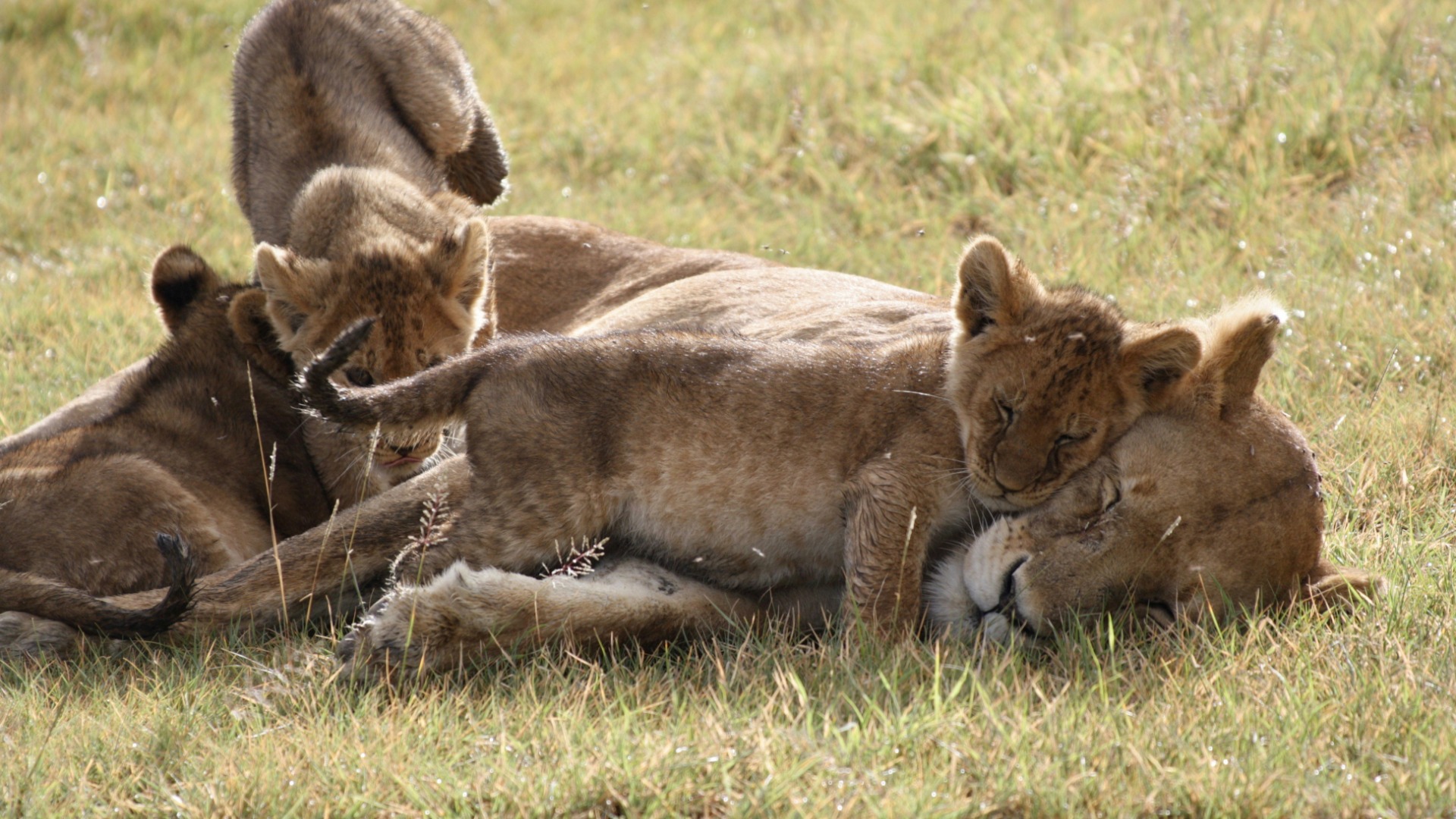
Each animal in the Maasai Mara presents unique photographic opportunities and challenges. Lions, often found resting in the shade of umbrella acacias, reward patient observers with tender moments between pride members or dramatic territorial displays at dawn. Position yourself low to the ground if possible to create more intimate perspectives.
Elephants crossing open plains offer magnificent opportunities for environmental portraits that show their relationship with the landscape. Watch for dust bathing behaviour in the late afternoon when backlighting turns airborne particles into golden clouds around their massive forms.
Birds provide constant subject matter, from the comical secretary birds stalking through grass to the spectacular lilac-breasted rollers performing aerial displays. A 400mm or longer lens combined with a fast shutter speed is essential here. The Mara is home to over 500 bird species, ensuring there is always something to photograph even on quiet game drive days.
Great wildlife photography is less about the equipment in your hands than the understanding in your mind and the respect in your approach.
What Equipment and Techniques Work Best for Different Scenarios?
Many travellers ask what specific setup serves them best in the Maasai Mara. For general wildlife photography, a 100-400mm zoom paired with a 1.4x teleconverter offers excellent versatility. When focusing on birds or small mammals, a prime 500mm or 600mm lens with a teleconverter provides the reach necessary while maintaining quality.
For landscape and environmental shots that tell the broader story of this ecosystem, carry a 24-70mm or 16-35mm wide-angle lens. These prove particularly valuable during the migration when you may wish to show the sheer scale of the herds stretching to the horizon.
In terms of timing, the period from 6:00 to 9:00 am and 4:00 to 7:00 pm typically yields the most rewarding light and activity. During the peak migration months of July through October, plan at least two full days of game driving to increase your chances of witnessing river crossings, which can involve waiting several hours in position.
Planning Your Maasai Mara Photography Experience
The most successful photography journeys combine strategic timing with access to less crowded areas. Private conservancies bordering the national reserve offer fewer vehicles and more flexibility with departure times, allowing you to be in position for first light or remain after official closing times in the reserve proper.
Consider joining a specialised photographic safari or booking a private vehicle with a dedicated guide and spotter. This setup enables you to respond immediately to opportunities without the constraints of group schedules. Camps such as Sand River Masai Mara and those in the Mara North Conservancy have been designed with serious photographers in mind, offering charging facilities, spacious vehicles, and knowledgeable staff.
For those seeking a private safari beyond our set itineraries, we would be delighted to hear from you directly. We specialise in creating beautifully tailored journeys for solo travellers, couples, families, and private groups of up to eight guests. Through our trusted network of carefully selected camps and lodges, we craft each safari around your individual interests, preferred pace, and budget, ensuring a seamless and deeply personal experience from beginning to end.
Conclusion
Mastering Maasai Mara photography tips requires patience, technical knowledge, and above all, a deep respect for the delicate balance of this extraordinary ecosystem. The images that endure are those that capture not just the animals but something of the spirit of the place itself, the interplay of light and life across these ancient plains.
Whether you return with a single exceptional frame or hundreds of strong images, the real reward lies in the heightened awareness that comes from truly seeing this landscape and its inhabitants. Each journey deepens our connection to the natural world and our responsibility to protect it.
Encounters Africa stands ready to help you translate these insights into an unforgettable photographic safari. From arranging private vehicles with expert guides to recommending the perfect combination of camps for different seasons and subjects, our team draws on decades of experience to create journeys that honour both your vision and the integrity of this remarkable place.
We invite you to contact us today to begin planning your own photography-focused experience in the Maasai Mara and beyond. Discover how a thoughtfully designed safari can transform not only your portfolio but your entire perspective on African wildlife and conservation.
More like this
Photography
Master Dramatic Light and Scale in Sossusvlei Landscapes
Photography
Master Low-Light Safari Shots: Camera Settings That Capture Kruger Nights
Photography
Golden Hour in the Drakensberg: Field-Proven Camera Settings for Dramatic Landscapes
Photography
Mastering Light and Composition for Kenya’s Big Five on Camera
Photography
Mastering Light and Composition for South African Wildlife Photography
Photography