Photography
Practical Camera Techniques for Rwanda’s Misty Volcano Slopes
Encounters Africa - 9 min read
Updated on 28 July 2026
Rwanda photography demands more than simply pointing a lens at its dramatic landscapes and charismatic primates. From the cloud-shrouded slopes of the Virunga Mountains to the golden grasslands of Akagera, the country presents a distinctive set of technical and ethical challenges that reward thoughtful preparation. This guide shares precise camera techniques for Rwanda’s misty volcano slopes, offering practical advice on equipment, settings and fieldcraft that help travellers capture authentic images while respecting the fragile environments they visit.
The best time to visit Rwanda for photography is during the dry seasons from June to September and December to February, when rainfall is minimal and visibility improves on the highland trails. Expect humidity levels that can reach 85 percent near the volcanoes, soft diffused light under frequent mist, and fast-moving subjects that test both autofocus and shutter speed. Encounters Africa has guided hundreds of photographers through these conditions, always prioritising the welfare of mountain gorillas, golden monkeys and the wider ecosystem.
Understanding Rwanda’s Varied Photographic Environments
Rwanda compresses an extraordinary range of habitats into a compact area. In Volcanoes National Park, dense bamboo and hagenia forest create dappled light and constant moisture, while the open savannah of Akagera offers harsher equatorial sun and dust. Each environment requires its own approach to exposure, white balance and lens selection.
At altitudes between 2,400 and 4,500 metres, the air is thinner and cooler, which can affect battery performance and increase the risk of condensation on lenses. Early morning temperatures regularly drop to 8°C before climbing rapidly once the sun burns through the mist. These rapid changes in light and temperature are among the most demanding aspects of Rwanda photography.
The mist that wraps Rwanda’s volcanoes is both a photographer’s greatest ally and sternest test. It softens harsh contrasts yet robs images of sharpness if not handled with care.
Volcanoes National Park: Misty Forests and Primate Portraits
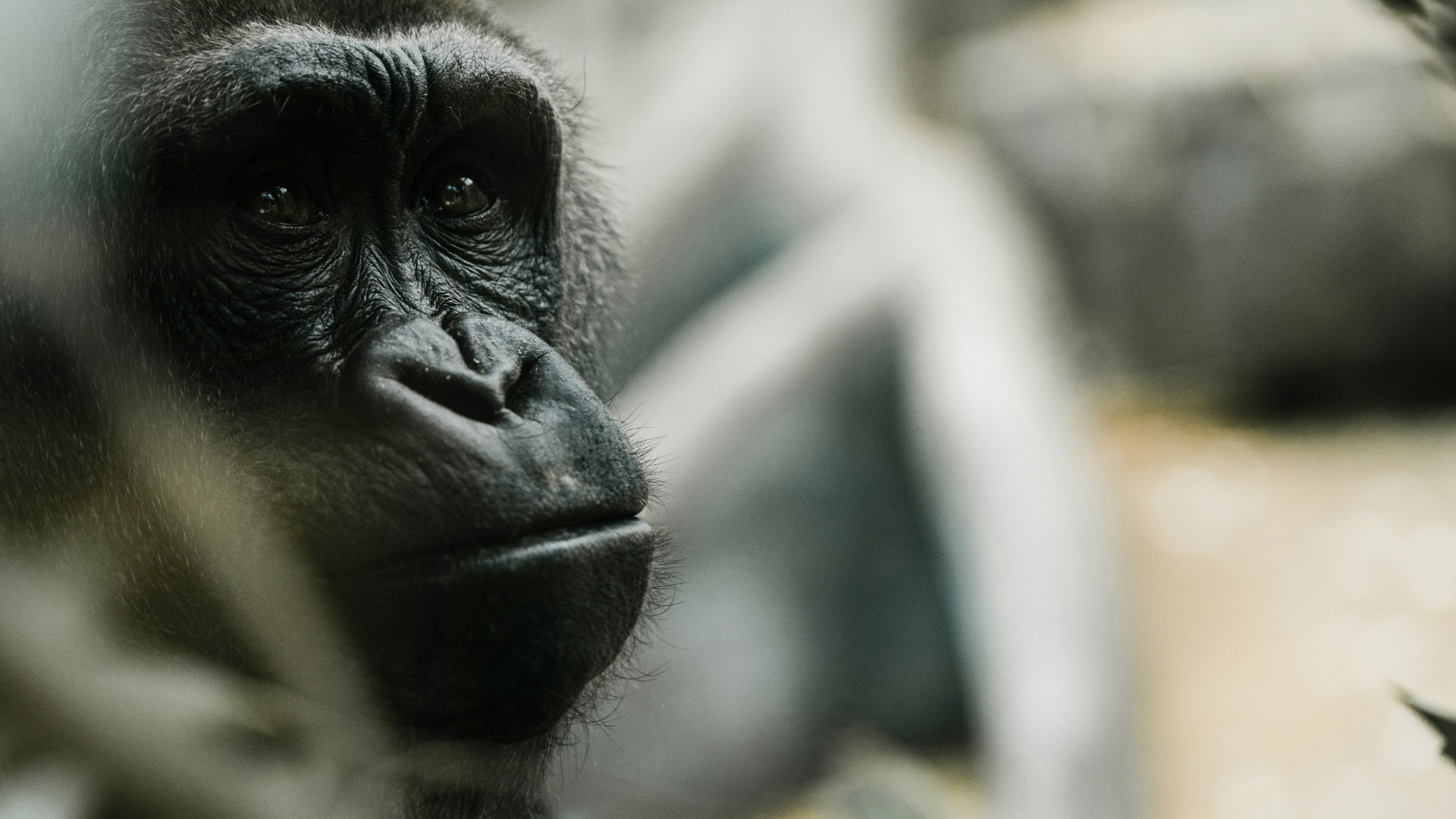
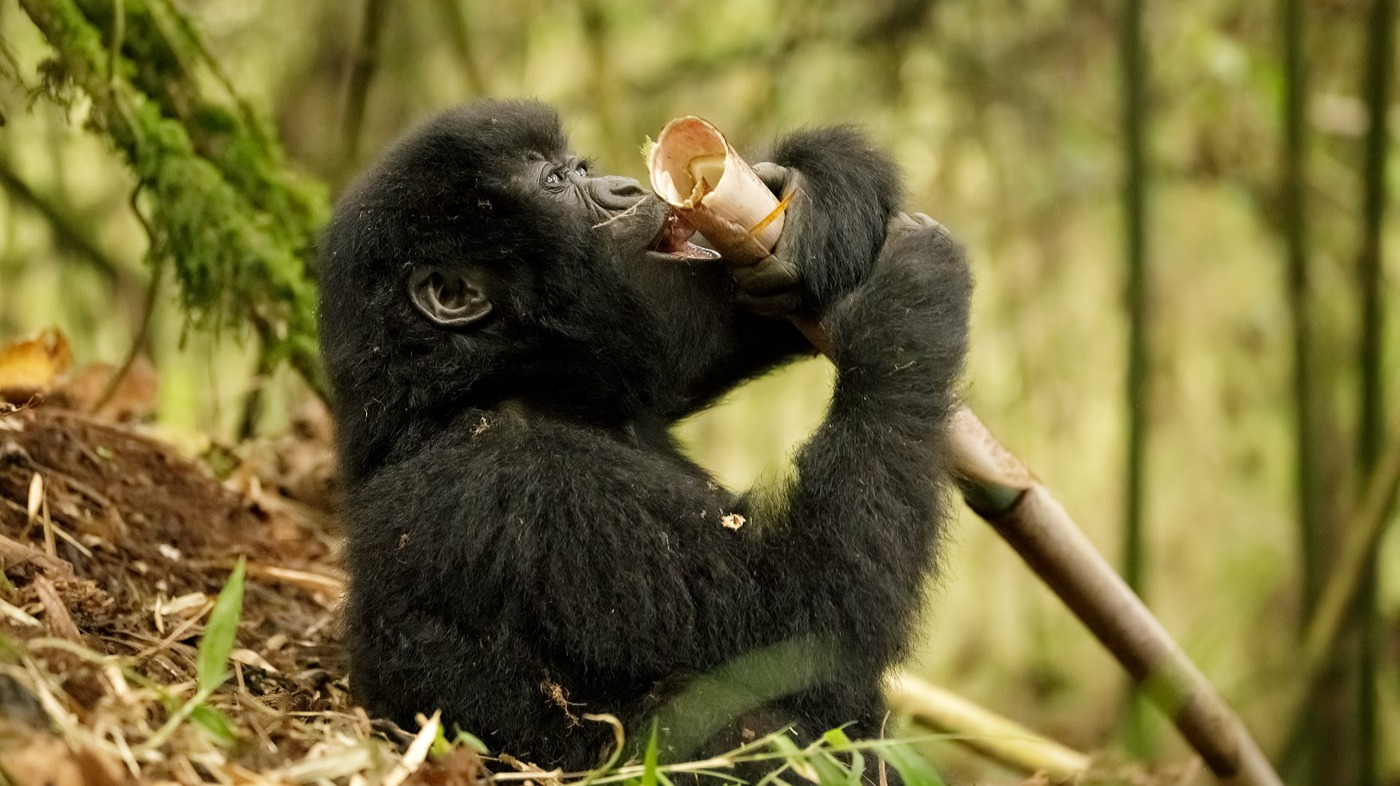
The primary draw for most visitors is the chance to spend one precious hour with a habituated mountain gorilla family. Permits are limited and strictly regulated, with groups of no more than eight travellers per family. Maintaining the required seven-metre distance is not only a legal requirement but essential for ethical Rwanda photography.
Golden monkeys move with astonishing speed through the bamboo, often appearing as little more than a flash of orange against green. Successful images here depend on anticipating their trajectories and using burst mode with precision rather than hope.

Essential Gear for Rwanda Photography
Travel light but purposefully. A weather-sealed camera body with excellent high-ISO performance is non-negotiable. Full-frame mirrorless cameras such as the Sony A1 or Nikon Z9 excel in the low light of the forest understorey, while lighter APS-C bodies can be advantageous on long hikes to the gorilla groups.
Carry a 70-200mm f/2.8 as your workhorse lens, supplemented by a 400mm f/2.8 or 100-400mm for more distant subjects. A macro lens around 100mm proves invaluable for the intricate textures of moss-covered trees and wild orchids that carpet the forest floor. Always pack silica gel packs and lens cloths; condensation is a constant companion at these elevations.
Two spare batteries per body, a robust rain cover, and a lightweight tripod or monopod complete the kit. Leave the drone at home—drone use is heavily restricted in both Volcanoes and Akagera National Parks.
Protecting Equipment from Rwanda’s Humidity
Humidity levels in the Virunga region regularly exceed 80 percent. Store camera bodies and lenses in airtight bags with multiple desiccant packs when not in use. Wipe down gear immediately after each forest trek and allow everything to dry thoroughly in a dehumidified lodge room before repacking.
Many experienced photographers use UV filters not for optical improvement but as sacrificial protection against constant mist and occasional rain. These can be cleaned far more easily than front lens elements when covered in fine volcanic dust.
Preparation is everything on Rwanda’s volcano slopes. A few grams of silica gel and a disciplined drying routine can mean the difference between a full memory card of sharp images and a fogged lens at the decisive moment.
Camera Settings for Rwanda’s Challenging Light
The soft, diffused light beneath the canopy often sits between EV 6 and EV 9. Set your base ISO between 800 and 1600 to maintain shutter speeds fast enough to freeze subtle movements. For gorilla portraits, we recommend 1/500sec at f/4 with ISO pushed as high as 3200 if necessary; modern sensors handle this noise remarkably well.
Back-button focus is particularly useful here. It allows you to lock focus on a gorilla’s eyes while the animal moves through foliage, then recompose without the camera hunting. Continuous autofocus with subject tracking works well for golden monkeys leaping between bamboo stems.
White Balance and Colour in Mist
Auto white balance frequently struggles with the green bias created by dense vegetation and mist. Many photographers switch to daylight or even a custom preset around 5200K to retain the cool tones that characterise these forests. Slight underexposure by 0.3 to 0.7 stops helps preserve highlight detail in any occasional shafts of sunlight that pierce the canopy.
When the mist lifts and direct light reaches the slopes, the contrast range becomes extreme. Use your camera’s highlight-weighted metering mode and consider bracketing exposures for later blending if the dynamic range exceeds 14 stops.
Field Techniques for Ethical Wildlife Photography
Respecting wildlife and local regulations forms the cornerstone of responsible Rwanda photography. Never use flash, call to attract attention, or attempt to provoke any reaction from the animals. Your guide will position the group appropriately; remain within that space and avoid sudden movements.
For landscape work in Akagera, golden hour arrives around 6:15am and 18:45pm year-round due to the equatorial location. Position yourself on the eastern shores of Lake Ihema before dawn to capture the first light touching acacia trees and papyrus beds. The park’s 1,200 square kilometres contain over 500 bird species, making it a paradise for avian photography.
Approaching Mountain Gorillas Responsibly
When photographing gorillas, adopt a low shooting position to convey their size and dignity. Sit or kneel rather than standing over them. A 200mm lens at f/4 from the mandated distance produces beautiful environmental portraits that include the surrounding vegetation without intruding on their space.
Watch for silverback chest-beating or mock charges—these are displays, not threats, but they offer powerful photographic opportunities. Keep your movements slow and predictable. If a gorilla approaches closer than seven metres, calmly lower your lens and avert your eyes as a sign of submission.
True wildlife photography in Rwanda is less about technical perfection than about earning the trust of both the animals and the communities that protect them.
Post-Production Workflow for Rwanda Images
Raw files from misty forest conditions often appear flat and green-heavy. Begin by correcting white balance using the eyedropper tool on a neutral grey area such as a weathered tree trunk. Subtle adjustments to the hue of greens prevent them from appearing artificially vibrant.
Dehaze and clarity sliders can help cut through atmospheric moisture, but use them sparingly. Over-processing destroys the soft, ethereal quality that makes Rwanda’s volcano photographs distinctive. Selective masking allows you to enhance the subject while preserving the natural diffusion in the background.
Colour Management in Humid Conditions
Calibrate your monitor regularly, particularly if travelling between different climates. The transition from Rwanda’s cool, damp air to dry aircraft cabins can affect perceived colour on laptop screens. Many photographers carry a portable calibrator to maintain accuracy throughout their journey.

Common Questions About Photography in Rwanda
What is the best lens for photographing mountain gorillas in Rwanda?
The 70-200mm f/2.8 offers the ideal balance of reach, weight and aperture. It allows you to fill the frame from the required seven-metre distance while maintaining a pleasing background compression.
How do you deal with condensation on lenses in the Virunga Mountains?
Keep gear in airtight bags with silica gel until the moment you need to shoot. If condensation forms, gently wipe with a microfibre cloth and allow the lens to acclimatise slowly rather than exposing it immediately to colder air.
Is flash photography permitted in Rwanda’s national parks?
No. Flash is strictly prohibited in all Rwandan protected areas, particularly around primates. The sudden light can disturb animals and damage their eyesight.
What shutter speed is recommended for golden monkeys?
A minimum of 1/1000sec is necessary to freeze their rapid movements through the bamboo. Many photographers use 1/2000sec combined with continuous burst mode to increase their chances of capturing a sharp frame.
Conservation Through the Lens
Every photograph taken in Rwanda contributes to a larger story of successful conservation. The mountain gorilla population has increased from approximately 250 individuals in the 1980s to over 1,060 today, thanks to rigorous protection and community involvement. Your images can help share this success while raising awareness about ongoing challenges.
Consider donating a selection of your best images to the Rwanda Development Board or local conservation organisations. Many lodges facilitate these contributions, creating a direct link between your photography and the protection of the habitats you have come to capture.
Planning Your Rwanda Photography Journey
Successful Rwanda photography combines technical skill with patience, respect and a willingness to work within the rhythms of the landscape. Whether you are tracking a silverback through swirling mist or waiting for the perfect light on Akagera’s floodplains, the experience remains deeply rewarding.
Encounters Africa specialises in designing private photography safaris that match your vision and skill level. From dedicated vehicles with bean bags and camera mounts to the guidance of experienced photographic hosts, we craft each itinerary around your specific goals.
For discerning travellers seeking a private safari beyond our set itineraries, we invite you to contact us directly. We specialise in designing exceptional, tailor-made journeys for individuals, couples, families, and private groups of up to eight guests. Drawing on our handpicked network of distinguished camps and lodges, we curate every detail with precision and care, creating a seamless, deeply personal safari experience shaped entirely around your preferences, pace, and budget.
Begin your planning by exploring our Rwanda safari collection, which includes specialist departures for photographers. Discover more about responsible wildlife encounters in our guide to Volcanoes National Park, or learn about comfortable forest accommodation at Clouds Mountain Gorilla Lodge. Whatever your level of experience, Rwanda offers photographic opportunities that will enrich both your portfolio and your understanding of conservation in action.
We look forward to helping you create images that honour this remarkable country and its extraordinary wildlife.
More like this
Photography
Practical Field Techniques for Capturing African Wildlife Images While Leaving No Trace
Photography
Practical Kenyan Photography Techniques for Capturing Wildlife in Motion
photography
Practical Night Photography Techniques That Keep You Safe in African Bushveld
Photography
Practical Photography Opportunities Across Uganda's Diverse Landscapes
Photography
Practical Steps for Photographing Indigenous Communities with Respect Across Africa
Photography